Lesson · Grade 8 · Science
Photosynthesis and Respiration: Two Halves of One Cycle
- Grade 8
- Science
- 1 min 47 s
- British Columbia
- BC8-SC-09
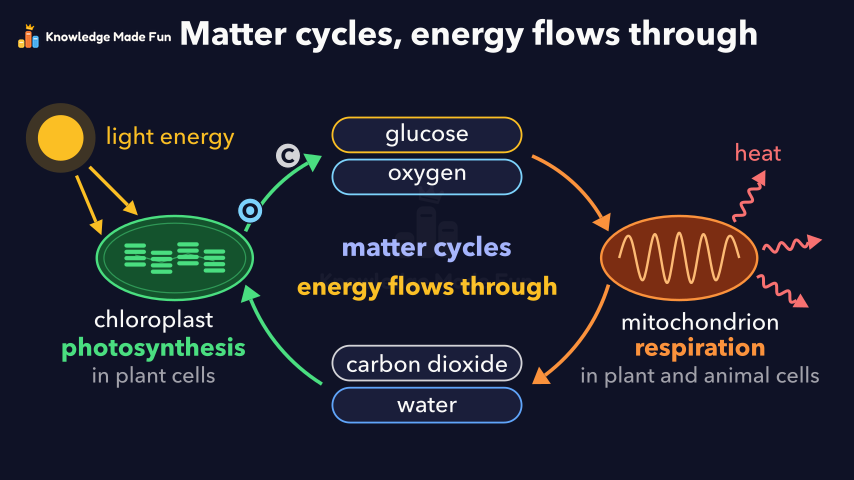
A chloroplast and a mitochondrion are joined in a loop where the products of photosynthesis (glucose and oxygen) are the reactants of respiration, and the products of respiration (carbon dioxide and water) are the reactants of photosynthesis, so carbon and oxygen atoms go round and round while energy comes in as light and leaves as heat. The video also corrects the myth that plants make oxygen only for animals: plant cells have mitochondria too and use oxygen day and night.
Concept: Photosynthesis and cellular respiration: mirror-image reactions
Anyone can watch two lessons on the website without an account. Signing in is free, no payment and no card, and opens three a day; Plus has no limit.
Loading
In one sentence
The question this lesson answers
How are photosynthesis and respiration linked? Look at two tiny parts of cells.
A chloroplast is where photosynthesis happens. Chloroplasts are found in plant cells.
Transcript
What the lesson says
How are photosynthesis and respiration linked? Look at two tiny parts of cells.
A chloroplast is where photosynthesis happens. Chloroplasts are found in plant cells.
Photosynthesis uses energy from sunlight to make food.
The reactants, the substances that go in, are carbon dioxide and water.
The products, the substances made, are glucose, a sugar, and oxygen.
A mitochondrion is where most cellular respiration happens.
This is aerobic respiration: it uses oxygen to release the energy stored in glucose.
Its reactants are glucose and oxygen, the products of photosynthesis.
Its products are carbon dioxide and water, the reactants of photosynthesis.
The products of each process are the reactants of the other, so together they form one cycle.
Atoms of carbon and oxygen go round and round this loop, used again and again. Matter cycles.
Cells use the energy from respiration, and in the end it leaves as heat.
Energy comes in as light and leaves as heat, so energy flows through.
A common myth is that plants make oxygen only for animals.
But plant cells have mitochondria too, so plants use oxygen for respiration, day and night.
Photosynthesis and respiration are two halves of one cycle: matter cycles, while energy flows through.
Curriculum
Where this fits
- British Columbia, Grade 8
Science, Biology: photosynthesis and cellular respirationBC8-SC-09
Previous: Cellular Respiration: How Cells Release Energy from SugarNext: Microbes as Decomposers: Recycling Nutrients
- British Columbia, Grade 11
Chemistry 11, Reactions: local and other chemical processesBC11-SC-31
Previous: Smelting: Getting Iron Out of OreNext: Photochemical Smog: How Exhaust and Sunlight Make Ozone
- British Columbia, Grade 11
Environmental Science 11, Energy and matter cycles: energy flow through ecosystemsBC11-SC-115
- British Columbia, Grade 11
Life Sciences 11, Cells: energy transformations in cellsBC11-SC-142
Previous: Asexual or Sexual Reproduction: Fast Copies or New VarietyNext: ATP: How Cells Store and Spend Energy
This lesson is also listed in Grade 11.
The outcomes and strands follow the British Columbia curriculum.
Keep going
 1 min 59 s
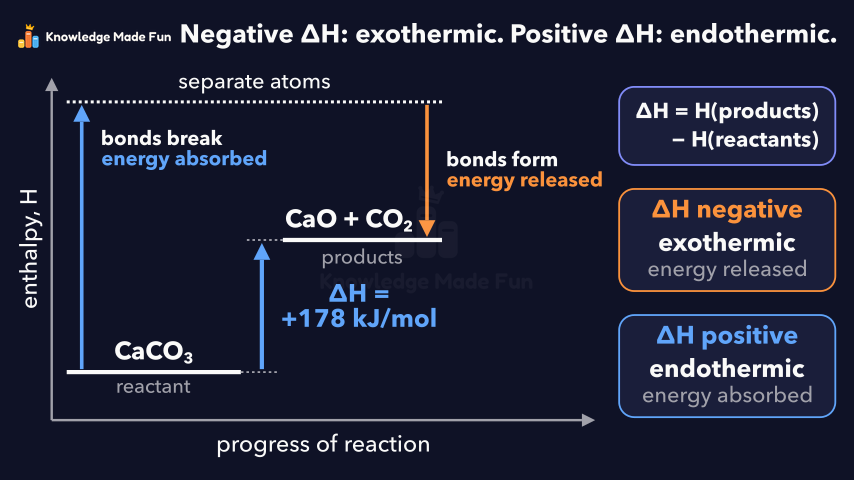
Exothermic and endothermic reactions: the sign of ΔH
Grade 11 · 1 min 59 s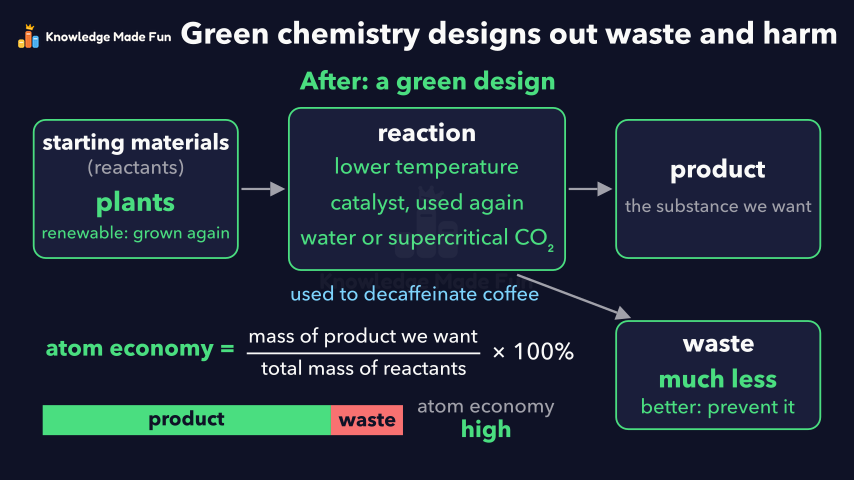 1 min 37 s
Green Chemistry: Designing Out Waste and Harm
Grade 11 · 1 min 37 s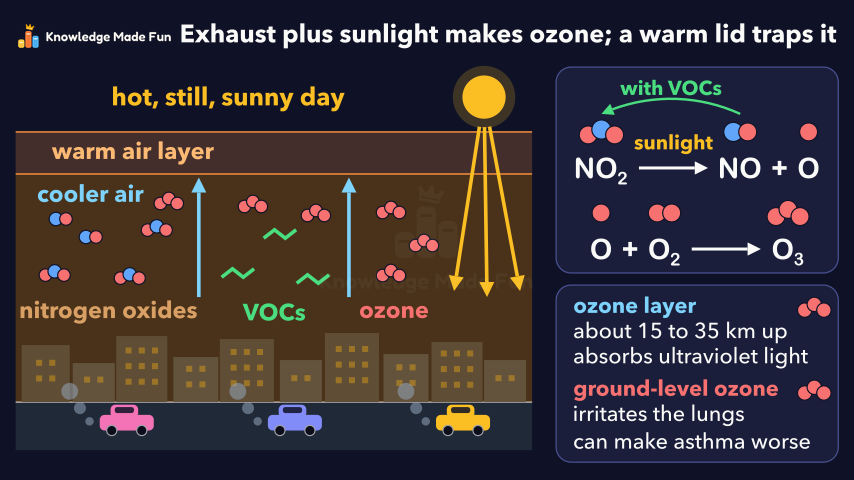 1 min 49 s
Photochemical Smog: How Exhaust and Sunlight Make Ozone
Grade 11 · 1 min 49 s 1 min 46 s
Pulp and Paper: Freeing Wood Fibres with Chemistry
Grade 11 · 1 min 46 s 1 min 57 s
Reaction types and predicting their products
Grade 11 · 1 min 57 s 1 min 53 s
Smelting: Getting Iron Out of Ore
Grade 11 · 1 min 53 s 1 min 48 s
Why Food Browns When It Cooks
Grade 11 · 1 min 48 s 1 min 40 s
Acids and bases: the pH scale
Grade 10 · 1 min 40 s
- All Grade 8 Science lessons
- Create a free account to watch three lessons a day, no payment and no card.