Lesson · Grade 11 · Chemistry
Exothermic and endothermic reactions: the sign of ΔH
- Grade 11
- Chemistry
- 1 min 59 s
- British Columbia
- BC11-SC-26
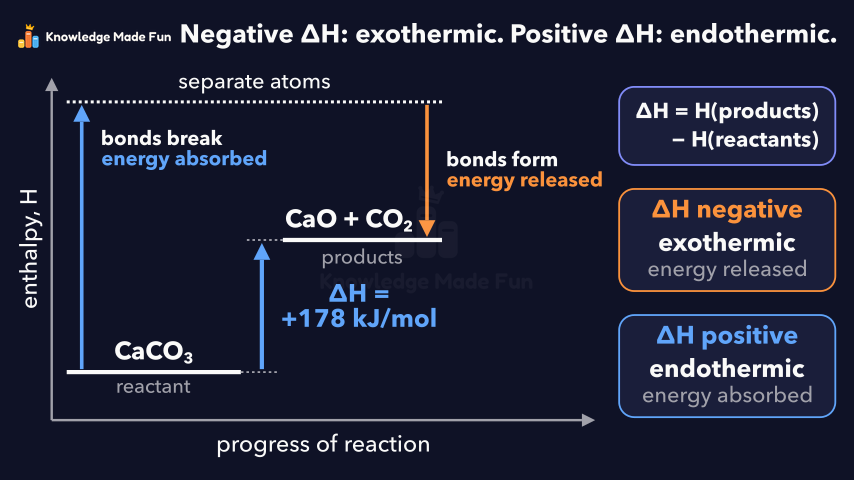
One enthalpy diagram builds up step by step. Burning methane has ΔH = −890 kJ/mol: its products are lower, so energy is released and the reaction is exothermic. Arrows through a level of separate atoms show that breaking bonds absorbs energy, that forming bonds releases it, and that ΔH is the difference between the two. The same diagram then shows calcium carbonate breaking down, with ΔH = +178 kJ/mol: its products are higher, so energy is absorbed and the reaction is endothermic. The video ends on the rule that a negative ΔH means exothermic and a positive ΔH means endothermic.
Anyone can watch two lessons on the website without an account. Signing in is free, no payment and no card, and opens three a day; Plus has no limit.
Loading
In one sentence
The question this lesson answers
Does a reaction give out energy or take it in? An energy diagram shows which.
Up the side is enthalpy, H: the heat energy stored in the chemicals.
Transcript
What the lesson says
Does a reaction give out energy or take it in? An energy diagram shows which.
Up the side is enthalpy, H: the heat energy stored in the chemicals.
Delta H, the enthalpy change, is the enthalpy of the products minus that of the reactants.
First, methane burns in oxygen. Methane and oxygen are the reactants.
The products, carbon dioxide and water, have less enthalpy, so they sit lower.
Products minus reactants is negative: delta H is minus 890 kilojoules per mole.
That energy goes to the surroundings as heat. A reaction that releases energy is exothermic.
Picture every bond in the reactants breaking into separate atoms. Breaking bonds absorbs energy.
Careful: breaking bonds never releases energy. It always takes energy in.
The atoms then form carbon dioxide and water. Forming bonds releases energy.
Delta H is energy absorbed minus energy released. More is released here, so delta H is negative.
Now heat calcium carbonate: it breaks down into calcium oxide and carbon dioxide.
The products have more enthalpy, so delta H is positive: plus 178 kilojoules per mole.
This reaction absorbs heat from the surroundings. That makes it endothermic.
Here, breaking bonds absorbs more energy than forming bonds releases.
So negative delta H means exothermic, energy released. Positive delta H means endothermic, energy absorbed.
Curriculum
Where this fits
- British Columbia, Grade 11
Chemistry 11, Reactions: reactionsBC11-SC-26
Previous: Reaction types and predicting their productsNext: Smelting: Getting Iron Out of Ore
- British Columbia, Grade 12
Chemistry 12, Reaction rates: energy change during a chemical reactionBC12-SC-49
This lesson is also listed in Grade 12.
The outcomes and strands follow the British Columbia curriculum.
Keep going
 1 min 37 s
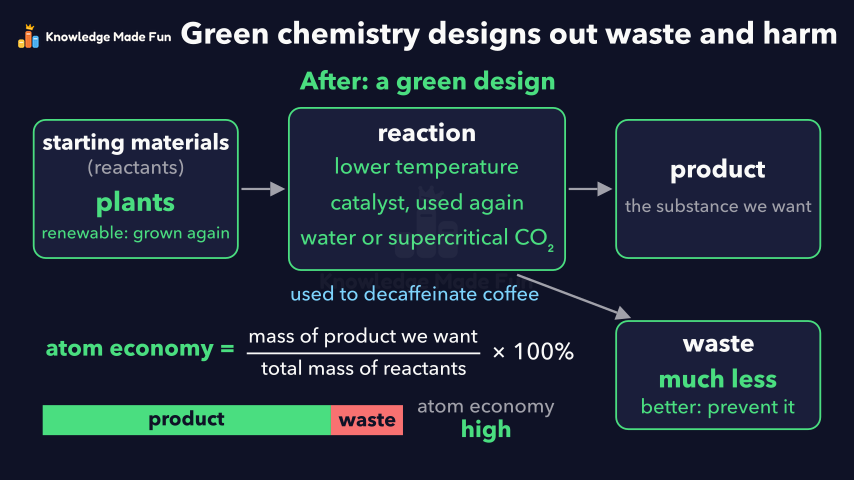
Green Chemistry: Designing Out Waste and Harm
Grade 11 · 1 min 37 s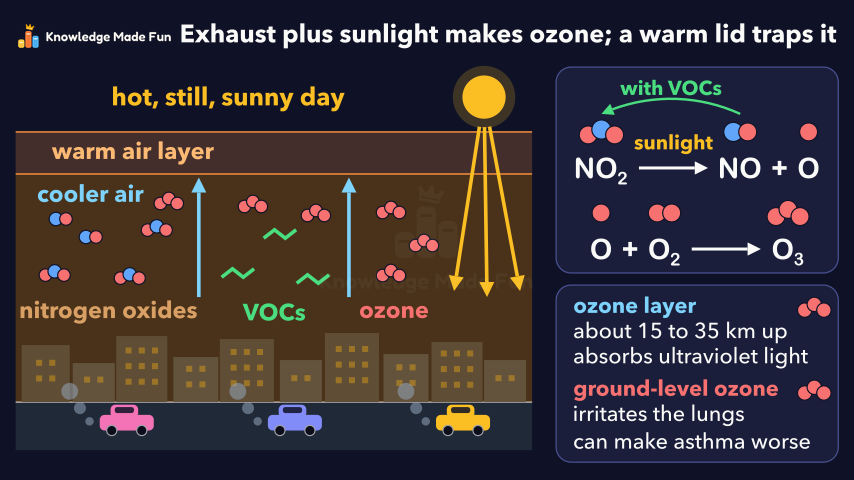 1 min 49 s
Photochemical Smog: How Exhaust and Sunlight Make Ozone
Grade 11 · 1 min 49 s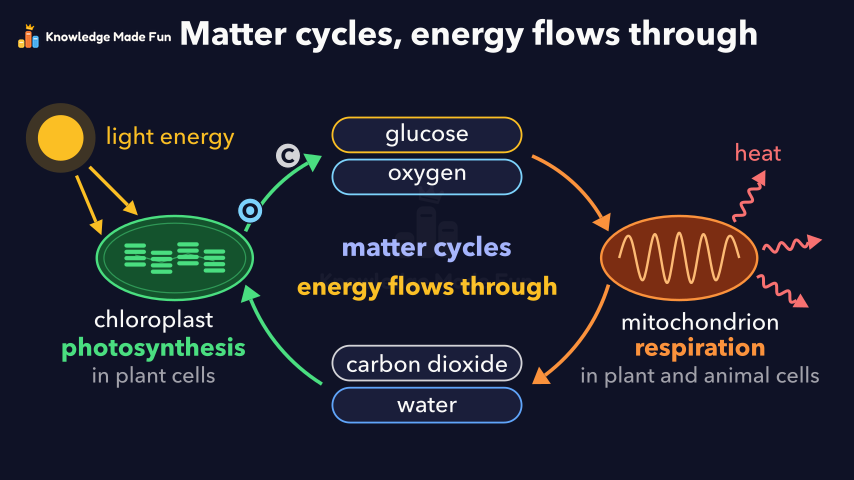 1 min 47 s
Photosynthesis and Respiration: Two Halves of One Cycle
Grade 8 · 1 min 47 s 1 min 46 s
Pulp and Paper: Freeing Wood Fibres with Chemistry
Grade 11 · 1 min 46 s 1 min 57 s
Reaction types and predicting their products
Grade 11 · 1 min 57 s 1 min 53 s
Smelting: Getting Iron Out of Ore
Grade 11 · 1 min 53 s 1 min 48 s
Why Food Browns When It Cooks
Grade 11 · 1 min 48 s 1 min 40 s
Acids and bases: the pH scale
Grade 10 · 1 min 40 s
- All Grade 11 Chemistry lessons
- Create a free account to watch three lessons a day, no payment and no card.