Lesson · Grade 9 · Science
The Sun Powers the Water Cycle
- Grade 9
- Science
- 1 min 44 s
- British Columbia
- BC9-SC-26
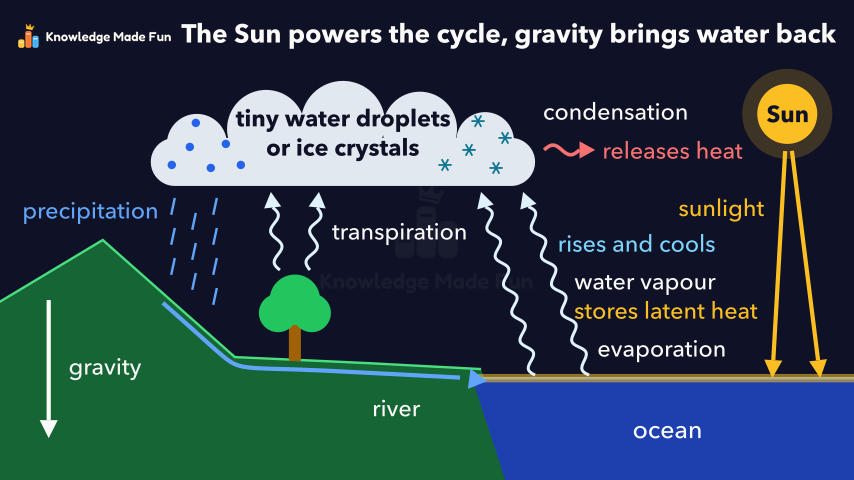
One labelled diagram shows sunlight warming the ocean so that water evaporates (and plants transpire), and the vapour carries stored latent heat as it rises, cools and condenses into clouds of tiny droplets or ice crystals. Condensing releases that heat, which can power storms, and gravity brings the water back down as precipitation and in rivers to the sea.
Concept: The water cycle: how the Sun's energy moves water around Earth
Anyone can watch two lessons on the website without an account. Signing in is free, no payment and no card, and opens three a day; Plus has no limit.
Loading
In one sentence
The question this lesson answers
Water is always moving around our planet, in a loop called the water cycle. What powers it?
The energy comes from the Sun. Sunlight is absorbed by the ocean and warms the water near its surface.
Transcript
What the lesson says
Water is always moving around our planet, in a loop called the water cycle. What powers it?
The energy comes from the Sun. Sunlight is absorbed by the ocean and warms the water near its surface.
Some of the warm water evaporates: it changes from a liquid into an invisible gas called water vapour.
Evaporation takes in a lot of energy. The vapour carries this energy as stored heat, called latent heat.
Plants add vapour too, releasing it through tiny pores in their leaves. This is called transpiration, and sunlight drives it as well.
Warm, moist air rises. As it rises, it expands and cools.
When the vapour cools enough, it condenses. It turns back into tiny liquid droplets that form clouds.
So a cloud is not water vapour, which is invisible. A cloud is made of tiny droplets of liquid water or tiny crystals of ice.
When vapour condenses, it releases its stored heat into the air. This heat warms the air and can power big storms.
In the cloud, droplets join into bigger drops. When they are heavy enough, gravity pulls them down as precipitation, such as rain.
On land, gravity keeps pulling the water downhill, and rivers carry much of it back to the sea.
So sunlight powers the water cycle by lifting water into the air, and gravity brings it back down.
Curriculum
Where this fits
- British Columbia, Grade 9
Science, Earth science: effects of solar radiation on the cycling of matter and energyBC9-SC-26
Previous: How the Sun Drives Winds and Ocean CurrentsNext: The Carbon Cycle: Sources and Sinks
- British Columbia, Grade 11
Earth Sciences 11, Water and oceans: the hydrologic cycleBC11-SC-61
- British Columbia, Grade 11
Environmental Science 11, Energy and matter cycles: matter cycles through and between living systemsBC11-SC-116
Previous: Photosynthesis and Respiration: Two Halves of One CycleNext: The Carbon Cycle: Sources and Sinks
This lesson is also listed in Grade 11.
The outcomes and strands follow the British Columbia curriculum.
Keep going
 1 min 51 s
A Complete Circuit: Source, Load, Conductors and Switch
Grade 9 · 1 min 51 s 1 min 48 s
AC and DC: Two Ways Current Can Flow
Grade 9 · 1 min 48 s 1 min 40 s
Acids and bases: the pH scale
Grade 10 · 1 min 40 s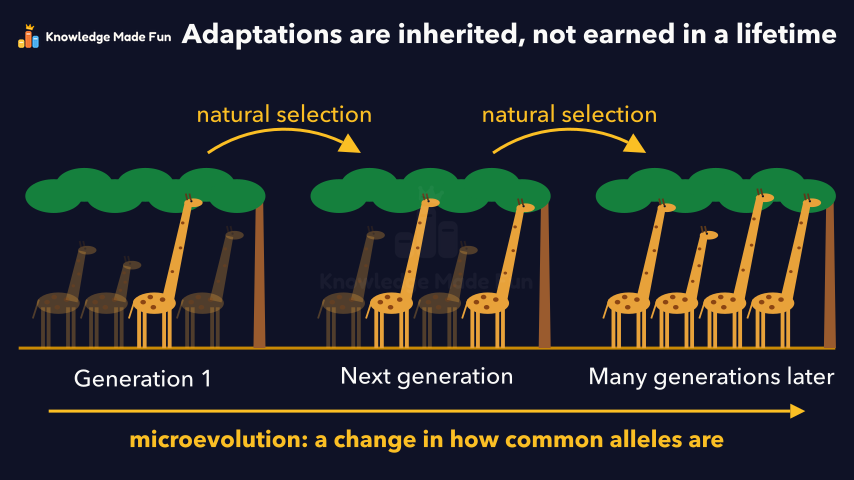 1 min 39 s
Adaptations Are Inherited, Not Earned in a Lifetime
Grade 11 · 1 min 39 s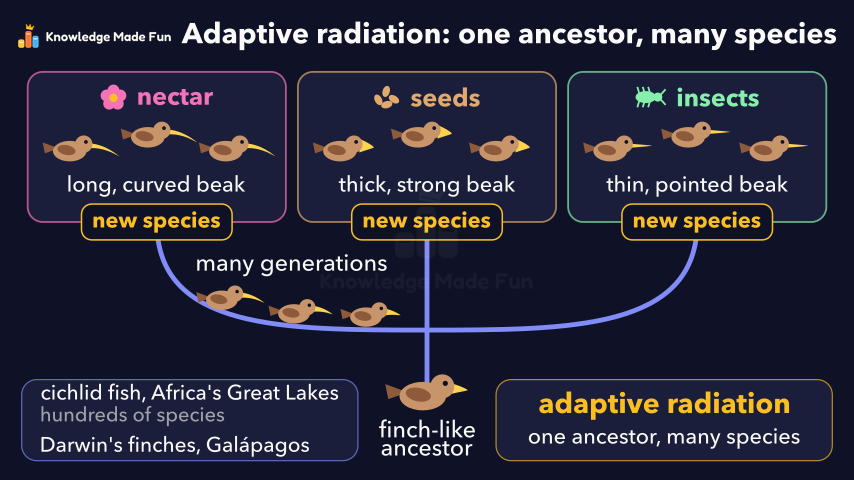 1 min 48 s
Adaptive radiation: one ancestor, many species
Grade 10 · 1 min 48 s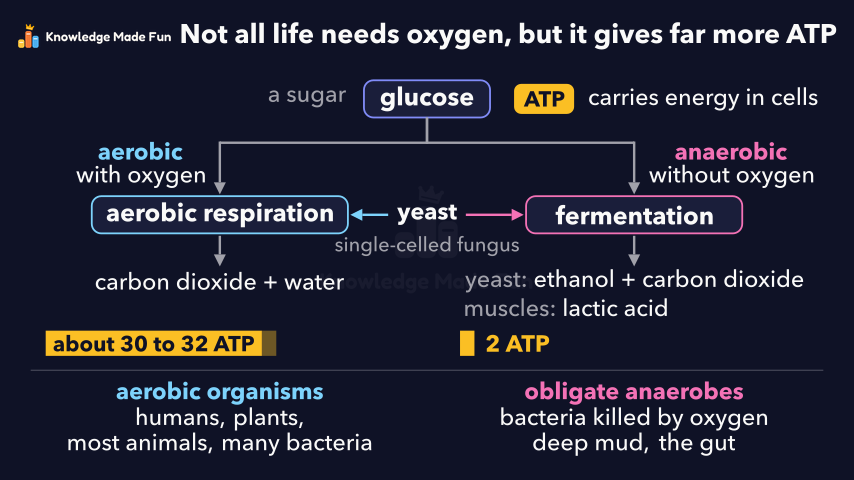 1 min 39 s
Aerobic and anaerobic organisms
Grade 11 · 1 min 39 s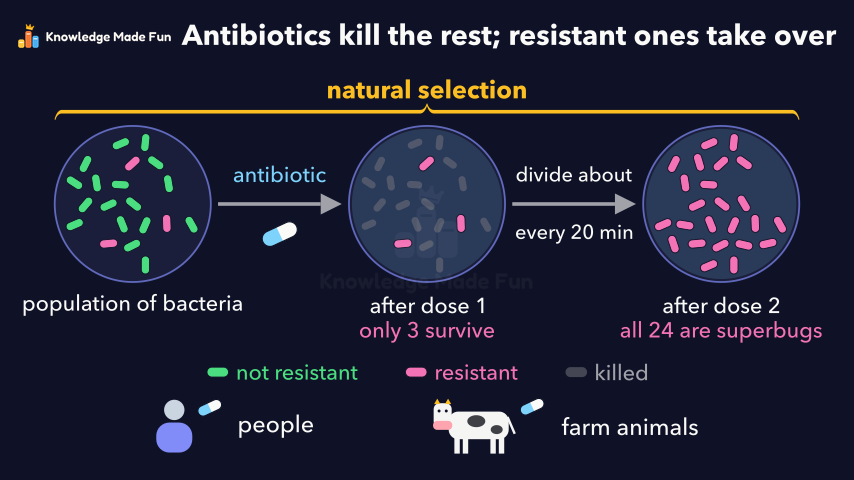 1 min 37 s
Antibiotic resistance: how superbugs evolve
Grade 8 · 1 min 37 s 1 min 35 s
Antibiotics kill bacteria, not viruses
Grade 8 · 1 min 35 s
- All Grade 9 Science lessons
- Create a free account to watch three lessons a day, no payment and no card.