Lesson · Grade 8 · Science
Antibiotic resistance: how superbugs evolve
- Grade 8
- Science
- 1 min 37 s
- British Columbia
- BC8-SC-18
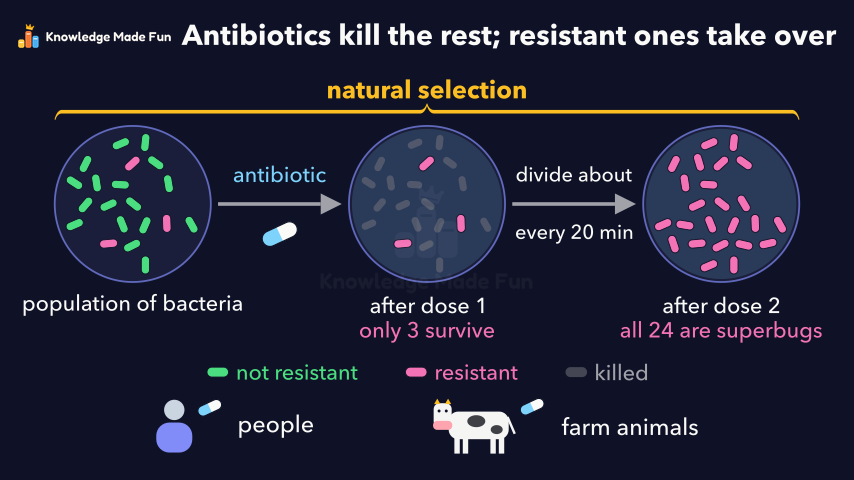
Three views of one infection show a population of bacteria where a few have a random mutation that makes them resistant: the first antibiotic dose kills the rest, the 3 survivors divide about every 20 minutes into 24 in one hour, and the next dose fails because they are now superbugs. The video names this natural selection, makes clear that the bacteria become resistant (not the person), and shows that using antibiotics when they are not needed, in people or farm animals, speeds it up.
Concept: Antibiotic resistance: how bacteria evolve to survive antibiotics
Anyone can watch two lessons on the website without an account. Signing in is free, no payment and no card, and opens three a day; Plus has no limit.
Loading
In one sentence
The question this lesson answers
Antibiotics are medicines that kill bacteria or stop them growing.
But some bacteria, called superbugs, are no longer killed by the usual antibiotics. How do they evolve?
Transcript
What the lesson says
Antibiotics are medicines that kill bacteria or stop them growing.
But some bacteria, called superbugs, are no longer killed by the usual antibiotics. How do they evolve?
Here is an infection: a population of bacteria, which means a group of the same kind living together.
By chance, a few of them already have a mutation, a random change in their DNA.
This mutation makes them resistant, which means a particular antibiotic cannot kill them.
The person with the infection takes that antibiotic. The first dose kills the bacteria that are not resistant.
Only the 3 resistant bacteria survive.
The survivors multiply. Some bacteria can divide in two about every 20 minutes.
In one hour, the 3 survivors can become 6, then 12, then 24.
So the next dose of the same antibiotic fails: all 24 are resistant superbugs.
This is natural selection: the bacteria best suited to their surroundings survive, multiply and pass on their resistance.
Be careful: the person does not become resistant. The bacteria do.
Using antibiotics when they are not needed, in people or in farm animals, speeds this up.
So antibiotics kill the bacteria that are not resistant, and the resistant ones multiply and take over.
Curriculum
Where this fits
- British Columbia, Grade 8
Science, Biology: the relationship of micro-organisms with living things: vaccination and antibioticsBC8-SC-18
Previous: Antibiotics kill bacteria, not virusesNext: Epidemics and pandemics: how far a disease spreads
- British Columbia, Grade 11
Life Sciences 11, Evolution and genetics: microevolution: adaptation to changing environmentsBC11-SC-152
Previous: Adaptations Are Inherited, Not Earned in a LifetimeNext: Mutations: DNA Changes That Help, Harm or Do Nothing
- British Columbia, Grade 11
Science For Citizens 11, Health: personal and public health practices, including First Peoples traditional health and healing practicesBC11-SC-260
Previous: Community immunity: how vaccination stops a disease spreadingNext: Antibiotics kill bacteria, not viruses
This lesson is also listed in Grade 11.
The outcomes and strands follow the British Columbia curriculum.
Keep going
 1 min 39 s
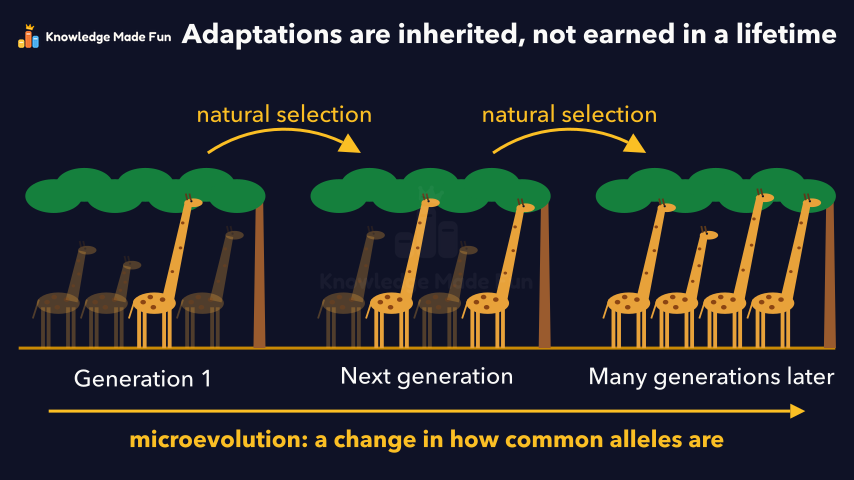
Adaptations Are Inherited, Not Earned in a Lifetime
Grade 11 · 1 min 39 s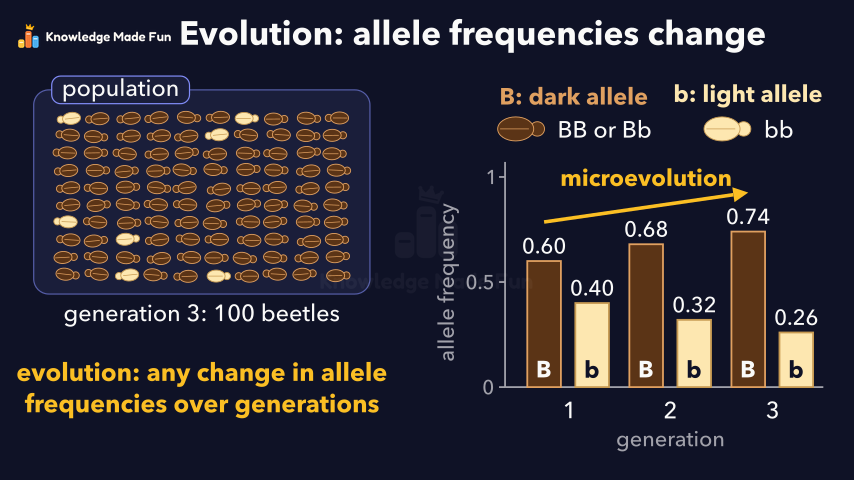 2 min
Evolution as Changing Allele Frequencies
Grade 11 · 2 min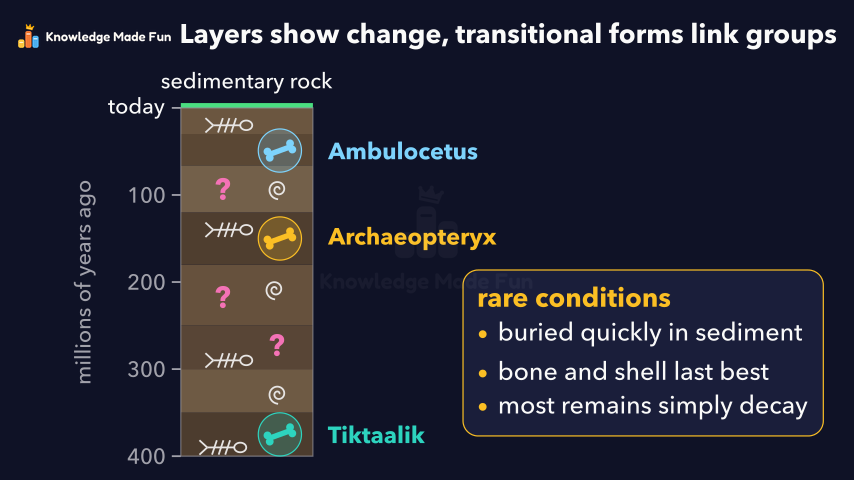 1 min 54 s
Fossils and Transitional Forms: Evidence for Macroevolution
Grade 11 · 1 min 54 s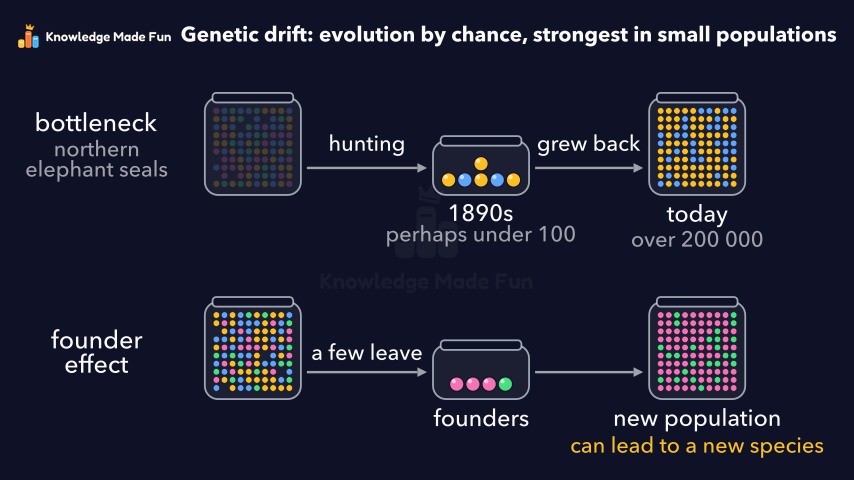 1 min 55 s
Genetic Drift: Evolution by Chance
Grade 11 · 1 min 55 s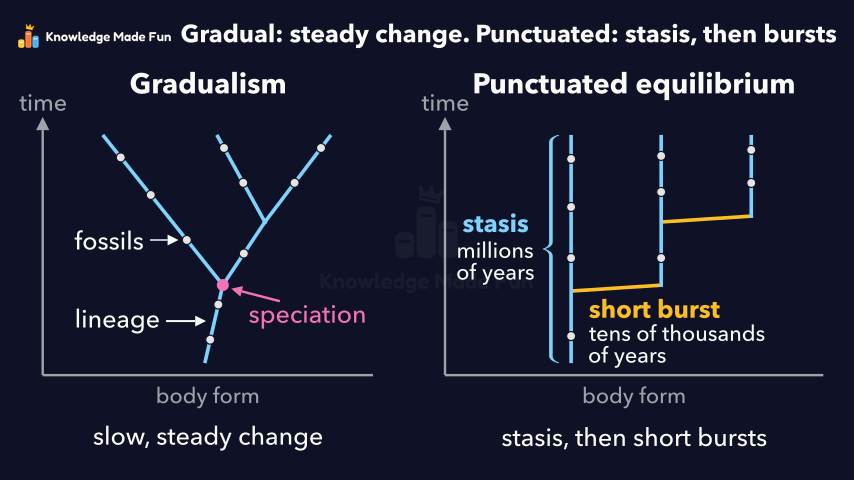 1 min 58 s
Gradualism and Punctuated Equilibrium
Grade 11 · 1 min 58 s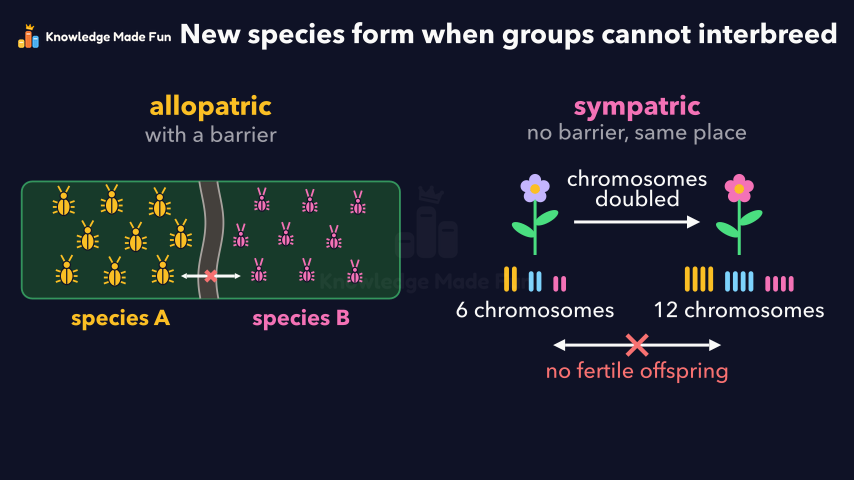 1 min 50 s
How New Species Form: Isolation and Speciation
Grade 11 · 1 min 50 s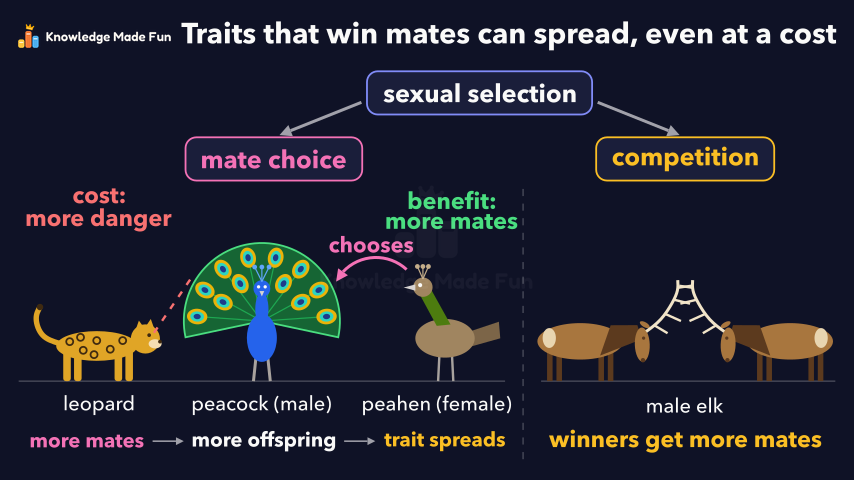 1 min 19 s
Sexual Selection: Traits That Win Mates
Grade 11 · 1 min 19 s 1 min 56 s
Three patterns of natural selection
Grade 11 · 1 min 56 s
- All Grade 8 Science lessons
- Create a free account to watch three lessons a day, no payment and no card.