Lesson · Grade 10 · Science
Mutations: DNA Changes That Help, Harm or Do Nothing
- Grade 10
- Science
- 1 min 40 s
- British Columbia
- BC10-SC-09
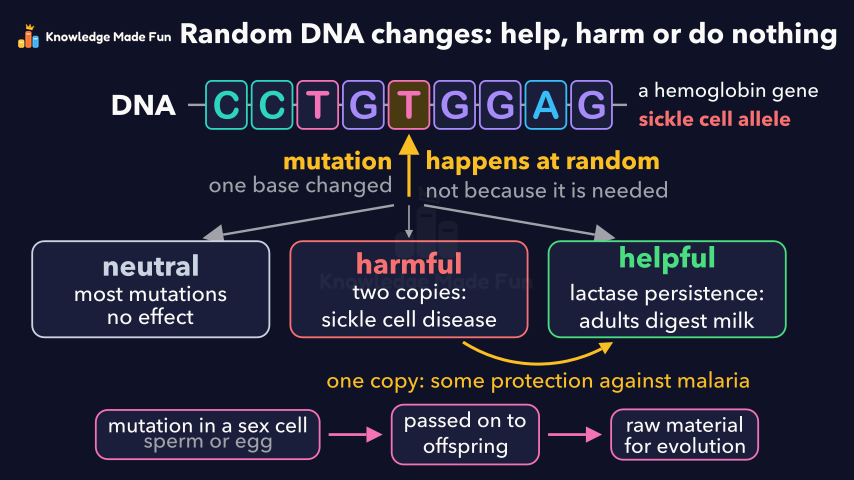
One base in a real stretch of a hemoglobin gene changes from A to T, and the diagram branches into the three possible effects: most mutations are neutral, the sickle cell allele causes sickle cell disease when a person has two copies, and lactase persistence lets adults digest milk sugar, while one copy of the sickle cell allele also gives some protection against malaria. The video then shows that in animals only mutations in sex cells reach offspring, where the new alleles become the raw material for evolution, and that mutations happen at random, not because an organism needs them.
Anyone can watch two lessons on the website without an account. Signing in is free, no payment and no card, and opens three a day; Plus has no limit.
Loading
In one sentence
The question this lesson answers
What happens when the DNA in a cell changes?
DNA stores instructions as a sequence of chemical units called bases, written as the letters A, T, G and C.
Transcript
What the lesson says
What happens when the DNA in a cell changes?
DNA stores instructions as a sequence of chemical units called bases, written as the letters A, T, G and C.
A mutation is a change in the DNA sequence. Here, one base has changed from A to T.
A mutation can be neutral, harmful or helpful.
Most mutations are neutral: they have no effect on the organism.
Harmful: this change is in a gene for hemoglobin, the protein that carries oxygen in red blood cells.
Each version of a gene is called an allele. Two copies of this sickle cell allele cause sickle cell disease.
Helpful: lactase persistence. Some mutations let adults keep making lactase, the enzyme that digests the sugar in milk.
The same change can be both. One copy of the sickle cell allele gives some protection against malaria.
In animals, only mutations in sex cells, sperm and eggs, are passed on to offspring.
Mutations make new alleles, the raw material for evolution.
Over many generations, helpful alleles, like those for lactase persistence, can become more common.
Mutations happen at random. They do not happen because an organism needs them.
Mutations are random changes in DNA that can help, harm or do nothing.
Curriculum
Where this fits
- British Columbia, Grade 10
Science 10, Biology: mechanisms for the diversity of life: mutation and its impact on evolutionBC10-SC-09
Previous: Sex-linked traits: why more males are colour blindNext: Mutagens and Carcinogens: What Damages DNA
- British Columbia, Grade 11
Life Sciences 11, Evolution and genetics: microevolution: changes in DNABC11-SC-153
Previous: Antibiotic resistance: how superbugs evolveNext: Evolution as Changing Allele Frequencies
This lesson is also listed in Grade 11.
The outcomes and strands follow the British Columbia curriculum.
Keep going
 1 min 3 s
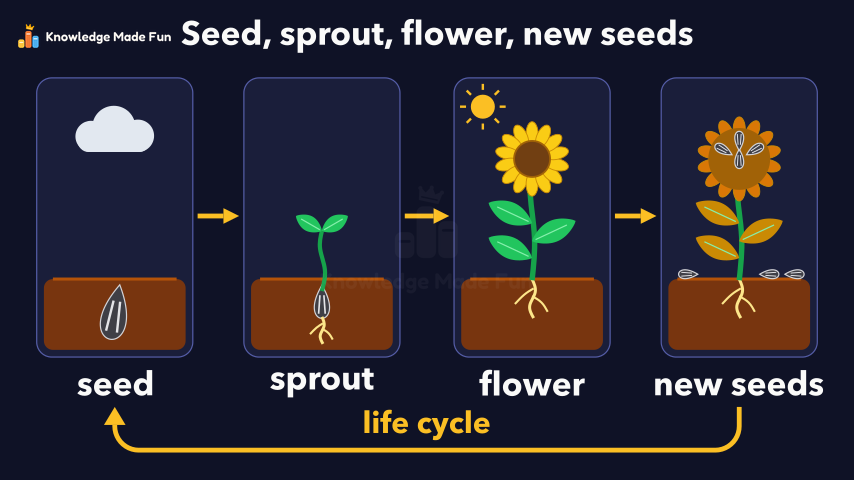
A Sunflower's Life Cycle: Seed, Sprout, Flower, Seed
Kindergarten · 1 min 3 s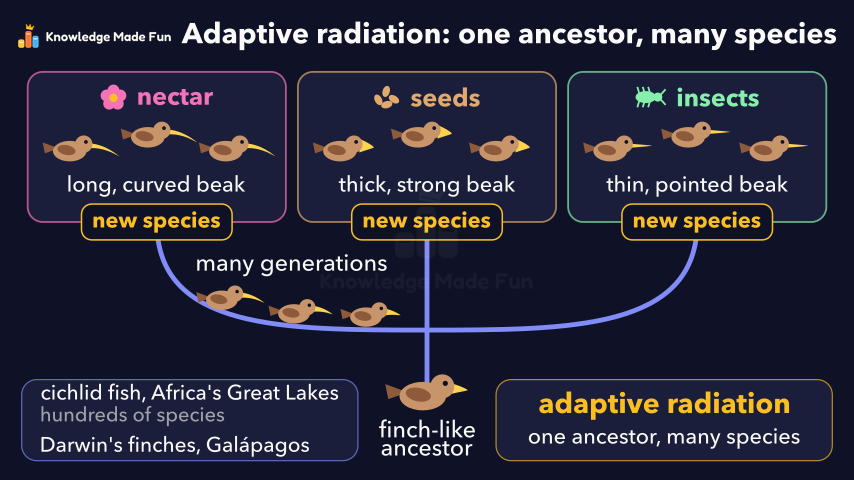 1 min 48 s
Adaptive radiation: one ancestor, many species
Grade 10 · 1 min 48 s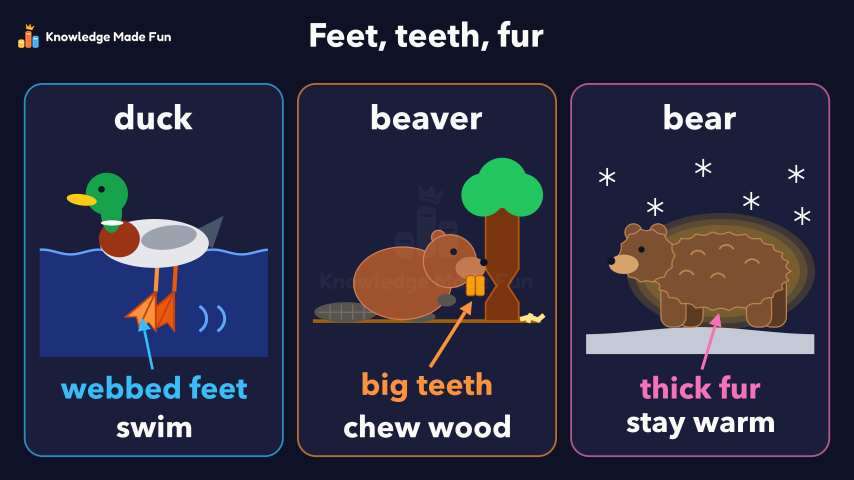 52 s
Animal Bodies That Help Them Live: Feet, Teeth and Fur
Kindergarten · 52 s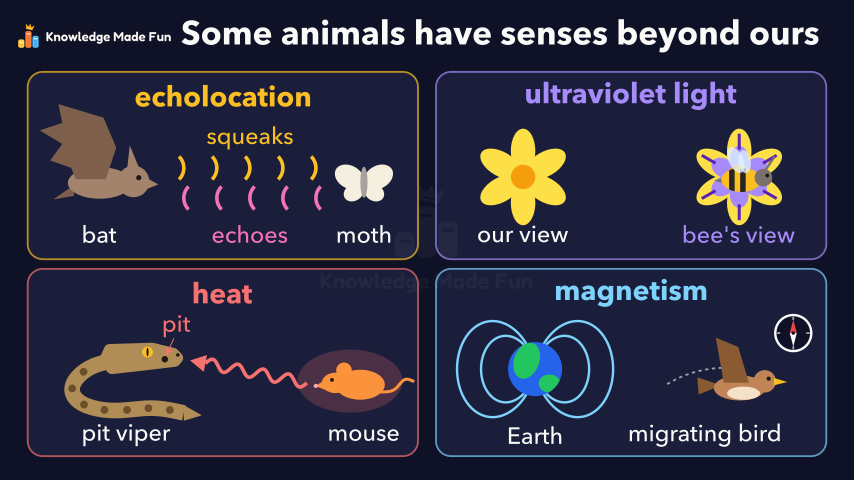 1 min 3 s
Animal senses beyond ours: echolocation, ultraviolet light, heat and magnetism
Grade 4 · 1 min 3 s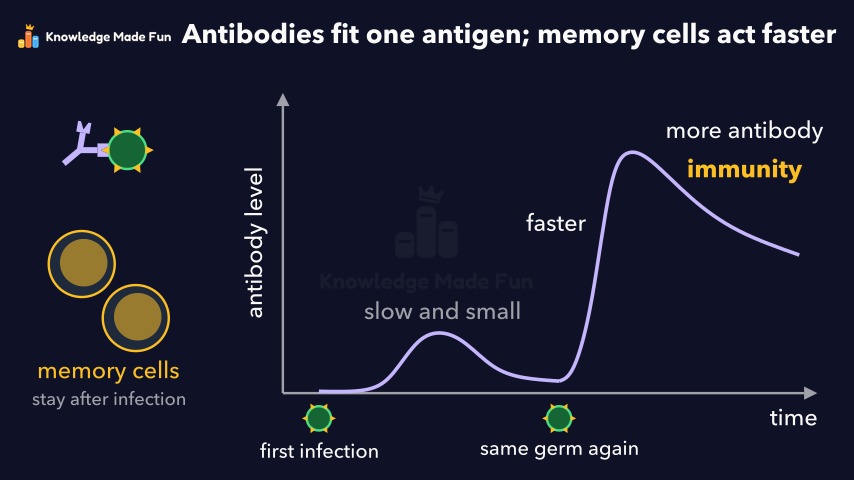 1 min 44 s
Antibodies and Memory Cells: The Body's Targeted Defence
Grade 8 · 1 min 44 s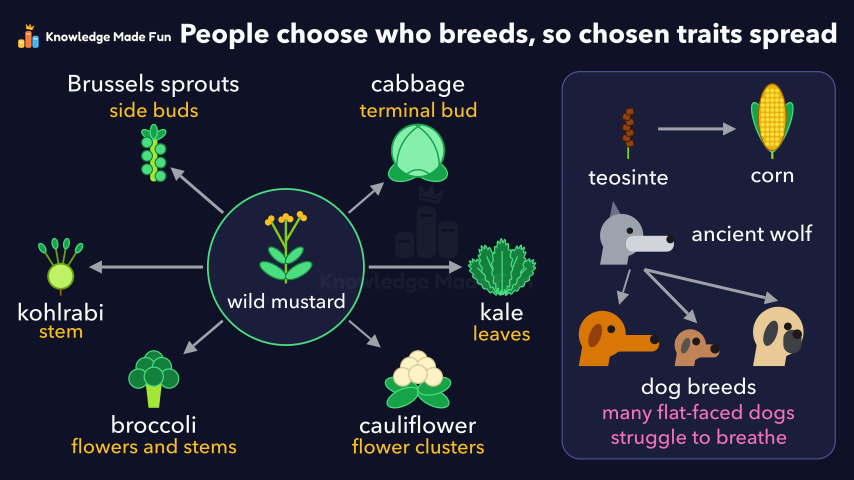 1 min 44 s
Artificial selection: people choose the traits
Grade 10 · 1 min 44 s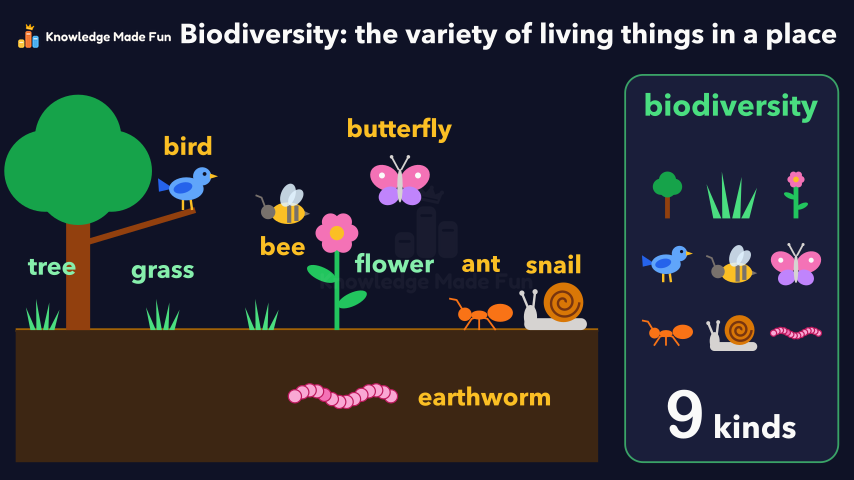 1 min 4 s
Biodiversity: The Variety of Living Things
Grade 3 · 1 min 4 s 1 min 8 s
Biomes: Sorted by Temperature and Precipitation
Grade 4 · 1 min 8 s
- All Grade 10 Science lessons
- Create a free account to watch three lessons a day, no payment and no card.