Lesson · Grade 10 · Science
Mutagens and Carcinogens: What Damages DNA
- Grade 10
- Science
- 1 min 46 s
- British Columbia
- BC10-SC-10
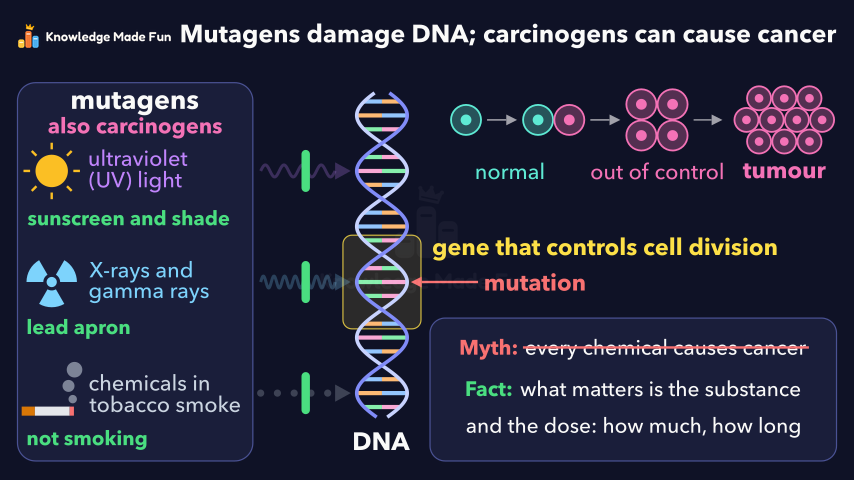
A labelled diagram builds up around one strand of DNA as three common mutagens hit it: ultraviolet light, X-rays and gamma rays, and chemicals in tobacco smoke. Cells repair two of the three damage spots, and the third becomes a mutation in a gene that controls cell division. The video then shows cells dividing out of control into a tumour, explains that a carcinogen can cause cancer, shields each mutagen with sunscreen and shade, a lead apron and not smoking, and corrects the myth that every chemical causes cancer: the substance and the dose matter.
Anyone can watch two lessons on the website without an account. Signing in is free, no payment and no card, and opens three a day; Plus has no limit.
Loading
In one sentence
The question this lesson answers
What can damage the DNA in your cells, and why does it matter?
The genetic code is the order of the bases, which pair up to form the rungs.
Transcript
What the lesson says
What can damage the DNA in your cells, and why does it matter?
The genetic code is the order of the bases, which pair up to form the rungs.
A gene is a short section of DNA that codes for a protein.
A mutagen is anything that raises the rate of DNA damage.
Ultraviolet light, or UV, is part of sunlight and can damage DNA in skin cells.
X-rays and gamma rays carry enough energy to break DNA strands.
Some chemicals in tobacco smoke can react with DNA and damage it.
Cells repair most damage, but damage left unfixed can become a mutation, a change in the order of the bases.
A carcinogen is anything that can cause cancer, and all three of these are carcinogens.
Many carcinogens damage genes that control when a cell divides.
Normally, a cell divides only when new cells are needed.
A mutation in one of these genes can make cells divide out of control.
The extra cells form a lump called a tumour, and a tumour that can spread is cancer.
You can lower the risk: sunscreen and shade for UV, a lead apron that absorbs X-rays, and not smoking.
But it is a myth that every chemical causes cancer.
What matters is the substance and the dose: how much gets into the body, and for how long.
So, mutagens raise the rate of DNA damage, and carcinogens can cause cancer.
Curriculum
Where this fits
- British Columbia, Grade 10
Science 10, Biology: mechanisms for the diversity of life: mutation and its impact on evolutionBC10-SC-10
Previous: Mutations: DNA Changes That Help, Harm or Do NothingNext: Selection pressure: what decides which traits spread
The outcomes and strands follow the British Columbia curriculum.
Keep going
 1 min 3 s
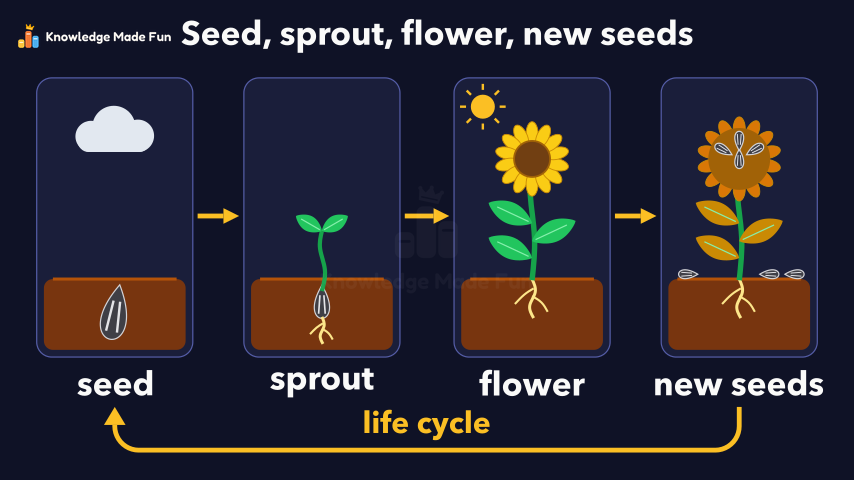
A Sunflower's Life Cycle: Seed, Sprout, Flower, Seed
Kindergarten · 1 min 3 s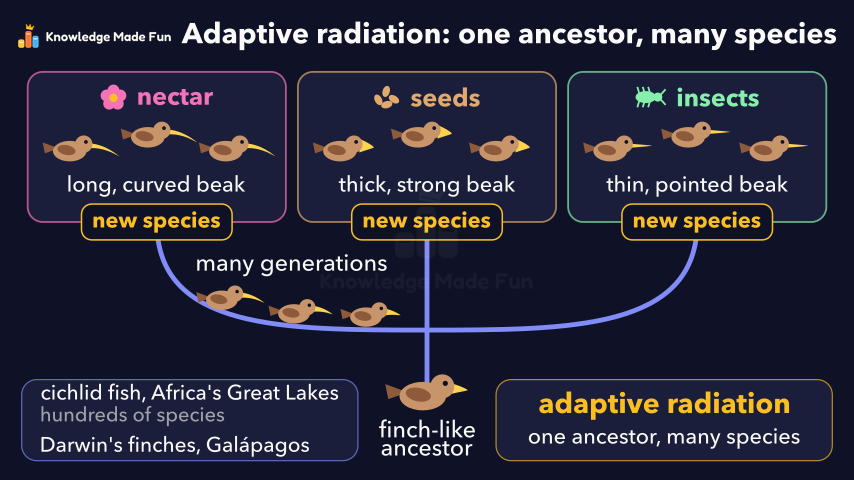 1 min 48 s
Adaptive radiation: one ancestor, many species
Grade 10 · 1 min 48 s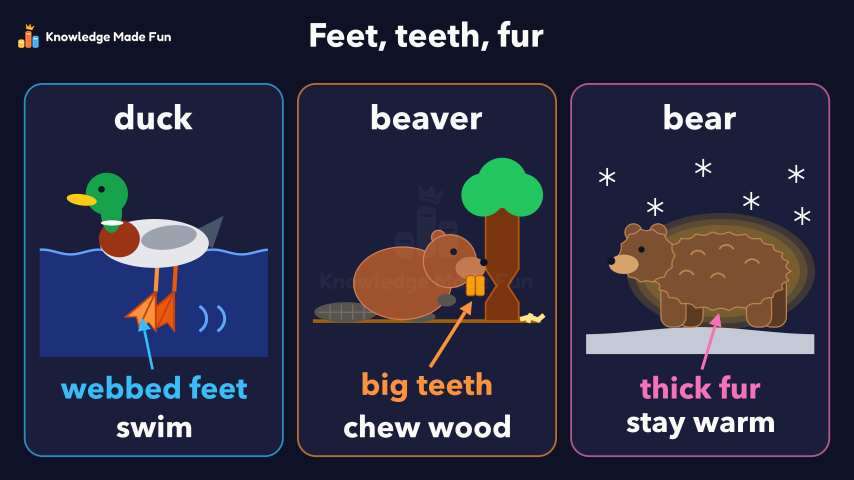 52 s
Animal Bodies That Help Them Live: Feet, Teeth and Fur
Kindergarten · 52 s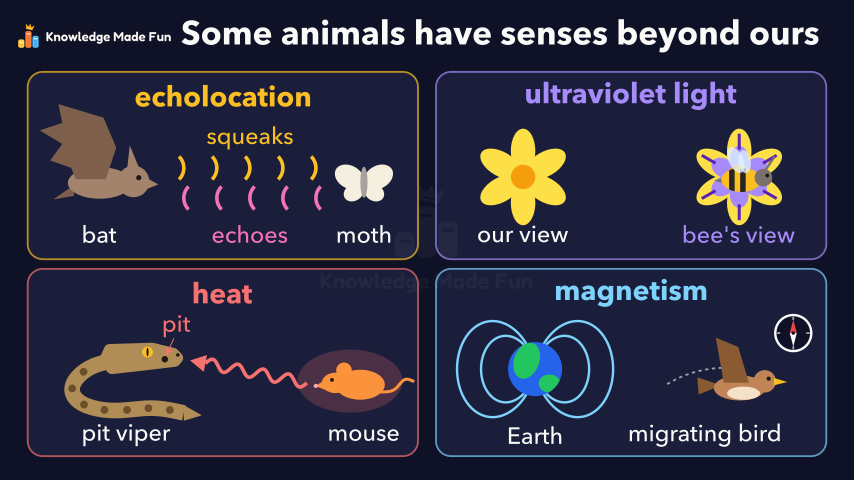 1 min 3 s
Animal senses beyond ours: echolocation, ultraviolet light, heat and magnetism
Grade 4 · 1 min 3 s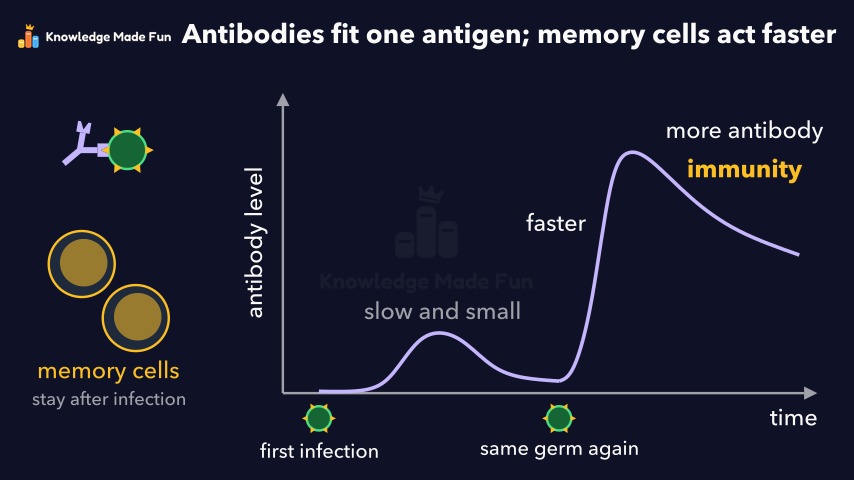 1 min 44 s
Antibodies and Memory Cells: The Body's Targeted Defence
Grade 8 · 1 min 44 s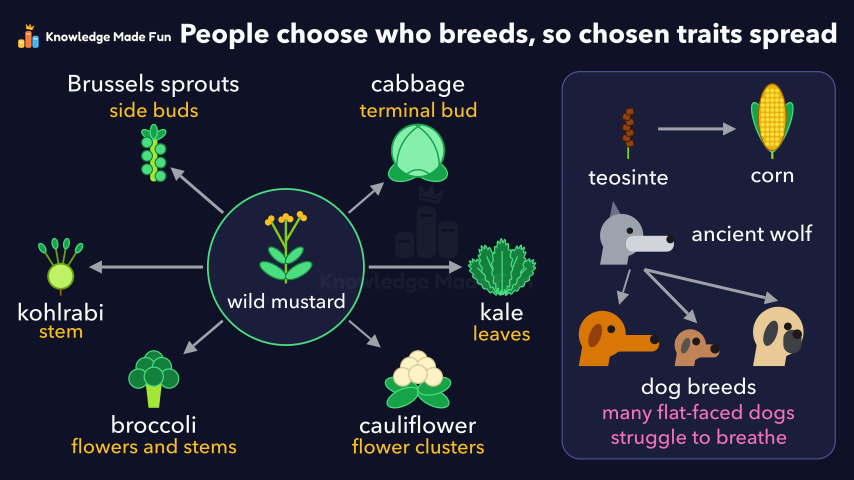 1 min 44 s
Artificial selection: people choose the traits
Grade 10 · 1 min 44 s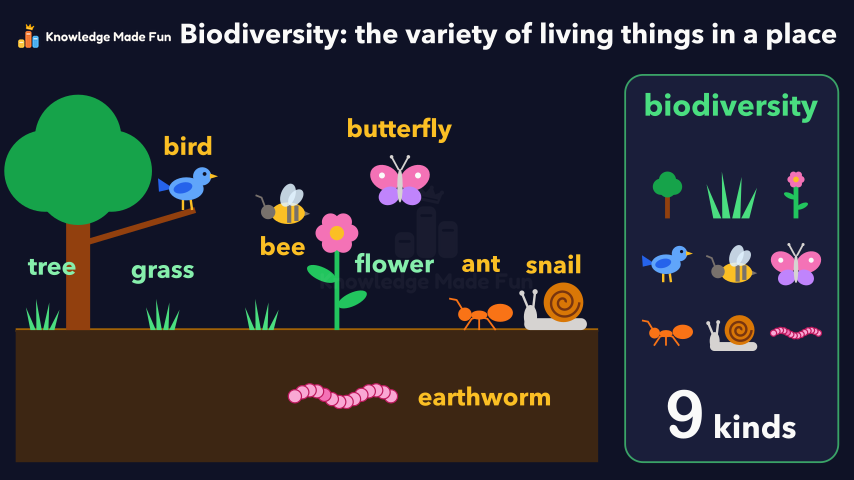 1 min 4 s
Biodiversity: The Variety of Living Things
Grade 3 · 1 min 4 s 1 min 8 s
Biomes: Sorted by Temperature and Precipitation
Grade 4 · 1 min 8 s
- All Grade 10 Science lessons
- Create a free account to watch three lessons a day, no payment and no card.