Lesson · Grade 4 · Science
Biomes: Sorted by Temperature and Precipitation
- Grade 4
- Science
- 1 min 8 s
- British Columbia
- BC4-SC-04
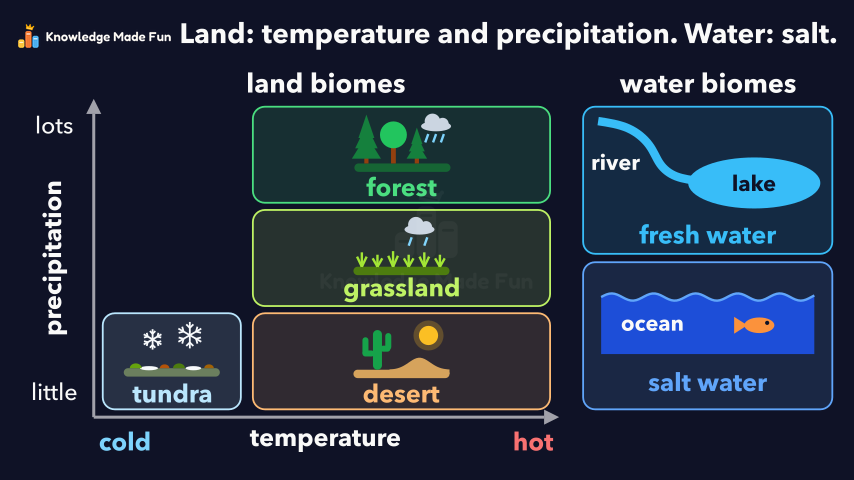
Pictures of four places move one at a time onto a chart of temperature (cold to hot) and precipitation (little to lots): the tundra is cold with little rain or snow, and in warmer places very little rain makes a desert, more rain a grassland and lots of rain a forest. A panel beside the chart then adds the water biomes, grouped by salt into fresh water (lakes and rivers) and salt water (oceans), and the video ends on a one-line recap.
Concept: Biomes: regions grouped by temperature and precipitation
Anyone can watch two lessons on the website without an account. Signing in is free, no payment and no card, and opens three a day; Plus has no limit.
Loading
In one sentence
The question this lesson answers
What is a biome?
A biome is a large region where the climate and the living things are alike.
Transcript
What the lesson says
What is a biome?
A biome is a large region where the climate and the living things are alike.
Land biomes are grouped by temperature, from cold to hot.
They are also grouped by precipitation, like rain and snow.
The tundra is very cold, with little rain or snow.
A desert gets very little rain.
Both are dry, but the tundra is much colder.
A grassland gets more rain, enough for lots of grass.
A forest gets lots of rain, enough for many trees.
Tundra, desert, grassland and forest are land biomes.
Water biomes are grouped by how salty the water is.
Lakes and rivers are fresh water biomes.
Oceans are salt water biomes.
Land biomes are grouped by temperature and precipitation, and water biomes by salt.
Curriculum
Where this fits
- British Columbia, Grade 4
Science, Biology: biomes as large regions with similar environmental featuresBC4-SC-04
Previous: How Plants Respond to Light, Gravity, Touch and Water
The outcomes and strands follow the British Columbia curriculum.
Keep going
 1 min 3 s
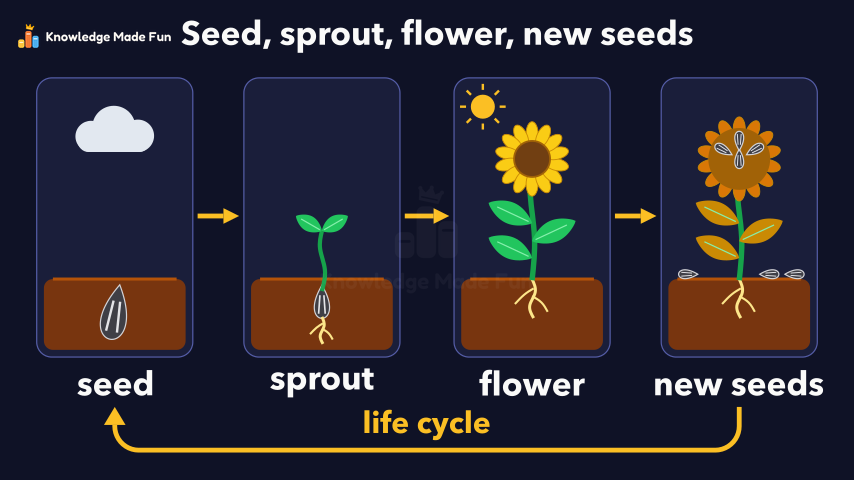
A Sunflower's Life Cycle: Seed, Sprout, Flower, Seed
Kindergarten · 1 min 3 s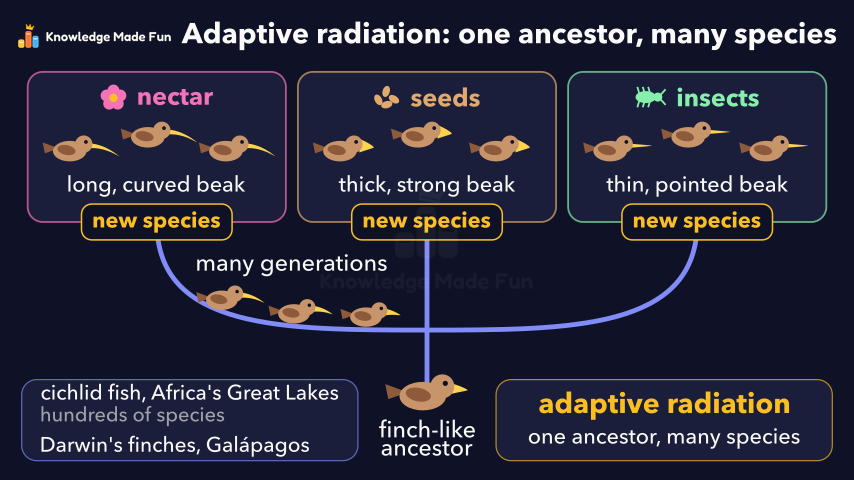 1 min 48 s
Adaptive radiation: one ancestor, many species
Grade 10 · 1 min 48 s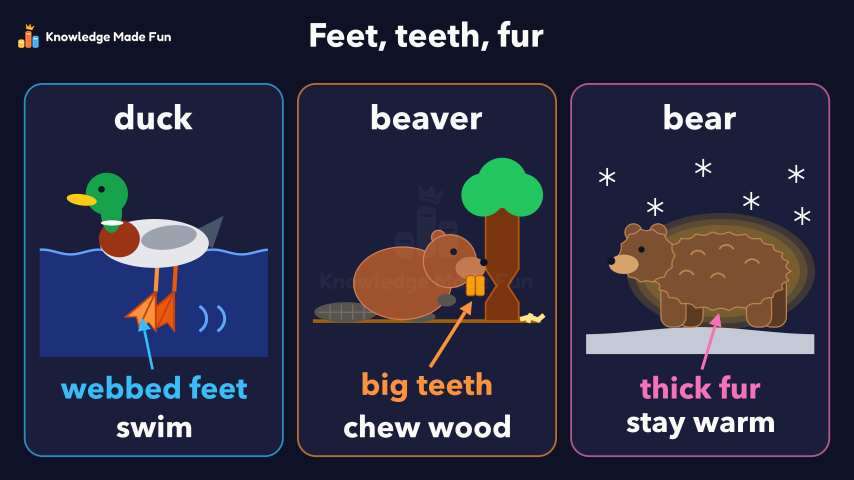 52 s
Animal Bodies That Help Them Live: Feet, Teeth and Fur
Kindergarten · 52 s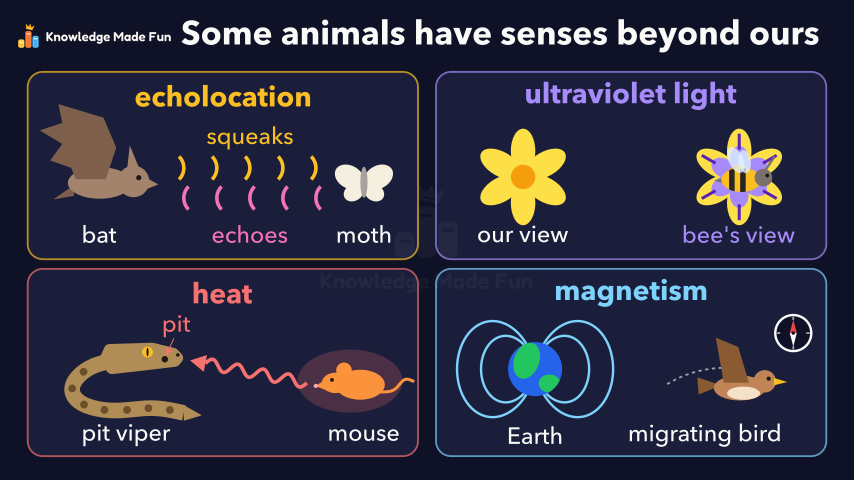 1 min 3 s
Animal senses beyond ours: echolocation, ultraviolet light, heat and magnetism
Grade 4 · 1 min 3 s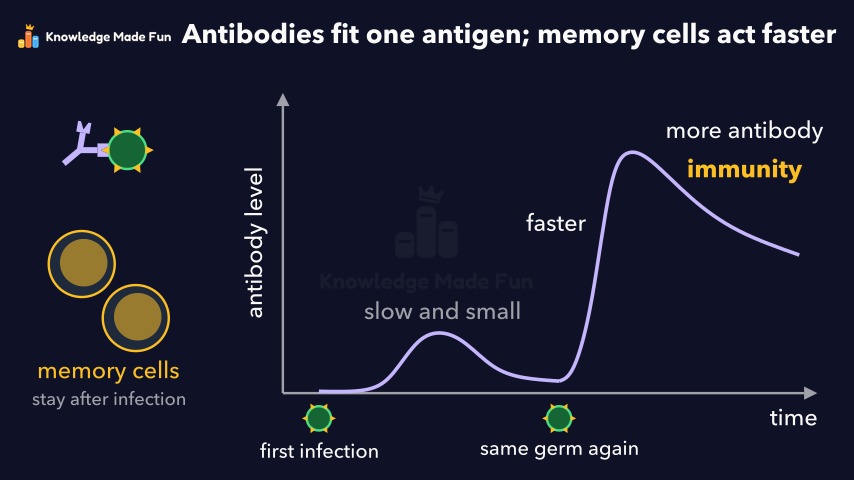 1 min 44 s
Antibodies and Memory Cells: The Body's Targeted Defence
Grade 8 · 1 min 44 s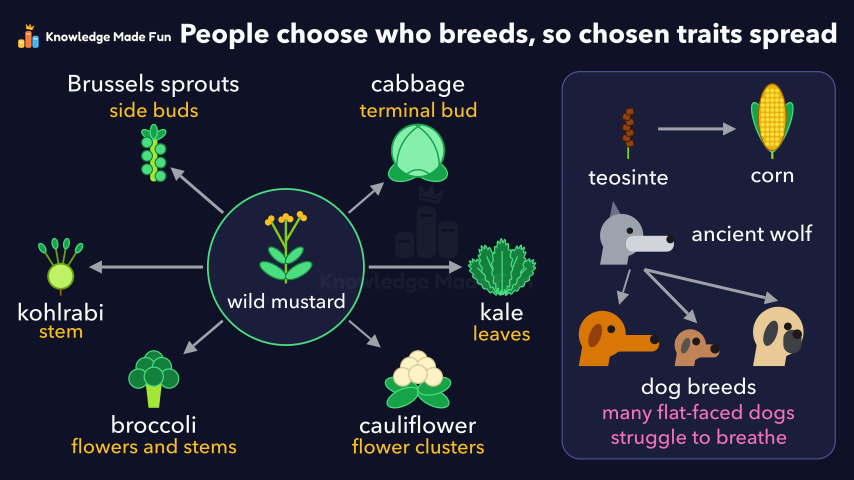 1 min 44 s
Artificial selection: people choose the traits
Grade 10 · 1 min 44 s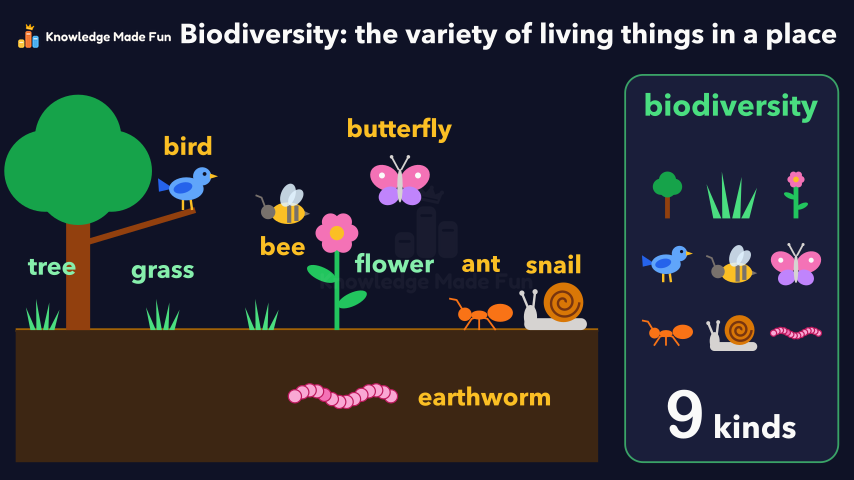 1 min 4 s
Biodiversity: The Variety of Living Things
Grade 3 · 1 min 4 s 1 min 6 s
Bones and Muscles: How Muscles Pull in Pairs
Grade 5 · 1 min 6 s
- All Grade 4 Science lessons
- Create a free account to watch three lessons a day, no payment and no card.