Lesson · Grade 10 · Science
Artificial selection: people choose the traits
- Grade 10
- Science
- 1 min 44 s
- British Columbia
- BC10-SC-13
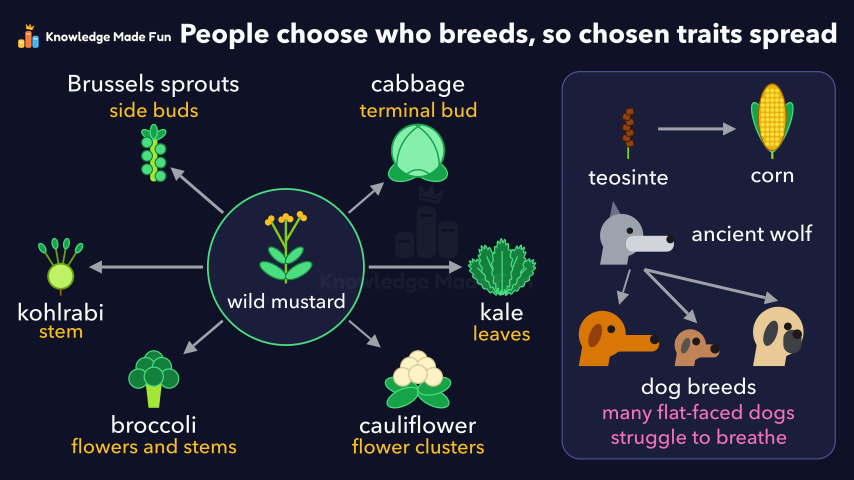
One wild plant, wild mustard, becomes six vegetables because farmers bred it for different parts, and a worked kale example shows the steps: plants vary, people choose which ones breed, and offspring inherit the trait over many generations. The video compares this with natural selection, adds corn from teosinte and dog breeds from wolves, and explains that breeders choose from variation already there, sometimes causing problems such as flat-faced dogs that struggle to breathe.
Anyone can watch two lessons on the website without an account. Signing in is free, no payment and no card, and opens three a day; Plus has no limit.
Loading
In one sentence
The question this lesson answers
How did one wild plant become six very different vegetables?
They all come from wild mustard, also called wild cabbage.
Transcript
What the lesson says
How did one wild plant become six very different vegetables?
They all come from wild mustard, also called wild cabbage.
Plants differ in their traits, features passed from parents to offspring. These differences are called variation.
In artificial selection, people choose who breeds. Farmers picked the plants with the biggest leaves.
Their offspring inherit the trait, so they have bigger leaves on average.
Repeat this for many generations, and the leaves get bigger and bigger. The result is kale.
Choosing a big terminal bud, the bud at the tip, gave cabbage. Big side buds gave Brussels sprouts.
A thick stem gave kohlrabi, flowers and stems gave broccoli, and flower clusters gave cauliflower.
All six are still one species. People simply chose different traits.
Breeders do not create new genes. They choose from variation that is already there.
Artificial selection works like natural selection, but people do the choosing instead of the environment.
People bred teosinte, a wild grass with a few hard seeds, into corn.
Ancient wolves were bred into dog breeds with many sizes and face shapes.
But this can cause problems: many flat-faced dogs, like pugs, struggle to breathe.
In artificial selection, people choose which individuals breed, so the traits they choose spread.
Curriculum
Where this fits
- British Columbia, Grade 10
Science 10, Biology: mechanisms for the diversity of life: natural selection and artificial selectionBC10-SC-13
Previous: Adaptive radiation: one ancestor, many speciesNext: Monoculture and Polyculture: Why Food Crops Need Variety
- British Columbia, Grade 11
Life Sciences 11, Evolution and genetics: artificial selection and genetic modificationsBC11-SC-166
Previous: Fossils and Transitional Forms: Evidence for MacroevolutionNext: Genetic Engineering: Moving a Gene into Another Organism
This lesson is also listed in Grade 11.
The outcomes and strands follow the British Columbia curriculum.
Keep going
 1 min 3 s
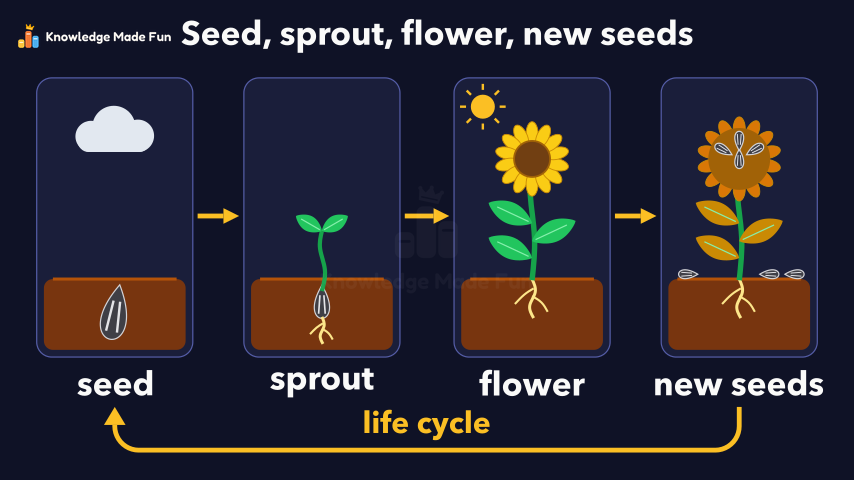
A Sunflower's Life Cycle: Seed, Sprout, Flower, Seed
Kindergarten · 1 min 3 s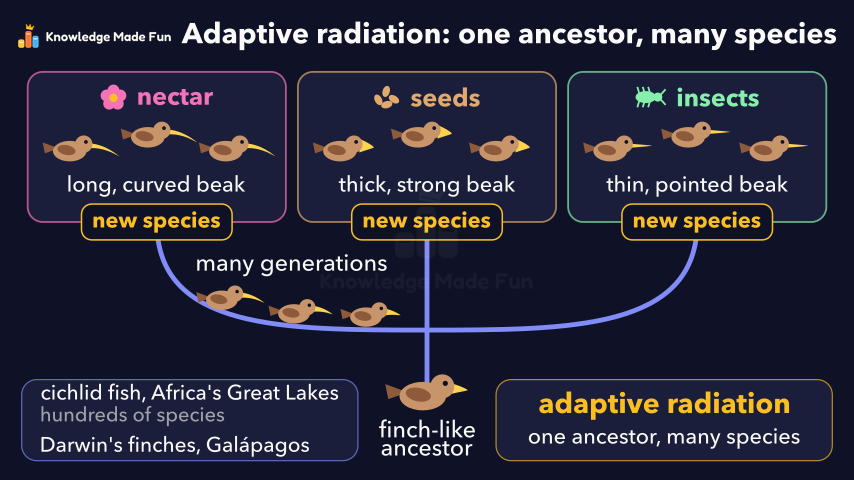 1 min 48 s
Adaptive radiation: one ancestor, many species
Grade 10 · 1 min 48 s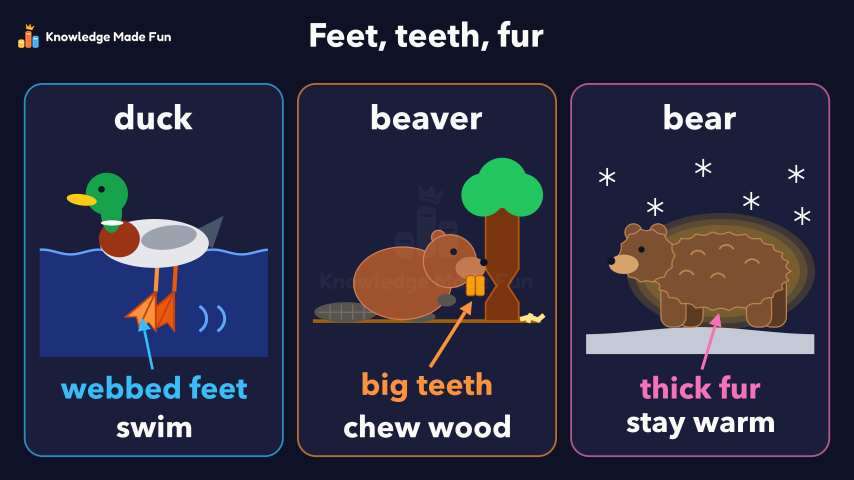 52 s
Animal Bodies That Help Them Live: Feet, Teeth and Fur
Kindergarten · 52 s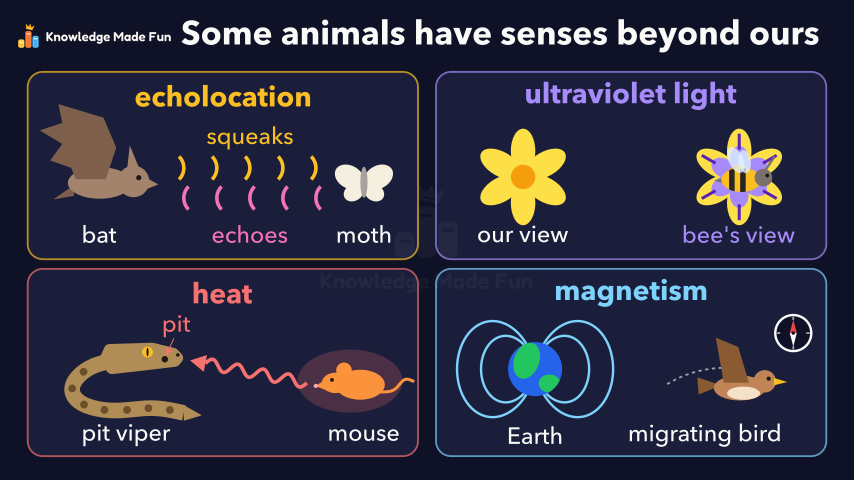 1 min 3 s
Animal senses beyond ours: echolocation, ultraviolet light, heat and magnetism
Grade 4 · 1 min 3 s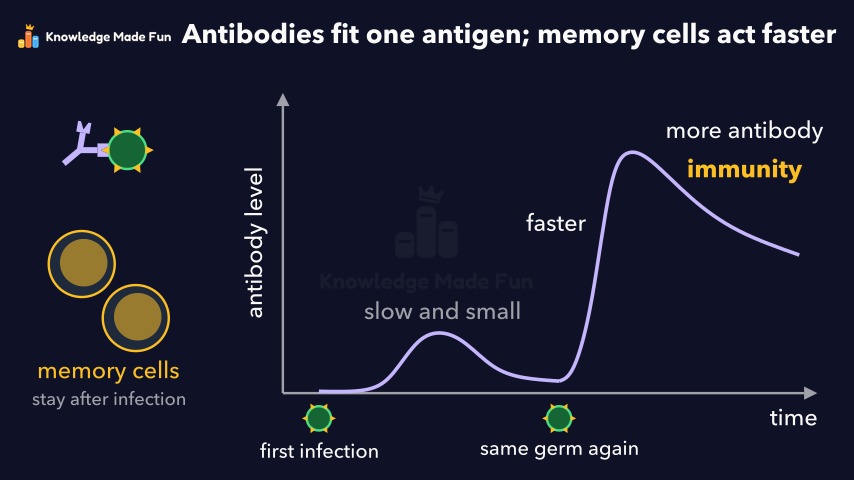 1 min 44 s
Antibodies and Memory Cells: The Body's Targeted Defence
Grade 8 · 1 min 44 s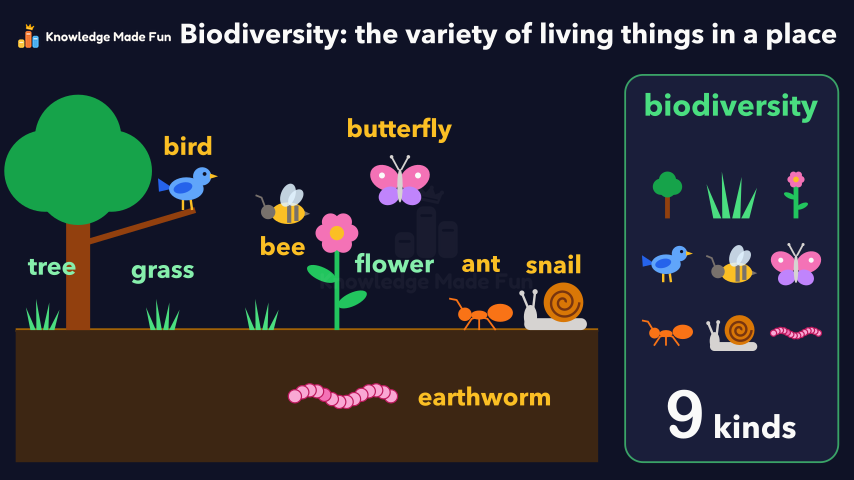 1 min 4 s
Biodiversity: The Variety of Living Things
Grade 3 · 1 min 4 s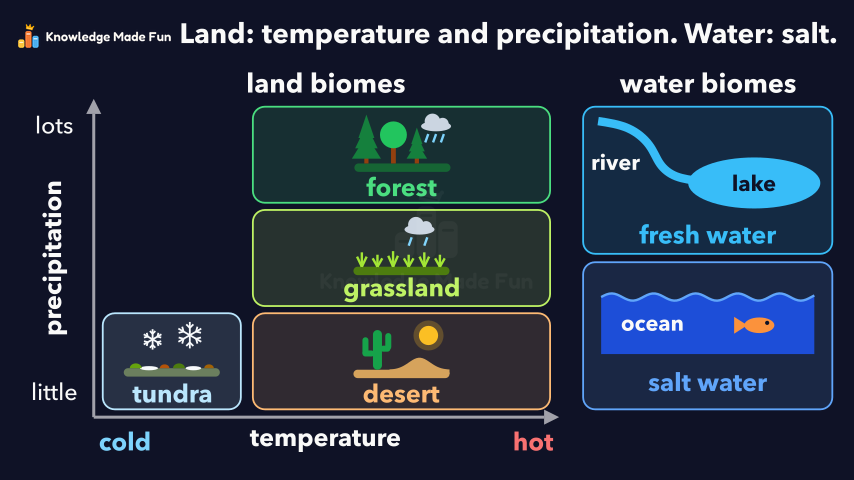 1 min 8 s
Biomes: Sorted by Temperature and Precipitation
Grade 4 · 1 min 8 s 1 min 6 s
Bones and Muscles: How Muscles Pull in Pairs
Grade 5 · 1 min 6 s
- All Grade 10 Science lessons
- Create a free account to watch three lessons a day, no payment and no card.