Lesson · Grade 11 · Life Sciences
Gradualism and Punctuated Equilibrium
- Grade 11
- Life Sciences
- 1 min 58 s
- British Columbia
- BC11-SC-157
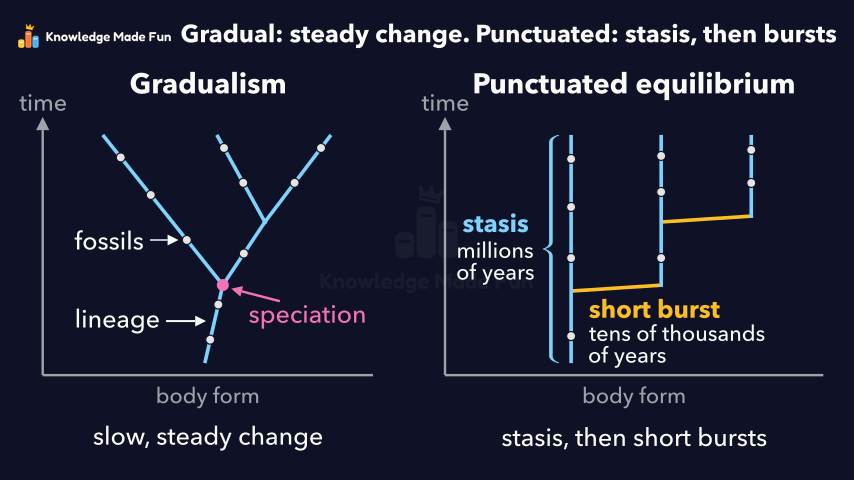
Two branching trees on a time axis compare gradualism, where species change slowly and steadily so the branches slant apart and leave many in-between fossils, with punctuated equilibrium, where long stasis is broken by short bursts of change when a new species branches off. The video explains that a "short" burst can still last tens of thousands of years, and that the fossil record has examples of both.
Anyone can watch two lessons on the website without an account. Signing in is free, no payment and no card, and opens three a day; Plus has no limit.
Loading
In one sentence
The question this lesson answers
Speciation is the formation of new species. But how fast does a new species form?
Time runs upward. Sideways shows body form: the further apart two species are, the more different they look.
Transcript
What the lesson says
Speciation is the formation of new species. But how fast does a new species form?
Time runs upward. Sideways shows body form: the further apart two species are, the more different they look.
The first model is gradualism: species change slowly and steadily, in small steps.
Each line is a lineage: a chain of ancestors and descendants traced through time.
Where a line forks, one species splits into two. This is a speciation event.
Each branch keeps changing at a steady pace, so the lines slant and slowly spread apart.
Gradualism is the classic view of neo-Darwinism, which joins Darwin's natural selection with genetics.
If change is gradual, rocks should hold many fossils of in-between forms.
The second model, proposed in 1972, is punctuated equilibrium.
In this model, a species barely changes for millions of years at a time. This is called stasis.
When a new species branches off, most of its change happens in a short burst.
Equilibrium means the long calm; punctuated means the calm is interrupted by bursts.
Short means short in geological time: a burst can still last tens of thousands of years.
Bursts leave few fossils of in-between forms, so new species seem to appear suddenly in the rocks.
Which model is right? Both happen, and the fossil record has examples of each.
Gradualism is slow, steady change; punctuated equilibrium is long stasis broken by short bursts.
Curriculum
Where this fits
- British Columbia, Grade 11
Life Sciences 11, Evolution and genetics: macroevolution: speciationBC11-SC-157
Previous: How New Species Form: Isolation and SpeciationNext: Genetic Drift: Evolution by Chance
- British Columbia, Grade 12
Geology 12, Geologic time: the local and global fossil record: evidence of evolutionBC12-SC-146
This lesson is also listed in Grade 12.
The outcomes and strands follow the British Columbia curriculum.
Keep going
 1 min 39 s
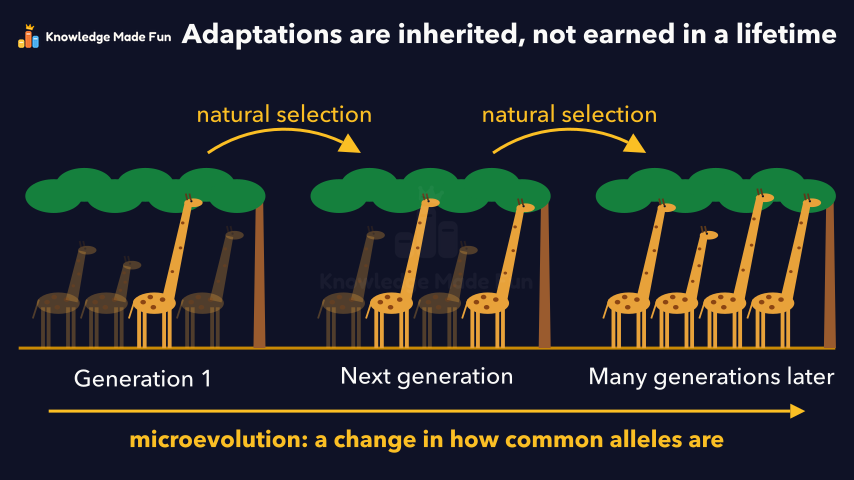
Adaptations Are Inherited, Not Earned in a Lifetime
Grade 11 · 1 min 39 s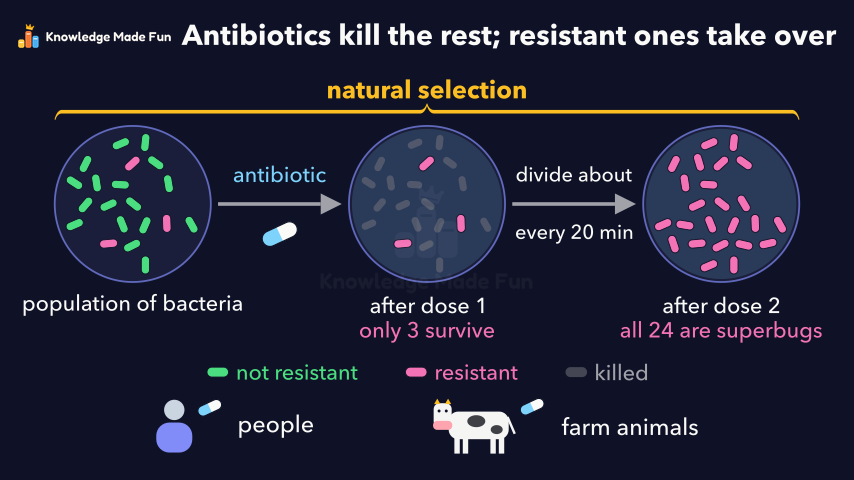 1 min 37 s
Antibiotic resistance: how superbugs evolve
Grade 8 · 1 min 37 s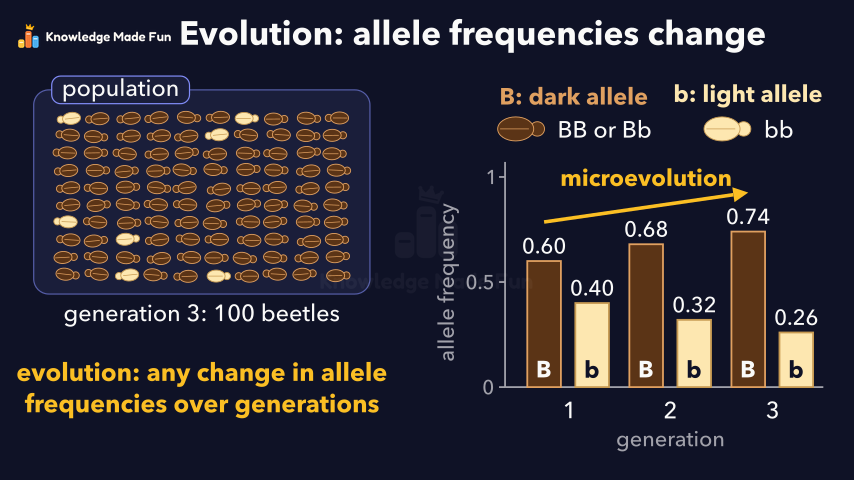 2 min
Evolution as Changing Allele Frequencies
Grade 11 · 2 min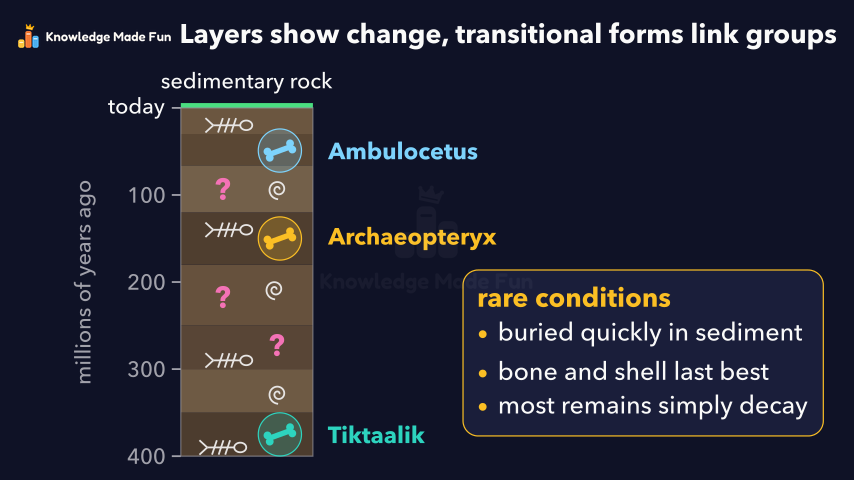 1 min 54 s
Fossils and Transitional Forms: Evidence for Macroevolution
Grade 11 · 1 min 54 s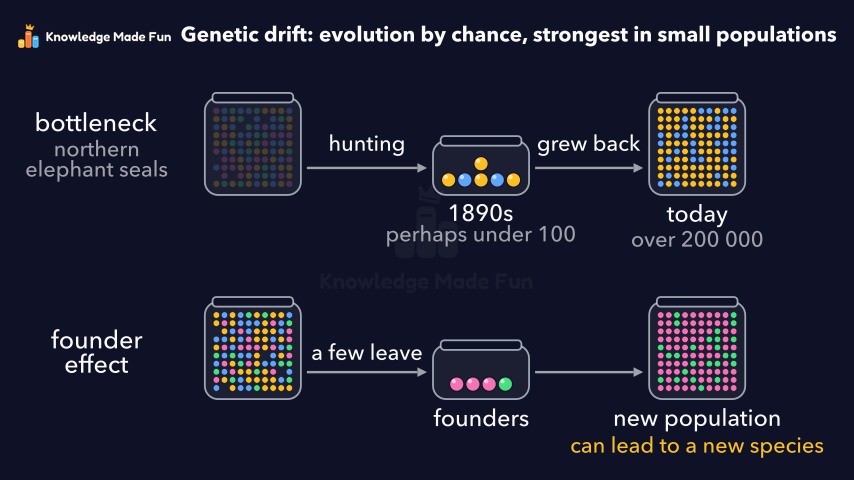 1 min 55 s
Genetic Drift: Evolution by Chance
Grade 11 · 1 min 55 s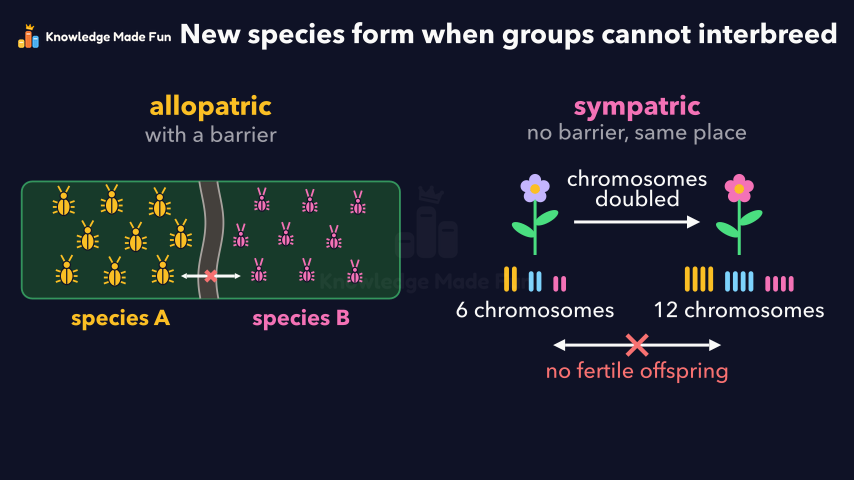 1 min 50 s
How New Species Form: Isolation and Speciation
Grade 11 · 1 min 50 s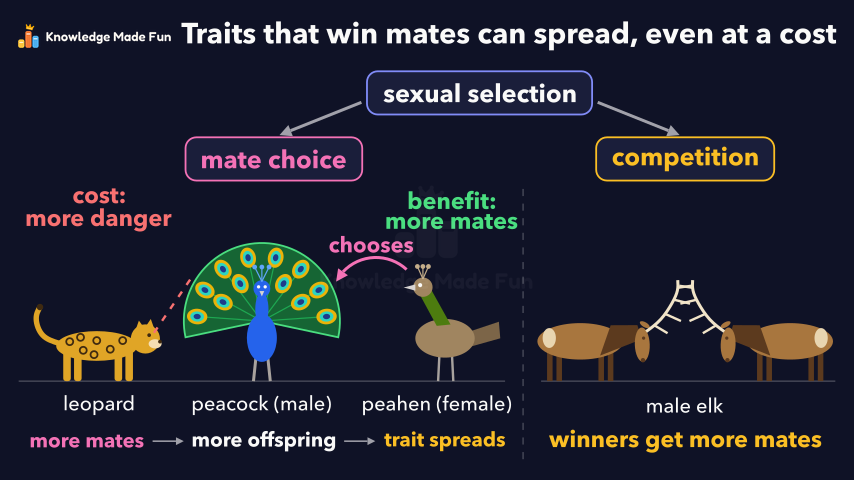 1 min 19 s
Sexual Selection: Traits That Win Mates
Grade 11 · 1 min 19 s 1 min 56 s
Three patterns of natural selection
Grade 11 · 1 min 56 s
- All Grade 11 Life Sciences lessons
- Create a free account to watch three lessons a day, no payment and no card.