Lesson · Grade 11 · Life Sciences
How New Species Form: Isolation and Speciation
- Grade 11
- Life Sciences
- 1 min 50 s
- British Columbia
- BC11-SC-156
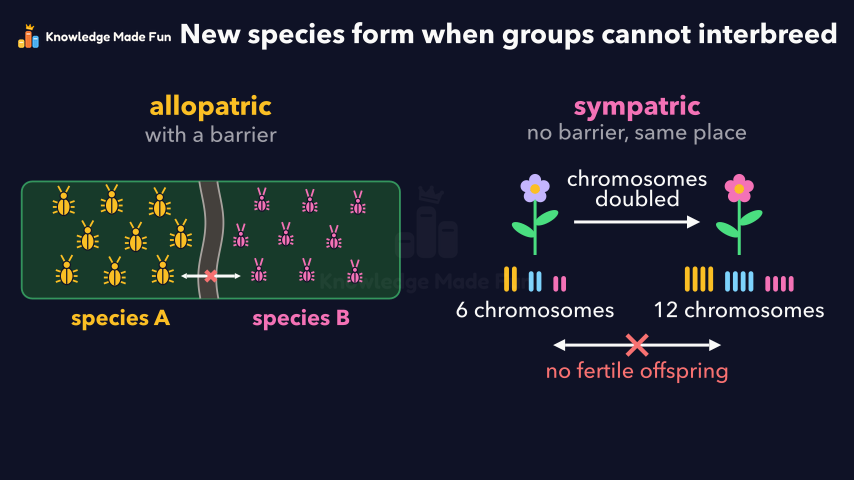
A beetle population is split by a river, and each half changes separately over many generations through its own mutations and natural selection. When the river dries up, the two groups can no longer interbreed, so one species has become two (allopatric speciation). A short plant example then shows sympatric speciation, where doubling the chromosomes from 6 to 12 can make a new species in one generation.
Anyone can watch two lessons on the website without an account. Signing in is free, no payment and no card, and opens three a day; Plus has no limit.
Loading
In one sentence
The question this lesson answers
How does one species split into two new species?
In biology, a species is usually defined as a group whose members can interbreed and have fertile offspring, young that can breed too.
Transcript
What the lesson says
How does one species split into two new species?
In biology, a species is usually defined as a group whose members can interbreed and have fertile offspring, young that can breed too.
This is one population of beetles: members of one species living in one area and breeding together.
A barrier can split a population: a river, a mountain range or a rising sea.
Here, a river splits the population into two halves.
The halves cannot meet, so they stop interbreeding. This is called geographic isolation.
Over many generations, each half changes separately.
Each side gets its own mutations, random changes in DNA, and natural selection favours different traits on each side.
Much later, the river dries up and the groups meet again.
But they can no longer interbreed and have fertile offspring. This is called reproductive isolation.
They are now two separate species.
Forming new species is called speciation. When a barrier causes it, it is allopatric speciation, meaning other homeland.
Without a barrier, in one place, it is called sympatric speciation, meaning same homeland.
In plants, a mistake in cell division can double the chromosomes, for example from 6 to 12.
The new plant usually cannot have fertile offspring with the parent plants, so it can be a new species in one generation.
New species form when groups of one species can no longer interbreed.
Curriculum
Where this fits
- British Columbia, Grade 11
Life Sciences 11, Evolution and genetics: macroevolution: speciationBC11-SC-156
Previous: Three patterns of natural selectionNext: Gradualism and Punctuated Equilibrium
The outcomes and strands follow the British Columbia curriculum.
Keep going
 1 min 39 s
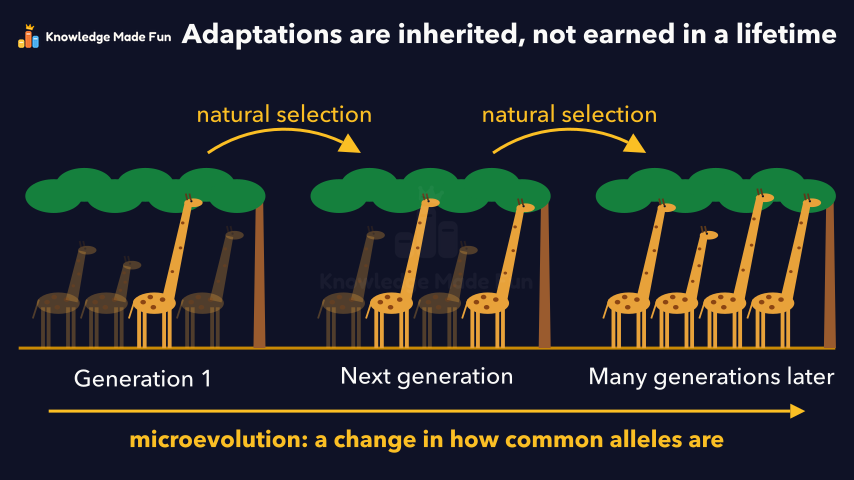
Adaptations Are Inherited, Not Earned in a Lifetime
Grade 11 · 1 min 39 s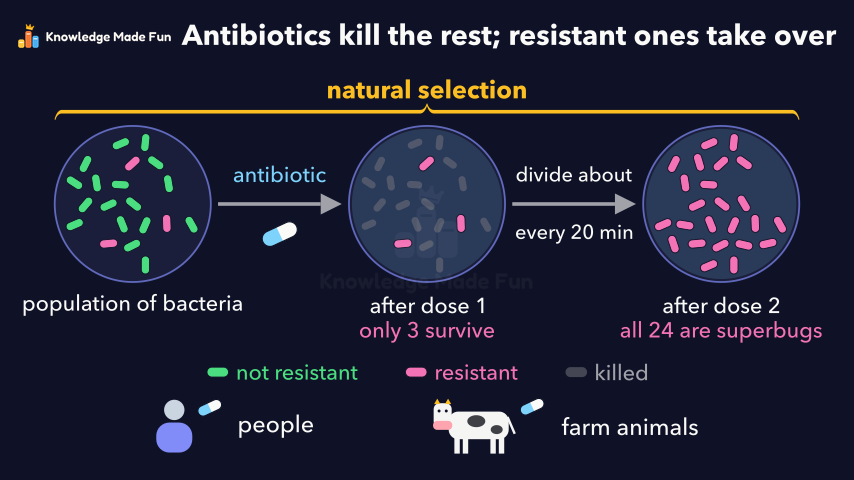 1 min 37 s
Antibiotic resistance: how superbugs evolve
Grade 8 · 1 min 37 s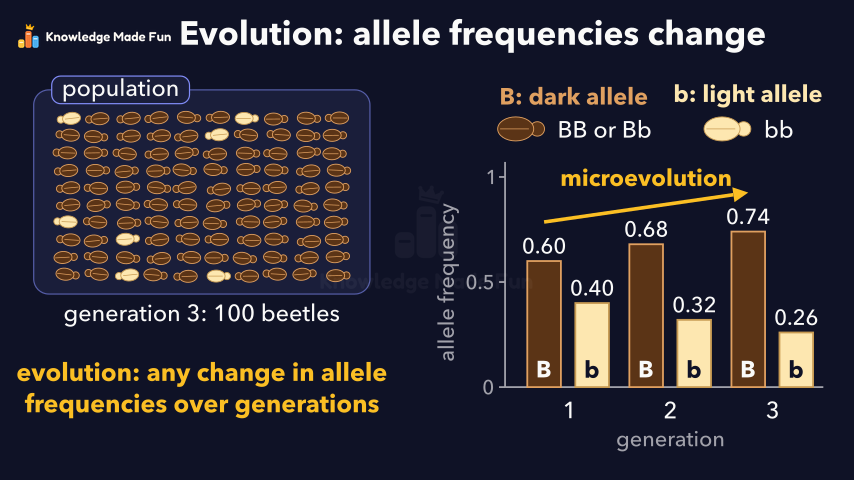 2 min
Evolution as Changing Allele Frequencies
Grade 11 · 2 min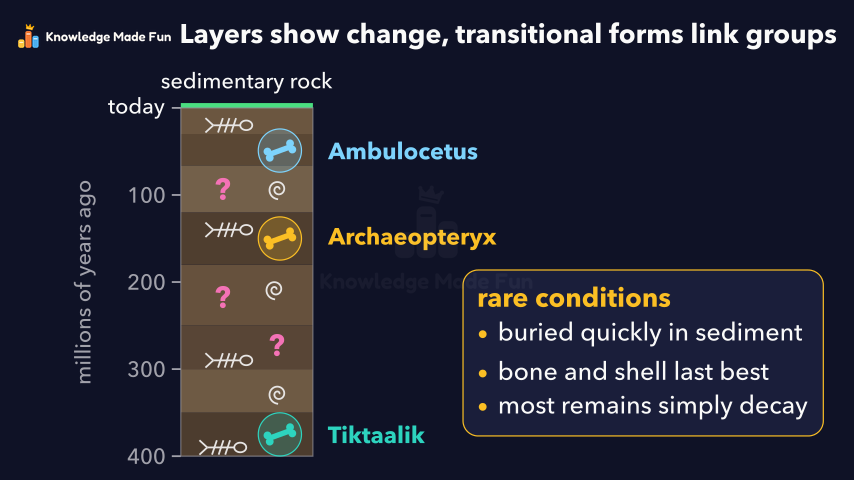 1 min 54 s
Fossils and Transitional Forms: Evidence for Macroevolution
Grade 11 · 1 min 54 s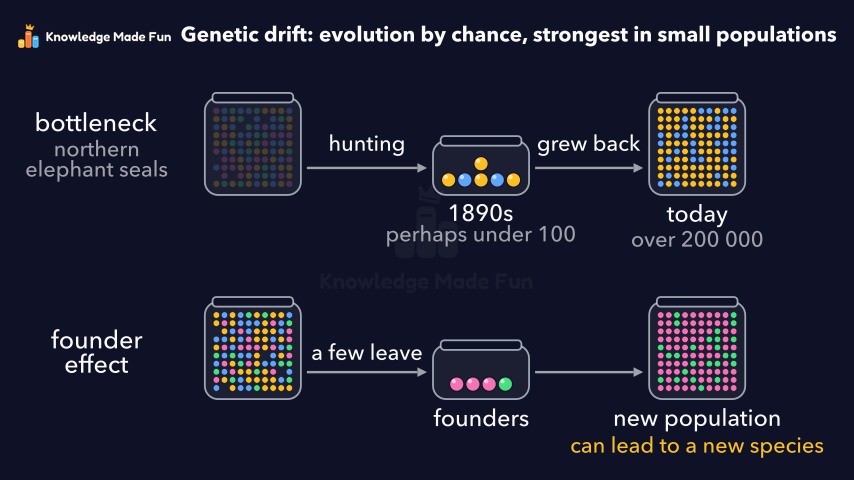 1 min 55 s
Genetic Drift: Evolution by Chance
Grade 11 · 1 min 55 s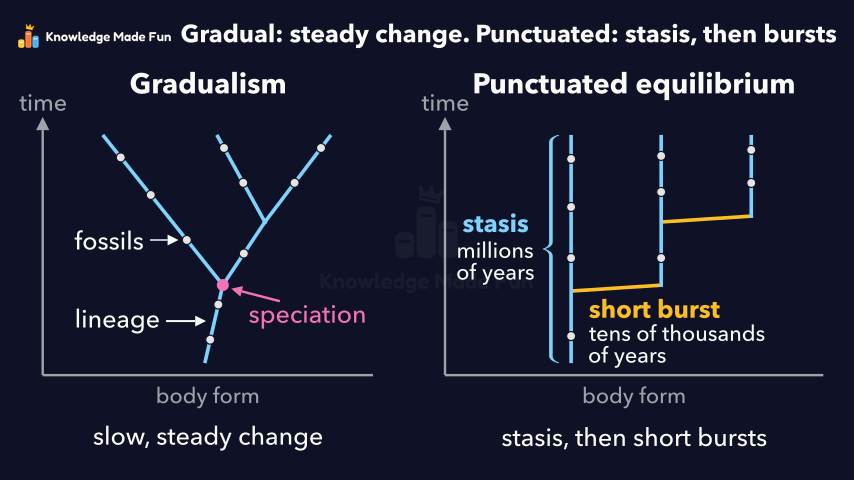 1 min 58 s
Gradualism and Punctuated Equilibrium
Grade 11 · 1 min 58 s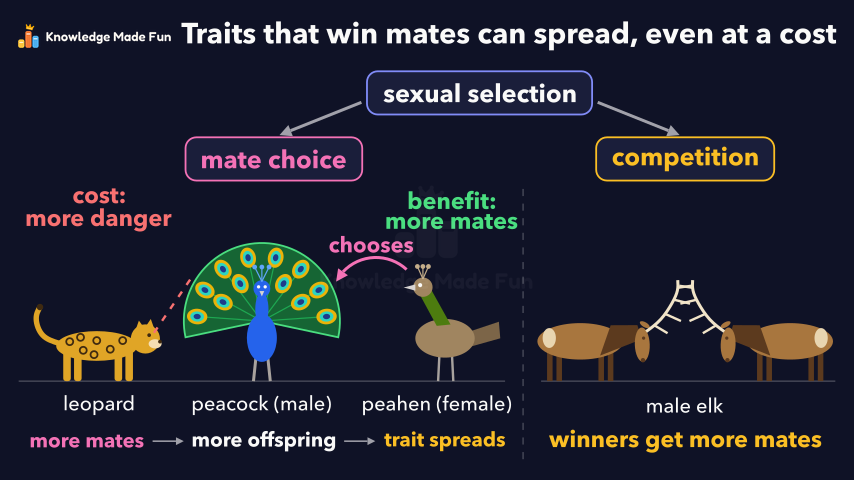 1 min 19 s
Sexual Selection: Traits That Win Mates
Grade 11 · 1 min 19 s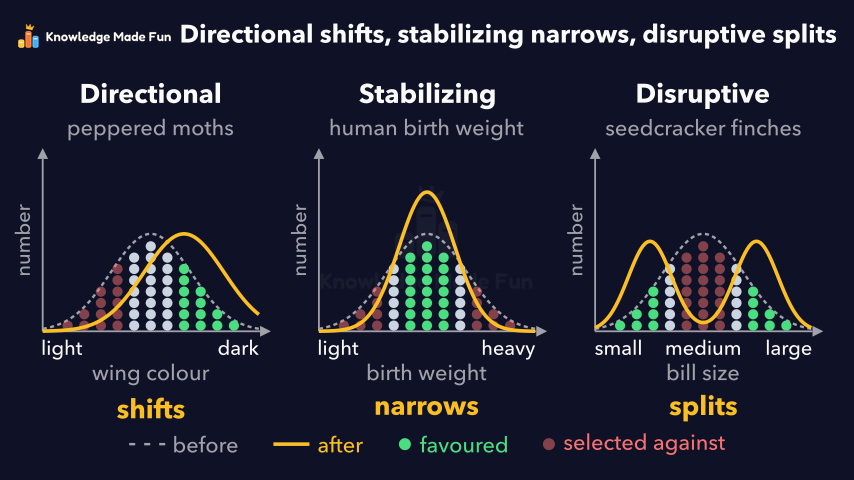 1 min 56 s
Three patterns of natural selection
Grade 11 · 1 min 56 s
- All Grade 11 Life Sciences lessons
- Create a free account to watch three lessons a day, no payment and no card.