Lesson · Grade 9 · Science
The Carbon Cycle: Sources and Sinks
- Grade 9
- Science
- 1 min 54 s
- British Columbia
- BC9-SC-27
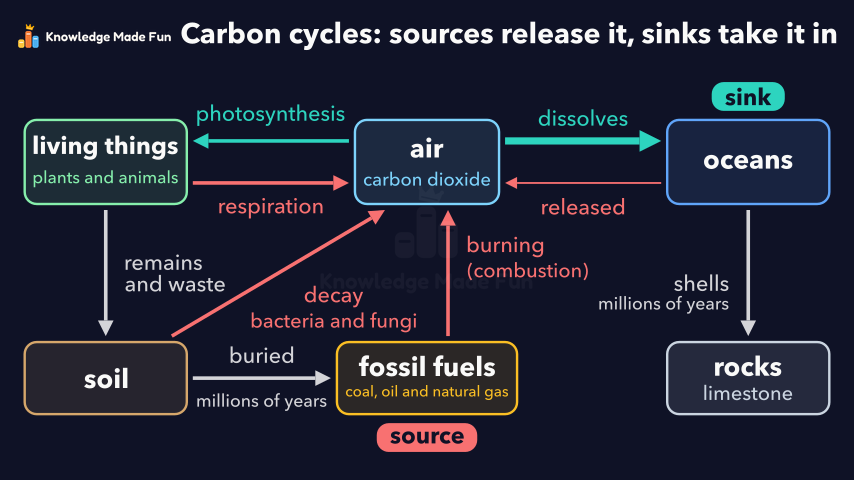
One diagram builds up step by step: six carbon stores (air, living things, soil, oceans, rocks and fossil fuels), linked by labelled arrows for photosynthesis, respiration, decay, dissolving, burning, and the slow locking of carbon in limestone and fossil fuels over millions of years. It then defines a source (burning fossil fuels releases more carbon than it takes in) and a sink (today's oceans take in more than they release), and follows one carbon atom around the cycle to show that carbon is never used up.
Concept: The carbon cycle: sources and sinks of carbon
Anyone can watch two lessons on the website without an account. Signing in is free, no payment and no card, and opens three a day; Plus has no limit.
Loading
In one sentence
The question this lesson answers
Living things take in and give out carbon all the time. Why does it never run out?
Carbon is held in places called stores: the air, living things, soil, oceans, rocks and fossil fuels.
Transcript
What the lesson says
Living things take in and give out carbon all the time. Why does it never run out?
Carbon is held in places called stores: the air, living things, soil, oceans, rocks and fossil fuels.
The carbon cycle is how carbon moves between these stores.
In the air, most carbon is in a gas called carbon dioxide.
Plants take in carbon dioxide and use light to make sugar. This is photosynthesis.
Plants and animals both respire, and respiration releases carbon dioxide into the air.
When living things die, their remains and waste add carbon to the soil.
Decomposers, like bacteria and fungi, break down the remains. This decay releases carbon dioxide.
Carbon dioxide also dissolves in the oceans, and some is released back into the air.
Shells of sea creatures can form limestone rock, locking carbon away for millions of years.
Over millions of years, buried remains can become fossil fuels: coal, oil and natural gas.
Burning fossil fuels, called combustion, releases their carbon as carbon dioxide.
A carbon source releases more carbon than it takes in, like burning fossil fuels.
A carbon sink takes in more carbon than it releases, like the oceans today.
Carbon is never used up: the same atoms keep moving between stores, so the total stays about the same.
So carbon is never used up: it cycles between stores, released by sources and taken in by sinks.
Curriculum
Where this fits
- British Columbia, Grade 9
Science, Earth science: matter cycles within biotic and abiotic components of ecosystemsBC9-SC-27
Previous: The Sun Powers the Water CycleNext: The Nitrogen Cycle: From Air to Living Things
- British Columbia, Grade 11
Earth Sciences 11, Atmosphere and climate: solar radiation interactions and impacts on the energy budgetBC11-SC-74
- British Columbia, Grade 11
Environmental Science 11, Energy and matter cycles: matter cycles through and between living systemsBC11-SC-117
Previous: The Sun Powers the Water CycleNext: The Nitrogen Cycle: From Air to Living Things
- British Columbia, Grade 12
Environmental Science 12, Climate change: changes to climate systemsBC12-SC-96
This lesson is also listed in Grade 11 and Grade 12.
The outcomes and strands follow the British Columbia curriculum.
Keep going
 1 min 51 s
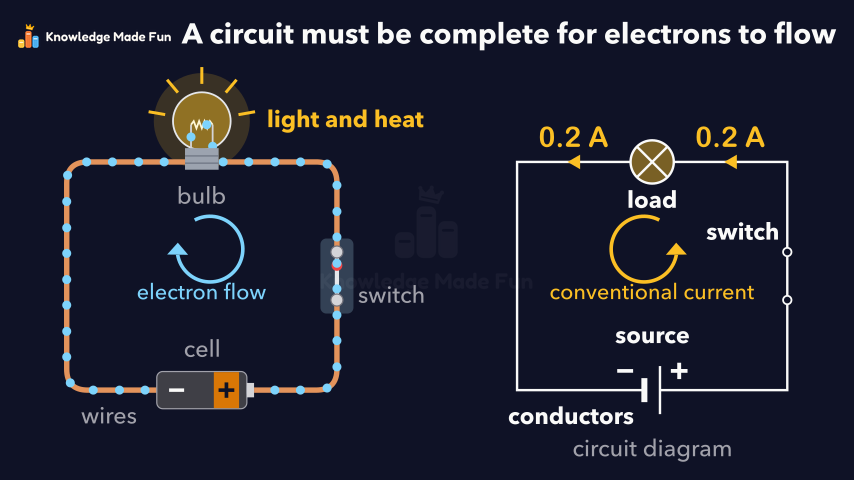
A Complete Circuit: Source, Load, Conductors and Switch
Grade 9 · 1 min 51 s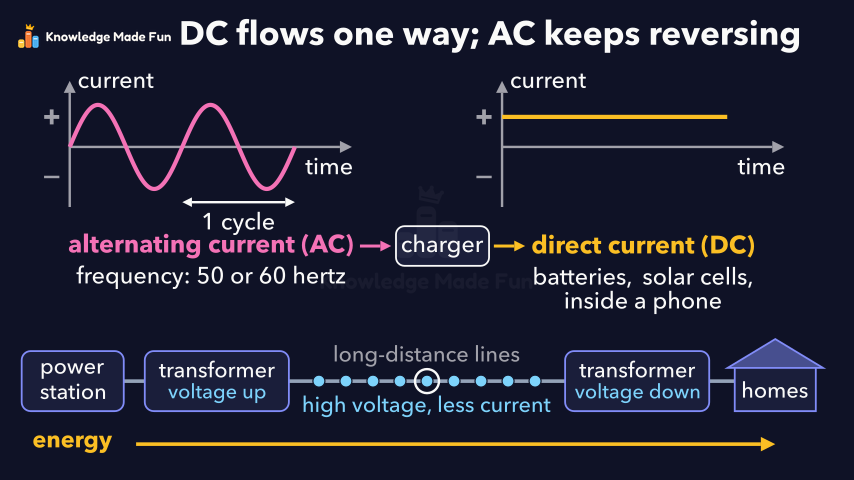 1 min 48 s
AC and DC: Two Ways Current Can Flow
Grade 9 · 1 min 48 s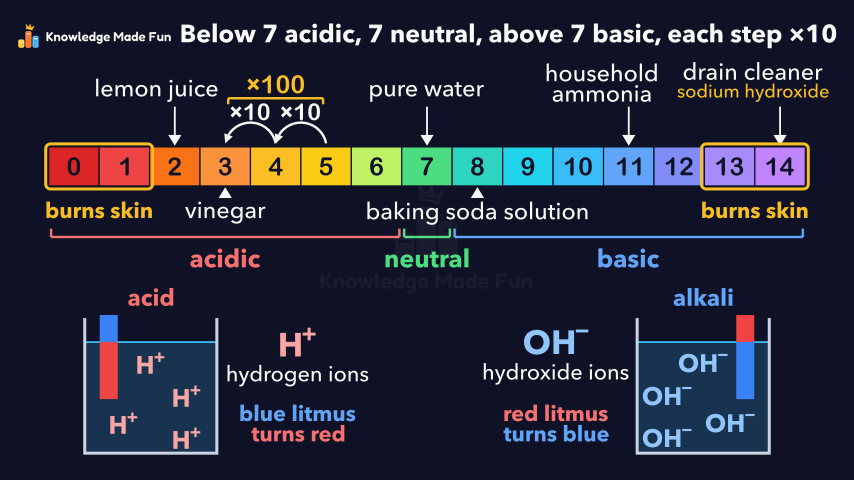 1 min 40 s
Acids and bases: the pH scale
Grade 10 · 1 min 40 s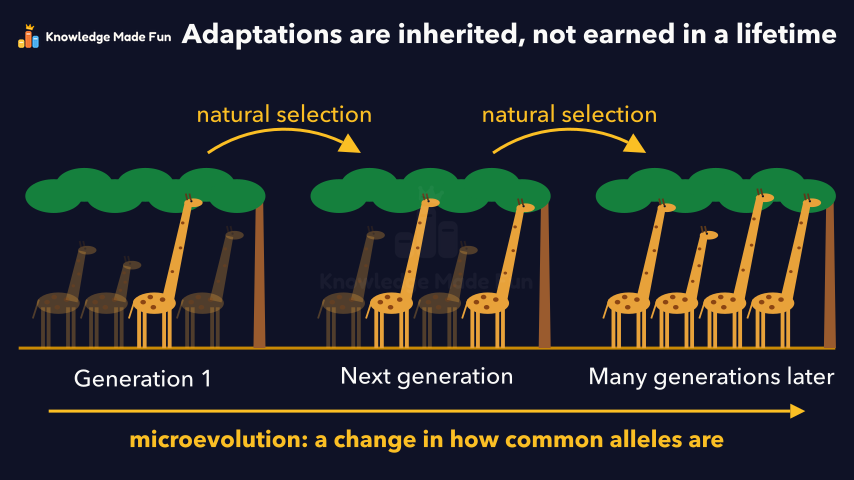 1 min 39 s
Adaptations Are Inherited, Not Earned in a Lifetime
Grade 11 · 1 min 39 s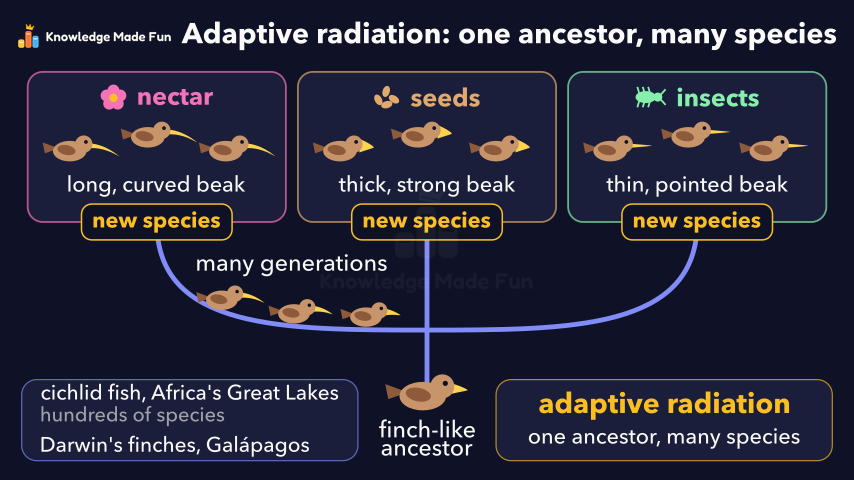 1 min 48 s
Adaptive radiation: one ancestor, many species
Grade 10 · 1 min 48 s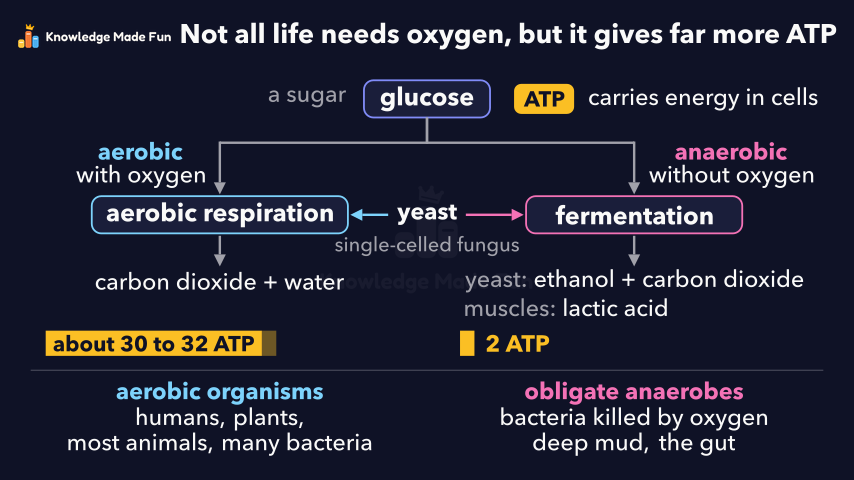 1 min 39 s
Aerobic and anaerobic organisms
Grade 11 · 1 min 39 s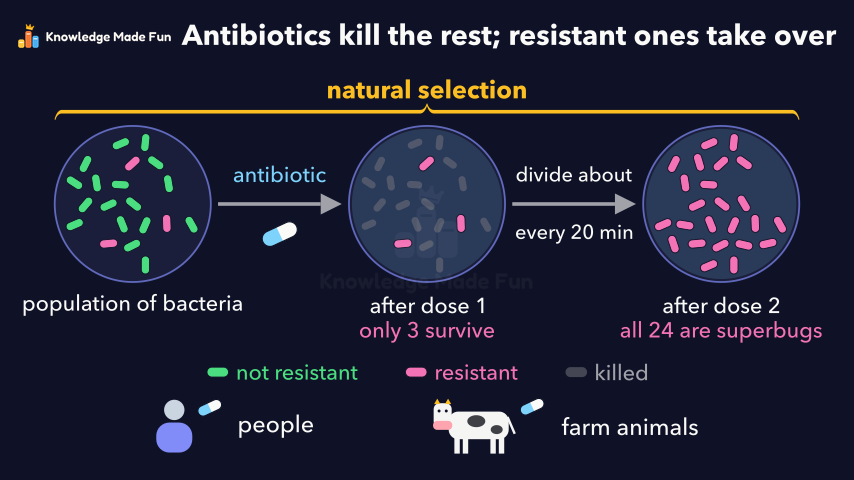 1 min 37 s
Antibiotic resistance: how superbugs evolve
Grade 8 · 1 min 37 s 1 min 35 s
Antibiotics kill bacteria, not viruses
Grade 8 · 1 min 35 s
- All Grade 9 Science lessons
- Create a free account to watch three lessons a day, no payment and no card.