Lesson · Grade 9 · Science
Ohm's Law: V = I × R
- Grade 9
- Science
- 1 min 53 s
- British Columbia
- BC9-SC-22
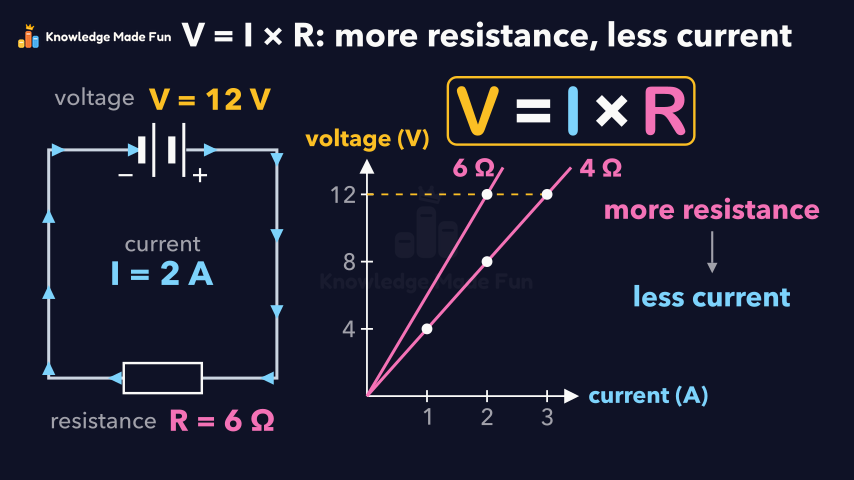
A single labelled circuit (a battery, a resistor and current arrows moving round the wire) builds up step by step. It introduces voltage, current and resistance, then V = I × R, and uses the V, I, R triangle to find 12 V ÷ 4 Ω = 3 A and a lamp's 120 V ÷ 0.5 A = 240 Ω. A graph of voltage against current shows that the slope of the line is the resistance, and swapping in a 6 Ω resistor gives a steeper line and only 2 A, which corrects the mistake that more resistance gives more current.
Concept: Ohm's law: voltage, current and resistance
Anyone can watch two lessons on the website without an account. Signing in is free, no payment and no card, and opens three a day; Plus has no limit.
Loading
In one sentence
The question this lesson answers
How are voltage, current and resistance linked?
Voltage, in volts, is the push that drives charge around a circuit. This battery gives 12 volts.
Transcript
What the lesson says
How are voltage, current and resistance linked?
Voltage, in volts, is the push that drives charge around a circuit. This battery gives 12 volts.
Current is the rate at which charge flows, measured in amperes, or amps.
Resistance, in ohms, is how strongly a part opposes the current. This resistor is 4 ohms.
Ohm's law: voltage equals current times resistance.
To rearrange it, use a triangle: V on top, I and R below.
Cover the one you want: covering I leaves V divided by R.
Here, 12 volts divided by 4 ohms gives 3 amps.
A lamp on a 120 volt supply draws 0.5 amps. What is its resistance?
Cover R: 120 volts divided by 0.5 amps is 240 ohms.
Now graph voltage against current for this resistor: 4 volts drives 1 amp, 8 volts 2 amps, and 12 volts 3 amps.
At a steady temperature, a resistor gives a straight line through the origin.
Its slope, rise over run, is 12 volts divided by 3 amps: 4 ohms, the resistance.
A common mistake is to think more resistance gives more current.
Swap in 6 ohms: the line is steeper, and 12 volts drives only 2 amps, not 3.
Voltage equals current times resistance, so at the same voltage, more resistance means less current.
Curriculum
Where this fits
- British Columbia, Grade 9
Science, Physics: voltage, current, and resistanceBC9-SC-22
Previous: AC and DC: Two Ways Current Can FlowNext: Current or Voltage: What Makes Electricity Dangerous?
- British Columbia, Grade 11
Physics 11, Circuits: electric circuits (DC), Ohm's law, and Kirchhoff's lawsBC11-SC-220
- British Columbia, Grade 11
Science For Citizens 11, Science at work: practical applications of science in the workplaceBC11-SC-290
Previous: Fractional Distillation: Separating Crude Oil by Boiling PointNext: Specific heat capacity: Q = mcΔT
This lesson is also listed in Grade 11.
The outcomes and strands follow the British Columbia curriculum.
Keep going
 1 min 51 s
A Complete Circuit: Source, Load, Conductors and Switch
Grade 9 · 1 min 51 s 1 min 48 s
AC and DC: Two Ways Current Can Flow
Grade 9 · 1 min 48 s 1 min 40 s
Acids and bases: the pH scale
Grade 10 · 1 min 40 s 1 min 39 s
Adaptations Are Inherited, Not Earned in a Lifetime
Grade 11 · 1 min 39 s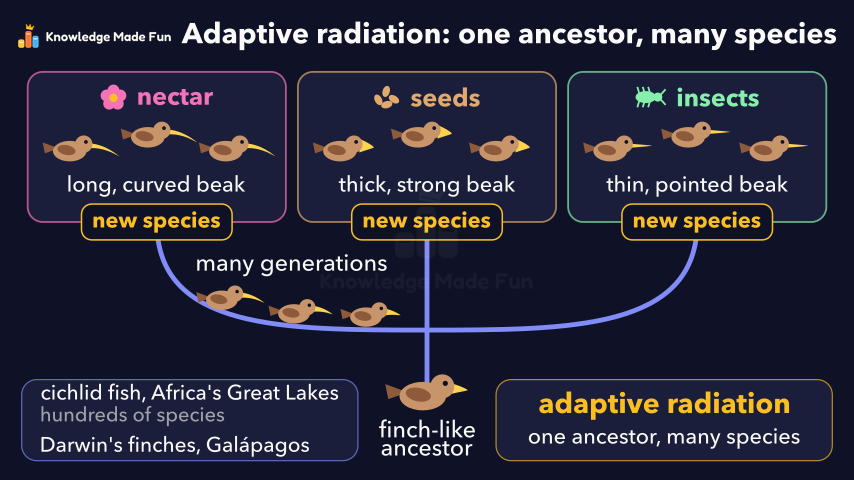 1 min 48 s
Adaptive radiation: one ancestor, many species
Grade 10 · 1 min 48 s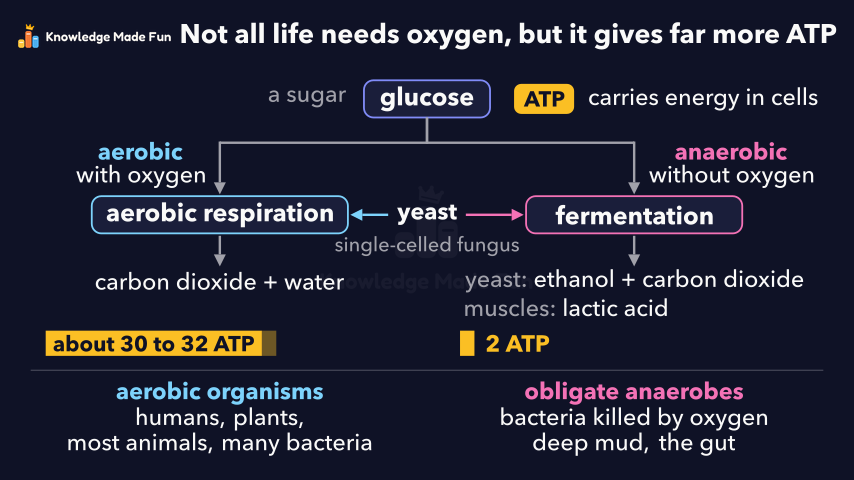 1 min 39 s
Aerobic and anaerobic organisms
Grade 11 · 1 min 39 s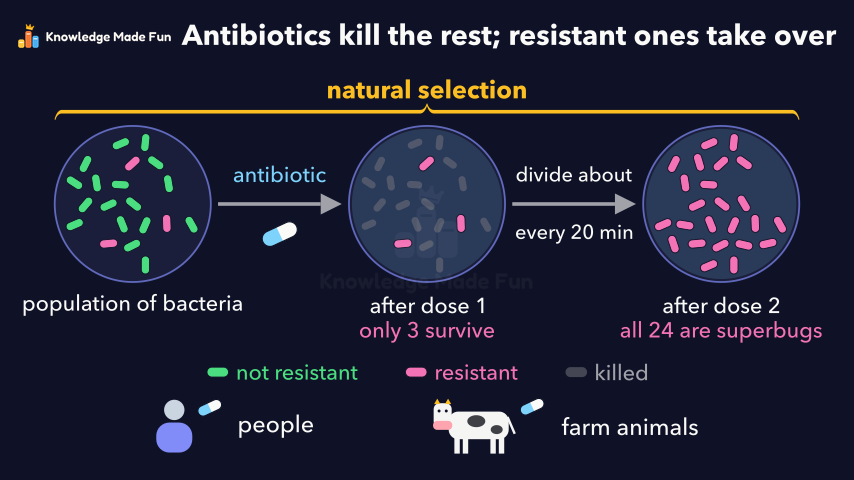 1 min 37 s
Antibiotic resistance: how superbugs evolve
Grade 8 · 1 min 37 s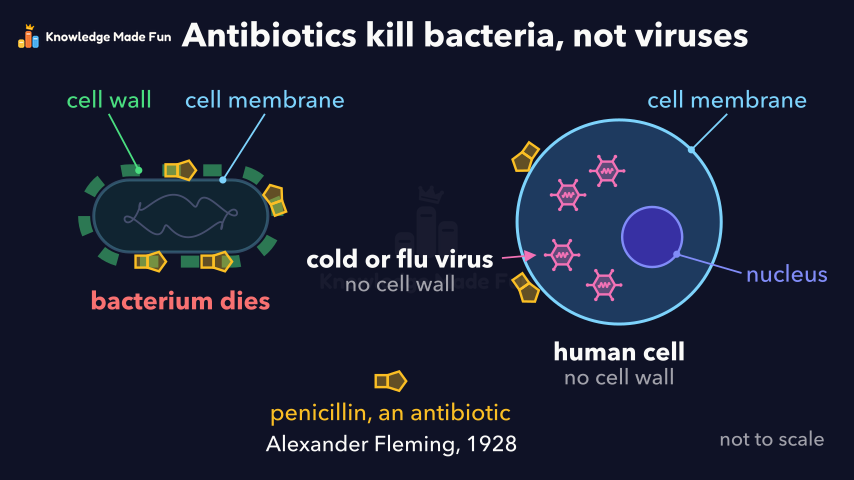 1 min 35 s
Antibiotics kill bacteria, not viruses
Grade 8 · 1 min 35 s
- All Grade 9 Science lessons
- Create a free account to watch three lessons a day, no payment and no card.