Lesson · Grade 10 · Science
Single and Double Replacement Reactions
- Grade 10
- Science
- 1 min 52 s
- British Columbia
- BC10-SC-20
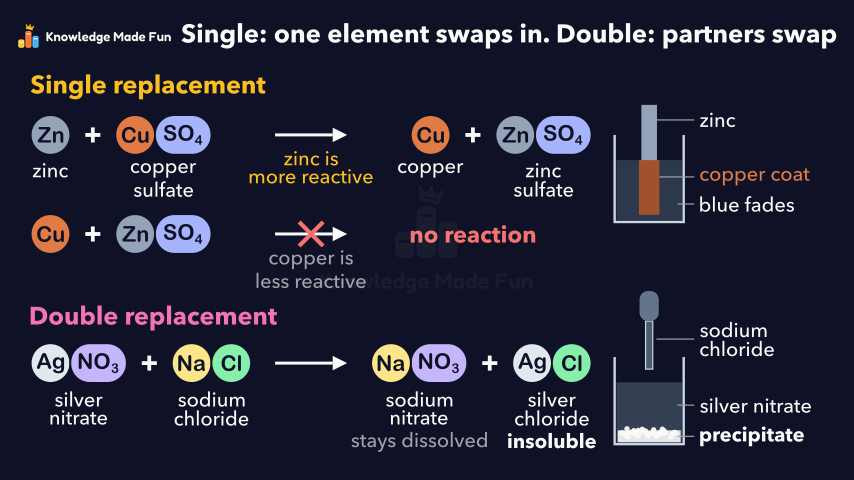
A diagram built from particles shows zinc taking copper's place in copper sulfate because it is more reactive (a copper coat forms and the blue fades), while copper cannot replace zinc. It then shows silver nitrate and sodium chloride swapping partners to make sodium nitrate and a white precipitate of insoluble silver chloride, with the same atoms present before and after each reaction.
Anyone can watch two lessons on the website without an account. Signing in is free, no payment and no card, and opens three a day; Plus has no limit.
Loading
In one sentence
The question this lesson answers
How do atoms swap partners in a reaction? Here are two kinds of swap: single replacement and double replacement.
Zinc is an element. Copper sulfate is a compound of copper and sulfate, a group of sulfur and oxygen atoms.
Transcript
What the lesson says
How do atoms swap partners in a reaction? Here are two kinds of swap: single replacement and double replacement.
Zinc is an element. Copper sulfate is a compound of copper and sulfate, a group of sulfur and oxygen atoms.
In a single replacement, one element takes another's place in a compound. Here, zinc replaces copper.
That is because zinc is more reactive than copper: it forms compounds more easily.
No atoms are made or lost. Zinc, copper and sulfate just have new partners.
In a beaker, a reddish-brown coat of copper forms on the zinc, and the blue colour fades.
Can any metal replace any other? No. It depends on reactivity.
Copper is less reactive than zinc, so it cannot take zinc's place. Nothing happens.
A metal can only replace a less reactive metal.
In a double replacement, two compounds swap partners.
Take silver nitrate, where nitrate is a group of nitrogen and oxygen atoms, and sodium chloride.
When the solutions mix, silver and sodium trade partners, making sodium nitrate and silver chloride.
Both solutions are clear, yet a white solid appears. A solid that forms like this is called a precipitate.
The precipitate is silver chloride. It is insoluble: it does not dissolve in water. Sodium nitrate stays dissolved.
So in a single replacement, a more reactive element swaps in. In a double replacement, two compounds swap partners.
Curriculum
Where this fits
- British Columbia, Grade 10
Science 10, Chemistry: rearrangement of atoms in chemical reactionsBC10-SC-20
Previous: Synthesis and Decomposition: Atoms RearrangeNext: Combustion: where does the fuel go?
The outcomes and strands follow the British Columbia curriculum.
Keep going
 1 min 40 s
Acids and bases: the pH scale
Grade 10 · 1 min 40 s 1 min 39 s
Activation energy: the push a reaction needs to start
Grade 10 · 1 min 39 s 1 min 54 s
Atomic Size: Bigger Down a Group, Smaller Across a Period
Grade 9 · 1 min 54 s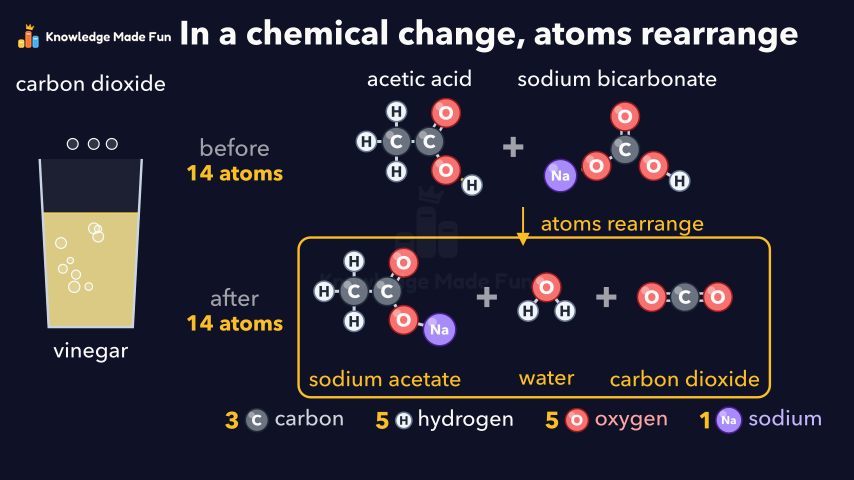 1 min 18 s
Atoms rearrange: vinegar and baking soda
Grade 7 · 1 min 18 s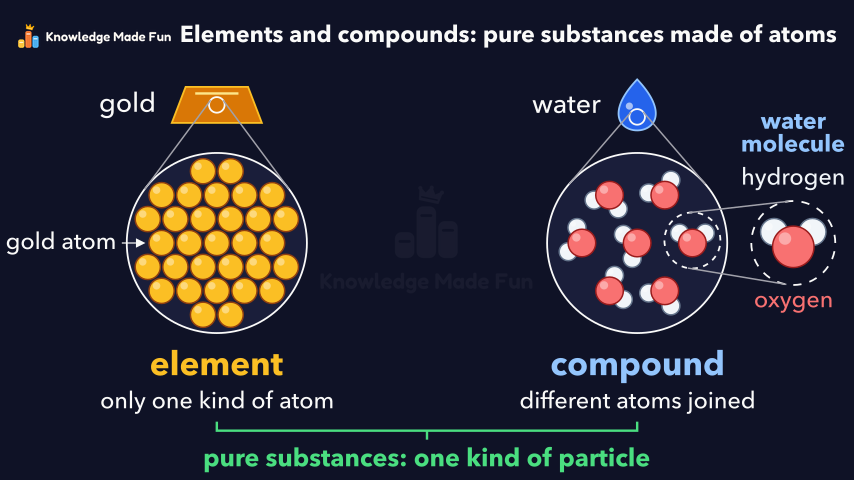 1 min 16 s
Atoms: What Everything Is Made Of
Grade 7 · 1 min 16 s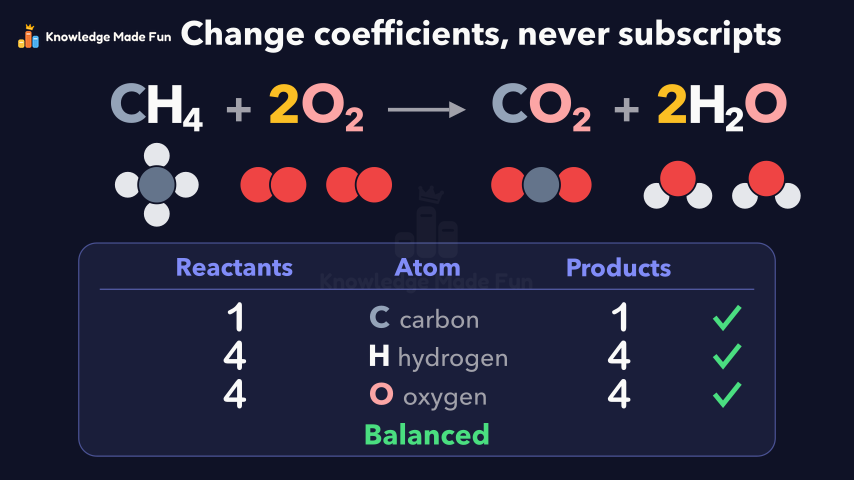 2 min 3 s
Balancing Chemical Equations
Grade 10 · 2 min 3 s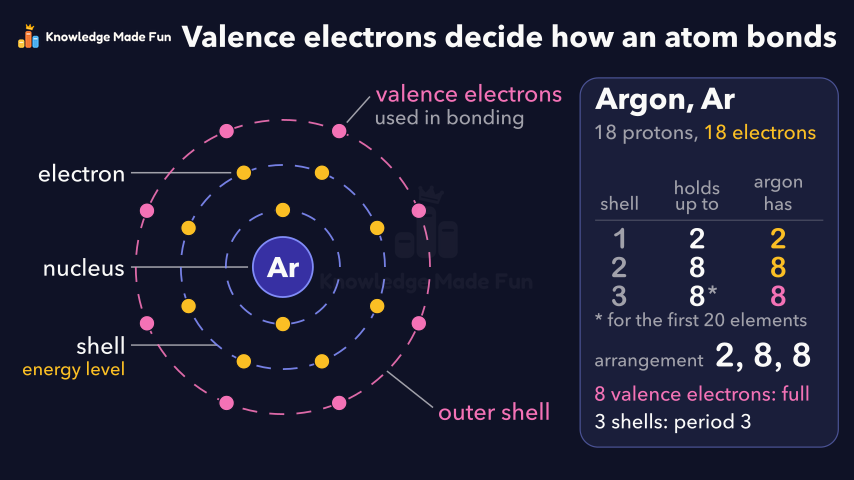 1 min 54 s
Bohr Diagrams: Electrons in Shells and Valence Electrons
Grade 9 · 1 min 54 s 1 min 45 s
Brownian motion: evidence that molecules exist
Grade 8 · 1 min 45 s
- All Grade 10 Science lessons
- Create a free account to watch three lessons a day, no payment and no card.