Lesson · Grade 8 · Science
Plate Boundaries: Apart, Together or Sliding Past
- Grade 8
- Science
- 1 min 45 s
- British Columbia
- BC8-SC-40
One diagram of plates on the mantle builds up step by step to show the three kinds of plate boundary: divergent (magma, mid-ocean ridge, rift valley), convergent (subduction with a trench and volcanoes, or two continents folding into mountains like the Himalayas) and transform (grinding along a fault like the San Andreas, with a sudden slip causing an earthquake). It answers the common idea that plates only collide, and ends on a recap that plates move apart, push together or slide past each other.
Concept: Plate boundaries: divergent, convergent and transform
Anyone can watch two lessons on the website without an account. Signing in is free, no payment and no card, and opens three a day; Plus has no limit.
Loading
In one sentence
The question this lesson answers
Earth's outer shell is broken into huge, rigid pieces called tectonic plates.
They move a few centimetres a year over the mantle, hot rock that flows very slowly.
Transcript
What the lesson says
Earth's outer shell is broken into huge, rigid pieces called tectonic plates.
They move a few centimetres a year over the mantle, hot rock that flows very slowly.
Where two plates meet is called a plate boundary.
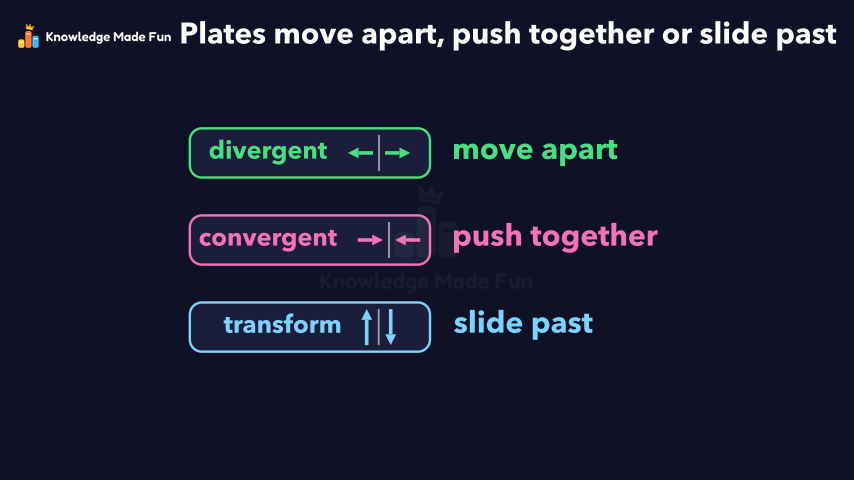
Do plates only collide there? No. They meet in three main ways: divergent, convergent and transform.
At a divergent boundary, two plates move apart.
Magma, which is melted rock, rises into the gap and cools to make new crust.
Under the ocean, this builds an underwater mountain chain called a mid-ocean ridge.
On land, the crust stretches and sinks to form a rift valley, like the East African Rift.
At a convergent boundary, two plates push together.
When an ocean plate meets a continental plate, the denser ocean plate sinks under it. This is called subduction.
This makes a deep ocean trench, and rising magma builds a line of volcanoes.
When two continental plates collide, neither sinks easily, so the crust crumples and folds into mountains like the Himalayas.
At a transform boundary, plates slide past each other. Here we see them from above.
They grind along a crack called a fault, like the San Andreas Fault.
The plates stick, then slip suddenly, causing an earthquake that can shift a road out of line.
So plates do not only collide: they move apart, push together, or slide past each other.
Curriculum
Where this fits
- British Columbia, Grade 8
Science, Earth science: plate tectonic movementBC8-SC-40
Previous: Plate Tectonics: Moving Plates and the EvidenceNext: Why Earthquakes and Volcanoes Happen at Plate Edges
- British Columbia, Grade 11
Earth Sciences 11, Plate tectonics: evidence that supports plate tectonic theoryBC11-SC-58
This lesson is also listed in Grade 11.
The outcomes and strands follow the British Columbia curriculum.
Keep going
 1 min 47 s
How we know what is inside the Earth: seismic waves
Grade 8 · 1 min 47 s 1 min 47 s
Plate Tectonics: Moving Plates and the Evidence
Grade 8 · 1 min 47 s 1 min 40 s
Acids and bases: the pH scale
Grade 10 · 1 min 40 s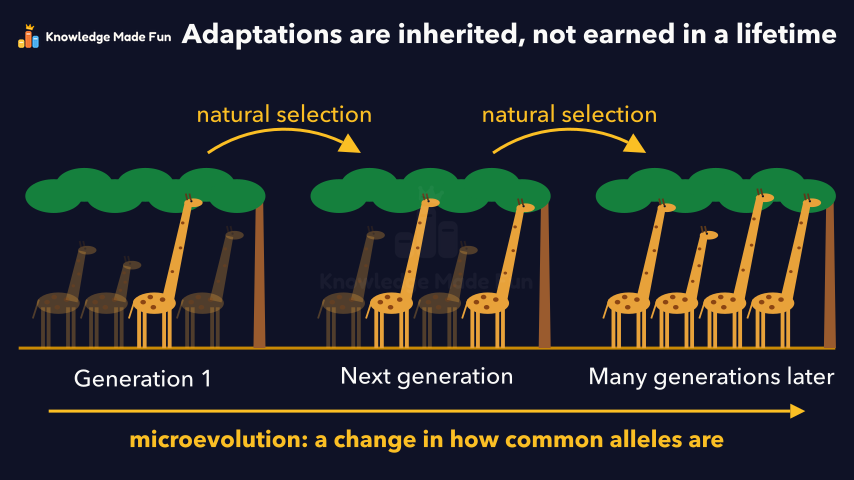 1 min 39 s
Adaptations Are Inherited, Not Earned in a Lifetime
Grade 11 · 1 min 39 s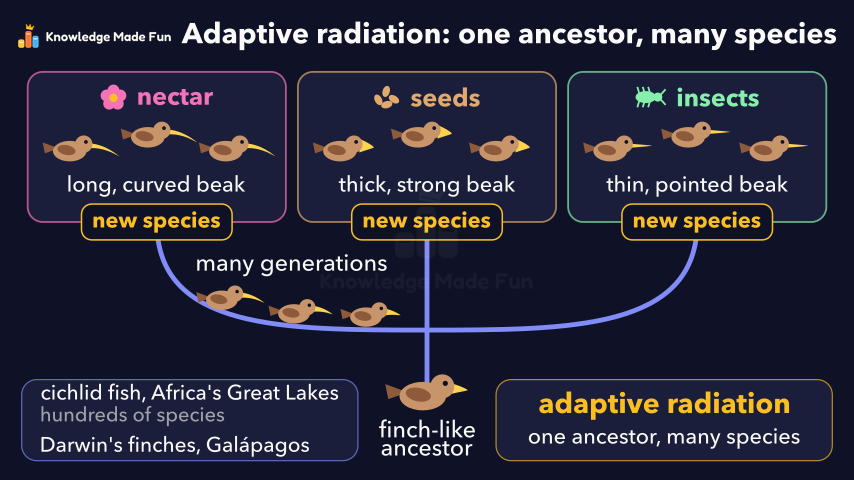 1 min 48 s
Adaptive radiation: one ancestor, many species
Grade 10 · 1 min 48 s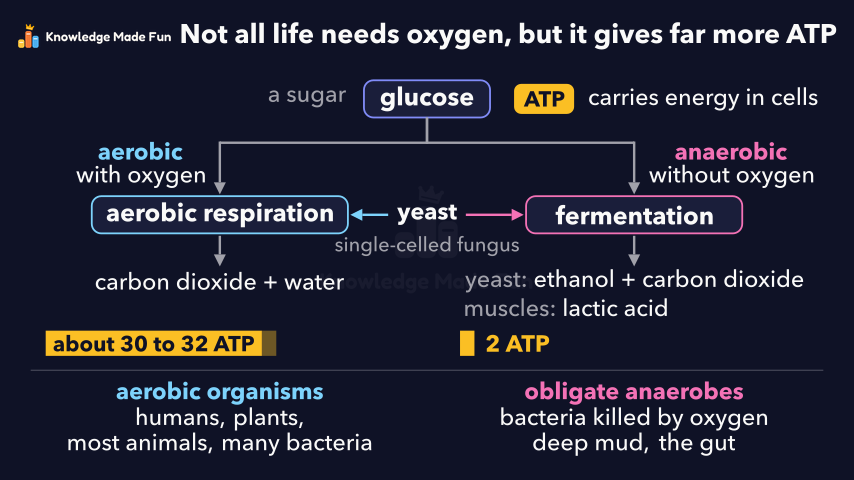 1 min 39 s
Aerobic and anaerobic organisms
Grade 11 · 1 min 39 s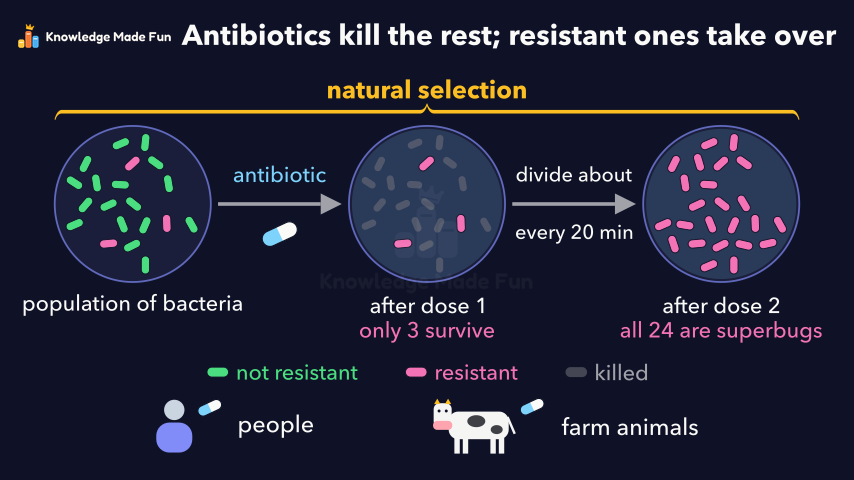 1 min 37 s
Antibiotic resistance: how superbugs evolve
Grade 8 · 1 min 37 s 1 min 35 s
Antibiotics kill bacteria, not viruses
Grade 8 · 1 min 35 s
- All Grade 8 Science lessons
- Create a free account to watch three lessons a day, no payment and no card.