Lesson · Grade 8 · Science
Plate Tectonics: Moving Plates and the Evidence
- Grade 8
- Science
- 1 min 47 s
- British Columbia
- BC8-SC-39
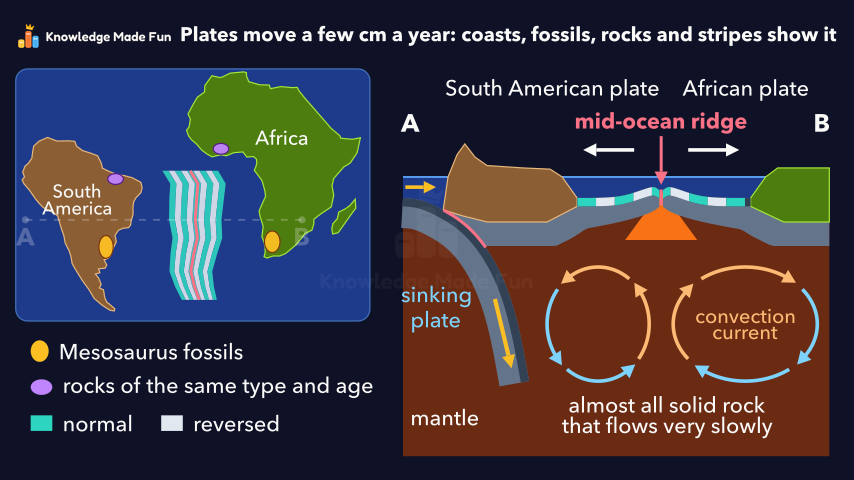
A map of South America and Africa sits beside a slice through Earth, which shows the rigid lithosphere broken into plates. The plates move a few centimetres a year over a mantle of solid rock that flows slowly, pushed along by convection currents and the pull of a sinking plate, while new sea floor forms at a mid-ocean ridge. The map then shows the evidence: South America's coast fits Africa's, Mesosaurus fossils and matching rocks line up across the join, and the magnetic stripes on the sea floor mirror each other across the ridge.
Concept: Clues that continents move: coastlines, fossils and rocks
Anyone can watch two lessons on the website without an account. Signing in is free, no payment and no card, and opens three a day; Plus has no limit.
Loading
In one sentence
The question this lesson answers
South America and Africa face each other across the Atlantic. Are they moving?
Here is a slice from A to B. The rigid outer layer, the lithosphere, is the crust and top of the mantle.
Transcript
What the lesson says
South America and Africa face each other across the Atlantic. Are they moving?
Here is a slice from A to B. The rigid outer layer, the lithosphere, is the crust and top of the mantle.
It is broken into seven or eight large tectonic plates and many small ones.
They move a few centimetres a year, about as fast as fingernails grow.
A common myth says plates float on a sea of melted rock.
In fact, the mantle is almost all solid rock, hot enough to flow very slowly.
Hot rock rises and cooler rock sinks in slow convection currents that help move the plates.
Here, where the plates move apart, rising rock makes new sea floor at a mid-ocean ridge.
Where an old, cold plate sinks into the mantle, it pulls the rest of the plate along.
How do we know they move? Here are three kinds of evidence.
First, slide South America back, and its coast fits Africa like a puzzle piece.
Second, fossils of Mesosaurus, a small reptile that could not cross an ocean, are found in both.
Rocks of the same type and age line up too.
Third, rock cooling at the ridge records the direction of Earth's magnetic field.
The field has flipped many times, so the sea floor has stripes, normal and reversed.
Sea floor spreads both ways from the ridge, so the two sides mirror each other.
Plates move a few centimetres a year, and coasts, fossils, rocks and stripes all show it.
Curriculum
Where this fits
- British Columbia, Grade 8
Science, Earth science: plate tectonic movementBC8-SC-39
- British Columbia, Grade 11
Earth Sciences 11, Plate tectonics: evidence that supports plate tectonic theoryBC11-SC-56
This lesson is also listed in Grade 11.
The outcomes and strands follow the British Columbia curriculum.
Keep going
 1 min 47 s
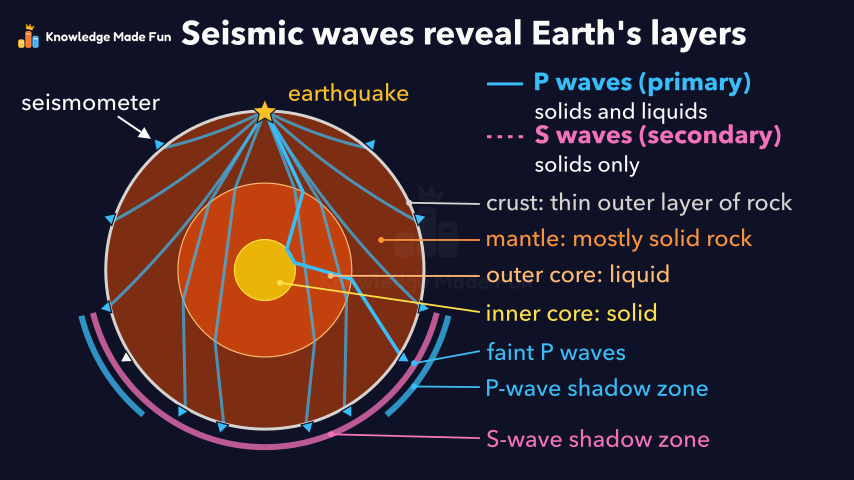
How we know what is inside the Earth: seismic waves
Grade 8 · 1 min 47 s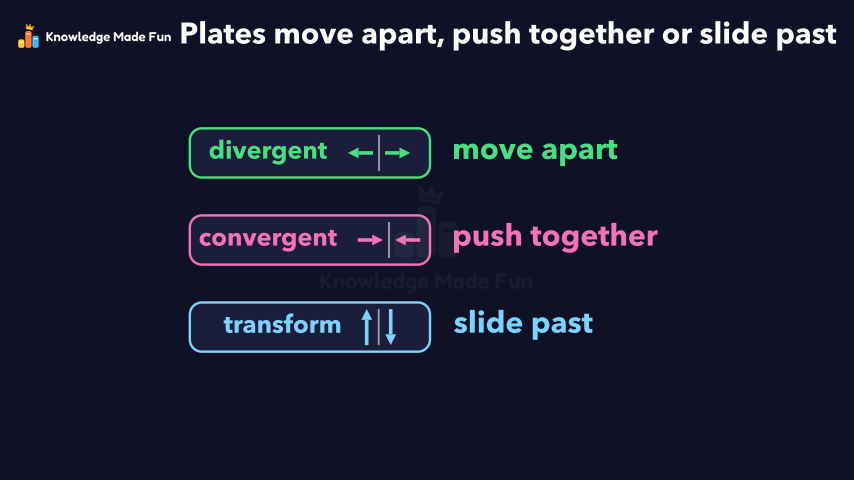 1 min 45 s
Plate Boundaries: Apart, Together or Sliding Past
Grade 8 · 1 min 45 s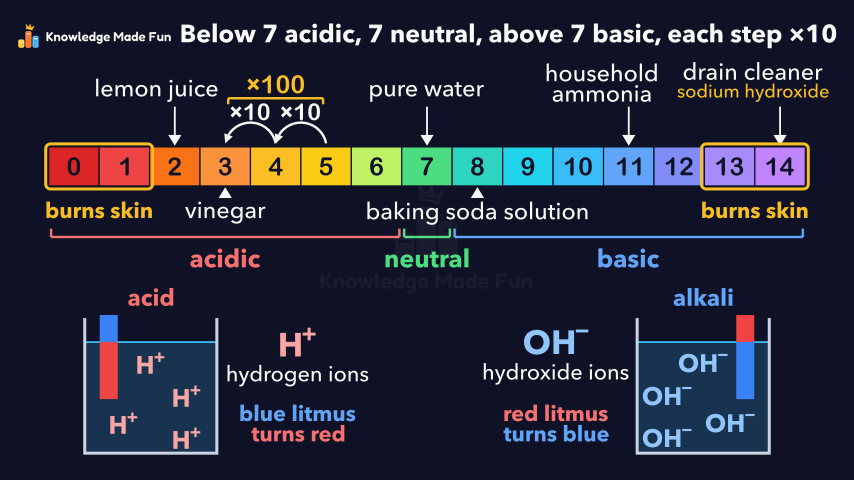 1 min 40 s
Acids and bases: the pH scale
Grade 10 · 1 min 40 s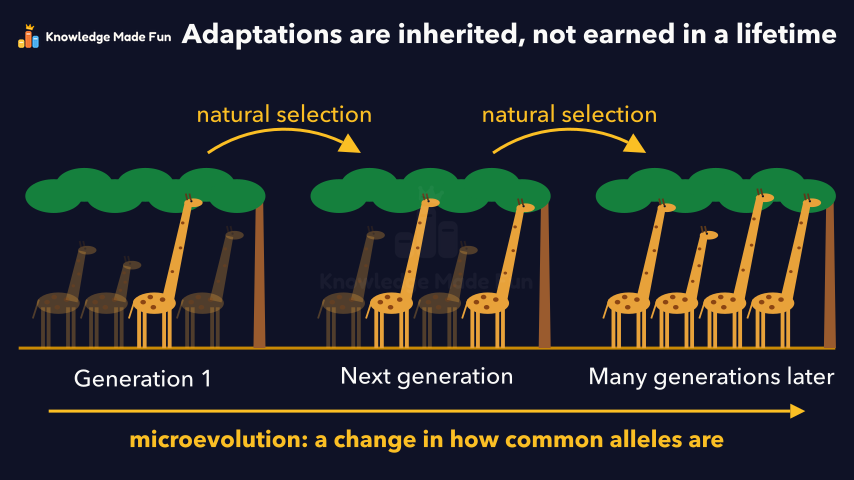 1 min 39 s
Adaptations Are Inherited, Not Earned in a Lifetime
Grade 11 · 1 min 39 s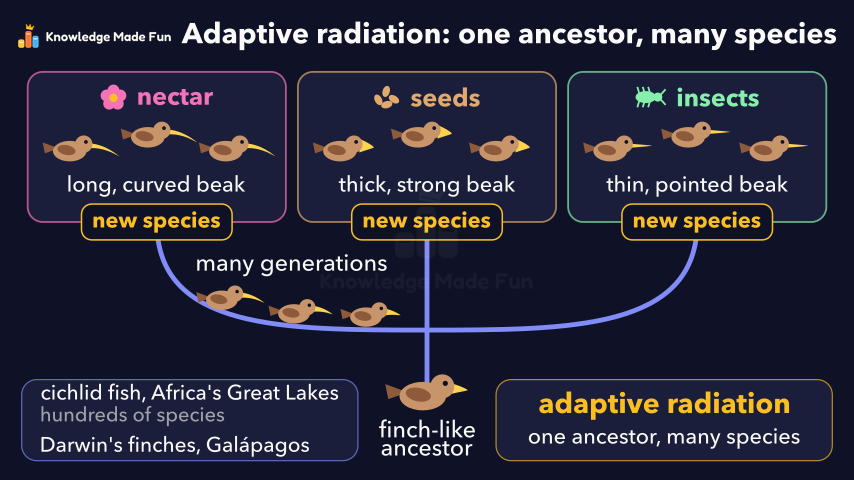 1 min 48 s
Adaptive radiation: one ancestor, many species
Grade 10 · 1 min 48 s 1 min 39 s
Aerobic and anaerobic organisms
Grade 11 · 1 min 39 s 1 min 37 s
Antibiotic resistance: how superbugs evolve
Grade 8 · 1 min 37 s 1 min 35 s
Antibiotics kill bacteria, not viruses
Grade 8 · 1 min 35 s
- All Grade 8 Science lessons
- Create a free account to watch three lessons a day, no payment and no card.