Lesson · Grade 8 · Science
How we know what is inside the Earth: seismic waves
- Grade 8
- Science
- 1 min 47 s
- British Columbia
- BC8-SC-46
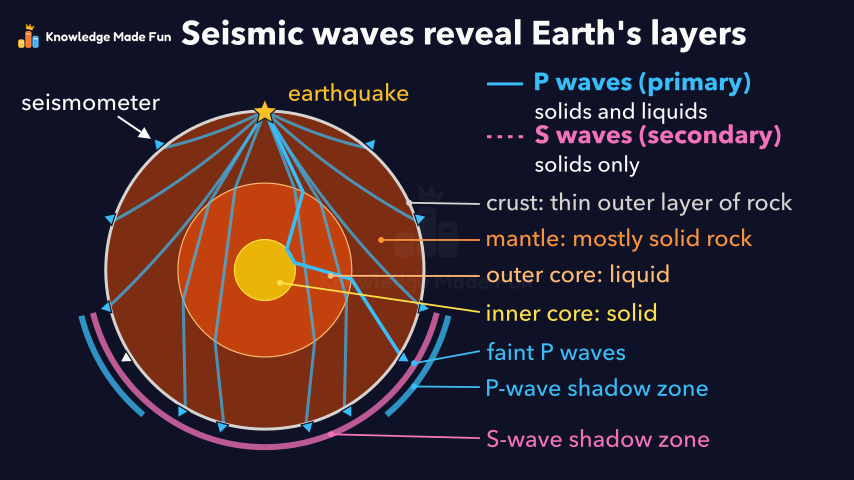
The deepest hole ever drilled, about 12 km, has not even got through the crust, while the centre is about 6,400 km down. So the video follows earthquake waves through a cut-away Earth. S waves never reach the far side, which shows the outer core is liquid; P waves bend at the core and leave their own shadow zone; and faint P waves in that zone led Inge Lehmann in 1936 to the inner core, now known to be solid. It ends on a recap naming the four layers: crust, mantle, liquid outer core and solid inner core.
Concept: How seismic waves reveal Earth's layers
Anyone can watch two lessons on the website without an account. Signing in is free, no payment and no card, and opens three a day; Plus has no limit.
Loading
In one sentence
The question this lesson answers
How do we know what is inside the Earth, if no one has ever been there?
The deepest hole ever drilled is about 12 kilometres deep, but the centre is about 6,400 kilometres down.
Transcript
What the lesson says
How do we know what is inside the Earth, if no one has ever been there?
The deepest hole ever drilled is about 12 kilometres deep, but the centre is about 6,400 kilometres down.
No hole has even gone through the crust, Earth's thin outer layer of rock.
Instead, scientists use seismic waves: vibrations from earthquakes that travel through the Earth.
Instruments called seismometers record these waves all around the world.
P waves, or primary waves, arrive first. They pass through solids and liquids.
S waves, or secondary waves, arrive later. They pass through solids only.
S waves reach the near side, but never the far side. This is the S-wave shadow zone.
S waves cannot pass through liquid, so a liquid layer must be blocking them.
This is the liquid outer core. Above it is the mantle, mostly solid rock.
P waves do cross the core, but they slow down and bend as they enter it.
This leaves a band with almost no P waves: the P-wave shadow zone.
In 1936, Inge Lehmann noticed faint P waves arriving inside this shadow zone.
She explained that an inner core, where P waves travel faster, had bent them there.
We now know the inner core is solid, because the pressure there is enormous.
Seismic waves reveal the layers: the crust, the mantle, the liquid outer core and the solid inner core.
Curriculum
Where this fits
- British Columbia, Grade 8
Science, Earth science: layers of EarthBC8-SC-46
Previous: Layers of the Earth: Crust, Mantle, Outer Core and Inner Core
- British Columbia, Grade 12
Geology 12, Plate tectonics: evidence that supports a layered model of EarthBC12-SC-156
This lesson is also listed in Grade 12.
The outcomes and strands follow the British Columbia curriculum.
Keep going
 1 min 45 s
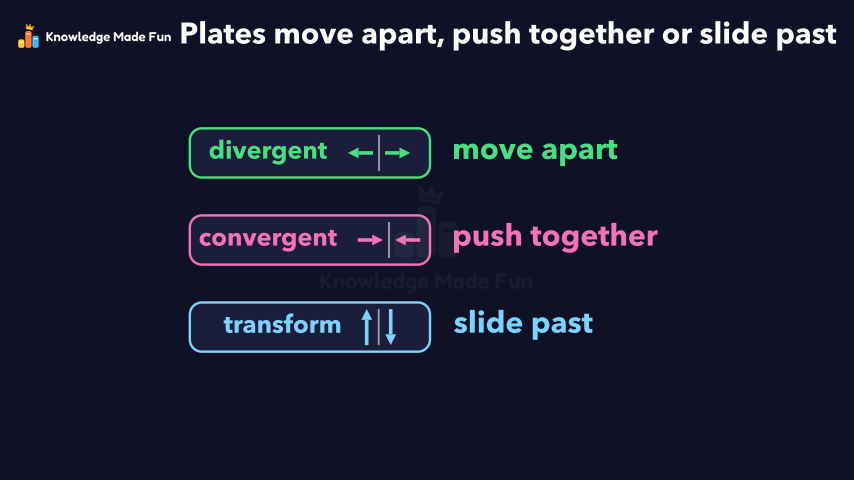
Plate Boundaries: Apart, Together or Sliding Past
Grade 8 · 1 min 45 s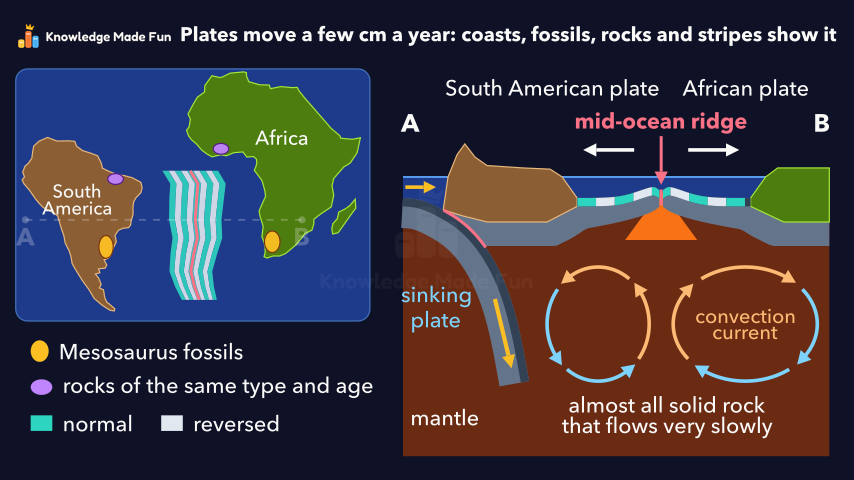 1 min 47 s
Plate Tectonics: Moving Plates and the Evidence
Grade 8 · 1 min 47 s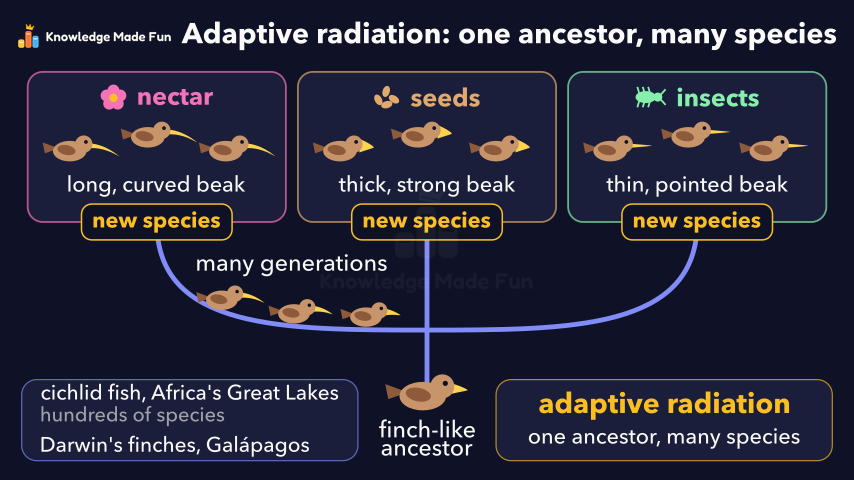 1 min 48 s
Adaptive radiation: one ancestor, many species
Grade 10 · 1 min 48 s 1 min 37 s
Antibiotic resistance: how superbugs evolve
Grade 8 · 1 min 37 s 1 min 35 s
Antibiotics kill bacteria, not viruses
Grade 8 · 1 min 35 s 1 min 44 s
Antibodies and Memory Cells: The Body's Targeted Defence
Grade 8 · 1 min 44 s 2 min
Are viruses alive? Why scientists disagree
Grade 8 · 2 min 1 min 45 s
Brownian motion: evidence that molecules exist
Grade 8 · 1 min 45 s
- All Grade 8 Science lessons
- Create a free account to watch three lessons a day, no payment and no card.