Lesson · Grade 9 · Science
Metals, Non-metals and Metalloids
- Grade 9
- Science
- 1 min 47 s
- British Columbia
- BC9-SC-10
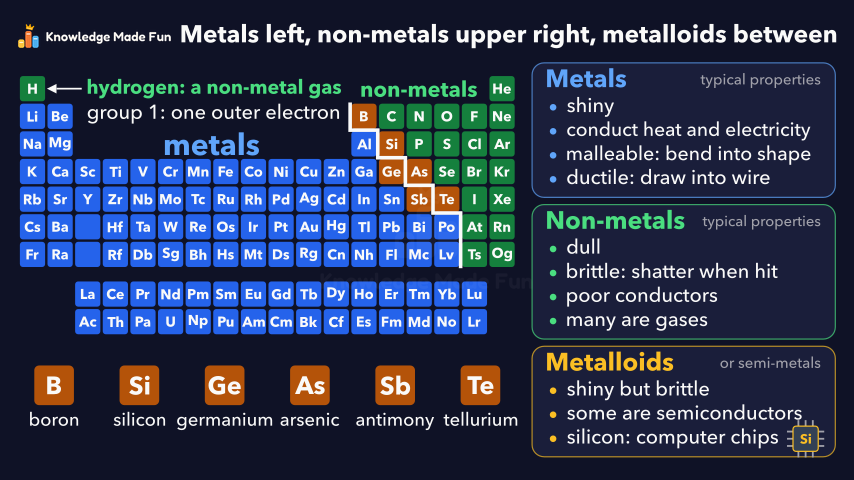
A staircase line is drawn on the periodic table, and the table is coloured step by step: metals on the left, non-metals at the upper right, and the six metalloids (boron, silicon, germanium, arsenic, antimony and tellurium) along the staircase, each with a card of typical properties. Along the way it clears up the idea that hydrogen is a metal: it is a non-metal gas that sits in group 1 because its atom has one outer electron. It also shows that silicon is the semiconductor used to make computer chips.
Anyone can watch two lessons on the website without an account. Signing in is free, no payment and no card, and opens three a day; Plus has no limit.
Loading
In one sentence
The question this lesson answers
Is an element a metal, a non-metal, or something in between? The periodic table shows you.
Find the zigzag staircase line on the right side of the table.
Transcript
What the lesson says
Is an element a metal, a non-metal, or something in between? The periodic table shows you.
Find the zigzag staircase line on the right side of the table.
Most elements are metals, and they are all on the left of the line.
Metals are usually shiny, and they conduct heat and electricity well.
They are malleable, meaning they can be bent into shape, and ductile, meaning they can be drawn into wire.
Non-metals are on the right of the line, mostly in the upper right corner.
Solid non-metals are usually dull and brittle, meaning they shatter when hit.
Most are poor conductors, and many are gases, like oxygen, nitrogen and chlorine.
Hydrogen sits on the far left, so it is easy to think it is a metal.
It is not. Hydrogen is a non-metal gas.
It sits in group 1, the first column, because its atom has one outer electron.
The elements along the staircase are metalloids, also called semi-metals.
The six usually listed are boron, silicon, germanium, arsenic, antimony and tellurium.
Metalloids are in between: they look shiny like a metal, but are brittle like a non-metal.
Some metalloids, like silicon, are semiconductors: they conduct electricity, but less well than metals.
Silicon is the semiconductor used to make computer chips.
Metals are on the left, non-metals at the upper right, and metalloids along the staircase between them.
Curriculum
Where this fits
- British Columbia, Grade 9
Science, Chemistry: element properties as organized in the periodic tableBC9-SC-10
Previous: How the periodic table is organized: periods and groupsNext: Chemical families: alkali metals, halogens and noble gases
The outcomes and strands follow the British Columbia curriculum.
Keep going
 1 min 40 s
Acids and bases: the pH scale
Grade 10 · 1 min 40 s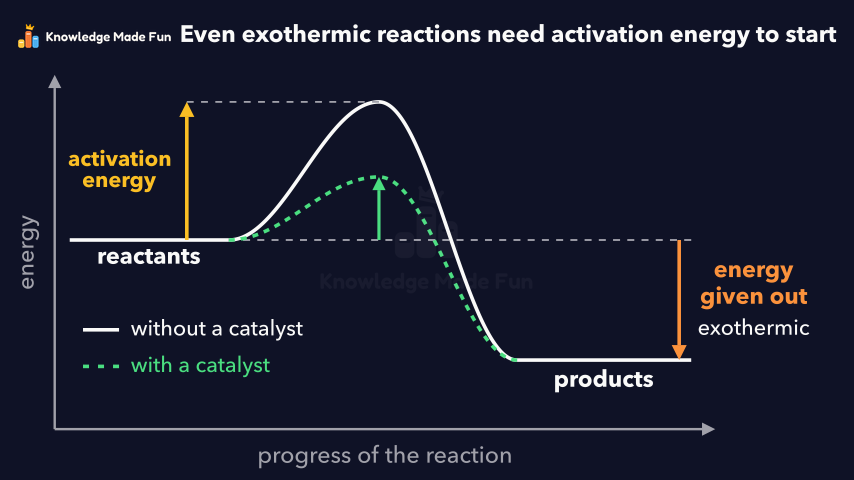 1 min 39 s
Activation energy: the push a reaction needs to start
Grade 10 · 1 min 39 s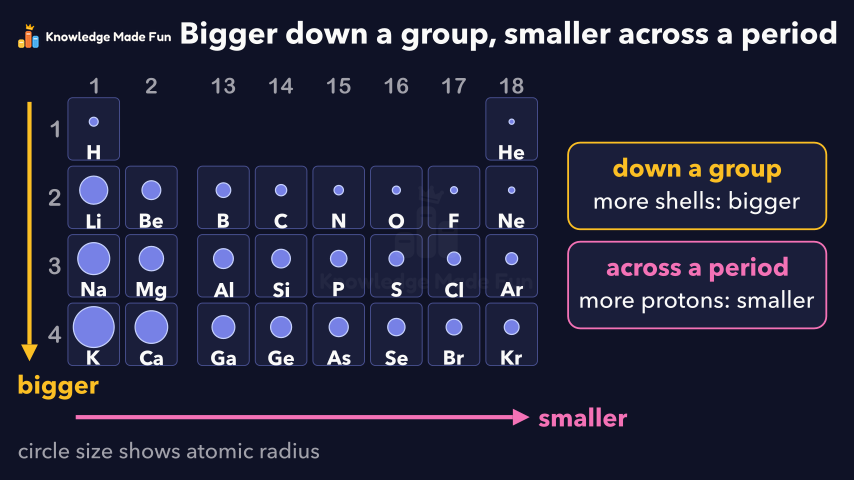 1 min 54 s
Atomic Size: Bigger Down a Group, Smaller Across a Period
Grade 9 · 1 min 54 s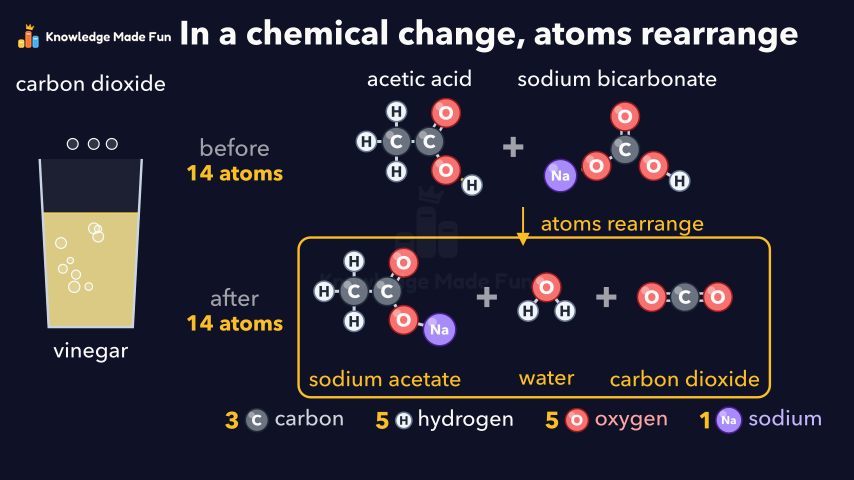 1 min 18 s
Atoms rearrange: vinegar and baking soda
Grade 7 · 1 min 18 s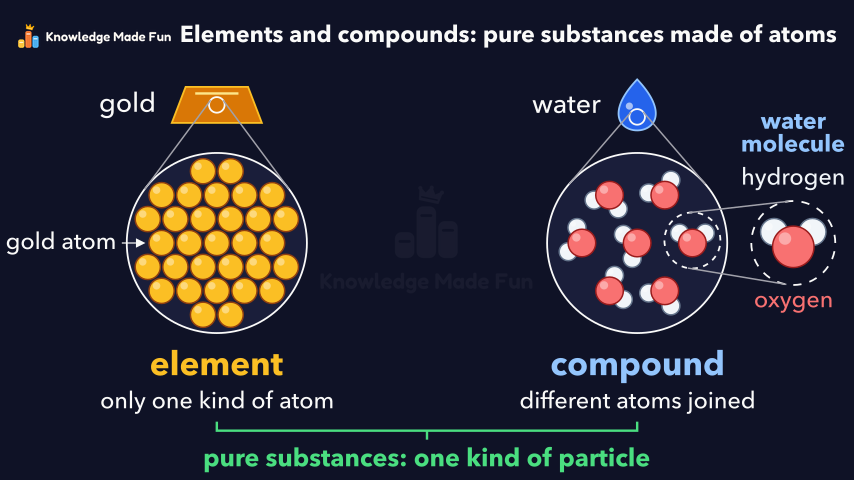 1 min 16 s
Atoms: What Everything Is Made Of
Grade 7 · 1 min 16 s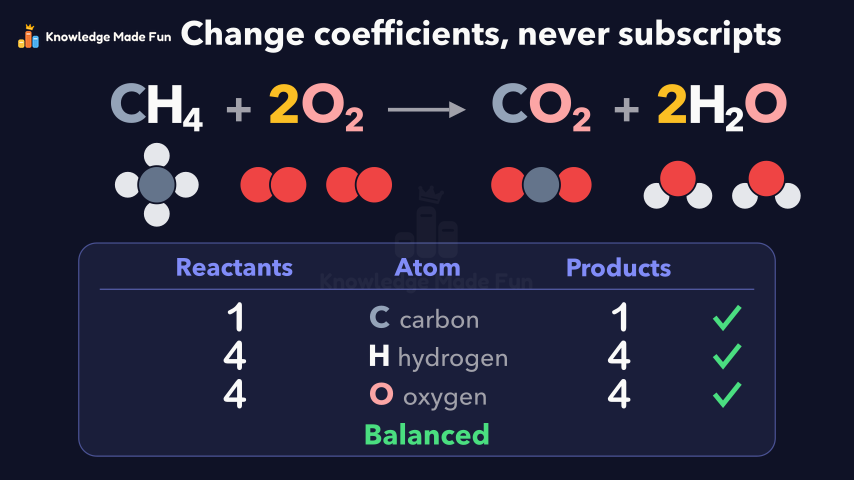 2 min 3 s
Balancing Chemical Equations
Grade 10 · 2 min 3 s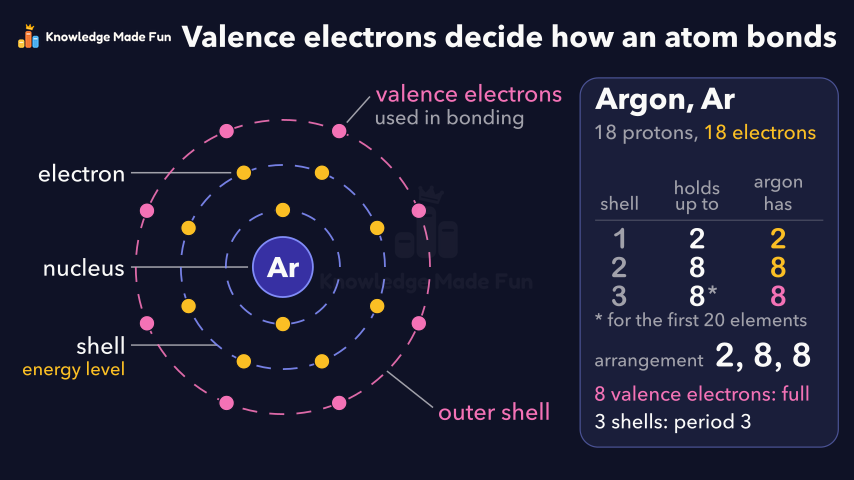 1 min 54 s
Bohr Diagrams: Electrons in Shells and Valence Electrons
Grade 9 · 1 min 54 s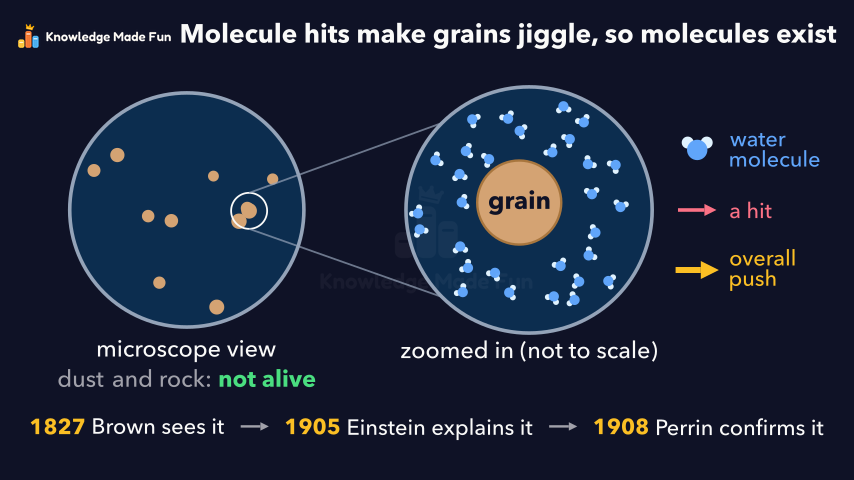 1 min 45 s
Brownian motion: evidence that molecules exist
Grade 8 · 1 min 45 s
- All Grade 9 Science lessons
- Create a free account to watch three lessons a day, no payment and no card.