Lesson · Grade 9 · Science
How the periodic table is organized: periods and groups
- Grade 9
- Science
- 1 min 49 s
- British Columbia
- BC9-SC-09
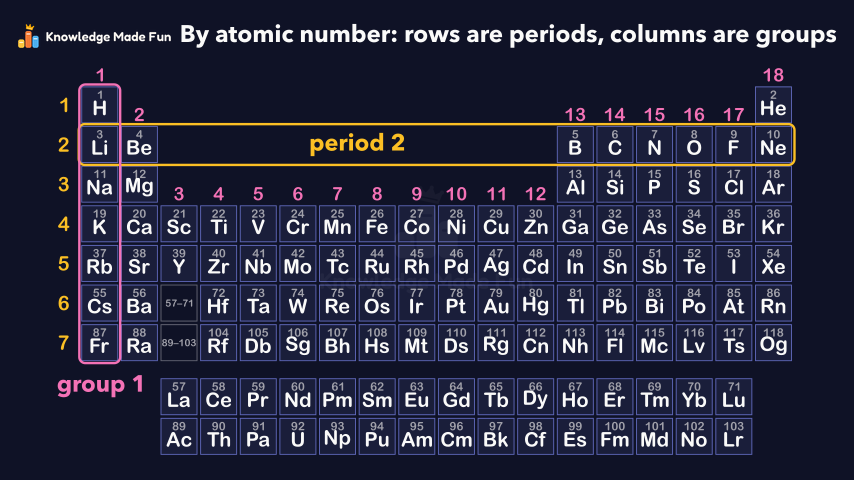
A periodic table builds up from empty cells as the 118 elements are placed in order of atomic number, the number of protons. Argon and potassium show the order is not by mass or by name. Then rows are named periods, where each new period starts a new electron shell, and columns are named groups, where lithium, sodium and potassium each have one outer electron and react alike. The video ends with Mendeleev's 1869 gaps, later filled by gallium and germanium.
Anyone can watch two lessons on the website without an account. Signing in is free, no payment and no card, and opens three a day; Plus has no limit.
Loading
In one sentence
The question this lesson answers
The periodic table shows every known element. How is it organized?
An element's atomic number is the number of protons in the nucleus of its atoms. Sodium's is 11.
Transcript
What the lesson says
The periodic table shows every known element. How is it organized?
An element's atomic number is the number of protons in the nucleus of its atoms. Sodium's is 11.
The elements are placed in order of atomic number: 1, 2, 3, and so on.
Today, 118 elements are known, from hydrogen to oganesson.
The order is not by atomic mass, and not by name.
Argon atoms are heavier than potassium atoms, yet argon comes first: it has 18 protons, potassium 19.
Each row is called a period. There are seven, and this row is period 2.
Each new period starts a new electron shell, a layer of electrons around the nucleus: lithium has two, sodium three, potassium four.
Each column is called a group. There are 18, and this column is group 1.
Lithium, sodium and potassium are in group 1, and each has one electron in its outer shell.
That is why elements in the same group tend to react in similar ways.
In 1869, Dmitri Mendeleev grouped elements that behave alike, and left gaps for ones not yet found.
He predicted their properties, and gallium, found in 1875, and germanium, found in 1886, matched closely.
So elements run in order of atomic number: rows are periods, and columns are groups.
Curriculum
Where this fits
The outcomes and strands follow the British Columbia curriculum.
Keep going
 1 min 40 s
Acids and bases: the pH scale
Grade 10 · 1 min 40 s 1 min 39 s
Activation energy: the push a reaction needs to start
Grade 10 · 1 min 39 s 1 min 54 s
Atomic Size: Bigger Down a Group, Smaller Across a Period
Grade 9 · 1 min 54 s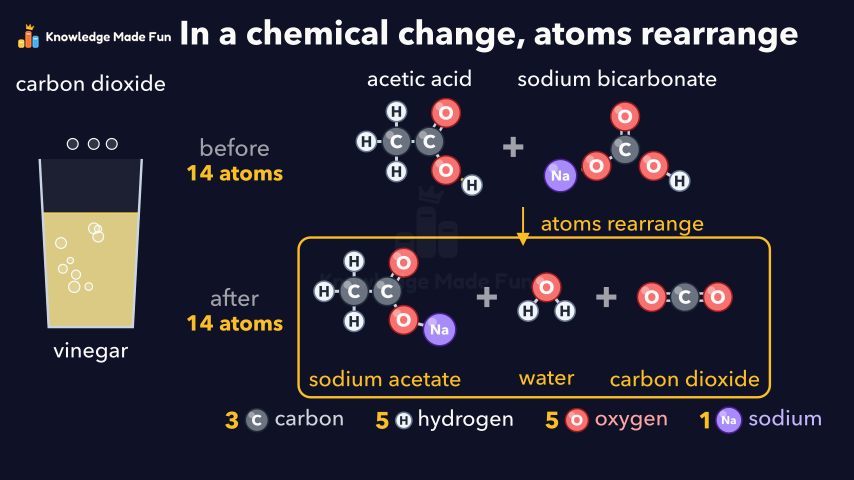 1 min 18 s
Atoms rearrange: vinegar and baking soda
Grade 7 · 1 min 18 s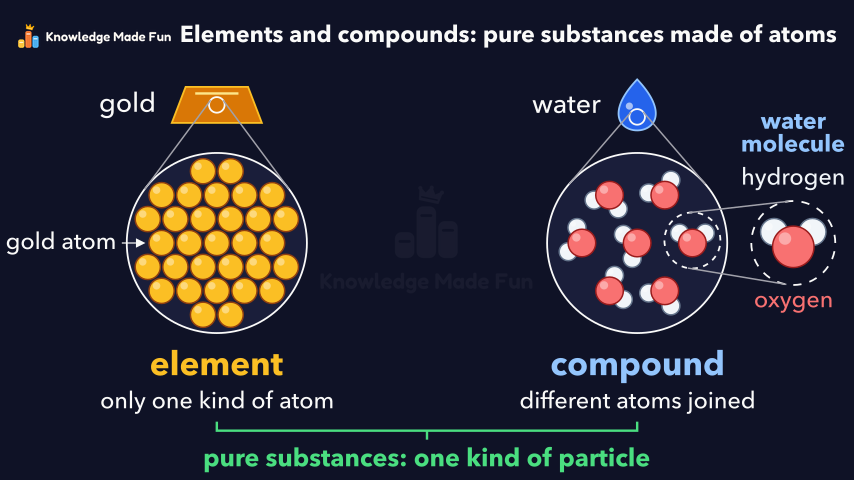 1 min 16 s
Atoms: What Everything Is Made Of
Grade 7 · 1 min 16 s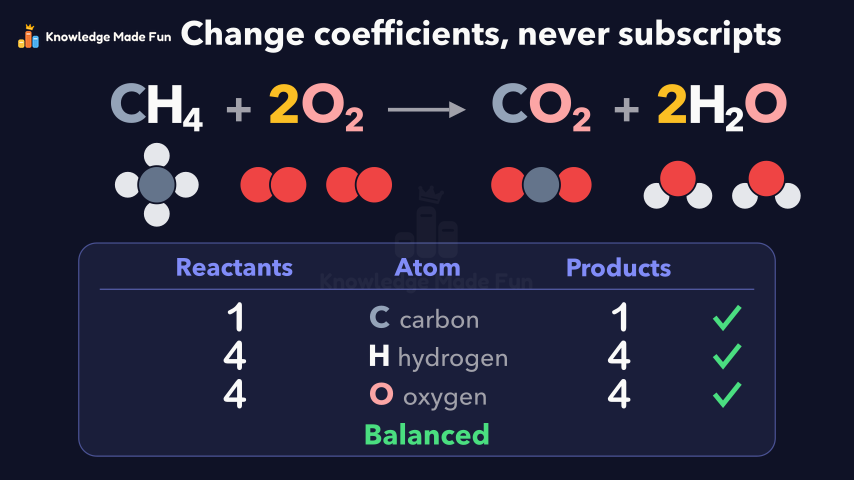 2 min 3 s
Balancing Chemical Equations
Grade 10 · 2 min 3 s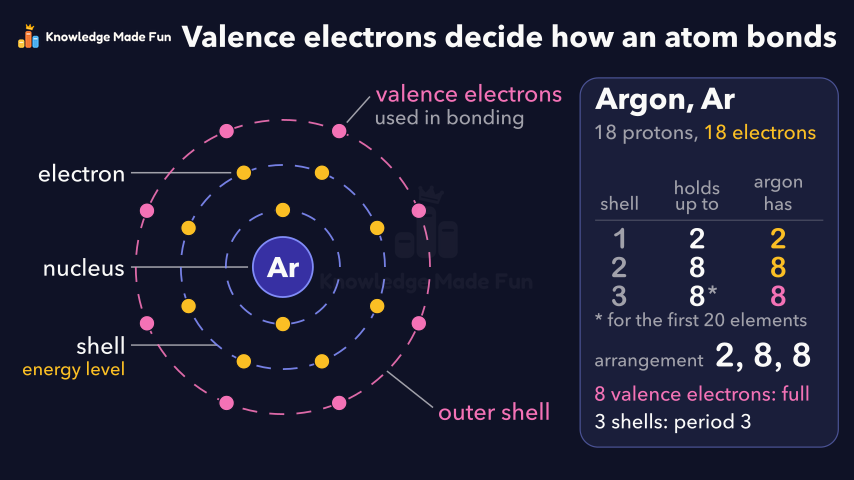 1 min 54 s
Bohr Diagrams: Electrons in Shells and Valence Electrons
Grade 9 · 1 min 54 s 1 min 45 s
Brownian motion: evidence that molecules exist
Grade 8 · 1 min 45 s
- All Grade 9 Science lessons
- Create a free account to watch three lessons a day, no payment and no card.