Lesson · Grade 10 · Science
Incomplete Dominance and Codominance
- Grade 10
- Science
- 1 min 58 s
- British Columbia
- BC10-SC-07
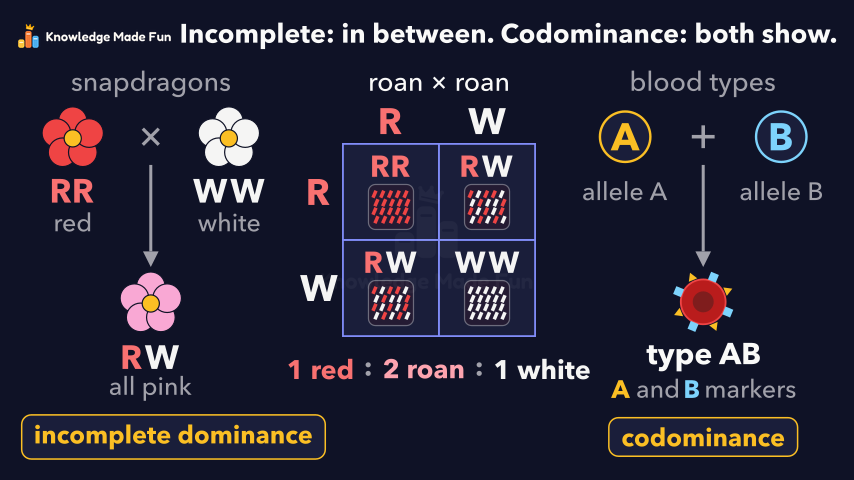
Red and white snapdragons give pink offspring, but a Punnett square crossing two pink flowers brings back red and white in a 1 : 2 : 1 ratio, so the alleles never blended. Roan cattle (red and white hairs side by side) and blood type AB (both A and B markers) then show codominance, where both alleles show fully.
Anyone can watch two lessons on the website without an account. Signing in is free, no payment and no card, and opens three a day; Plus has no limit.
Loading
In one sentence
The question this lesson answers
Cross a red snapdragon flower with a white one. Is the offspring always a blend of its parents?
Red plants are RR and white plants are WW: each plant carries two alleles, or versions, of the colour gene.
Transcript
What the lesson says
Cross a red snapdragon flower with a white one. Is the offspring always a blend of its parents?
Red plants are RR and white plants are WW: each plant carries two alleles, or versions, of the colour gene.
Each parent passes on one allele, so every offspring is RW, and RW flowers are pink.
This is incomplete dominance: neither allele is fully dominant, so a heterozygous plant, with two different alleles, has an in-between colour.
Now cross two pink flowers. A Punnett square shows every way their alleles can combine.
Each box takes one allele from the top and one from the side.
So we expect one in four to be red, two in four to be pink, and one in four to be white.
Red and white come back, so the alleles never blended. They were passed on unchanged.
Codominance is different: both alleles show fully, side by side.
Cross red cattle, RR, with white cattle, WW, and every calf is roan.
A roan coat has red hairs and white hairs mixed together, not pink hairs.
Crossing two roan cattle fills the same Punnett square.
Again we expect one in four to be red, two in four roan, and one in four white.
Blood type AB is codominance too: allele A from one parent and allele B from the other give red blood cells with both A and B markers.
So offspring are not always a blend: incomplete dominance gives an in-between trait, and codominance shows both alleles fully.
Curriculum
Where this fits
- British Columbia, Grade 10
Science 10, Biology: patterns of inheritanceBC10-SC-07
Previous: Punnett Squares: Predicting OffspringNext: Sex-linked traits: why more males are colour blind
The outcomes and strands follow the British Columbia curriculum.
Keep going
 1 min 3 s
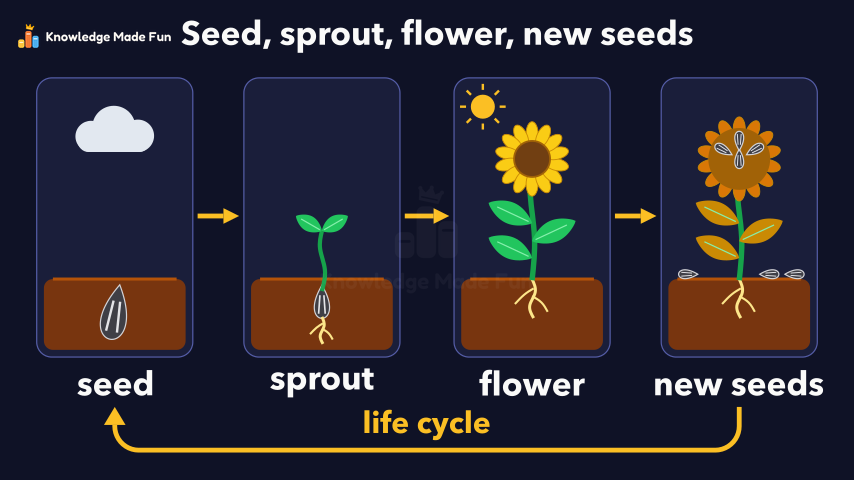
A Sunflower's Life Cycle: Seed, Sprout, Flower, Seed
Kindergarten · 1 min 3 s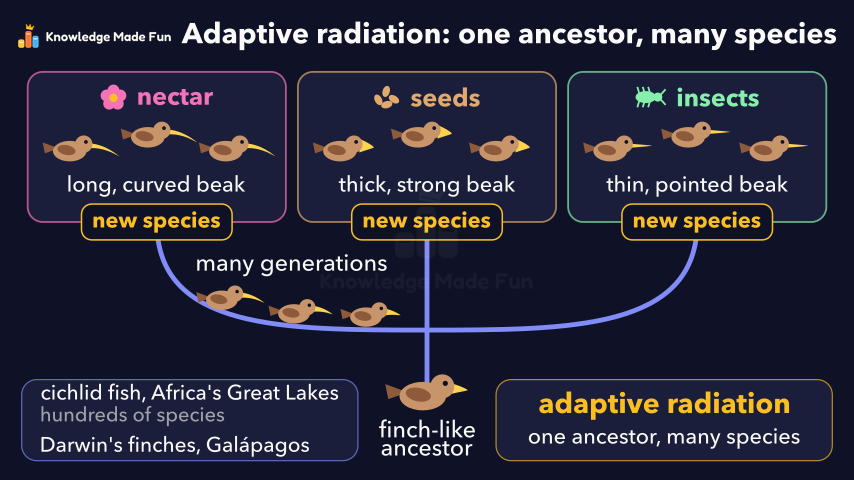 1 min 48 s
Adaptive radiation: one ancestor, many species
Grade 10 · 1 min 48 s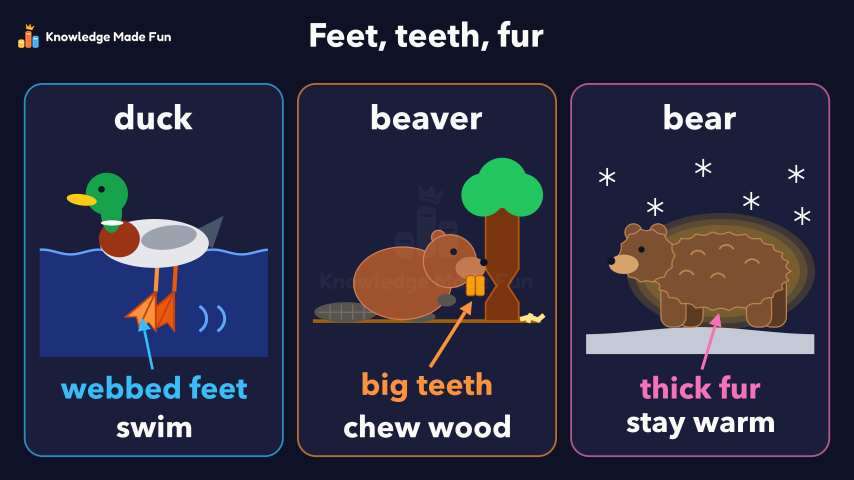 52 s
Animal Bodies That Help Them Live: Feet, Teeth and Fur
Kindergarten · 52 s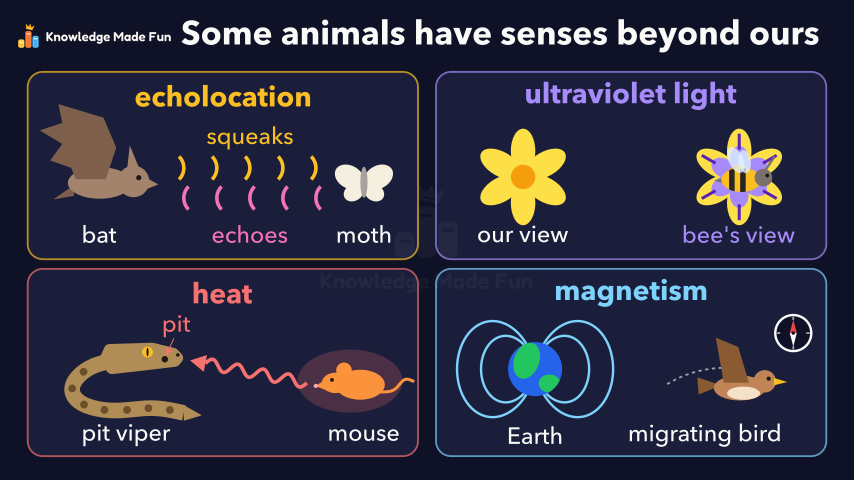 1 min 3 s
Animal senses beyond ours: echolocation, ultraviolet light, heat and magnetism
Grade 4 · 1 min 3 s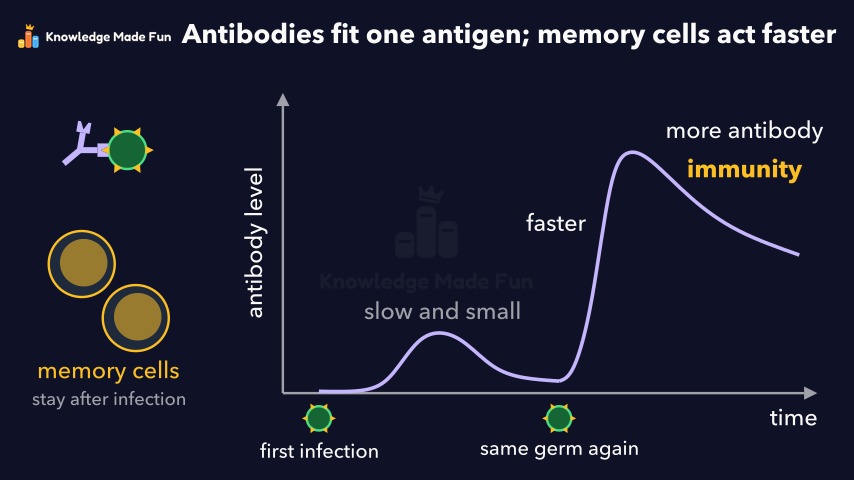 1 min 44 s
Antibodies and Memory Cells: The Body's Targeted Defence
Grade 8 · 1 min 44 s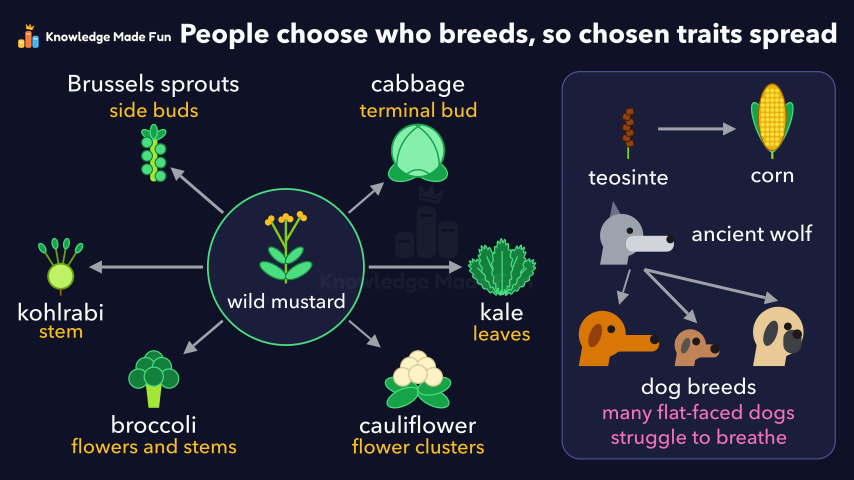 1 min 44 s
Artificial selection: people choose the traits
Grade 10 · 1 min 44 s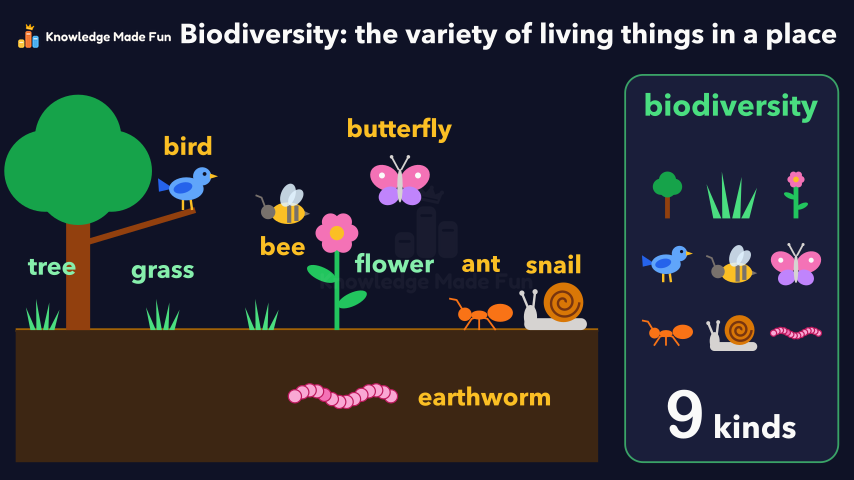 1 min 4 s
Biodiversity: The Variety of Living Things
Grade 3 · 1 min 4 s 1 min 8 s
Biomes: Sorted by Temperature and Precipitation
Grade 4 · 1 min 8 s
- All Grade 10 Science lessons
- Create a free account to watch three lessons a day, no payment and no card.