Lesson · Grade 5 · Science
How We Breathe: Trachea, Lungs and Diaphragm
- Grade 5
- Science
- 1 min 14 s
- British Columbia
- BC5-SC-03
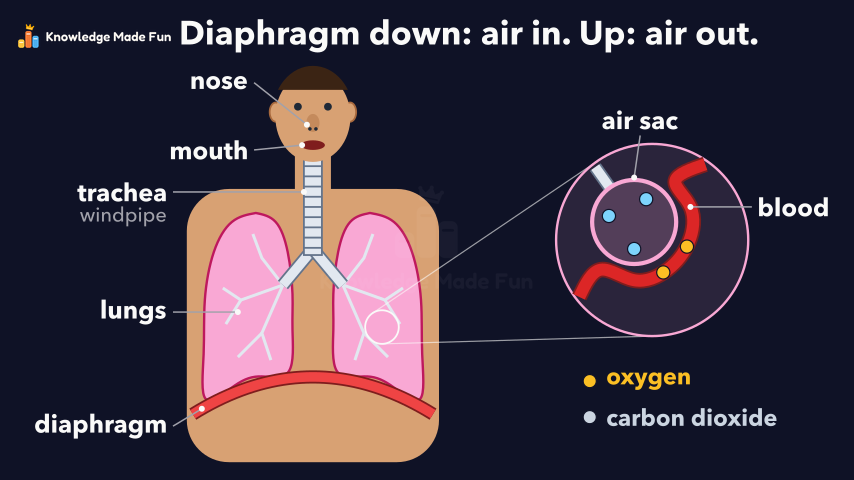
Air comes in through the nose or mouth, goes down the trachea and into the two lungs, and the dome-shaped diaphragm moves down to pull air in and up to push it out. A close-up of a tiny air sac shows oxygen passing into the blood and carbon dioxide passing out, and the video ends on "Diaphragm down: air in. Up: air out."
Anyone can watch two lessons on the website without an account. Signing in is free, no payment and no card, and opens three a day; Plus has no limit.
Loading
In one sentence
The question this lesson answers
How do we breathe in and out?
Your body needs oxygen, one of the gases in the air.
Transcript
What the lesson says
How do we breathe in and out?
Your body needs oxygen, one of the gases in the air.
Air goes in through your nose or your mouth.
Then it goes down a tube in your neck called the trachea, or windpipe.
The trachea splits in two and leads into your two lungs.
Under your lungs is a dome-shaped muscle called the diaphragm.
When you breathe in, the diaphragm tightens and moves down.
This makes more space in your chest, so air rushes into your lungs.
Inside your lungs are tiny air sacs, with blood flowing all around them.
Oxygen passes from the air in the sacs into your blood.
At the same time, carbon dioxide, a waste gas, leaves your blood and goes into the air sacs.
When you breathe out, the diaphragm relaxes and moves back up.
This makes less space, so air is pushed out, carrying the carbon dioxide away.
So remember: diaphragm down, air in. Diaphragm up, air out.
Curriculum
Where this fits
- British Columbia, Grade 5
Science, Biology: basic structures and functions of body systems: respiratoryBC5-SC-03
Previous: Bones and Muscles: How Muscles Pull in PairsNext: The Heart and Blood Vessels: Blood's Round Trip
The outcomes and strands follow the British Columbia curriculum.
Keep going
 1 min 3 s
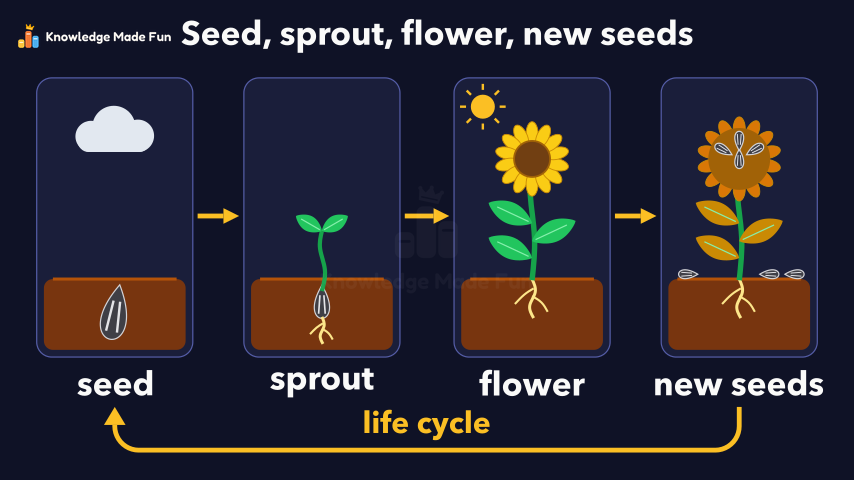
A Sunflower's Life Cycle: Seed, Sprout, Flower, Seed
Kindergarten · 1 min 3 s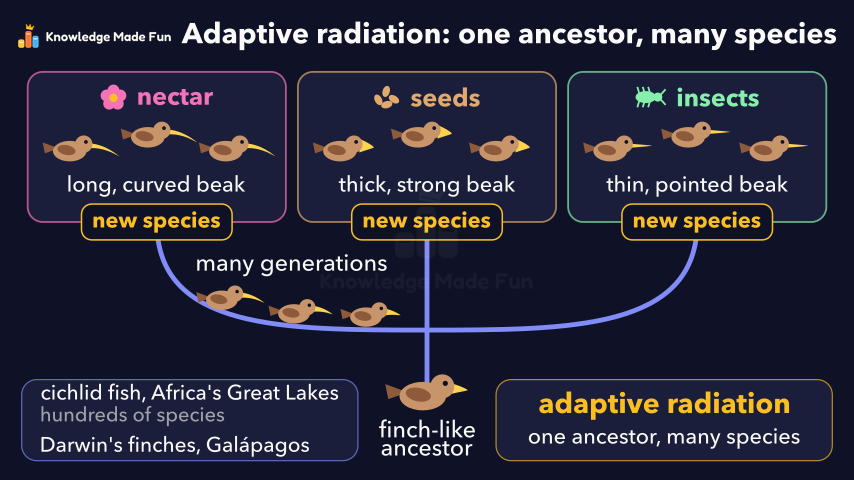 1 min 48 s
Adaptive radiation: one ancestor, many species
Grade 10 · 1 min 48 s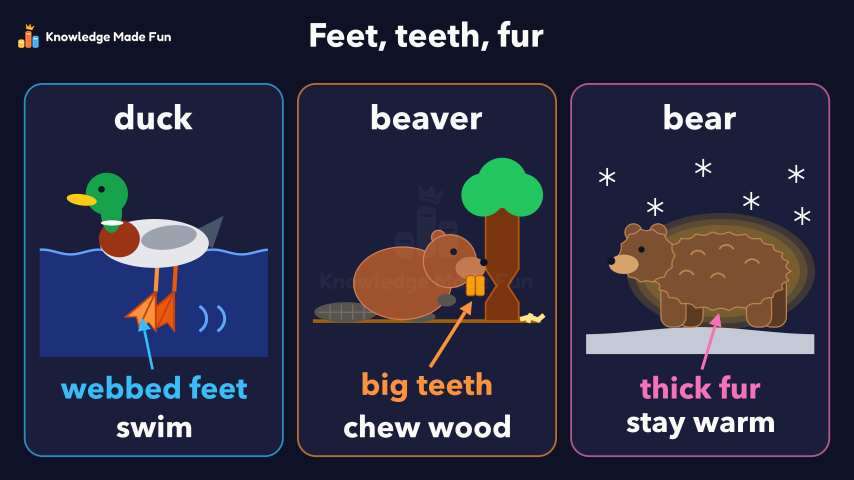 52 s
Animal Bodies That Help Them Live: Feet, Teeth and Fur
Kindergarten · 52 s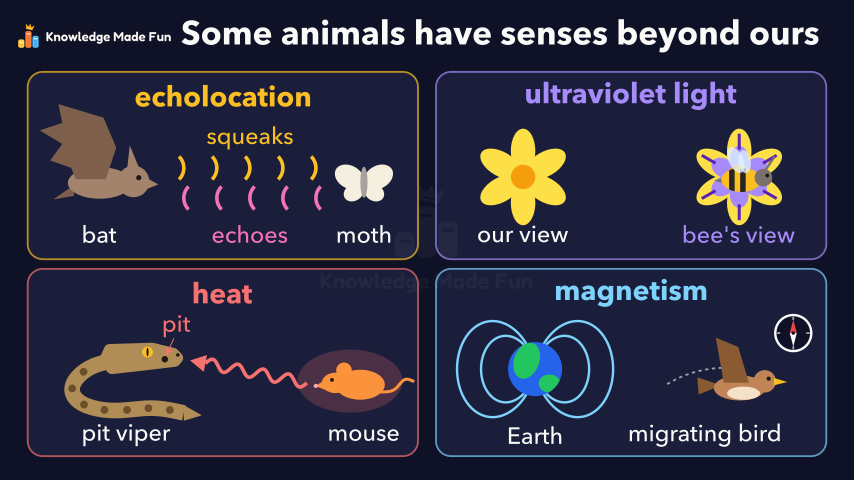 1 min 3 s
Animal senses beyond ours: echolocation, ultraviolet light, heat and magnetism
Grade 4 · 1 min 3 s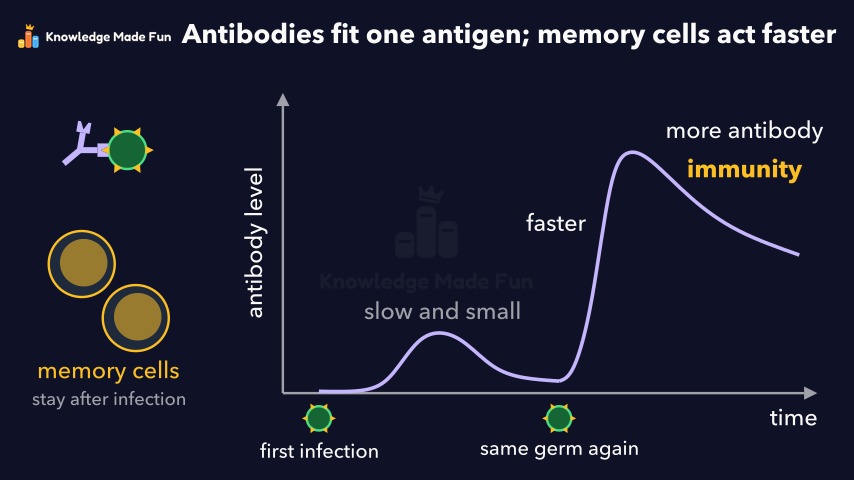 1 min 44 s
Antibodies and Memory Cells: The Body's Targeted Defence
Grade 8 · 1 min 44 s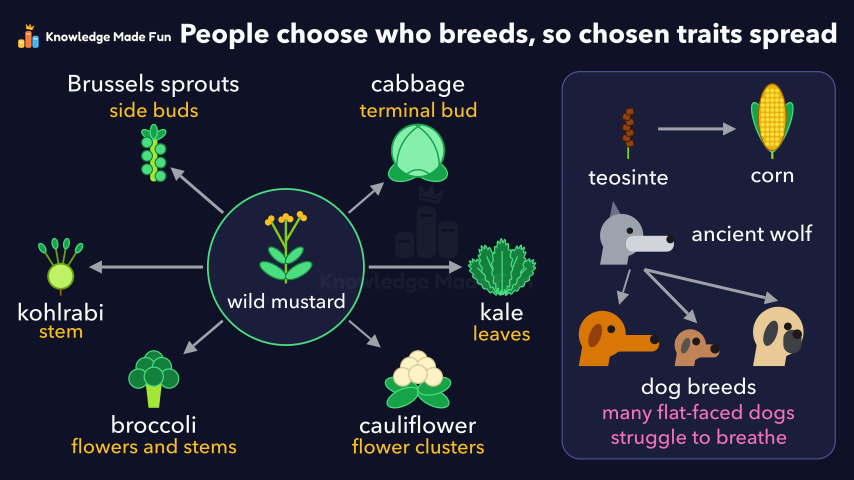 1 min 44 s
Artificial selection: people choose the traits
Grade 10 · 1 min 44 s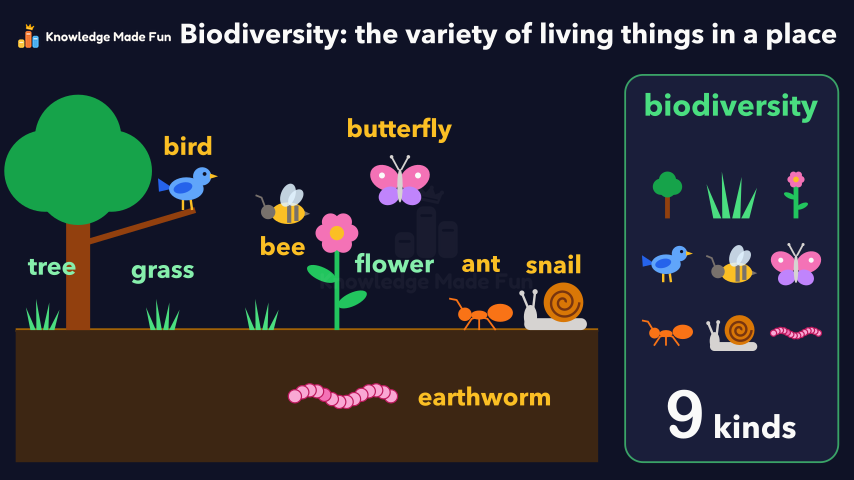 1 min 4 s
Biodiversity: The Variety of Living Things
Grade 3 · 1 min 4 s 1 min 8 s
Biomes: Sorted by Temperature and Precipitation
Grade 4 · 1 min 8 s
- All Grade 5 Science lessons
- Create a free account to watch three lessons a day, no payment and no card.