Lesson · Grade 9 · Science
Fission, budding and spores: reproducing without a partner
- Grade 9
- Science
- 1 min 46 s
- British Columbia
- BC9-SC-03
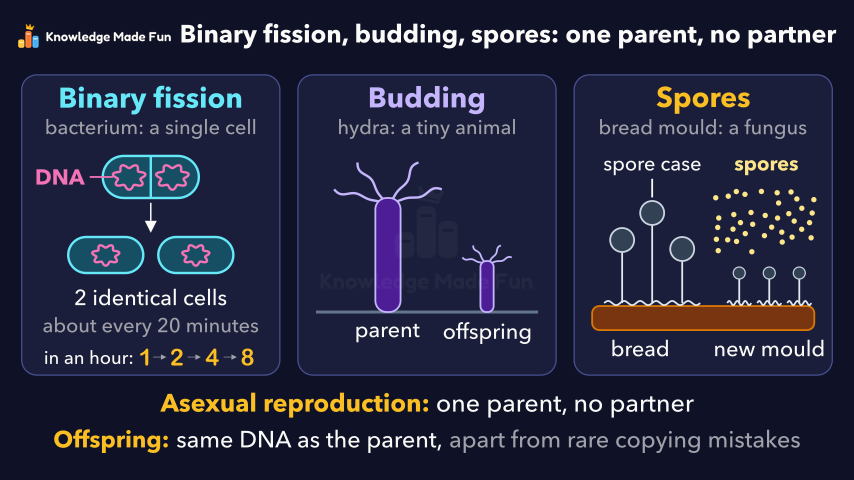
One three-panel diagram builds up step by step: a bacterium copies its DNA and splits in two (and can go from 1 to 8 cells in an hour), a hydra grows a bud that breaks off, and bread mould releases spores that land and grow into new mould. A strip along the bottom explains that asexual reproduction needs only one parent and the offspring share that parent's DNA. A final point shows that the hydra is an animal, so reproducing without a partner is not only something microbes do.
Anyone can watch two lessons on the website without an account. Signing in is free, no payment and no card, and opens three a day; Plus has no limit.
Loading
In one sentence
The question this lesson answers
How can a living thing reproduce without a partner?
Reproducing with just one parent, and no partner, is called asexual reproduction.
Transcript
What the lesson says
How can a living thing reproduce without a partner?
Reproducing with just one parent, and no partner, is called asexual reproduction.
Here are three common ways: binary fission, budding and spores.
Binary fission means splitting in two. A bacterium, a single cell, does this.
First it copies its DNA, the genetic instructions for the cell.
Then it splits into two identical cells, each with a copy of the DNA.
Some bacteria can divide about every 20 minutes, so in an hour, one cell can become 2, then 4, then 8.
Budding is the second way. This is a hydra, a tiny animal that lives in fresh water.
A small bump called a bud grows on the side of the parent, then grows tentacles.
Then the bud breaks off, and the offspring lives on its own.
Spores are the third way. Bread mould is a fungus that grows round spore cases on thin stalks.
The cases burst and release thousands of spores, tiny cells carried by the air.
Each spore that lands on damp food can grow into a new mould.
In all three, the offspring have the same DNA as the parent, apart from rare copying mistakes. They are genetic copies.
And this is not only for microbes: the hydra is an animal.
Binary fission, budding and spores: three ways one parent can reproduce with no partner.
Curriculum
Where this fits
- British Columbia, Grade 9
Science, Biology: asexual reproduction: different formsBC9-SC-03
Previous: The Stages of Mitosis: One Cell Becomes TwoNext: Cloning and Grafting: Making Copies of Living Things
The outcomes and strands follow the British Columbia curriculum.
Keep going
 1 min 3 s
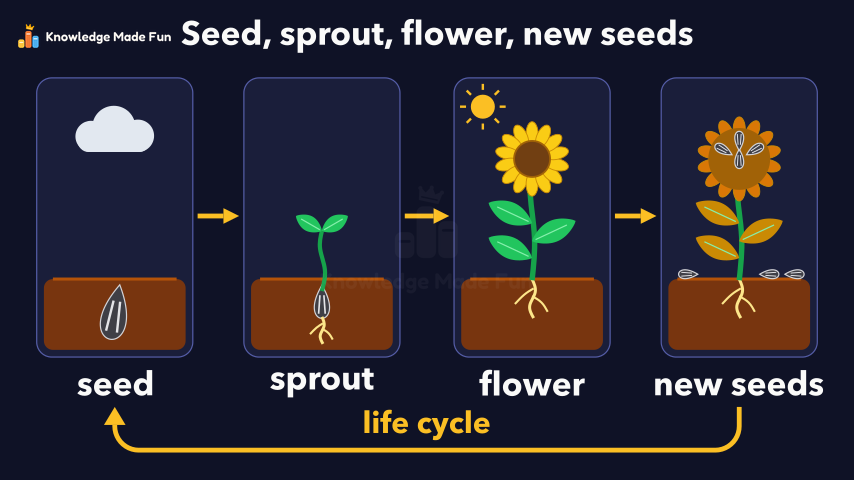
A Sunflower's Life Cycle: Seed, Sprout, Flower, Seed
Kindergarten · 1 min 3 s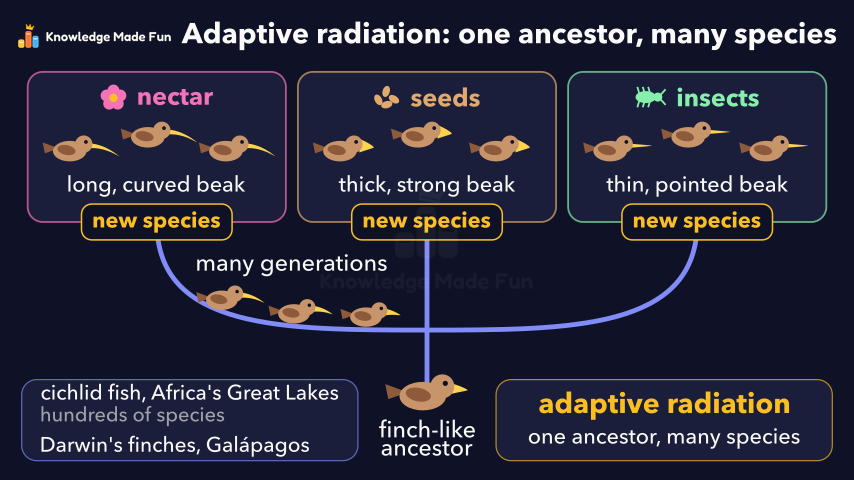 1 min 48 s
Adaptive radiation: one ancestor, many species
Grade 10 · 1 min 48 s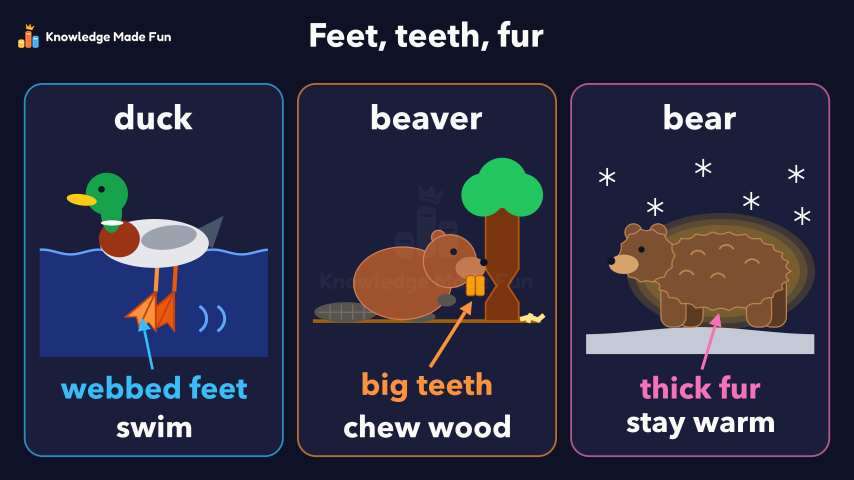 52 s
Animal Bodies That Help Them Live: Feet, Teeth and Fur
Kindergarten · 52 s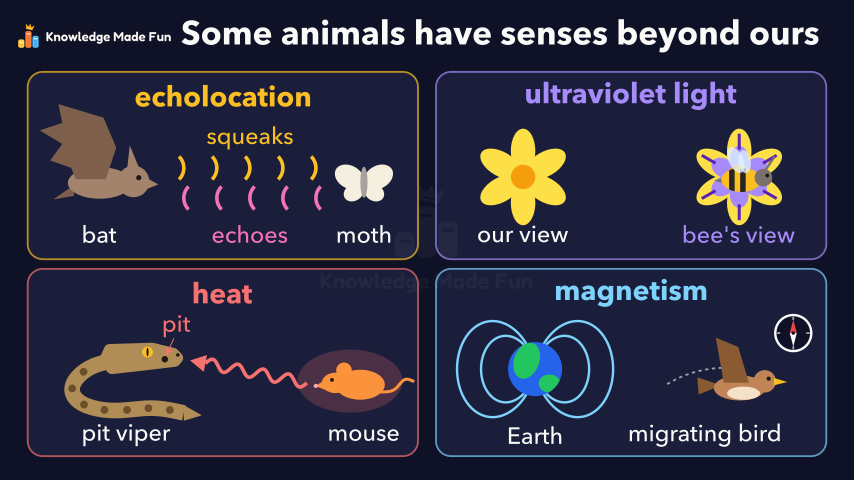 1 min 3 s
Animal senses beyond ours: echolocation, ultraviolet light, heat and magnetism
Grade 4 · 1 min 3 s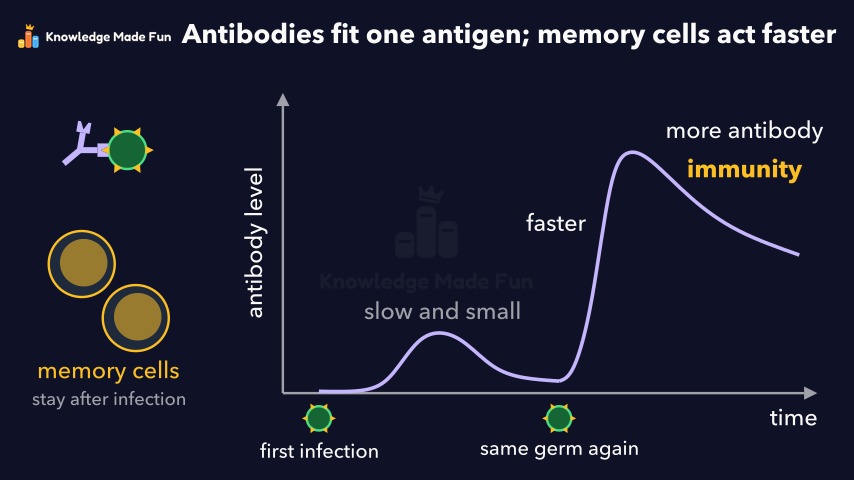 1 min 44 s
Antibodies and Memory Cells: The Body's Targeted Defence
Grade 8 · 1 min 44 s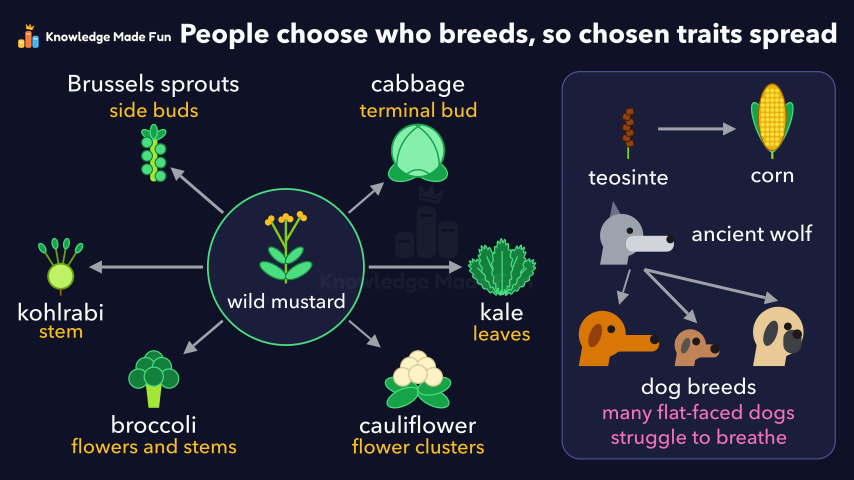 1 min 44 s
Artificial selection: people choose the traits
Grade 10 · 1 min 44 s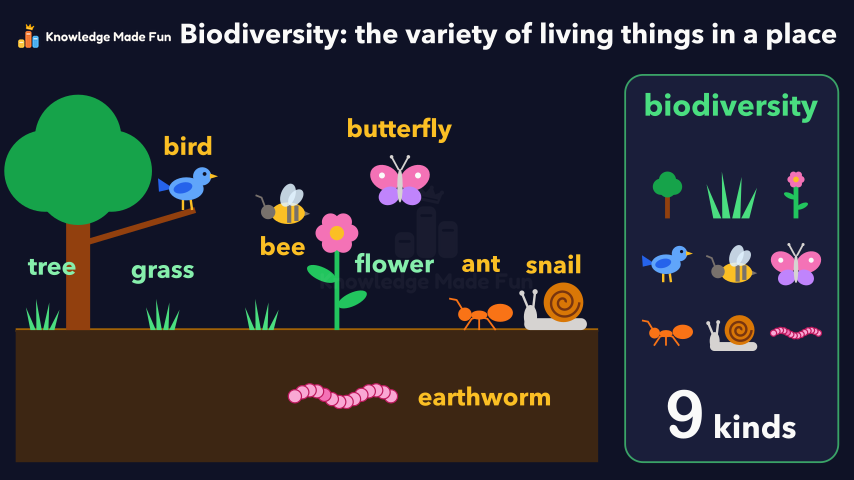 1 min 4 s
Biodiversity: The Variety of Living Things
Grade 3 · 1 min 4 s 1 min 8 s
Biomes: Sorted by Temperature and Precipitation
Grade 4 · 1 min 8 s
- All Grade 9 Science lessons
- Create a free account to watch three lessons a day, no payment and no card.