Lesson · Grade 10 · Science
DNA: the double helix and its four bases
- Grade 10
- Science
- 1 min 56 s
- British Columbia
- BC10-SC-01
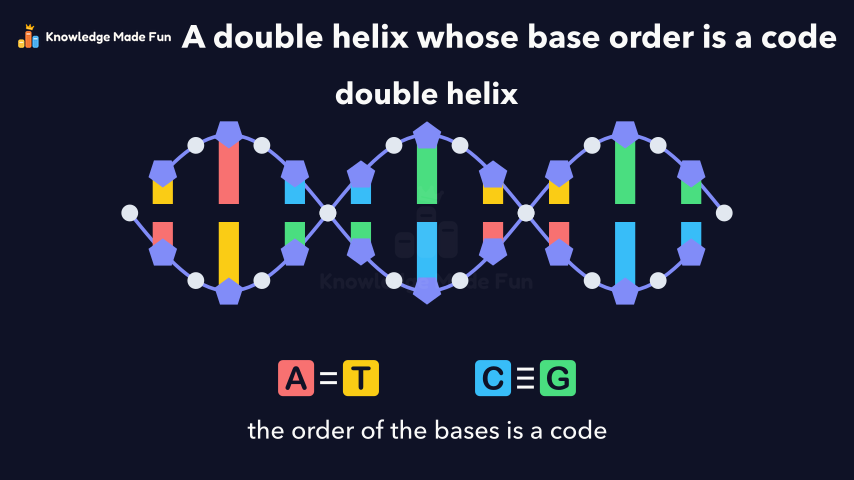
One labelled diagram builds DNA step by step: two sugar-phosphate backbones, the four bases (adenine, thymine, cytosine, guanine) paired A with T and C with G by weak hydrogen bonds, a nucleotide, and the twist into the double helix that Watson and Crick described in 1953 using Rosalind Franklin's X-ray image. The same molecule then shows that the order of the bases is a code (three bases for one amino acid), that DNA unzips so each strand is a template for two identical copies, and that nearly every cell has the same DNA but uses different parts of it.
Concept: DNA structure: the double helix and its four bases
Anyone can watch two lessons on the website without an account. Signing in is free, no payment and no card, and opens three a day; Plus has no limit.
Loading
In one sentence
The question this lesson answers
DNA holds the instructions for every living thing. But what does it look like?
DNA has two strands. Each has a backbone, a chain of sugar and phosphate.
Transcript
What the lesson says
DNA holds the instructions for every living thing. But what does it look like?
DNA has two strands. Each has a backbone, a chain of sugar and phosphate.
Each sugar carries one of four bases: adenine, thymine, cytosine and guanine.
Across the middle, A always pairs with T, and C always pairs with G.
Weak hydrogen bonds hold each pair together.
Together, one sugar, one phosphate and one base make a unit called a nucleotide.
The two strands twist around each other into a spiral called a double helix.
In 1953, Watson and Crick described the double helix, using Rosalind Franklin's X-ray image.
The order of the bases along a strand is a code for building proteins.
Each group of three bases stands for one amino acid. A chain of amino acids makes a protein.
To copy itself, DNA unzips. The hydrogen bonds break and the two strands come apart.
Each strand is a template, a pattern for a new strand. New bases pair up, A with T and C with G.
This makes two identical copies of DNA, each with one old strand and one new strand.
When a cell divides, each new cell gets a copy, so nearly every cell in your body has the same DNA.
So why are skin and muscle cells different? They use different parts of the same DNA.
DNA is a double helix of base pairs, A with T and C with G, and the order of its bases is a code.
Curriculum
Where this fits
- British Columbia, Grade 10
Science 10, Biology: DNA structure and functionBC10-SC-01
- British Columbia, Grade 12
Anatomy and Physiology 12, Genetics: DNA: the cell's genetic informationBC12-SC-15
Next: Genetic Engineering: Moving a Gene into Another Organism
This lesson is also listed in Grade 12.
The outcomes and strands follow the British Columbia curriculum.
Keep going
 1 min 3 s
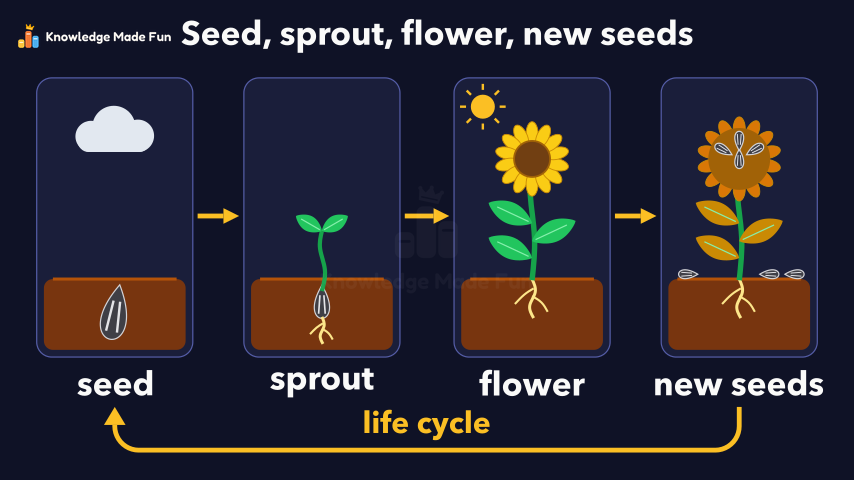
A Sunflower's Life Cycle: Seed, Sprout, Flower, Seed
Kindergarten · 1 min 3 s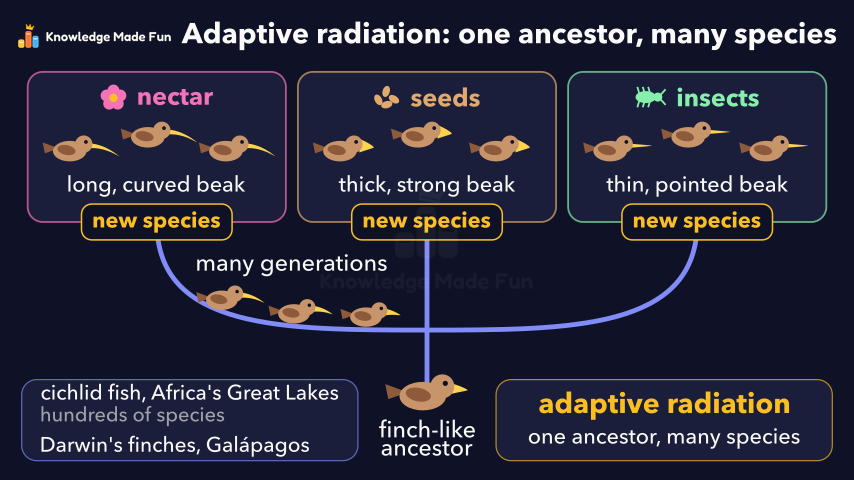 1 min 48 s
Adaptive radiation: one ancestor, many species
Grade 10 · 1 min 48 s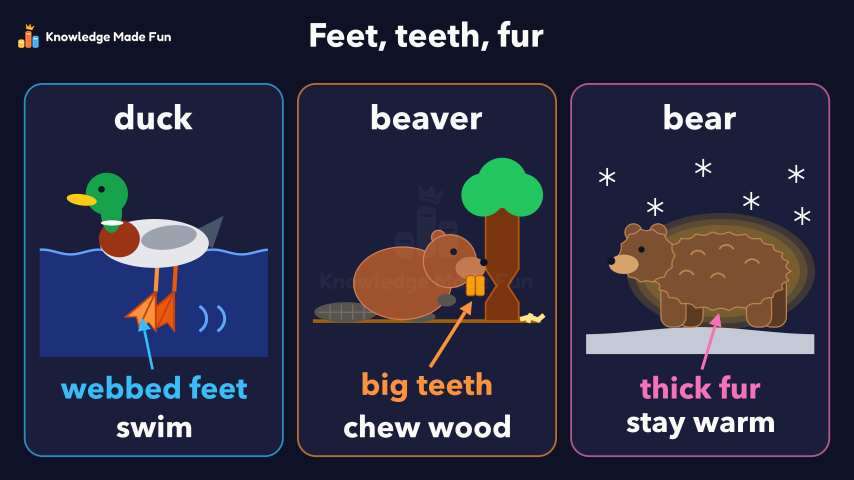 52 s
Animal Bodies That Help Them Live: Feet, Teeth and Fur
Kindergarten · 52 s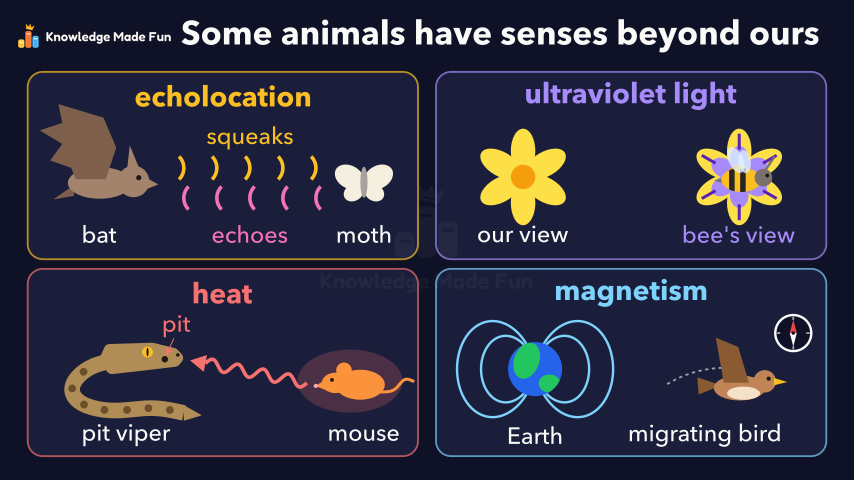 1 min 3 s
Animal senses beyond ours: echolocation, ultraviolet light, heat and magnetism
Grade 4 · 1 min 3 s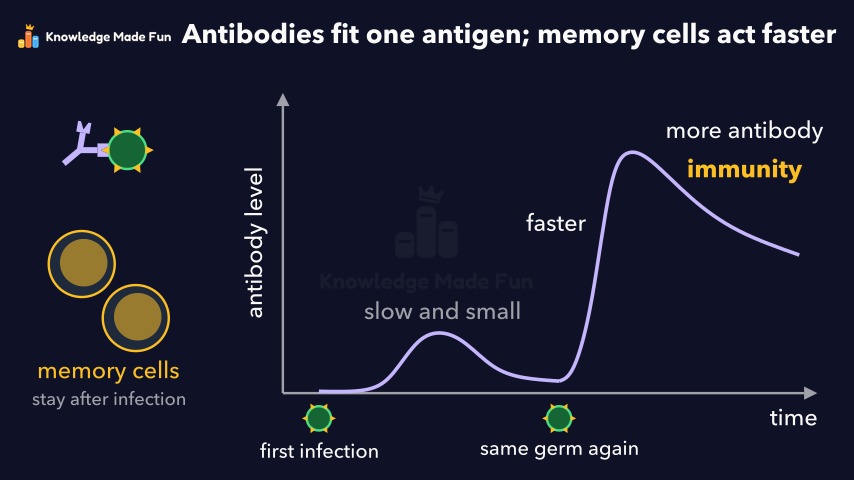 1 min 44 s
Antibodies and Memory Cells: The Body's Targeted Defence
Grade 8 · 1 min 44 s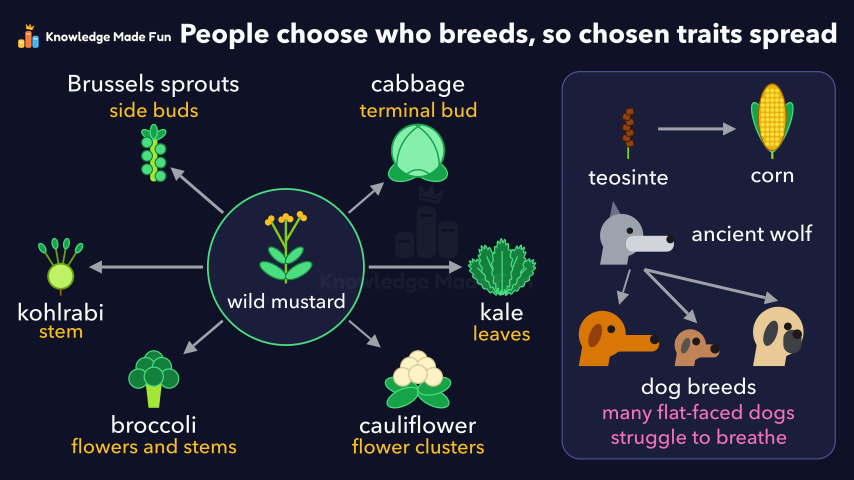 1 min 44 s
Artificial selection: people choose the traits
Grade 10 · 1 min 44 s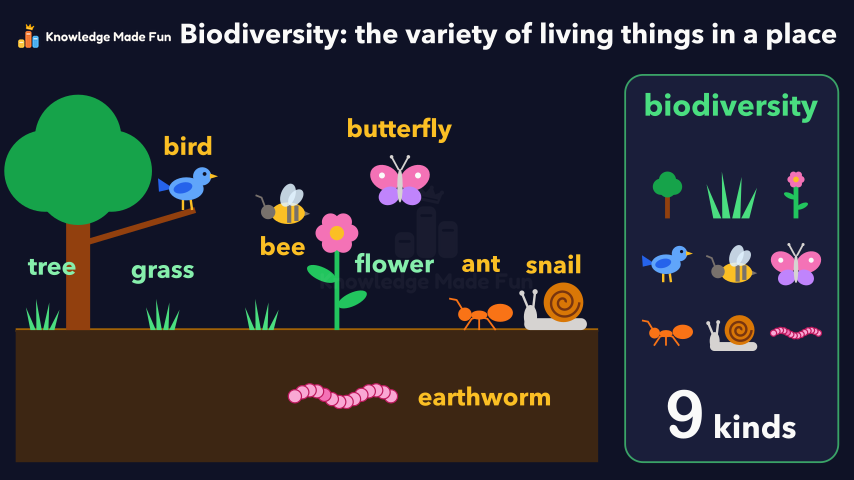 1 min 4 s
Biodiversity: The Variety of Living Things
Grade 3 · 1 min 4 s 1 min 8 s
Biomes: Sorted by Temperature and Precipitation
Grade 4 · 1 min 8 s
- All Grade 10 Science lessons
- Create a free account to watch three lessons a day, no payment and no card.