Lesson · Grade 10 · Science
DNA profiling: matching DNA in forensic science
- Grade 10
- Science
- 1 min 55 s
- British Columbia
- BC10-SC-16
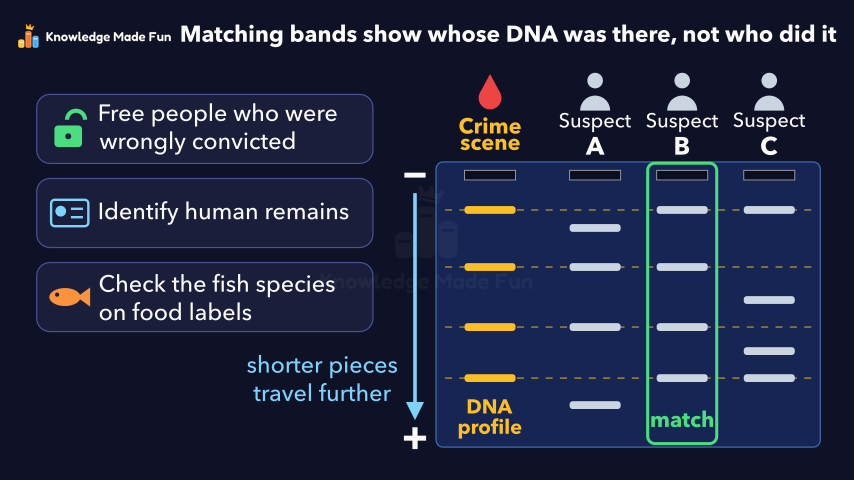
A labelled diagram builds up step by step: short tandem repeats differ between people, PCR copies them, and gel electrophoresis sorts the copies by size into a band pattern, so a crime-scene sample can be compared with Suspects A, B and C, and only B matches every band. It then explains that a match shows whose DNA was there, not who committed the crime, and that DNA matching also frees people who were wrongly convicted, identifies human remains and checks the fish species on food labels.
Anyone can watch two lessons on the website without an account. Signing in is free, no payment and no card, and opens three a day; Plus has no limit.
Loading
In one sentence
The question this lesson answers
Blood is found at a crime scene, and there are three suspects. Whose DNA is in the blood?
Some stretches of DNA have a short code repeated again and again in a row. These are called short tandem repeats.
Transcript
What the lesson says
Blood is found at a crime scene, and there are three suspects. Whose DNA is in the blood?
Some stretches of DNA have a short code repeated again and again in a row. These are called short tandem repeats.
The number of repeats differs from person to person. Person 1 has 3 repeats, and Person 2 has 5.
Across many of these stretches, the pattern is unique to each person, except identical twins, who share it.
First, a method called PCR copies these stretches millions of times.
Next, gel electrophoresis sorts the copies by size. The crime-scene sample goes into a well in a slab of gel.
DNA has a negative charge, so an electric current pulls it toward the positive end.
Shorter pieces, with fewer repeats, slip through the gel more easily and travel further.
The sample ends up as a pattern of bands, called its DNA profile.
Samples from Suspect A, Suspect B and Suspect C are tested the same way.
Line up the bands. Suspects A and C share some bands with the crime scene, but not all.
Suspect B matches every band, so the DNA very likely came from Suspect B.
But a match does not prove guilt. It shows that Suspect B's DNA was there, not how or when it got there.
DNA matching also helps free people who were wrongly convicted, identify human remains, and check the fish species on food labels.
So matching band patterns show whose DNA was at the scene, not who committed the crime.
Curriculum
Where this fits
- British Columbia, Grade 10
Science 10, Biology: applied genetics and ethical considerationsBC10-SC-16
Previous: Genetic Engineering: Moving a Gene into Another OrganismNext: Gene therapy: fixing a faulty gene
The outcomes and strands follow the British Columbia curriculum.
Keep going
 1 min 3 s
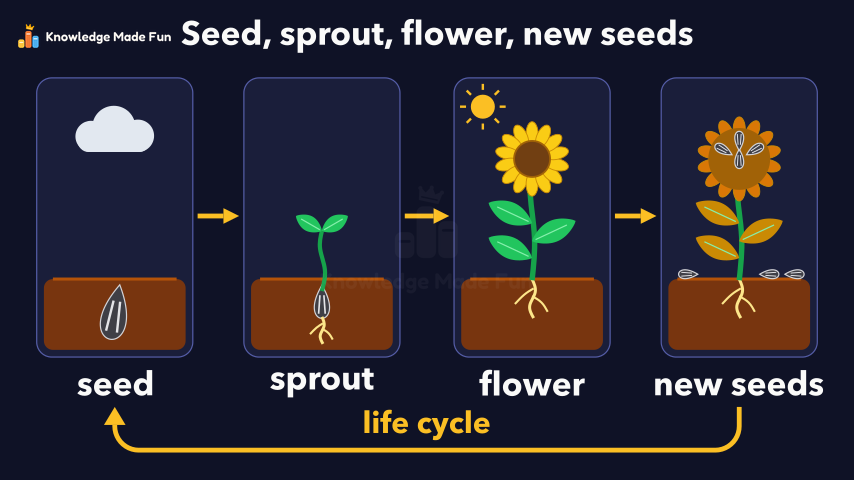
A Sunflower's Life Cycle: Seed, Sprout, Flower, Seed
Kindergarten · 1 min 3 s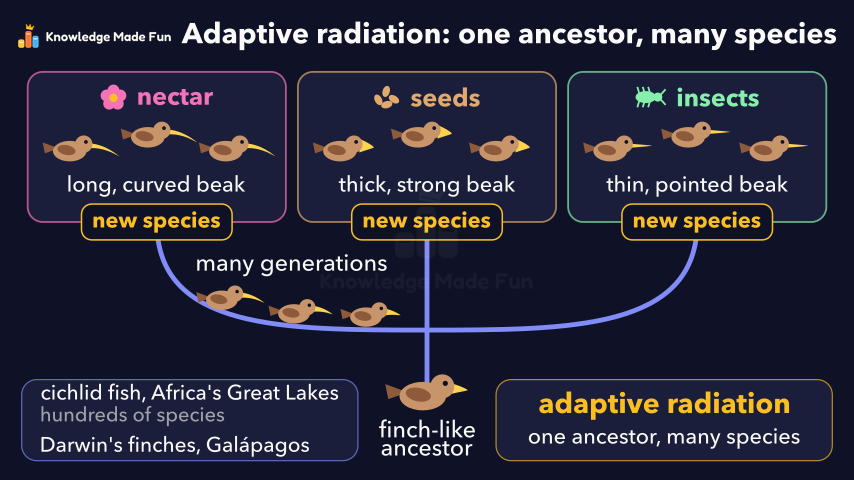 1 min 48 s
Adaptive radiation: one ancestor, many species
Grade 10 · 1 min 48 s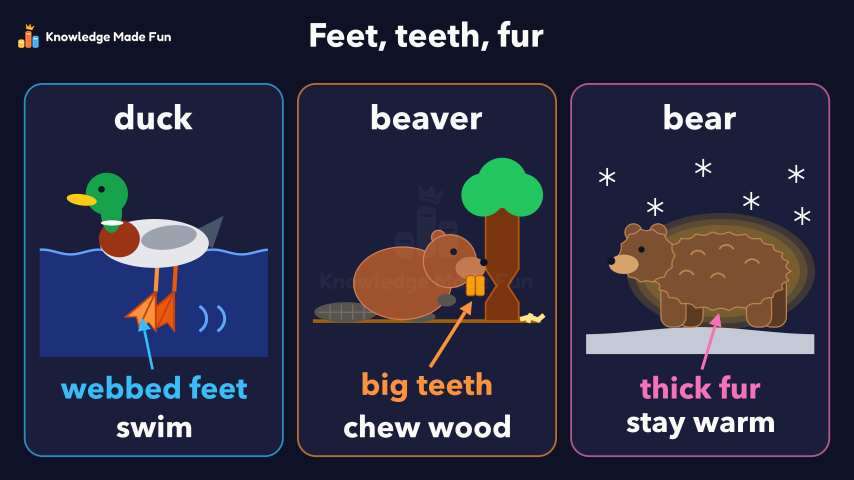 52 s
Animal Bodies That Help Them Live: Feet, Teeth and Fur
Kindergarten · 52 s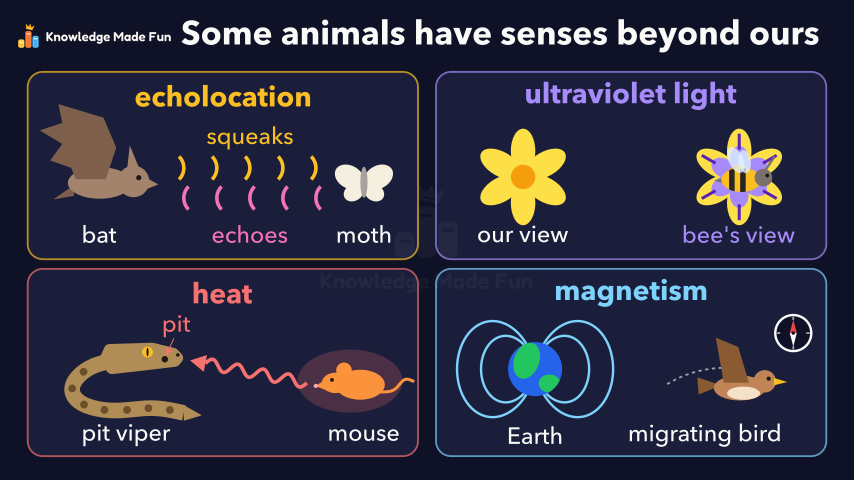 1 min 3 s
Animal senses beyond ours: echolocation, ultraviolet light, heat and magnetism
Grade 4 · 1 min 3 s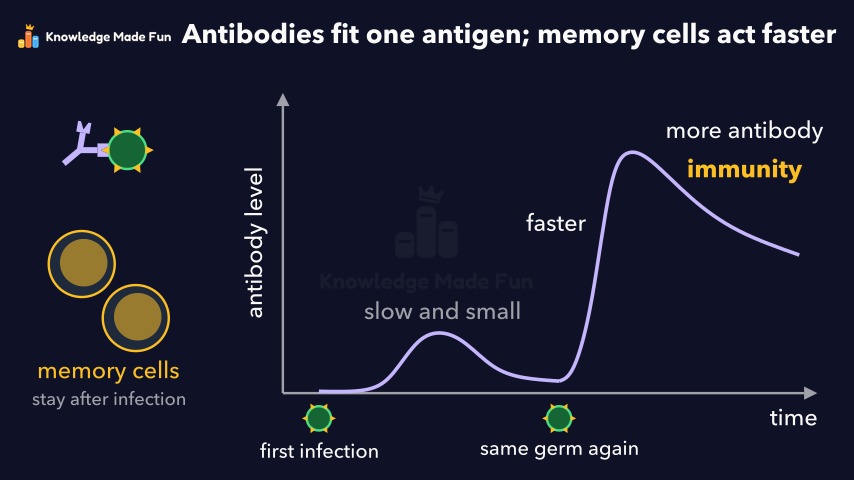 1 min 44 s
Antibodies and Memory Cells: The Body's Targeted Defence
Grade 8 · 1 min 44 s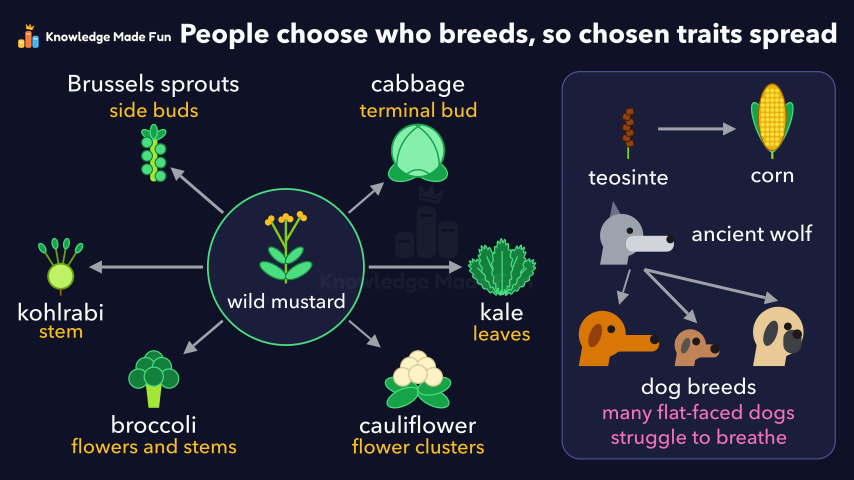 1 min 44 s
Artificial selection: people choose the traits
Grade 10 · 1 min 44 s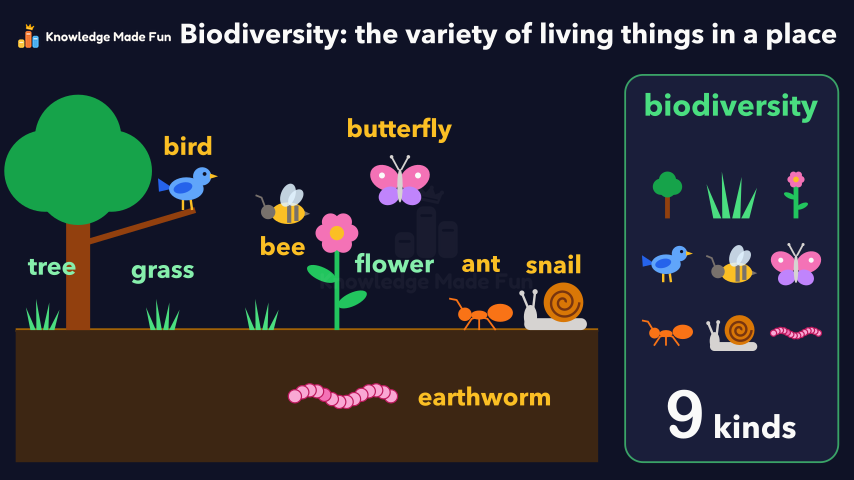 1 min 4 s
Biodiversity: The Variety of Living Things
Grade 3 · 1 min 4 s 1 min 8 s
Biomes: Sorted by Temperature and Precipitation
Grade 4 · 1 min 8 s
- All Grade 10 Science lessons
- Create a free account to watch three lessons a day, no payment and no card.