Lesson · Grade 6 · Social Studies
The United Nations: what it is and what it does
- Grade 6
- Social Studies
- 1 min 15 s
- British Columbia
- BC6-SS-06
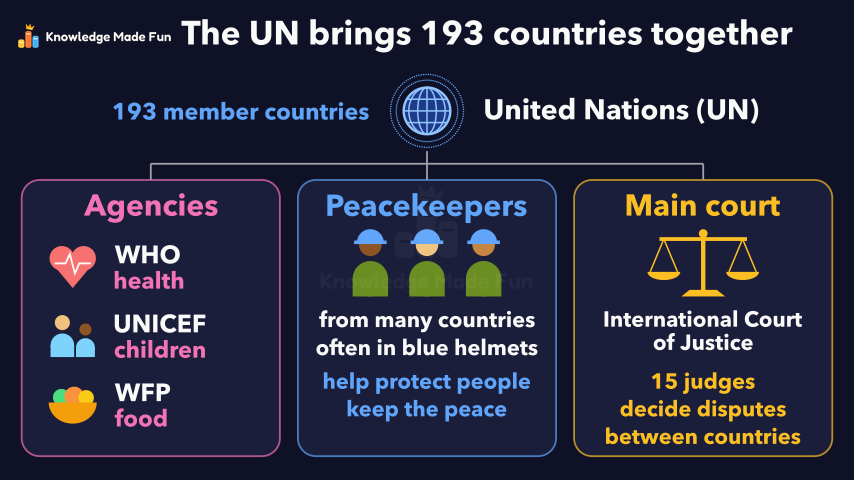
A globe ringed by 193 dots, one for each member country, builds up with the facts that the UN was founded in 1945 after the Second World War, that its main goals include keeping peace and countries working together, and that each member has one vote in the General Assembly. The globe then moves to the top of a simple chart with three cards for three parts of its work: agencies (WHO for health, UNICEF for children, WFP for food), peacekeepers who often wear blue helmets, and the International Court of Justice, whose 15 judges decide disputes between countries, ending on the recap "The UN brings 193 countries together".
Anyone can watch two lessons on the website without an account. Signing in is free, no payment and no card, and opens three a day; Plus has no limit.
Loading
In one sentence
The question this lesson answers
What is the United Nations, and what does it do?
The United Nations, or UN, was founded in 1945, after the Second World War.
Transcript
What the lesson says
What is the United Nations, and what does it do?
The United Nations, or UN, was founded in 1945, after the Second World War.
Today, 193 countries are members of the UN.
Its main goals include keeping peace and helping countries work together.
In the General Assembly, every member country has one vote.
Here are three parts of its work: agencies, peacekeepers and its main court.
The UN has many agencies, and each one works on its own area.
The World Health Organization works on health, UNICEF helps children, and the World Food Programme provides food.
Peacekeepers come from many member countries and often wear blue helmets.
They help protect people and keep the peace in places hit by war.
The International Court of Justice is the UN's main court.
Its 15 judges decide legal disputes between countries.
The UN brings 193 countries together to keep peace and help people.
Curriculum
Where this fits
- British Columbia, Grade 6
Social Studies, Governance: roles of individuals, governmental organizations, and NGOs, including groups representing indigenous peoplesBC6-SS-06
The outcomes and strands follow the British Columbia curriculum.
Keep going
 1 min 9 s
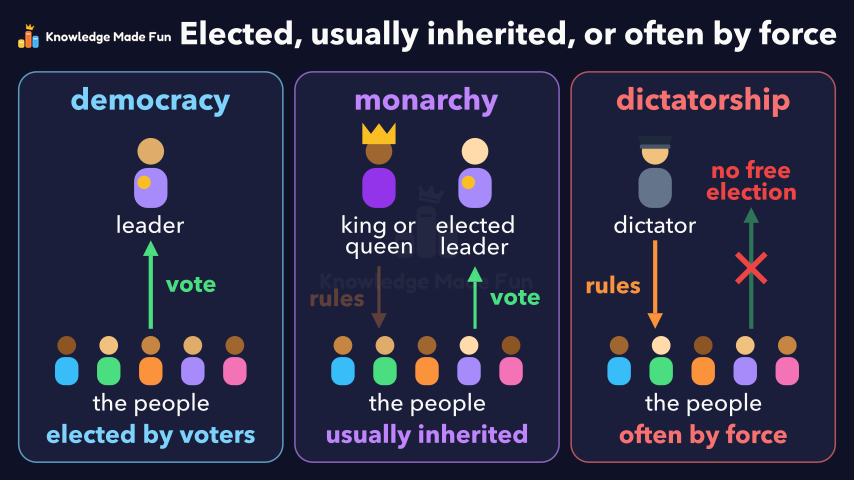
Democracy, Monarchy and Dictatorship: Who Holds the Power?
Grade 6 · 1 min 9 s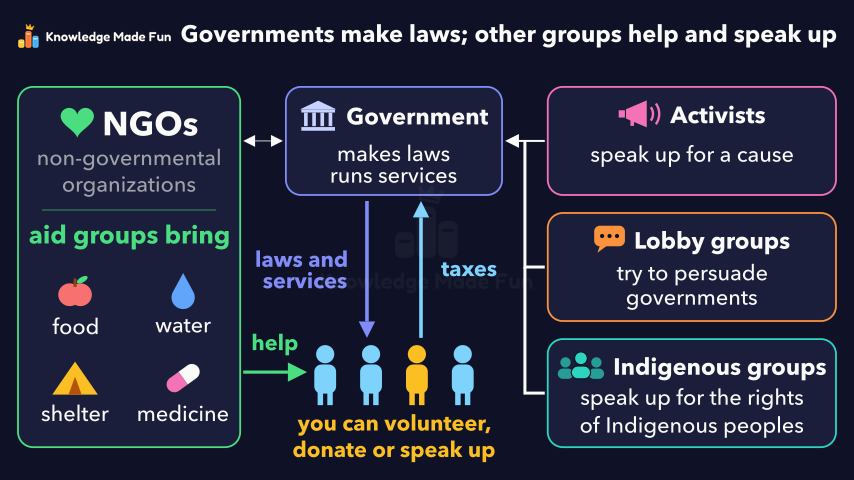 1 min 3 s
Governments, NGOs and Aid Groups: Who Does What
Grade 6 · 1 min 3 s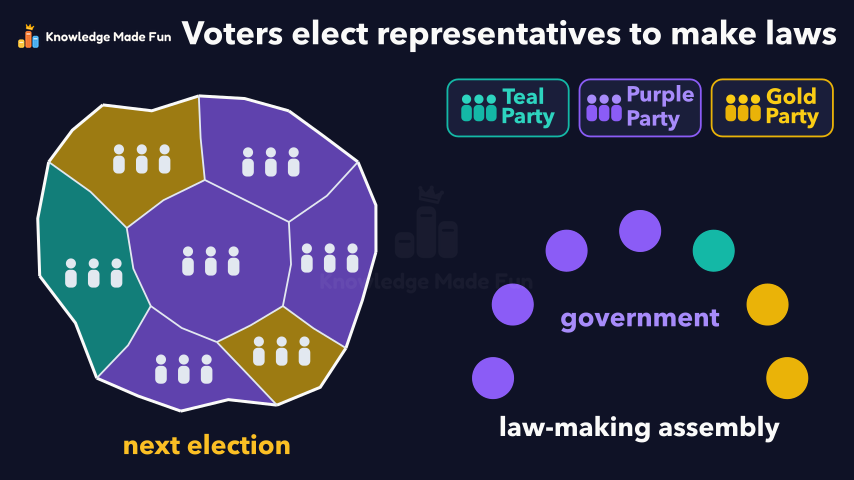 1 min 16 s
How Elections Work: Parties, Voting and Representation
Grade 6 · 1 min 16 s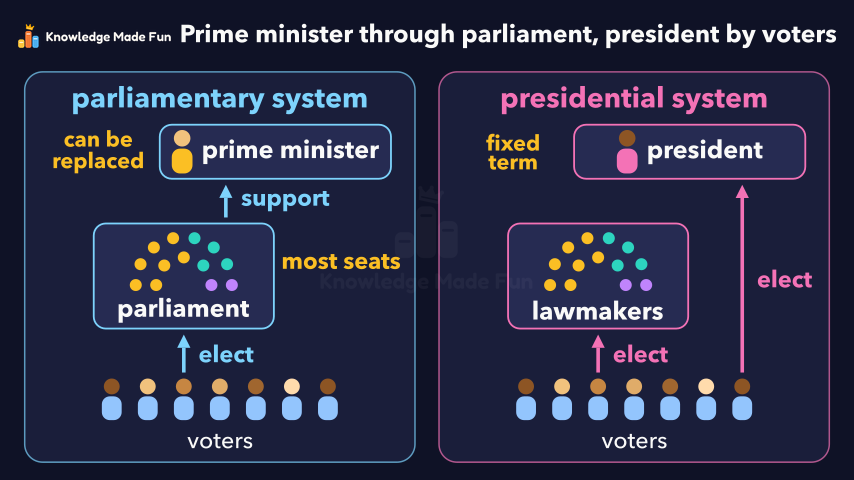 1 min 4 s
Parliament or president: two kinds of democracy
Grade 6 · 1 min 4 s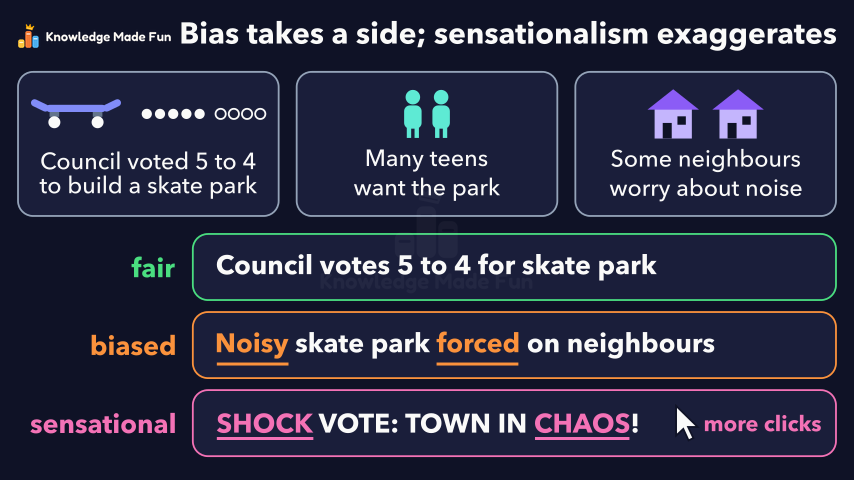 1 min 9 s
Bias and Sensationalism: One Story, Three Headlines
Grade 6 · 1 min 9 s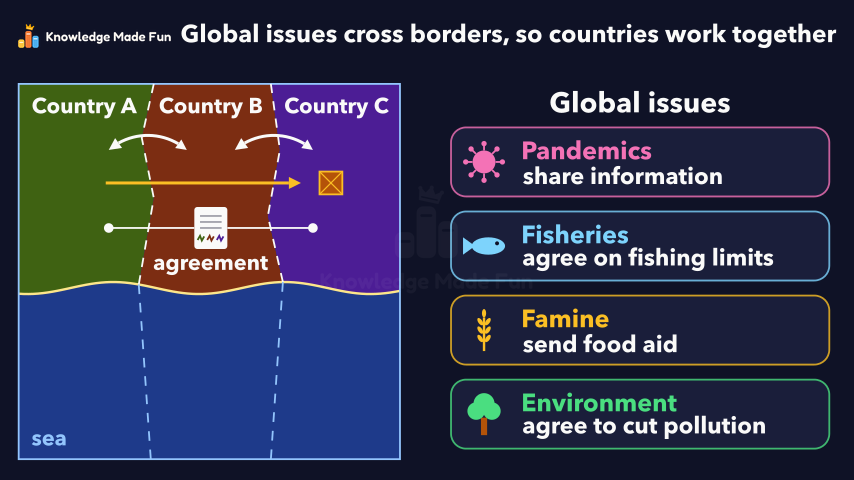 1 min 20 s
Countries Working Together on Global Problems
Grade 6 · 1 min 20 s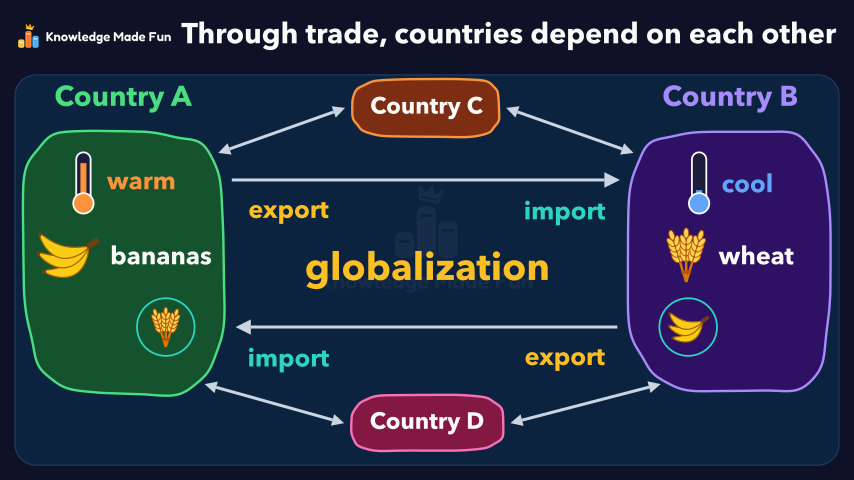 1 min 15 s
Globalization: How Countries Depend on Each Other
Grade 6 · 1 min 15 s 1 min 11 s
How News and Rumours Spread on Social Media
Grade 6 · 1 min 11 s
- All Grade 6 Social Studies lessons
- Create a free account to watch three lessons a day, no payment and no card.