Lesson · Grade 6 · Social Studies
Bias and Sensationalism: One Story, Three Headlines
- Grade 6
- Social Studies
- 1 min 9 s
- British Columbia
- BC6-SS-20
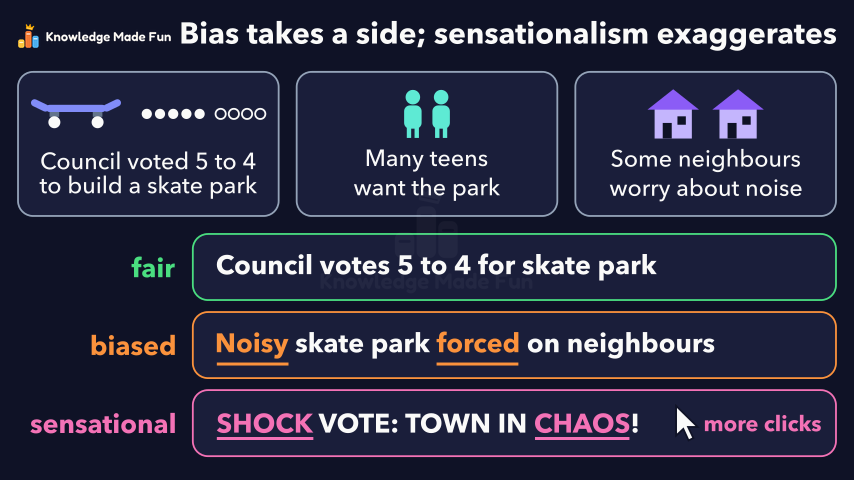
The facts of a made-up event (a council votes 5 to 4 for a skate park, many teens want it, some neighbours worry about noise) are shown next to three made-up headlines about it: a fair one, a biased one and a sensational one. The video highlights the loaded words and the side the biased headline leaves out, and the dramatic words the sensational headline uses to get more clicks. It ends by asking what the facts are and what is missing.
Concept: Bias and sensationalism in the news
Anyone can watch two lessons on the website without an account. Signing in is free, no payment and no card, and opens three a day; Plus has no limit.
Loading
In one sentence
The question this lesson answers
Can the same news story be told in different ways?
In a made-up town, the council voted 5 to 4 to build a skate park.
Transcript
What the lesson says
Can the same news story be told in different ways?
In a made-up town, the council voted 5 to 4 to build a skate park.
Many teens want the park, but some neighbours worry about noise.
A fair headline sticks to the facts and uses calm words.
Bias means a story leans toward one side.
This headline uses loaded words, which carry strong feelings, like noisy and forced.
It also leaves out the other side: many teens want the park.
Sensationalism makes a story sound more shocking than it really is.
It uses dramatic words like shock and chaos to grab your attention.
But the facts say nothing about chaos, only a close vote.
Some news sites do this because shocking headlines can get more clicks.
When you read the news, ask: what are the facts, and what is missing?
Remember: bias takes a side, and sensationalism exaggerates.
Curriculum
Where this fits
- British Columbia, Grade 6
Social Studies, Global issues: media technologies and coverage of current eventsBC6-SS-20
Previous: Why Conflicts Start: Borders, Resources and PowerNext: Propaganda: how it persuades
The outcomes and strands follow the British Columbia curriculum.
Keep going
 1 min 20 s
Countries Working Together on Global Problems
Grade 6 · 1 min 20 s 1 min 15 s
Globalization: How Countries Depend on Each Other
Grade 6 · 1 min 15 s 1 min 11 s
How News and Rumours Spread on Social Media
Grade 6 · 1 min 11 s 1 min
Propaganda: how it persuades
Grade 6 · 1 min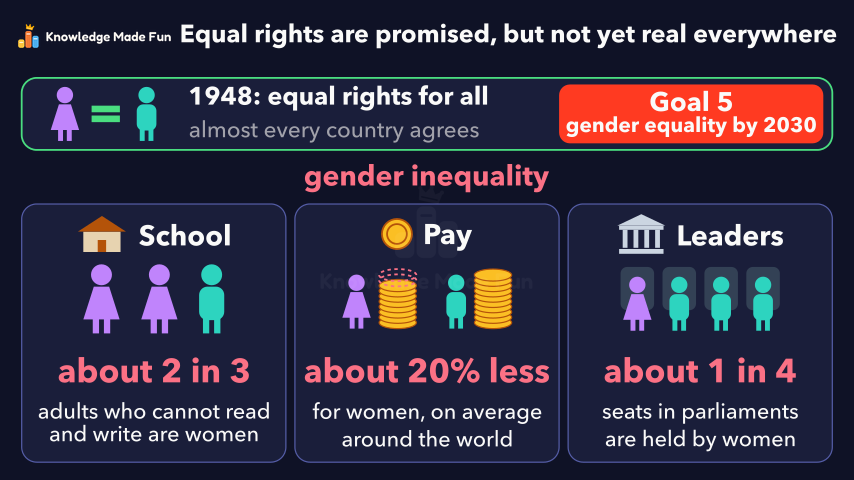 1 min 19 s
Rights for girls and women around the world
Grade 6 · 1 min 19 s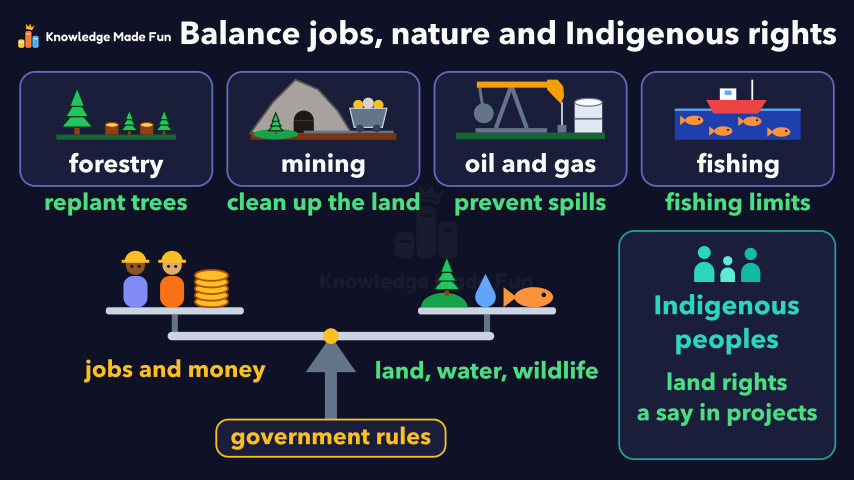 1 min 18 s
Using Natural Resources: Balancing Jobs and Nature
Grade 6 · 1 min 18 s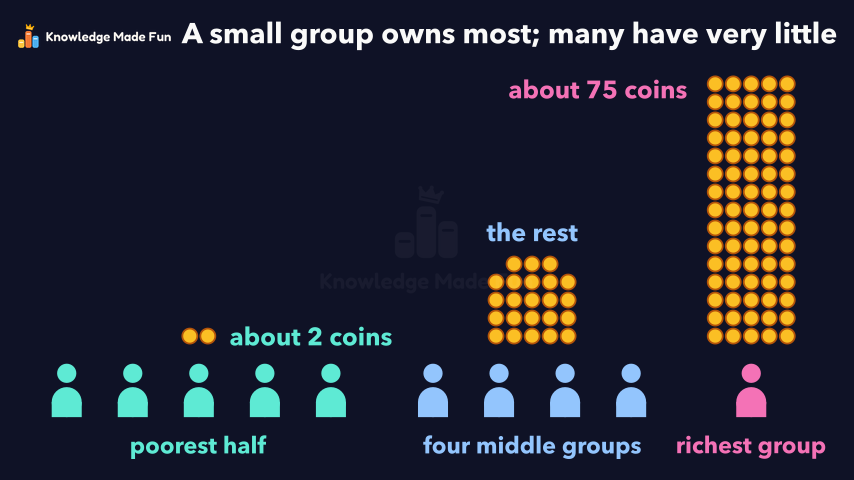 1 min 13 s
Who Owns the World's Wealth?
Grade 6 · 1 min 13 s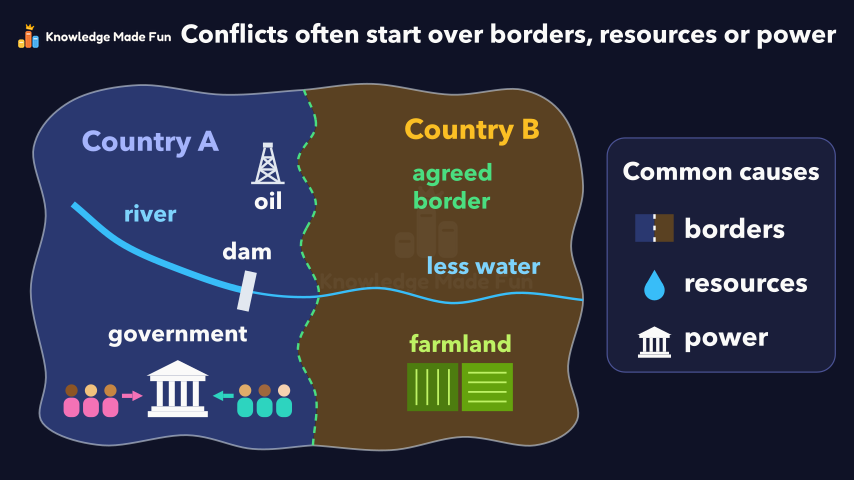 1 min 5 s
Why Conflicts Start: Borders, Resources and Power
Grade 6 · 1 min 5 s
- All Grade 6 Social Studies lessons
- Create a free account to watch three lessons a day, no payment and no card.