Lesson · Grade 6 · Social Studies
Using Natural Resources: Balancing Jobs and Nature
- Grade 6
- Social Studies
- 1 min 18 s
- British Columbia
- BC6-SS-13
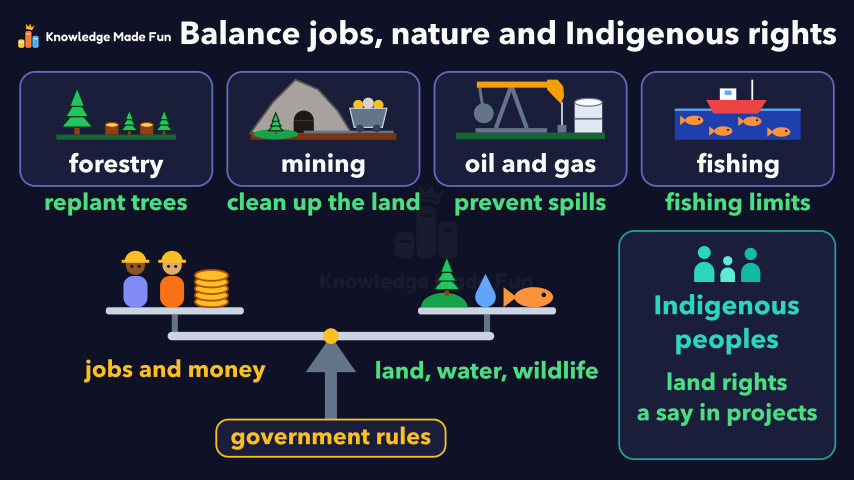
Forestry, mining, oil and gas, and fishing create jobs and money, but cutting too many trees, pollution from mines and spills, and overfishing can harm land, water and wildlife, tipping a balance away from nature. The video shows how this affects Indigenous peoples, who have land rights and should have a say, and how government rules like replanting, cleanup, preventing spills and fishing limits bring jobs and nature back into balance.
Concept: Using natural resources: balancing jobs and the environment
Anyone can watch two lessons on the website without an account. Signing in is free, no payment and no card, and opens three a day; Plus has no limit.
Loading
In one sentence
The question this lesson answers
Can we use natural resources and still protect nature?
Forestry, mining, oil and gas, and fishing all use natural resources.
Transcript
What the lesson says
Can we use natural resources and still protect nature?
Forestry, mining, oil and gas, and fishing all use natural resources.
These industries give many people jobs and bring in money.
Healthy land, water and wildlife matter too.
Cutting too many trees can destroy the homes of animals.
Mines and oil spills can pollute the land and water.
Catching too many fish, called overfishing, can leave too few to breed.
Many Indigenous peoples live on the lands where these resources are found.
Harm to nature can affect their food, water and ways of life.
Indigenous peoples have rights to their lands, and should have a say in projects there.
Governments can make rules that help balance jobs and nature.
One rule is to replant trees after cutting.
Companies can be made to prevent spills and clean up the land.
Fishing limits help leave enough fish to breed.
Using resources well means balancing jobs, nature and the rights of Indigenous peoples.
Curriculum
Where this fits
- British Columbia, Grade 6
Social Studies, Global issues: economic policies and resource management, including effects on indigenous peoplesBC6-SS-13
Previous: Rights for girls and women around the worldNext: Globalization: How Countries Depend on Each Other
The outcomes and strands follow the British Columbia curriculum.
Keep going
 1 min 9 s
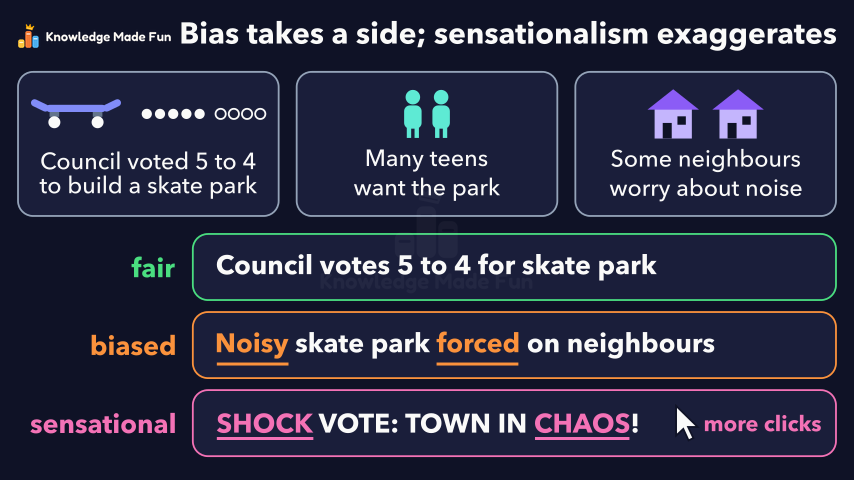
Bias and Sensationalism: One Story, Three Headlines
Grade 6 · 1 min 9 s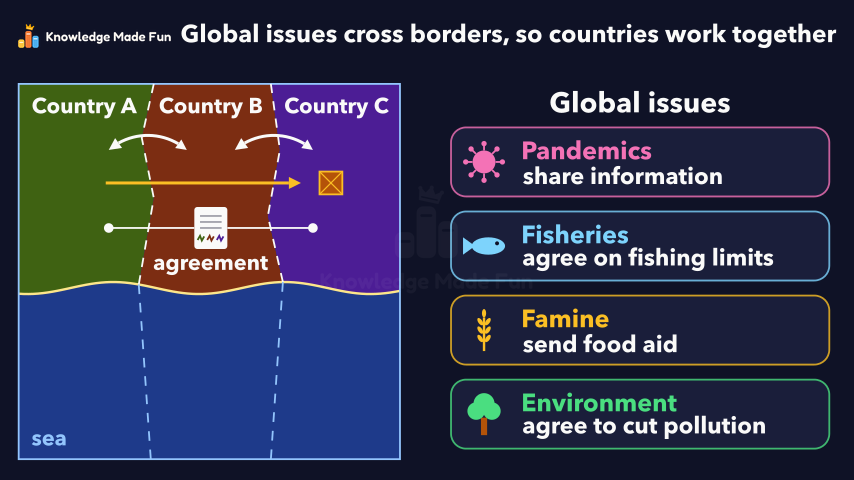 1 min 20 s
Countries Working Together on Global Problems
Grade 6 · 1 min 20 s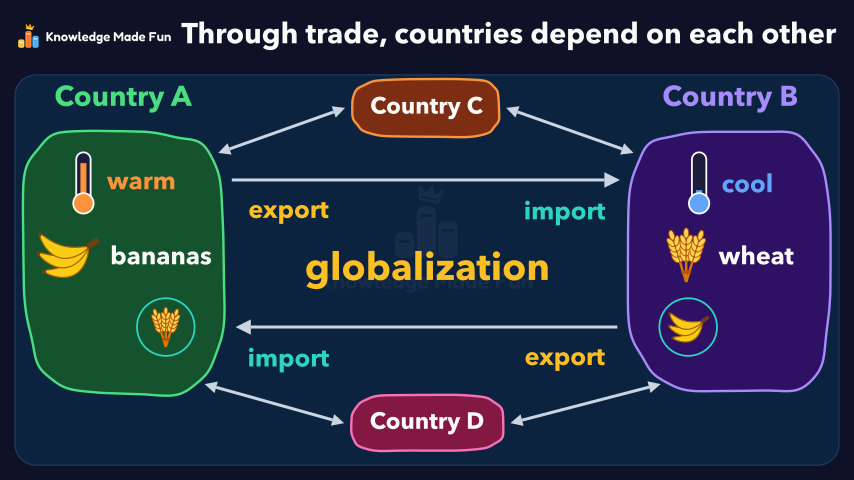 1 min 15 s
Globalization: How Countries Depend on Each Other
Grade 6 · 1 min 15 s 1 min 11 s
How News and Rumours Spread on Social Media
Grade 6 · 1 min 11 s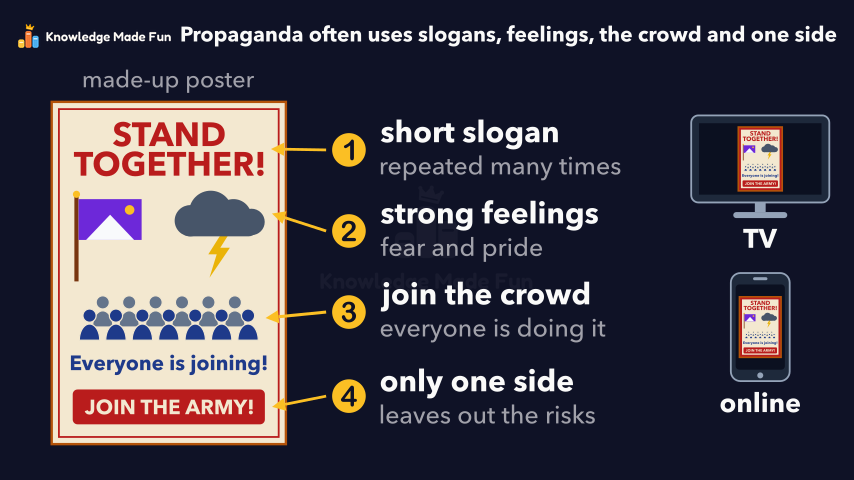 1 min
Propaganda: how it persuades
Grade 6 · 1 min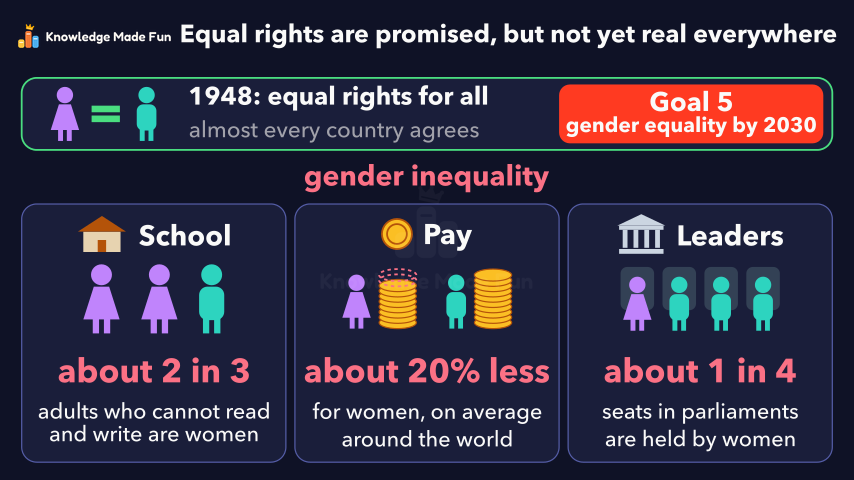 1 min 19 s
Rights for girls and women around the world
Grade 6 · 1 min 19 s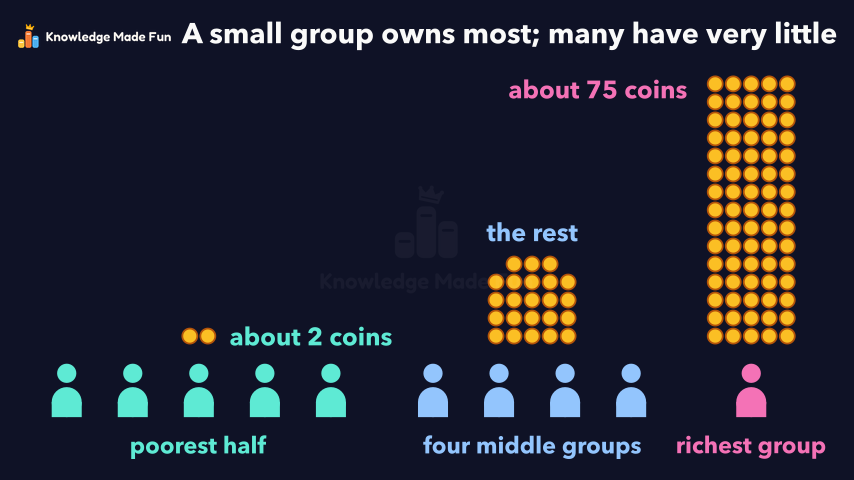 1 min 13 s
Who Owns the World's Wealth?
Grade 6 · 1 min 13 s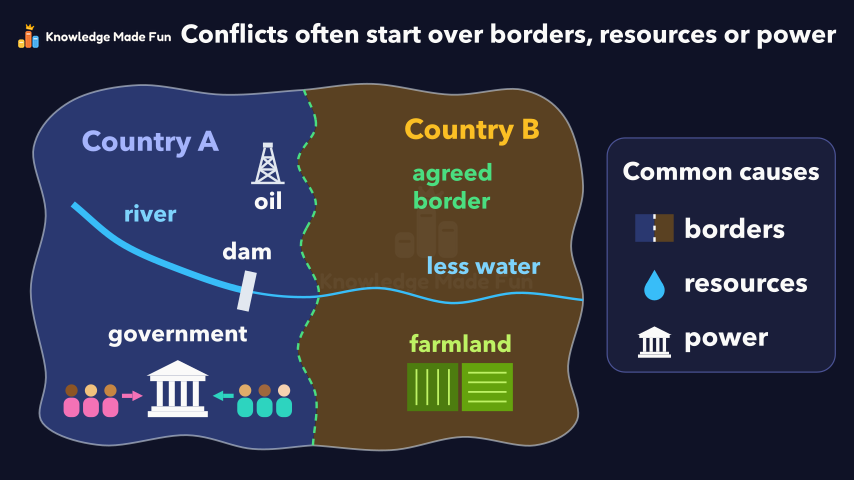 1 min 5 s
Why Conflicts Start: Borders, Resources and Power
Grade 6 · 1 min 5 s
- All Grade 6 Social Studies lessons
- Create a free account to watch three lessons a day, no payment and no card.