Lesson · Grade 6 · Social Studies
Globalization: How Countries Depend on Each Other
- Grade 6
- Social Studies
- 1 min 15 s
- British Columbia
- BC6-SS-15
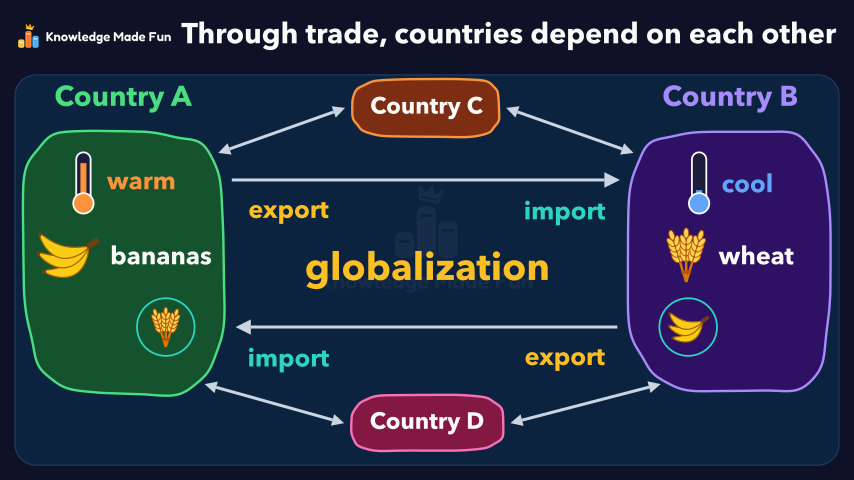
Country A, which is warm and grows bananas, and Country B, which is cooler and grows wheat, trade by ship across the sea: each crop is an export for the country that sells it and an import for the country that buys it, so the two depend on each other (economic interdependence). A tariff on imported bananas adds a coin to their price in Country B and a trade agreement takes it away, then two more countries join the web of trade links to show that these growing links are a big part of globalization.
Anyone can watch two lessons on the website without an account. Signing in is free, no payment and no card, and opens three a day; Plus has no limit.
Loading
In one sentence
The question this lesson answers
How do countries around the world depend on each other?
Country A has a warm climate, where bananas grow well.
Transcript
What the lesson says
How do countries around the world depend on each other?
Country A has a warm climate, where bananas grow well.
Country B has a cooler climate, where wheat grows well.
People in each country also want what the other country grows.
Goods that a country sells to other countries are called exports.
Goods that a country buys from other countries are called imports.
In the same way, Country B exports wheat, and Country A imports it.
So the two countries depend on each other.
Depending on each other through trade is called economic interdependence.
Sometimes a country puts a tax on imports, called a tariff.
A tariff usually makes imported goods cost more in the shops.
Countries can sign a trade agreement to lower or remove tariffs.
Today, countries all over the world trade with each other like this.
These growing trade links between countries are a big part of globalization.
Through trade, countries around the world depend on each other.
Curriculum
Where this fits
- British Columbia, Grade 6
Social Studies, Global issues: globalization and economic interdependenceBC6-SS-15
Previous: Using Natural Resources: Balancing Jobs and NatureNext: Countries Working Together on Global Problems
The outcomes and strands follow the British Columbia curriculum.
Keep going
 1 min 9 s
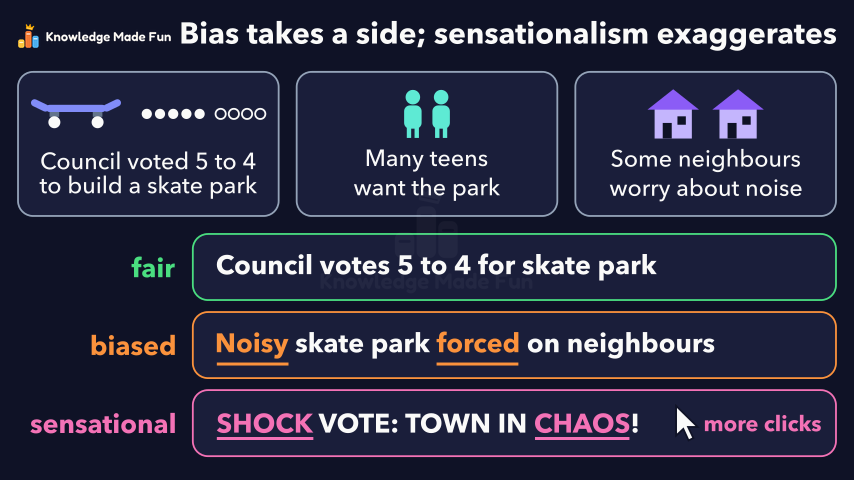
Bias and Sensationalism: One Story, Three Headlines
Grade 6 · 1 min 9 s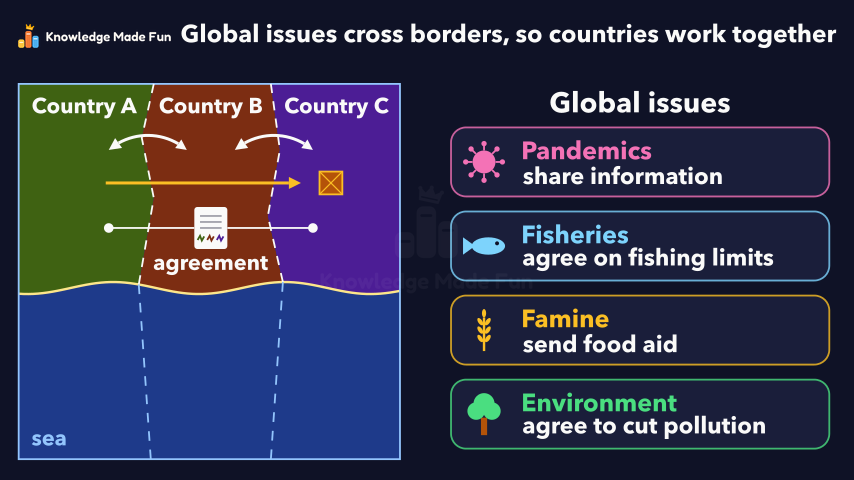 1 min 20 s
Countries Working Together on Global Problems
Grade 6 · 1 min 20 s 1 min 11 s
How News and Rumours Spread on Social Media
Grade 6 · 1 min 11 s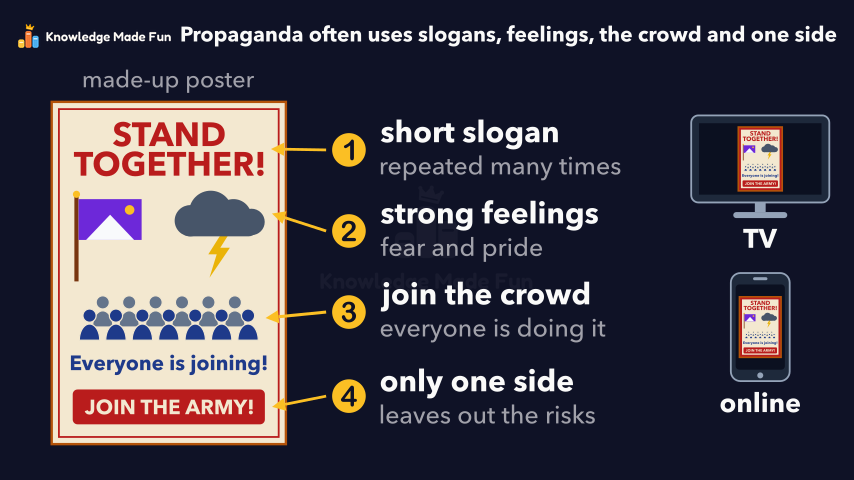 1 min
Propaganda: how it persuades
Grade 6 · 1 min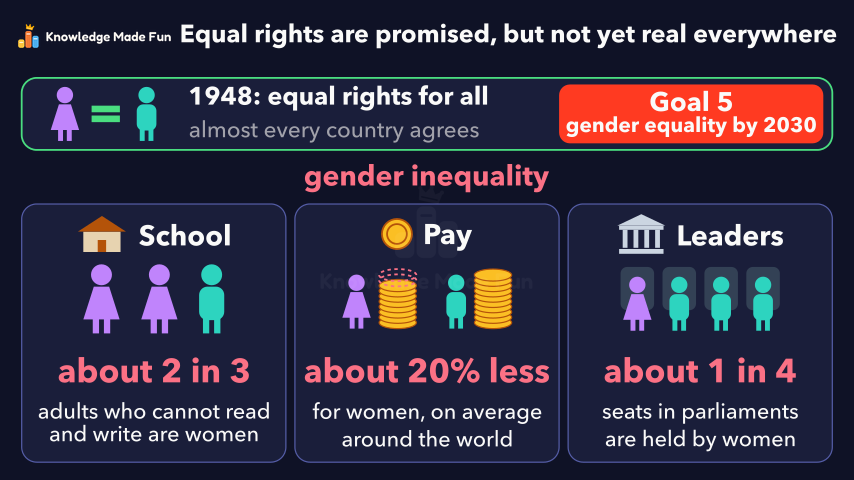 1 min 19 s
Rights for girls and women around the world
Grade 6 · 1 min 19 s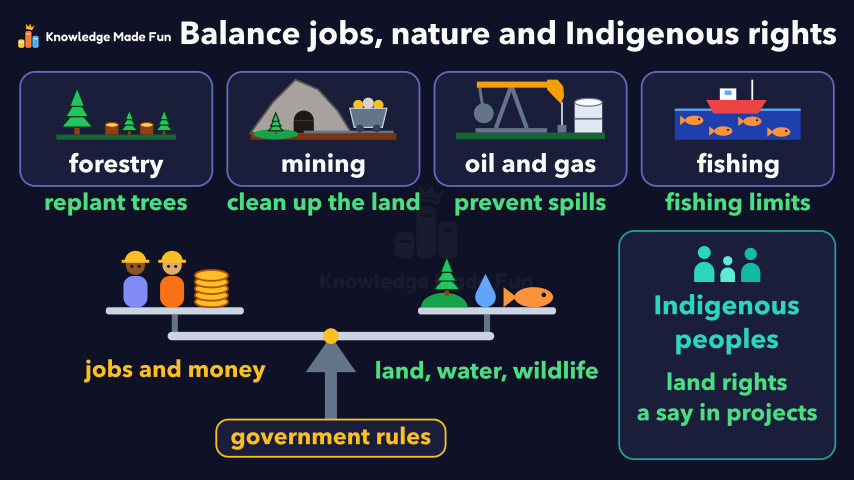 1 min 18 s
Using Natural Resources: Balancing Jobs and Nature
Grade 6 · 1 min 18 s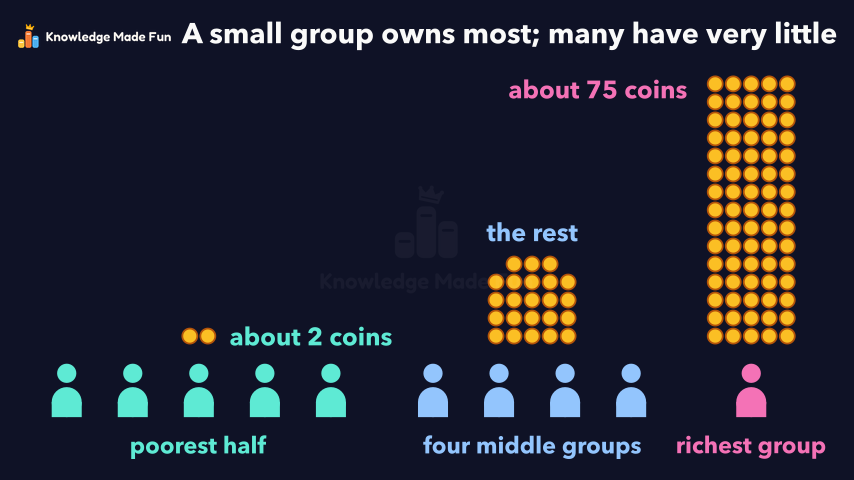 1 min 13 s
Who Owns the World's Wealth?
Grade 6 · 1 min 13 s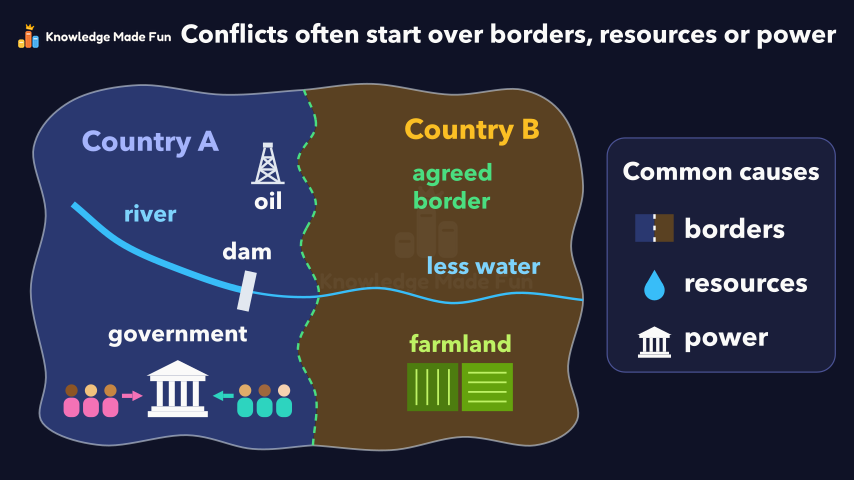 1 min 5 s
Why Conflicts Start: Borders, Resources and Power
Grade 6 · 1 min 5 s
- All Grade 6 Social Studies lessons
- Create a free account to watch three lessons a day, no payment and no card.