Lesson · Grade 6 · Social Studies
Rights for girls and women around the world
- Grade 6
- Social Studies
- 1 min 19 s
- British Columbia
- BC6-SS-04
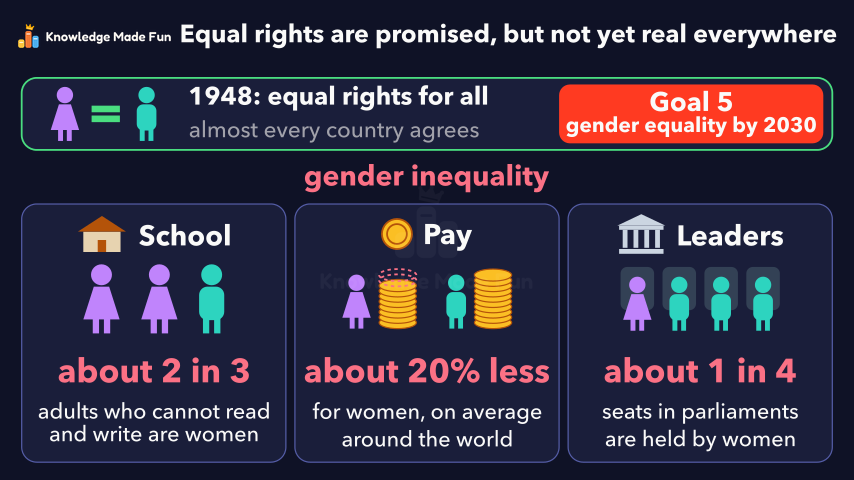
A banner shows the promise of equal rights: a woman and a man with an equals sign, the 1948 human rights declaration, and the treaty almost every country has agreed to that bans unfair treatment of women. Three cards below show where real life still falls short (about 2 in 3 adults who cannot read and write are women, women are paid about 20% less on average, and women hold about 1 in 4 seats in parliaments), then Goal 5 (gender equality by 2030) appears and the video ends on "Equal rights are promised, but not yet real everywhere."
Anyone can watch two lessons on the website without an account. Signing in is free, no payment and no card, and opens three a day; Plus has no limit.
Loading
In one sentence
The question this lesson answers
Do girls and women around the world have the same rights as boys and men?
In 1948, the United Nations declared that every person has equal human rights, women and men alike.
Transcript
What the lesson says
Do girls and women around the world have the same rights as boys and men?
In 1948, the United Nations declared that every person has equal human rights, women and men alike.
Since then, almost every country has agreed to a United Nations treaty to end unfair treatment of women.
But in many countries, laws and daily life are still not equal for women.
Unfair differences in rights and chances between women and men are called gender inequality.
In some places, many girls are still kept out of school.
Around the world, about 2 in 3 adults who cannot read and write are women.
On average, women around the world are paid about 20 percent less than men.
Women hold only about 1 in 4 seats in the world's parliaments, where laws are made.
Gaps like these can make it harder for women and their families to escape poverty.
In 2015, the countries of the United Nations set Goal 5: gender equality by 2030.
Equal rights for girls and women are promised around the world, but they are not yet real everywhere.
Curriculum
Where this fits
- British Columbia, Grade 6
Social Studies, Global issues: global poverty and inequality issues, including class structure and genderBC6-SS-04
Previous: Who Owns the World's Wealth?Next: Using Natural Resources: Balancing Jobs and Nature
The outcomes and strands follow the British Columbia curriculum.
Keep going
 1 min 9 s
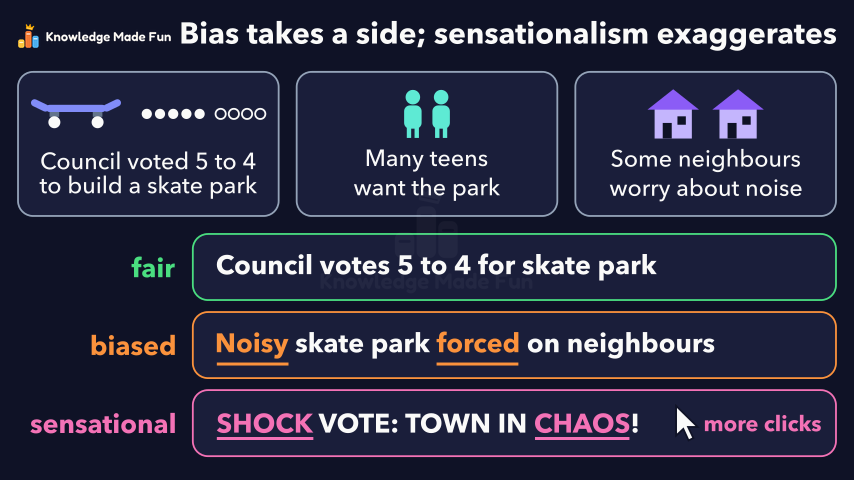
Bias and Sensationalism: One Story, Three Headlines
Grade 6 · 1 min 9 s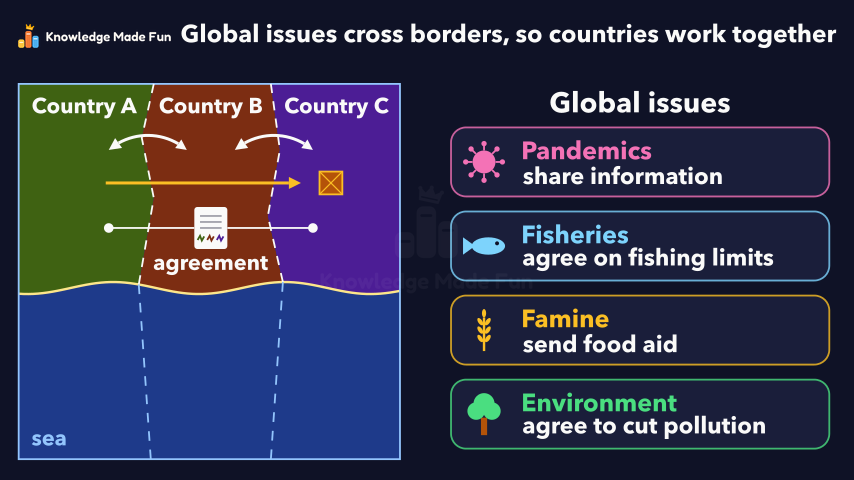 1 min 20 s
Countries Working Together on Global Problems
Grade 6 · 1 min 20 s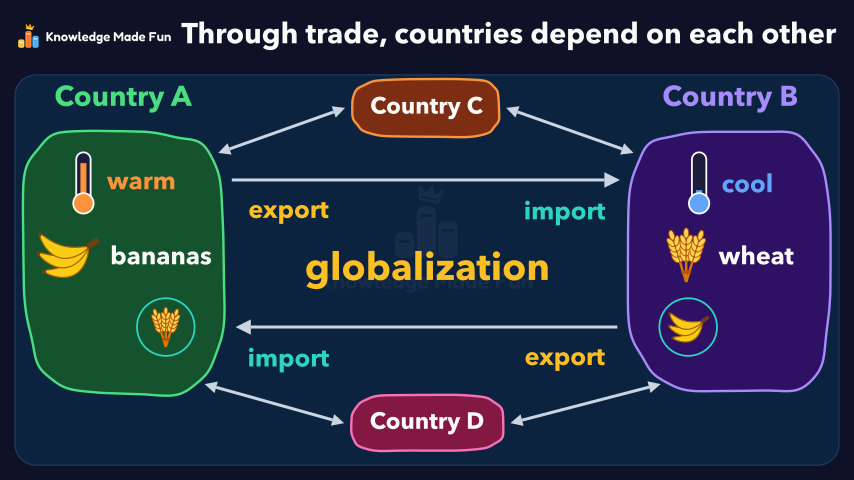 1 min 15 s
Globalization: How Countries Depend on Each Other
Grade 6 · 1 min 15 s 1 min 11 s
How News and Rumours Spread on Social Media
Grade 6 · 1 min 11 s 1 min
Propaganda: how it persuades
Grade 6 · 1 min 1 min 18 s
Using Natural Resources: Balancing Jobs and Nature
Grade 6 · 1 min 18 s 1 min 13 s
Who Owns the World's Wealth?
Grade 6 · 1 min 13 s 1 min 5 s
Why Conflicts Start: Borders, Resources and Power
Grade 6 · 1 min 5 s
- All Grade 6 Social Studies lessons
- Create a free account to watch three lessons a day, no payment and no card.