Lesson · Grade 6 · Social Studies
Who Owns the World's Wealth?
- Grade 6
- Social Studies
- 1 min 13 s
- British Columbia
- BC6-SS-03
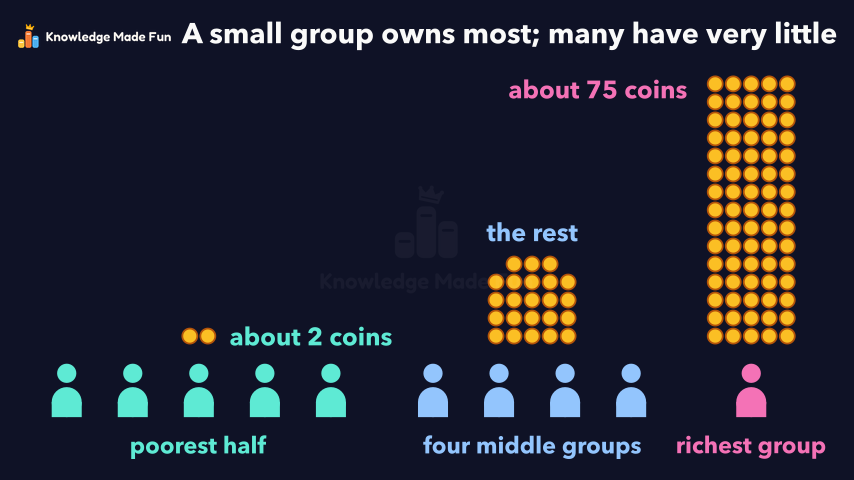
The world's people appear as ten equal groups from poorest to richest, and all the world's wealth as 100 coins that are shared out the way wealth really is: about 75 to the richest group, about 2 to the poorest half, and the rest to the four groups in the middle. A card then shows that about 1 in 10 people live in extreme poverty on less than 3 US dollars a day, and that children born into poor families and women often have fewer chances, before the video ends on the recap that a small group owns most of the wealth while many people have very little.
Concept: Poverty and the unequal spread of wealth
Anyone can watch two lessons on the website without an account. Signing in is free, no payment and no card, and opens three a day; Plus has no limit.
Loading
In one sentence
The question this lesson answers
How is all the wealth in the world shared among its people?
Picture everyone in the world as ten equal groups, from poorest to richest.
Transcript
What the lesson says
How is all the wealth in the world shared among its people?
Picture everyone in the world as ten equal groups, from poorest to richest.
Wealth is what people own, minus what they owe.
Now picture all the wealth in the world as 100 coins.
The richest group owns about 75 of those coins.
The poorest five groups, half of everyone, share only about 2 coins.
The four middle groups share the rest.
So the world's wealth is spread very unequally.
About 1 in 10 people in the world live in extreme poverty.
That means living on less than 3 US dollars a day.
That makes food, clean water and a safe home hard to afford.
Children born into poor families often have fewer chances to finish school.
On average, women are paid less than men and do more unpaid work at home.
A small group owns most of the world's wealth, while many people have very little.
Curriculum
Where this fits
- British Columbia, Grade 6
Social Studies, Global issues: global poverty and inequality issues, including class structure and genderBC6-SS-03
Previous: Why People Migrate: Push and Pull FactorsNext: Rights for girls and women around the world
The outcomes and strands follow the British Columbia curriculum.
Keep going
 1 min 9 s
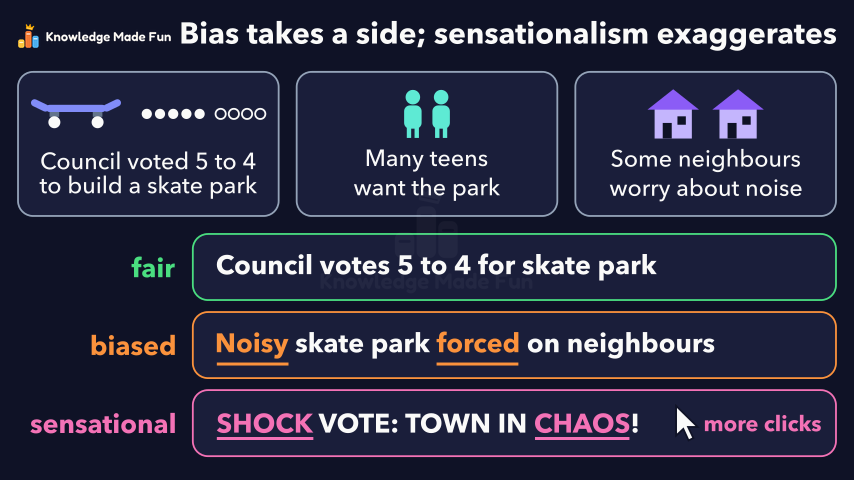
Bias and Sensationalism: One Story, Three Headlines
Grade 6 · 1 min 9 s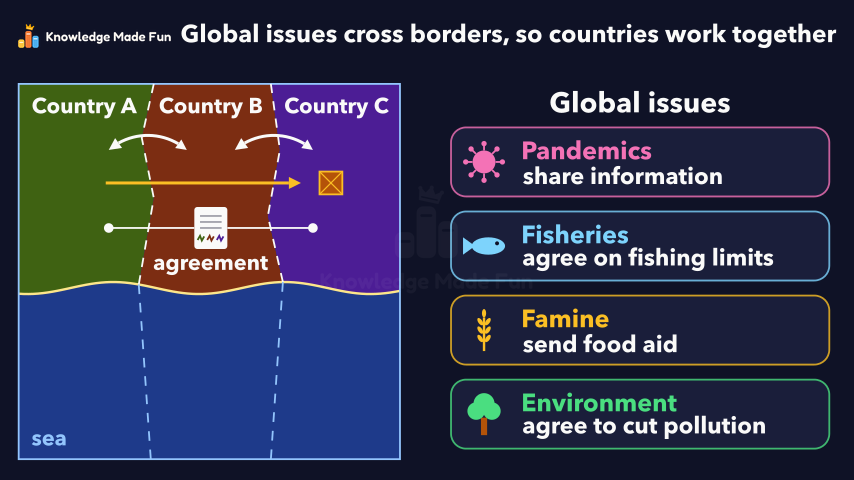 1 min 20 s
Countries Working Together on Global Problems
Grade 6 · 1 min 20 s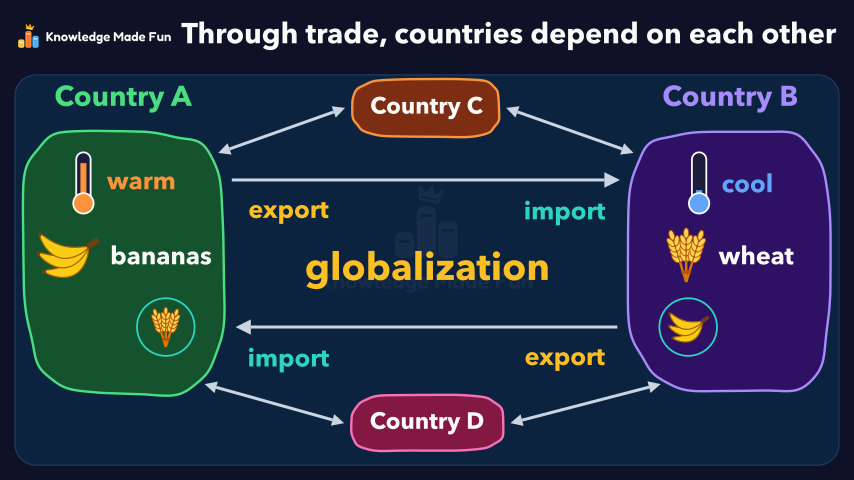 1 min 15 s
Globalization: How Countries Depend on Each Other
Grade 6 · 1 min 15 s 1 min 11 s
How News and Rumours Spread on Social Media
Grade 6 · 1 min 11 s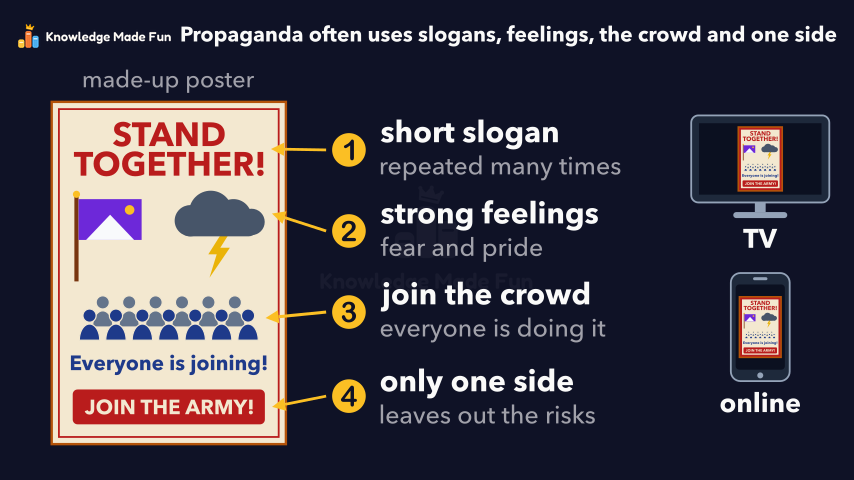 1 min
Propaganda: how it persuades
Grade 6 · 1 min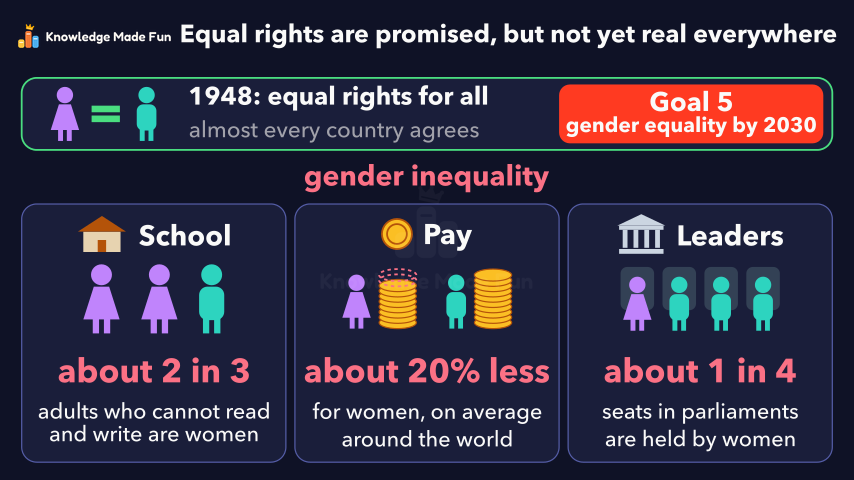 1 min 19 s
Rights for girls and women around the world
Grade 6 · 1 min 19 s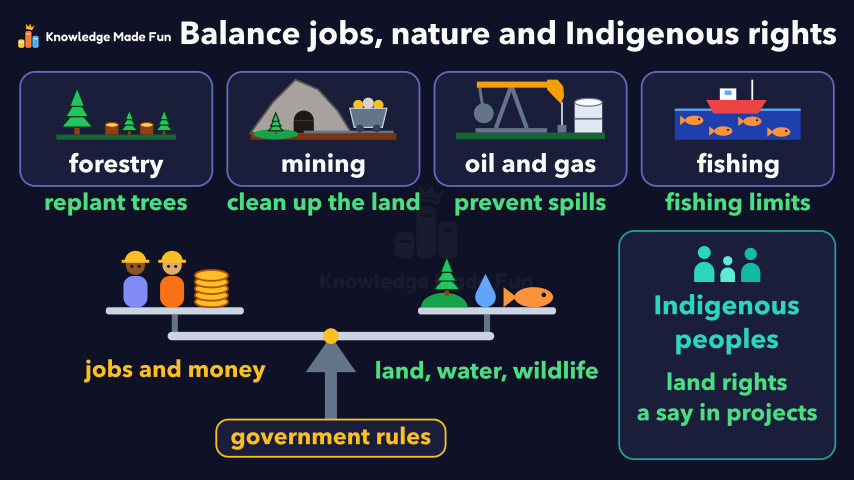 1 min 18 s
Using Natural Resources: Balancing Jobs and Nature
Grade 6 · 1 min 18 s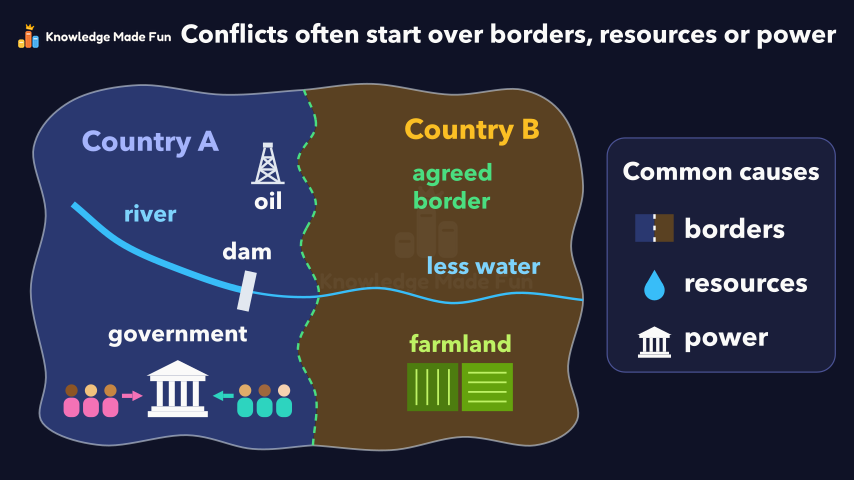 1 min 5 s
Why Conflicts Start: Borders, Resources and Power
Grade 6 · 1 min 5 s
- All Grade 6 Social Studies lessons
- Create a free account to watch three lessons a day, no payment and no card.