Lesson · Grade 6 · Social Studies
Countries Working Together on Global Problems
- Grade 6
- Social Studies
- 1 min 20 s
- British Columbia
- BC6-SS-16
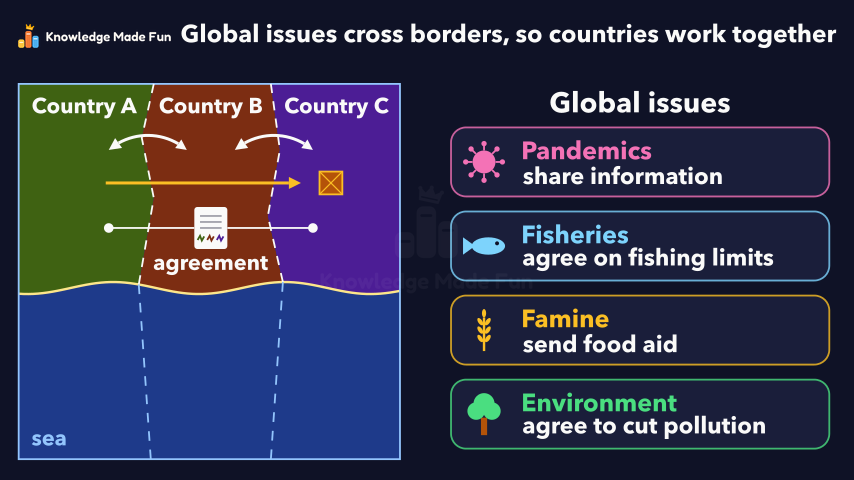
A simple map of three made-up countries beside a shared sea shows four global issues crossing borders: a pandemic spreading, fish swimming between countries' waters, crops failing in a famine, and air pollution drifting. As each issue appears, a list beside the map fills in one way countries respond (the WHO helps them share information, they agree on fishing limits, they send food aid, they agree to cut pollution), and the video ends on three common ways of working together and a one-line recap.
Anyone can watch two lessons on the website without an account. Signing in is free, no payment and no card, and opens three a day; Plus has no limit.
Loading
In one sentence
The question this lesson answers
Why do countries need to work together on some problems?
Some problems do not stop at a country's border.
Transcript
What the lesson says
Why do countries need to work together on some problems?
Some problems do not stop at a country's border.
Problems that affect many countries are called global issues.
Here are four of them: pandemics, fisheries, famine and the environment.
A pandemic is a disease that spreads to many countries.
The World Health Organization, or WHO, helps countries share information about it.
At sea, fish swim freely across borders.
So countries agree on fishing limits, to leave enough fish to breed.
A famine is a serious lack of food, for example when crops fail.
Other countries send food aid to help.
Air pollution drifts across borders too.
Countries sign agreements to cut pollution and protect the environment.
Countries often work together by sharing information, making agreements and sending help.
Global issues cross borders, so countries work together to deal with them.
Curriculum
Where this fits
- British Columbia, Grade 6
Social Studies, Global issues: international cooperation and responses to global issuesBC6-SS-16
Previous: Globalization: How Countries Depend on Each OtherNext: Why Conflicts Start: Borders, Resources and Power
The outcomes and strands follow the British Columbia curriculum.
Keep going
 1 min 9 s
Bias and Sensationalism: One Story, Three Headlines
Grade 6 · 1 min 9 s 1 min 15 s
Globalization: How Countries Depend on Each Other
Grade 6 · 1 min 15 s 1 min 11 s
How News and Rumours Spread on Social Media
Grade 6 · 1 min 11 s 1 min
Propaganda: how it persuades
Grade 6 · 1 min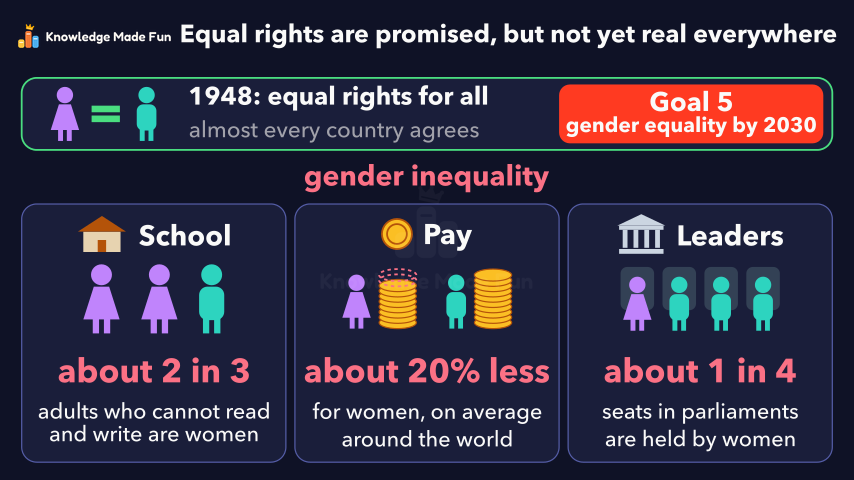 1 min 19 s
Rights for girls and women around the world
Grade 6 · 1 min 19 s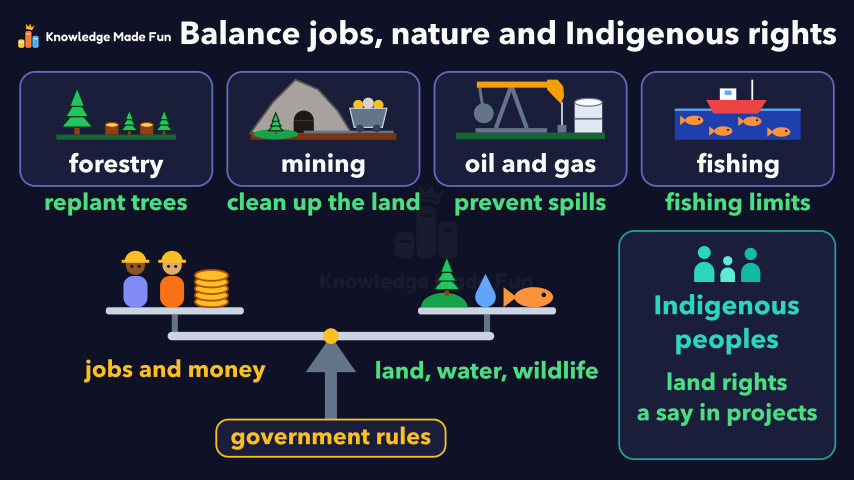 1 min 18 s
Using Natural Resources: Balancing Jobs and Nature
Grade 6 · 1 min 18 s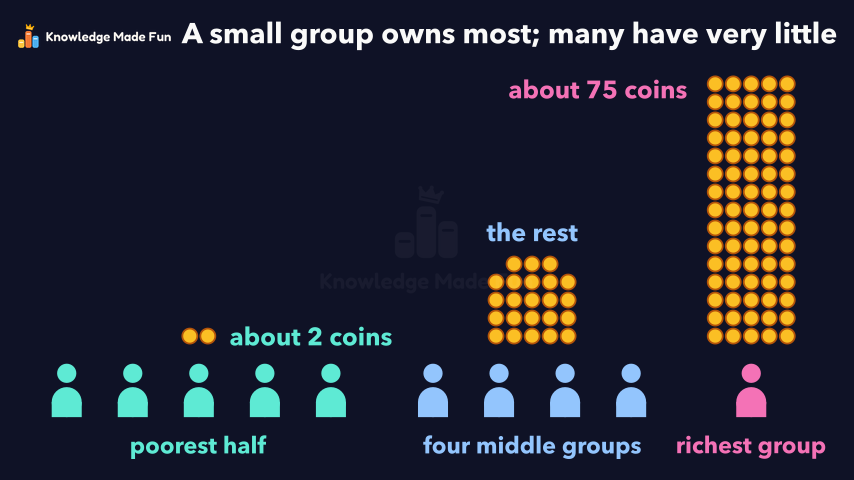 1 min 13 s
Who Owns the World's Wealth?
Grade 6 · 1 min 13 s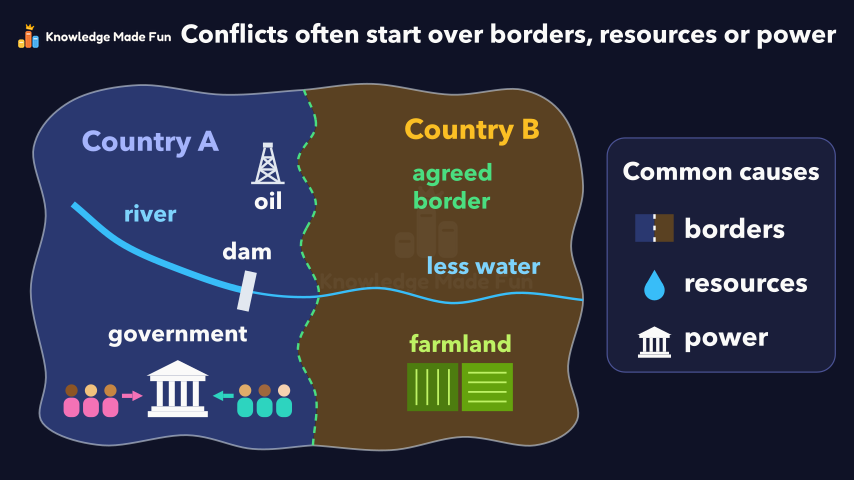 1 min 5 s
Why Conflicts Start: Borders, Resources and Power
Grade 6 · 1 min 5 s
- All Grade 6 Social Studies lessons
- Create a free account to watch three lessons a day, no payment and no card.