Lesson · Grade 6 · Social Studies
Why Conflicts Start: Borders, Resources and Power
- Grade 6
- Social Studies
- 1 min 5 s
- British Columbia
- BC6-SS-17
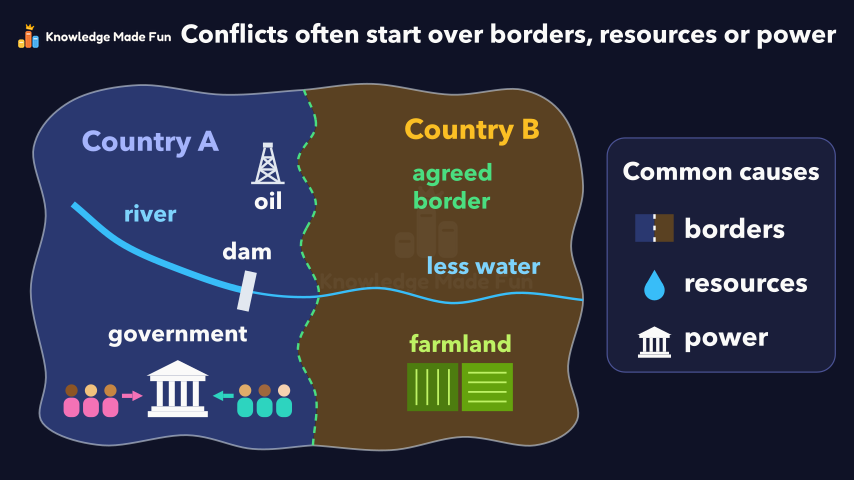
A simple map of two made-up countries builds up one cause at a time: a border with land both sides claim, shared natural resources like a river (with a dam that leaves less water downstream), farmland and oil, and groups competing to control the government. It shows that one conflict often has more than one cause and that many disputes are settled peacefully through talks and agreements, then ends on the recap that conflicts often start over borders, resources or power.
Anyone can watch two lessons on the website without an account. Signing in is free, no payment and no card, and opens three a day; Plus has no limit.
Loading
In one sentence
The question this lesson answers
Why do conflicts between countries or groups start?
A conflict is a serious disagreement between groups, such as two countries.
Transcript
What the lesson says
Why do conflicts between countries or groups start?
A conflict is a serious disagreement between groups, such as two countries.
Three common causes are borders, resources and power.
A border is a line that separates one country from the next.
Sometimes both sides claim the same land near a border.
Natural resources are useful things from nature, like rivers, farmland and oil.
If one country builds a dam on a shared river, the country downstream may get less water.
Power is about who controls the government and makes decisions for everyone.
Different groups in a country may compete to be in charge.
Often a conflict has more than one cause, like oil in land that both sides claim.
Many disputes like these are settled peacefully, through talks and agreements.
So conflicts often start over borders, resources or power.
Curriculum
Where this fits
- British Columbia, Grade 6
Social Studies, Global issues: regional and international conflictBC6-SS-17
Previous: Countries Working Together on Global ProblemsNext: Bias and Sensationalism: One Story, Three Headlines
The outcomes and strands follow the British Columbia curriculum.
Keep going
 1 min 9 s
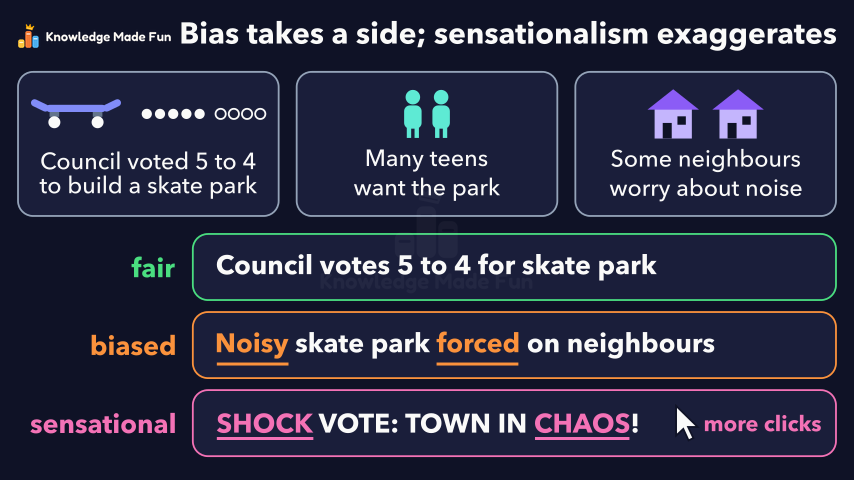
Bias and Sensationalism: One Story, Three Headlines
Grade 6 · 1 min 9 s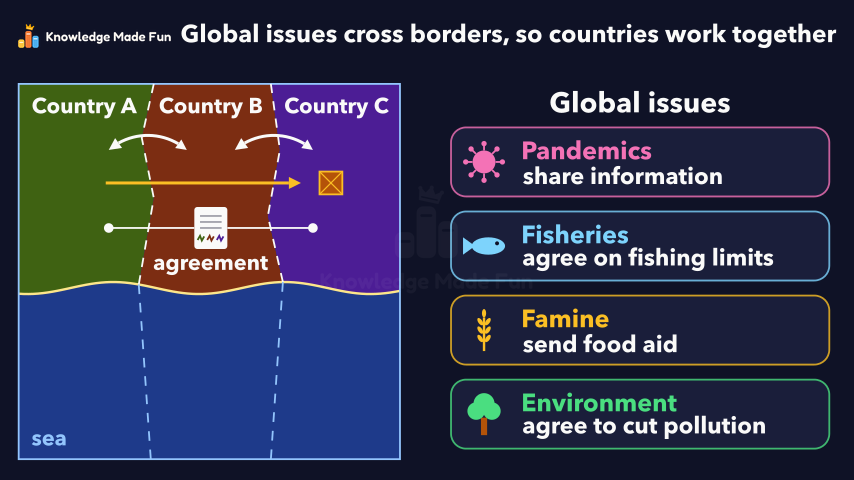 1 min 20 s
Countries Working Together on Global Problems
Grade 6 · 1 min 20 s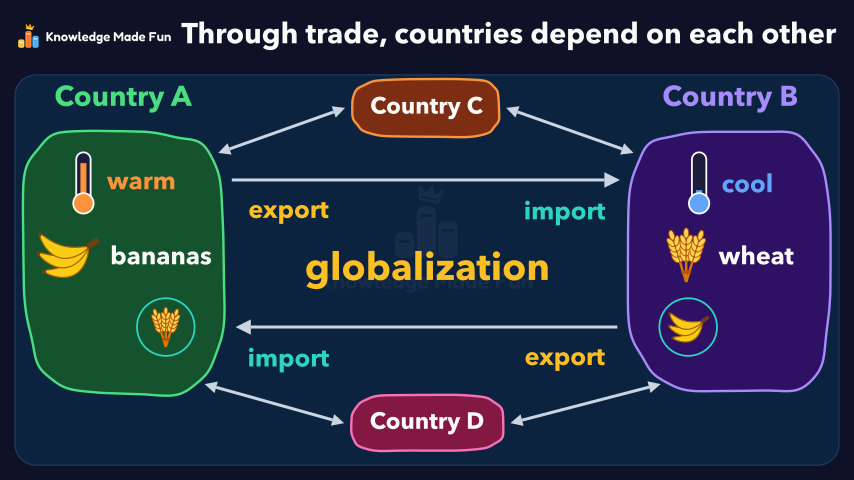 1 min 15 s
Globalization: How Countries Depend on Each Other
Grade 6 · 1 min 15 s 1 min 11 s
How News and Rumours Spread on Social Media
Grade 6 · 1 min 11 s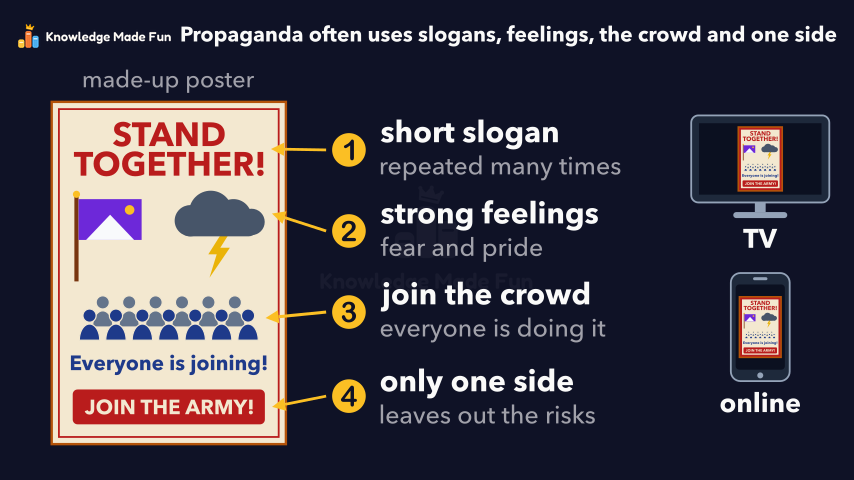 1 min
Propaganda: how it persuades
Grade 6 · 1 min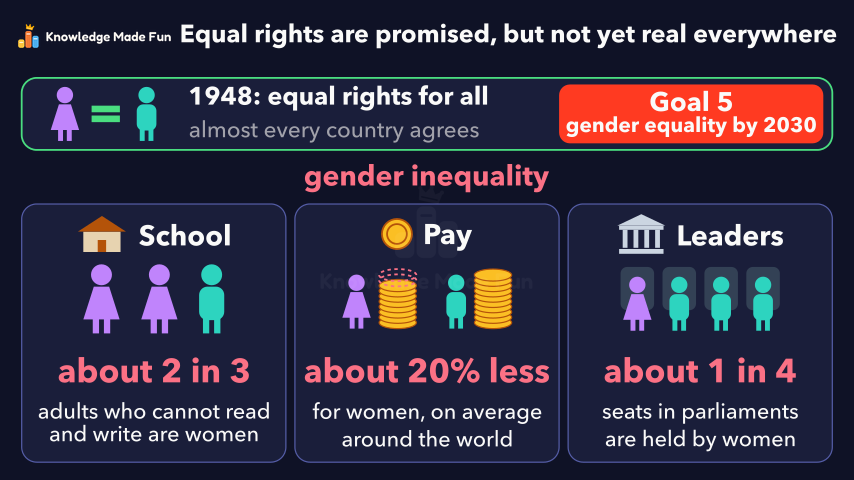 1 min 19 s
Rights for girls and women around the world
Grade 6 · 1 min 19 s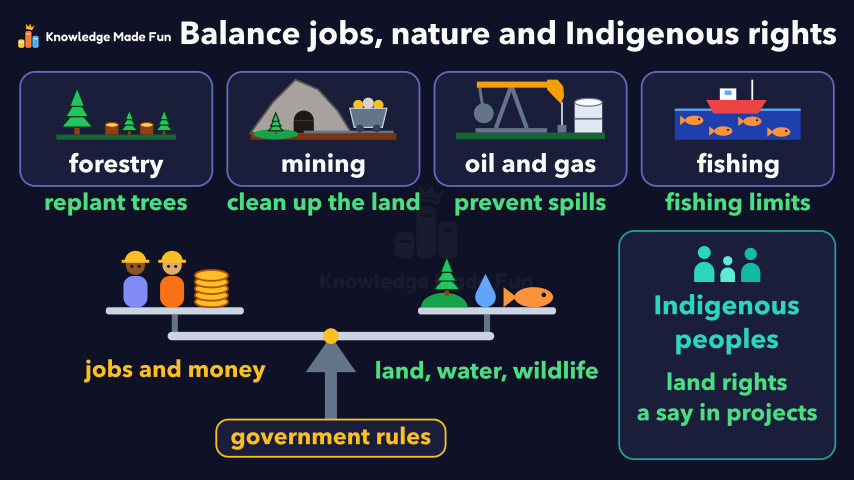 1 min 18 s
Using Natural Resources: Balancing Jobs and Nature
Grade 6 · 1 min 18 s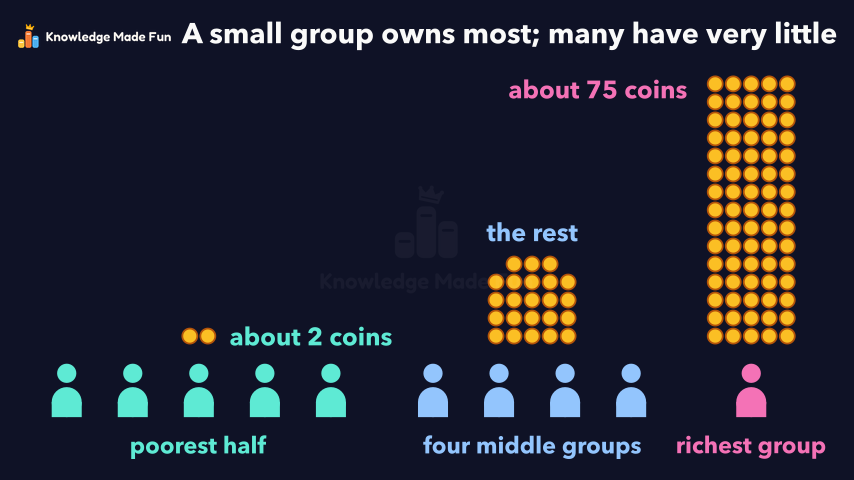 1 min 13 s
Who Owns the World's Wealth?
Grade 6 · 1 min 13 s
- All Grade 6 Social Studies lessons
- Create a free account to watch three lessons a day, no payment and no card.