Lesson · Grade 6 · Social Studies
How News and Rumours Spread on Social Media
- Grade 6
- Social Studies
- 1 min 11 s
- British Columbia
- BC6-SS-22
A crowd of people drawn in rings shows one post being shared three at a time until 39 people have seen it, then shows that a rumour, which no one has checked, can spread just as fast as a news report that reporters and editors have checked. It ends with two questions to ask before sharing and shows how one person who doesn't share stops the rumour from reaching everyone after them.
Anyone can watch two lessons on the website without an account. Signing in is free, no payment and no card, and opens three a day; Plus has no limit.

Loading
In one sentence
The question this lesson answers
How do news and rumours spread so quickly on social media?
It starts when one person posts a story.
Transcript
What the lesson says
How do news and rumours spread so quickly on social media?
It starts when one person posts a story.
In our example, three friends see the post.
Each friend shares it with three more people.
Then each of them shares it with three more people.
After just three steps, 39 people have seen it.
Trusted news outlets have reporters and editors who check the facts before they publish.
A rumour is a story that has not been checked, so it may not be true.
Sharing can spread a rumour just as fast as news, and sometimes even faster.
Posts that surprise or upset people often get shared the most.
Many apps also show popular posts to even more people.
Before you share, ask who posted it and whether trusted news outlets report it too.
If you are not sure it is true, do not share it.
News and rumours both spread fast when people share them, so check before you share.
Curriculum
Where this fits
- British Columbia, Grade 6
Social Studies, Global issues: media technologies and coverage of current eventsBC6-SS-22
The outcomes and strands follow the British Columbia curriculum.
Keep going
 1 min 9 s
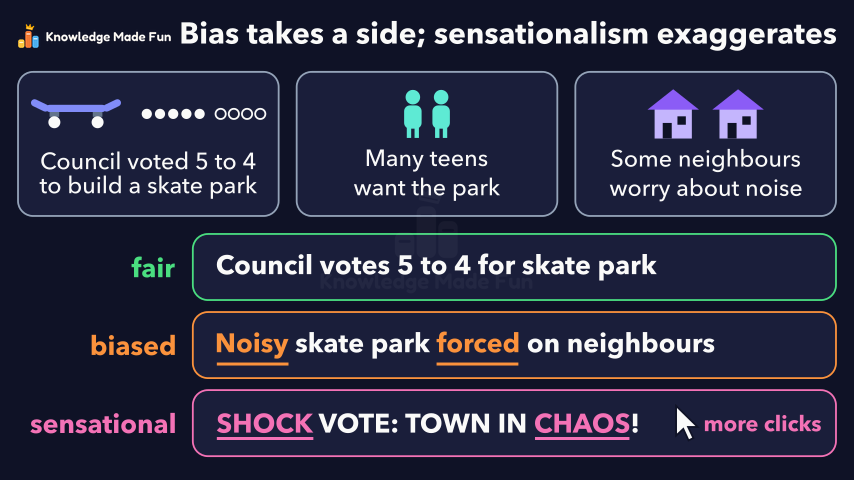
Bias and Sensationalism: One Story, Three Headlines
Grade 6 · 1 min 9 s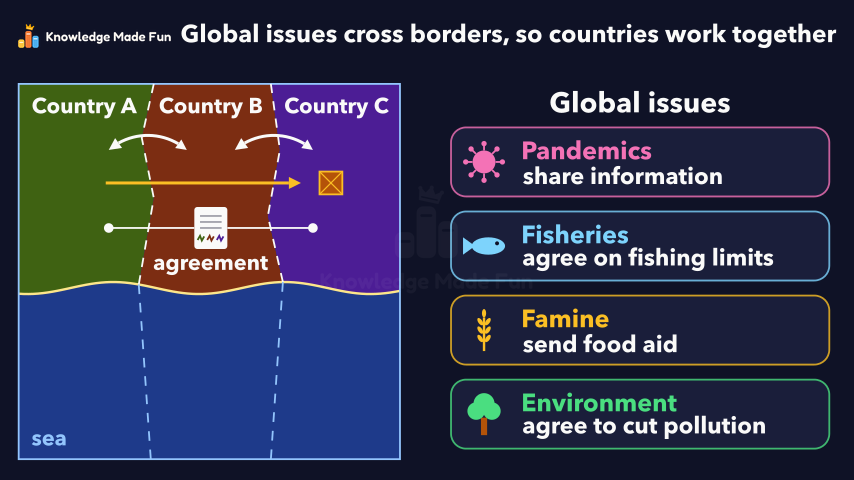 1 min 20 s
Countries Working Together on Global Problems
Grade 6 · 1 min 20 s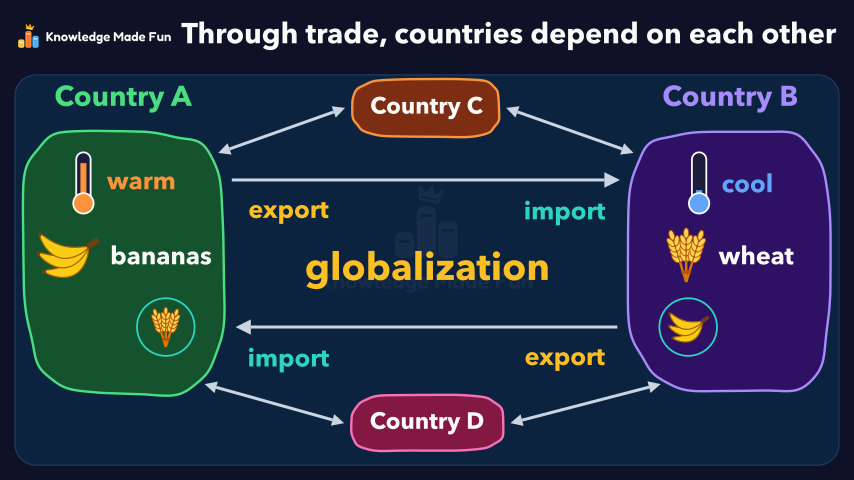 1 min 15 s
Globalization: How Countries Depend on Each Other
Grade 6 · 1 min 15 s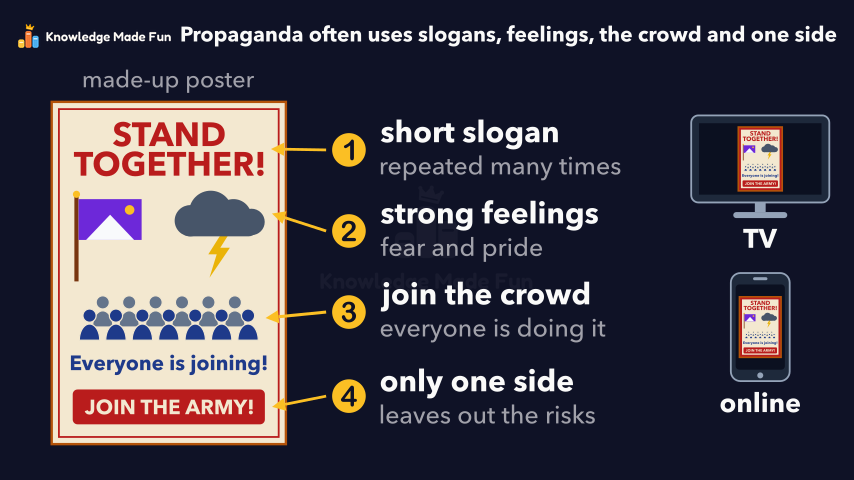 1 min
Propaganda: how it persuades
Grade 6 · 1 min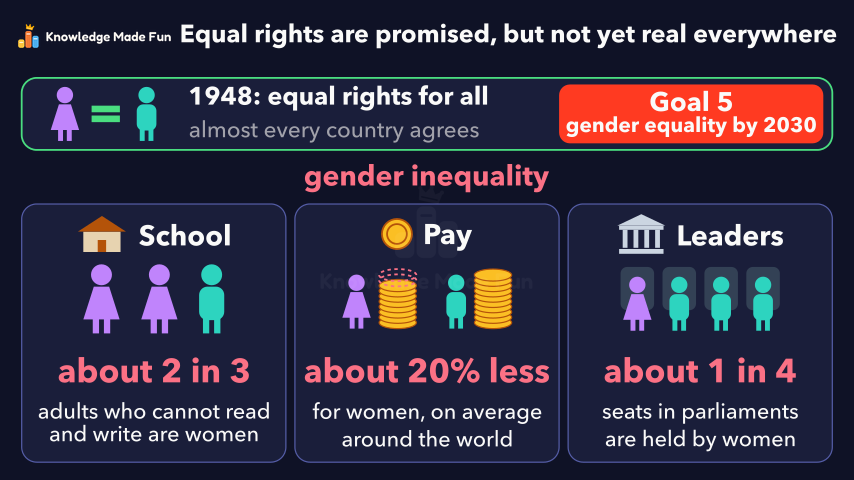 1 min 19 s
Rights for girls and women around the world
Grade 6 · 1 min 19 s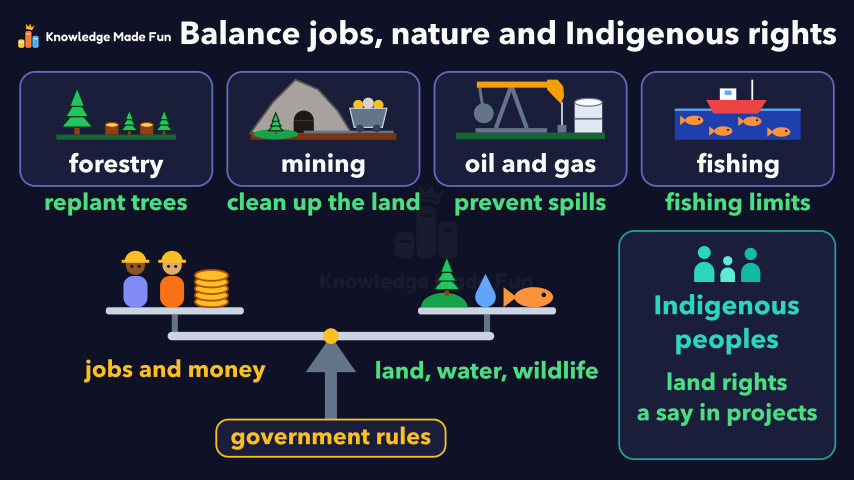 1 min 18 s
Using Natural Resources: Balancing Jobs and Nature
Grade 6 · 1 min 18 s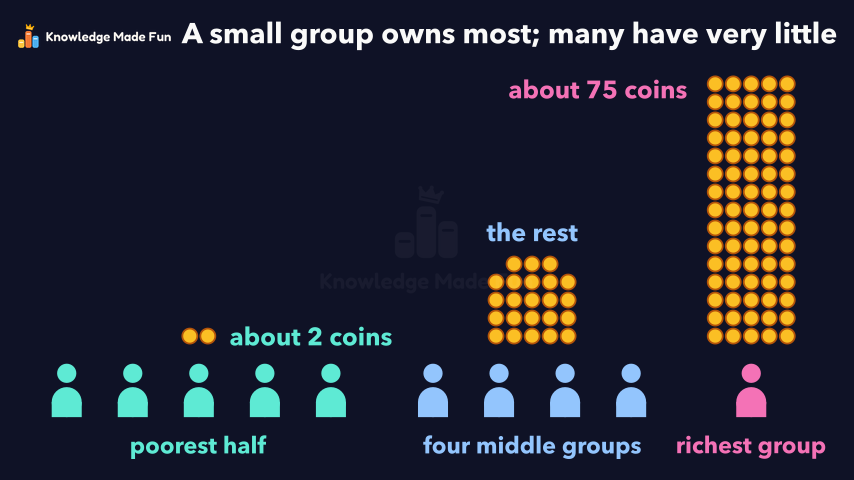 1 min 13 s
Who Owns the World's Wealth?
Grade 6 · 1 min 13 s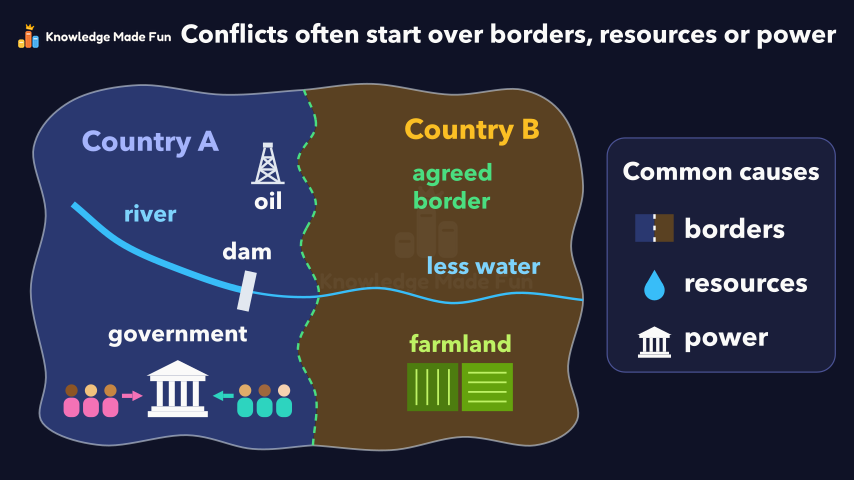 1 min 5 s
Why Conflicts Start: Borders, Resources and Power
Grade 6 · 1 min 5 s
- All Grade 6 Social Studies lessons
- Create a free account to watch three lessons a day, no payment and no card.