Lesson · Grade 6 · Social Studies
Governments, NGOs and Aid Groups: Who Does What
- Grade 6
- Social Studies
- 1 min 3 s
- British Columbia
- BC6-SS-07
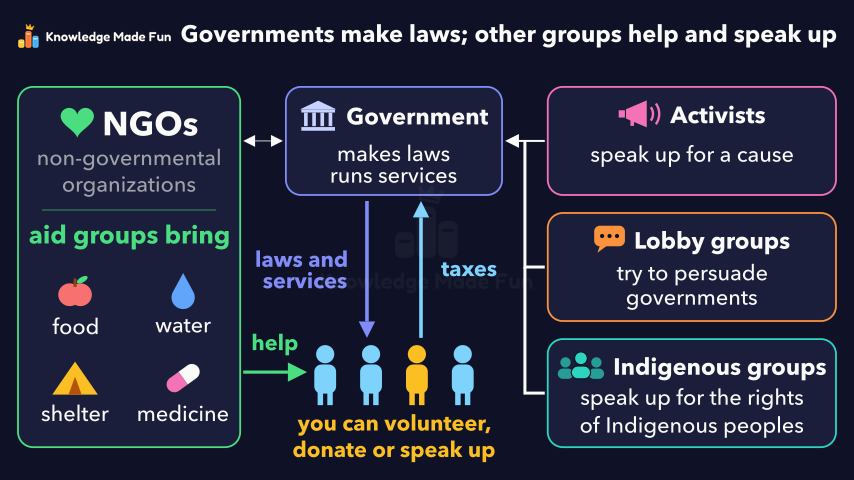
One picture builds up step by step: a government that makes laws and runs services for people paid for partly by taxes, NGOs whose aid groups bring food, water, shelter and medicine, and activists, lobby groups and groups for Indigenous peoples' rights who speak up to governments. It ends by showing that these groups often work together, that anyone can volunteer, donate or speak up, and the recap that governments make laws while other groups help and speak up.
Anyone can watch two lessons on the website without an account. Signing in is free, no payment and no card, and opens three a day; Plus has no limit.
Loading
In one sentence
The question this lesson answers
Many different groups work to solve problems in society, but who does what?
Governments make laws and run public services for everyone.
Transcript
What the lesson says
Many different groups work to solve problems in society, but who does what?
Governments make laws and run public services for everyone.
People pay taxes, which help pay for these services.
NGOs, or non-governmental organizations, are groups that are not part of any government.
Many NGOs are aid groups that bring food, water, shelter and medicine to people in need.
Activists are people who speak up and campaign for a cause they care about.
Lobby groups try to persuade governments to make or change laws.
Some groups represent Indigenous peoples and speak up for their rights.
Governments and these groups often work together, and sometimes they disagree.
You can take part too, by volunteering, donating or speaking up.
So governments make laws, while other groups help people and speak up to governments.
Curriculum
Where this fits
- British Columbia, Grade 6
Social Studies, Governance: roles of individuals, governmental organizations, and NGOs, including groups representing indigenous peoplesBC6-SS-07
Previous: The United Nations: what it is and what it doesNext: Democracy, Monarchy and Dictatorship: Who Holds the Power?
The outcomes and strands follow the British Columbia curriculum.
Keep going
 1 min 9 s
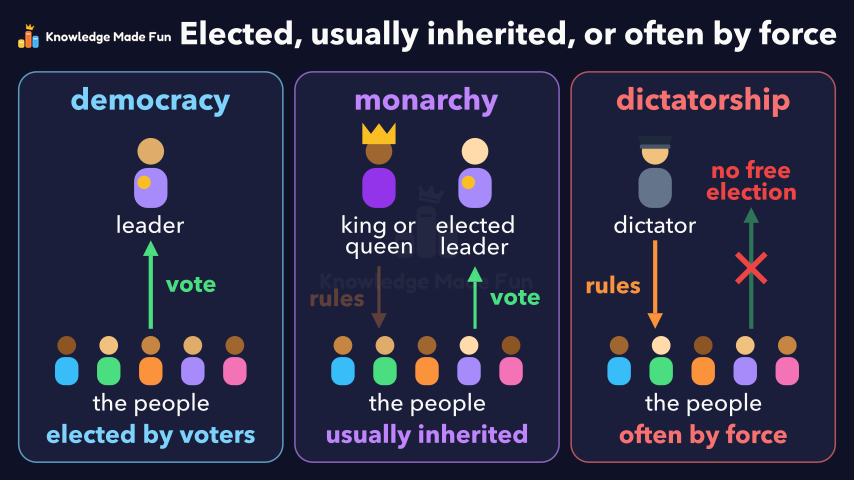
Democracy, Monarchy and Dictatorship: Who Holds the Power?
Grade 6 · 1 min 9 s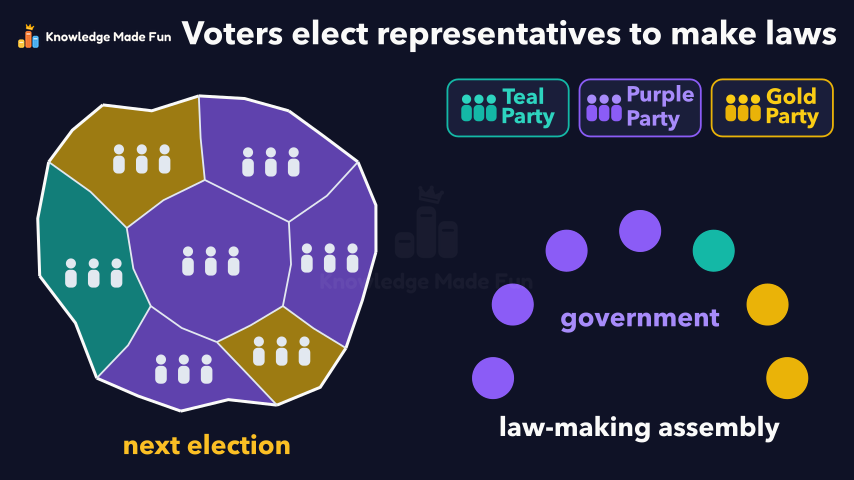 1 min 16 s
How Elections Work: Parties, Voting and Representation
Grade 6 · 1 min 16 s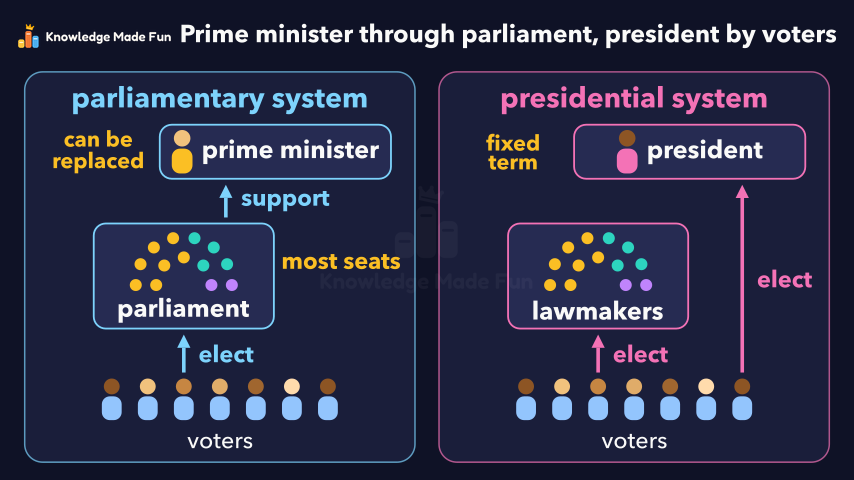 1 min 4 s
Parliament or president: two kinds of democracy
Grade 6 · 1 min 4 s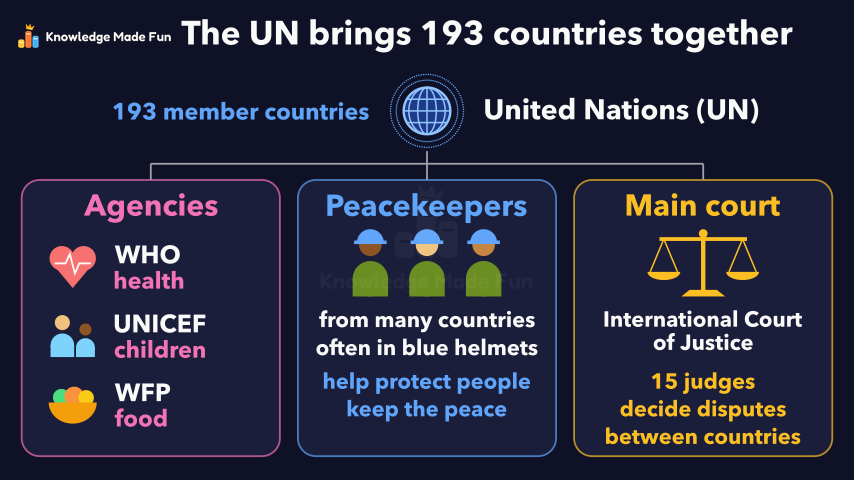 1 min 15 s
The United Nations: what it is and what it does
Grade 6 · 1 min 15 s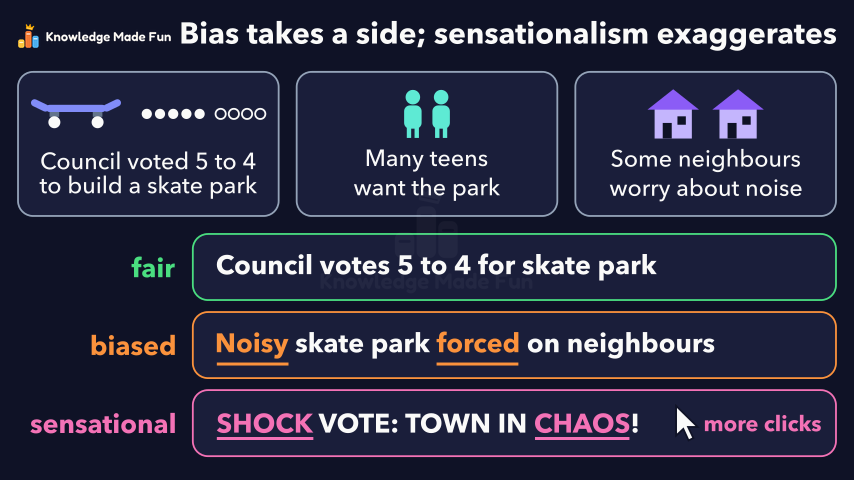 1 min 9 s
Bias and Sensationalism: One Story, Three Headlines
Grade 6 · 1 min 9 s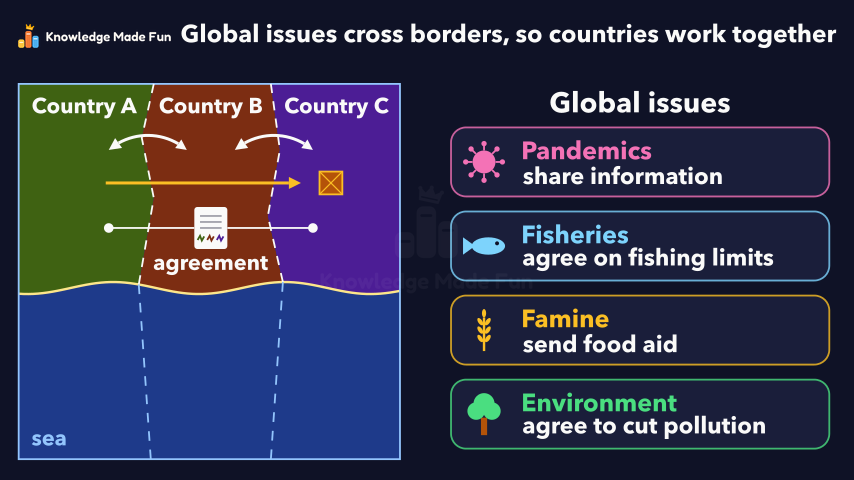 1 min 20 s
Countries Working Together on Global Problems
Grade 6 · 1 min 20 s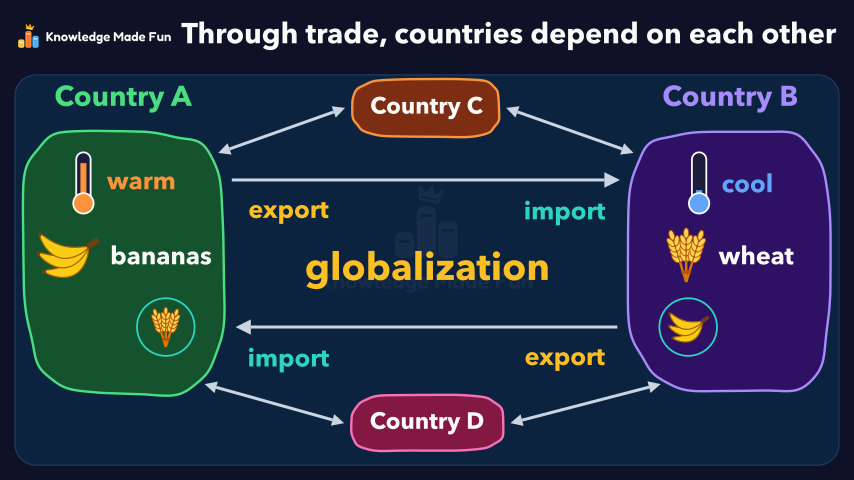 1 min 15 s
Globalization: How Countries Depend on Each Other
Grade 6 · 1 min 15 s 1 min 11 s
How News and Rumours Spread on Social Media
Grade 6 · 1 min 11 s
- All Grade 6 Social Studies lessons
- Create a free account to watch three lessons a day, no payment and no card.