Lesson · Grade 7 · Social Studies
From Barter to Money
- Grade 7
- Social Studies
- 1 min 9 s
- British Columbia
- BC7-SS-23
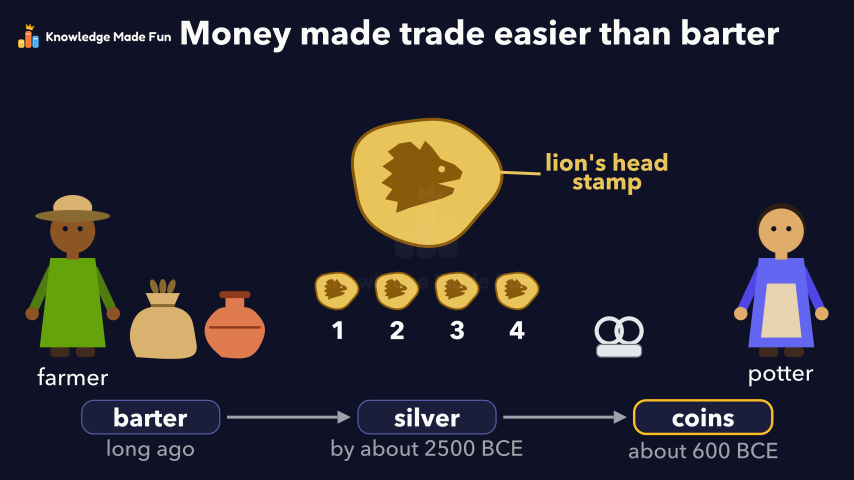
A farmer wants a pot, but the potter wants fish, not grain, so a straight swap fails, which shows the main problem with barter. Silver weighed in shekels in Mesopotamia, then early stamped coins from Lydia about 600 BCE, make the trade work, because people agree to accept money and coins can simply be counted.
Anyone can watch two lessons on the website without an account. Signing in is free, no payment and no card, and opens three a day; Plus has no limit.
Loading
In one sentence
The question this lesson answers
How did people trade before there was money?
Long ago, people often traded by swapping goods directly, which is called barter.
Transcript
What the lesson says
How did people trade before there was money?
Long ago, people often traded by swapping goods directly, which is called barter.
A swap works only if each person wants what the other has.
But this potter wants fish, not grain, so there is no deal.
Money solves this problem, because people agree to accept it in exchange for goods.
By about 2500 BCE, people in Mesopotamia often paid with silver.
The silver was weighed on scales, in units called shekels.
The potter takes the silver, because silver can buy fish later.
But weighing silver for every trade was slow.
In Lydia, about 600 BCE, people made some of the first coins.
Each coin had a set weight, marked with a stamp such as a lion's head.
So people could simply count coins instead of weighing silver.
Money made trade easier than barter, because people accept it for almost anything.
Curriculum
Where this fits
- British Columbia, Grade 7
Social Studies, Ancient world to the 7th century: social, political, legal, governmental, and economic systems and structuresBC7-SS-23
Previous: Where Our Ideas of Government Come From: Athens and RomeNext: Who Did What: Social Pyramids in Ancient Societies
The outcomes and strands follow the British Columbia curriculum.
Keep going
 1 min 23 s
Ancient China and the Yellow River
Grade 7 · 1 min 23 s 1 min 28 s
Ancient Egypt and the Nile
Grade 7 · 1 min 28 s 1 min 27 s
Ancient Greece: How the City-States Rose and Fell
Grade 7 · 1 min 27 s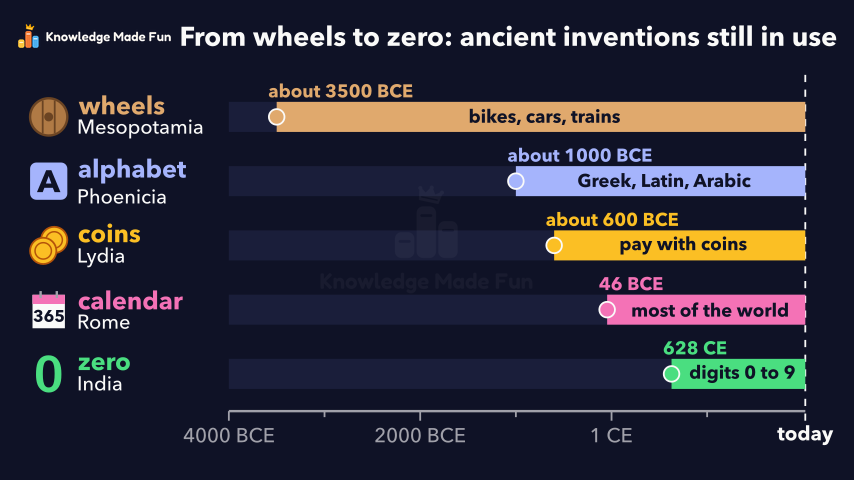 1 min 13 s
Ancient Inventions We Still Use
Grade 7 · 1 min 13 s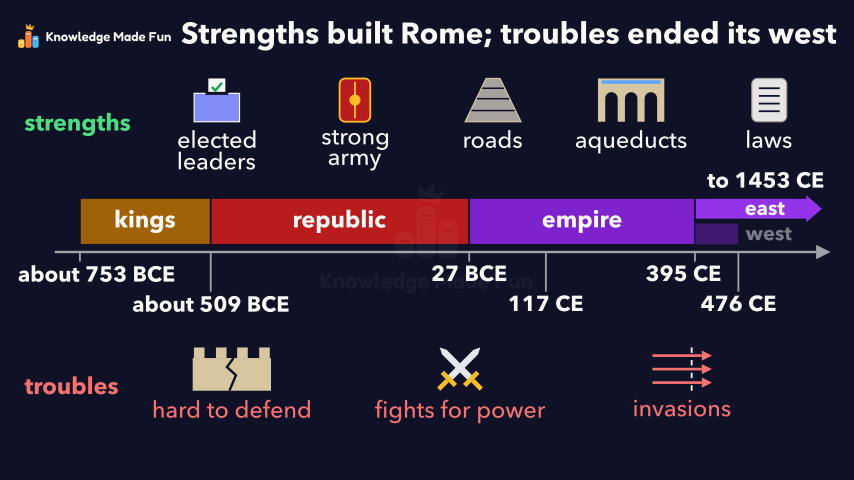 1 min 28 s
Ancient Rome: How It Rose and Why the West Fell
Grade 7 · 1 min 28 s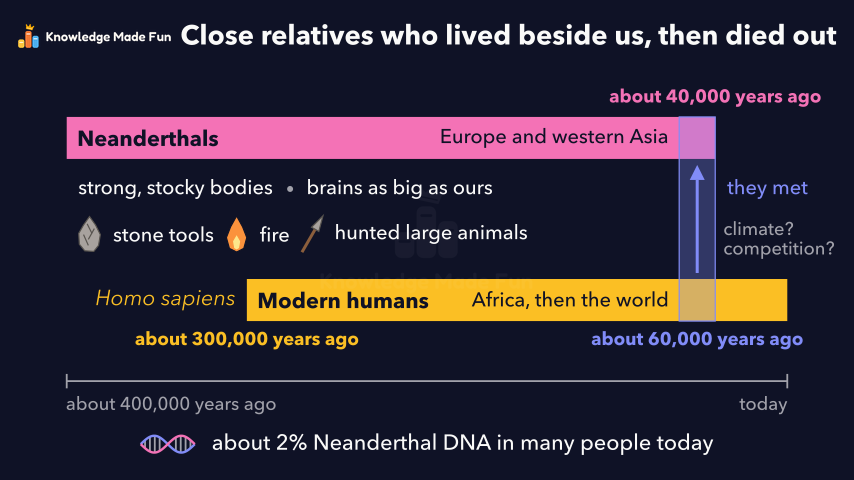 1 min 31 s
Early humans and Neanderthals: our close relatives
Grade 7 · 1 min 31 s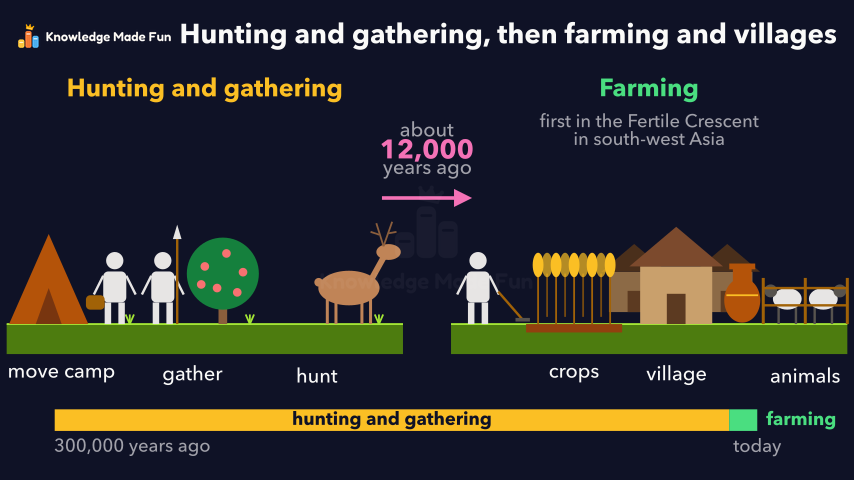 1 min 33 s
From Hunting and Gathering to Farming
Grade 7 · 1 min 33 s 1 min 21 s
From Stone Tools to Metal
Grade 7 · 1 min 21 s
- All Grade 7 Social Studies lessons
- Create a free account to watch three lessons a day, no payment and no card.