Lesson · Grade 7 · Social Studies
Ancient Greece: How the City-States Rose and Fell
- Grade 7
- Social Studies
- 1 min 27 s
- British Columbia
- BC7-SS-13
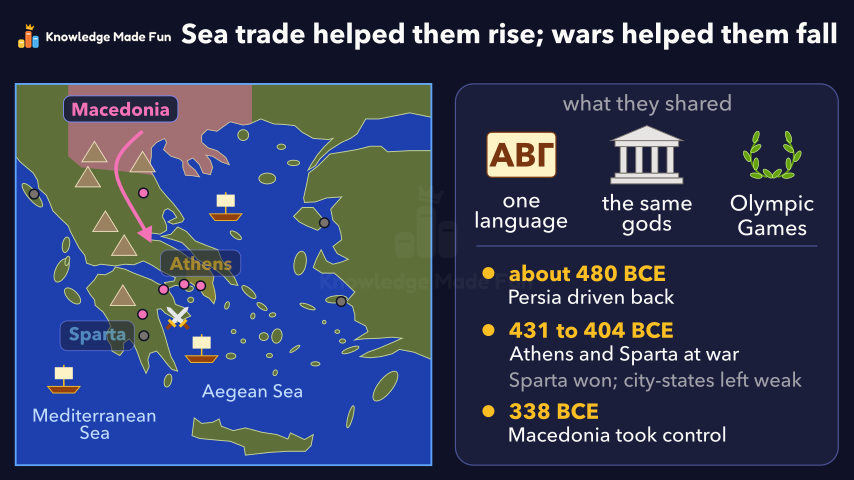
A map of Greece built from simple shapes shows how mountains split the land into many separate city-states that grew strong through sea trade and colonies and shared one language, the same gods and the Olympic Games, while Athens set up a democracy about 508 BCE and Sparta had two kings and a strong army. The same map then follows many city-states uniting to drive back Persia about 480 BCE, the war between Athens and Sparta from 431 to 404 BCE that left them weak, and Macedonia taking control of most of Greece in 338 BCE.
Concept: Ancient Greece
Anyone can watch two lessons on the website without an account. Signing in is free, no payment and no card, and opens three a day; Plus has no limit.
Loading
In one sentence
The question this lesson answers
How did ancient Greece grow strong, and why did it fall?
Greece is a rocky land of mountains, and the sea is never far away.
Transcript
What the lesson says
How did ancient Greece grow strong, and why did it fall?
Greece is a rocky land of mountains, and the sea is never far away.
Mountains kept towns apart, so Greece grew into many separate city-states.
A city-state, like Athens, was a city and its farmland, ruling itself.
Greeks traded by sea and set up colonies in Italy and around the Black Sea.
They were separate, but shared one language, the same gods and the Olympic Games.
In about 508 BCE, Athens set up a democracy, which means rule by the people.
But only men who were citizens could vote.
Sparta was run differently, with two kings and a strong army.
About 480 BCE, many city-states joined together and drove back a Persian invasion.
Later, Athens and Sparta fought a long war, from 431 to 404 BCE.
Sparta won, but years of fighting left the city-states weak.
In 338 BCE, the kingdom of Macedonia, to the north, took control of most of Greece.
Sea trade helped the Greek city-states rise, and wars between them helped them fall.
Curriculum
Where this fits
- British Columbia, Grade 7
Social Studies, Ancient world to the 7th century: features and characteristics of civilizations and factors that led to their rise and fallBC7-SS-13
Previous: Ancient China and the Yellow RiverNext: Ancient Rome: How It Rose and Why the West Fell
The outcomes and strands follow the British Columbia curriculum.
Keep going
 1 min 23 s
Ancient China and the Yellow River
Grade 7 · 1 min 23 s 1 min 28 s
Ancient Egypt and the Nile
Grade 7 · 1 min 28 s 1 min 13 s
Ancient Inventions We Still Use
Grade 7 · 1 min 13 s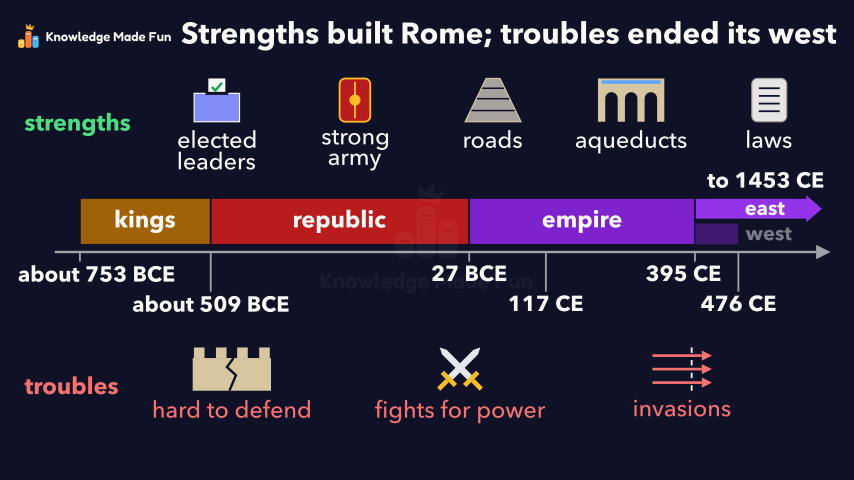 1 min 28 s
Ancient Rome: How It Rose and Why the West Fell
Grade 7 · 1 min 28 s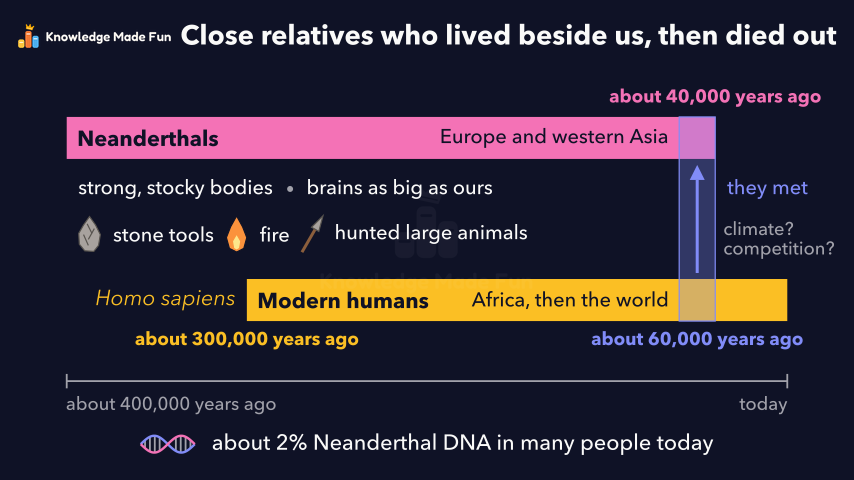 1 min 31 s
Early humans and Neanderthals: our close relatives
Grade 7 · 1 min 31 s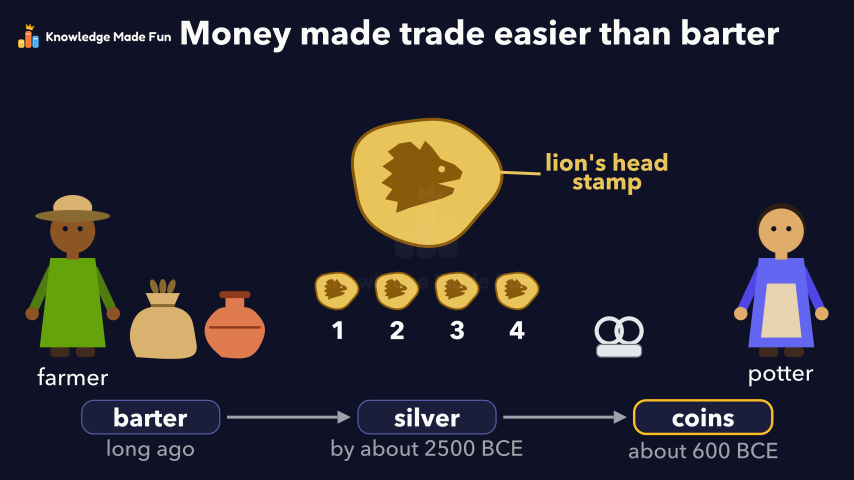 1 min 9 s
From Barter to Money
Grade 7 · 1 min 9 s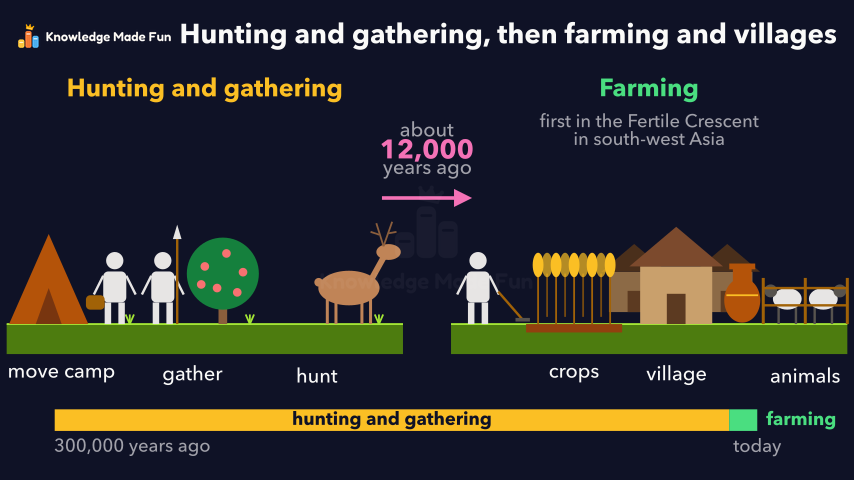 1 min 33 s
From Hunting and Gathering to Farming
Grade 7 · 1 min 33 s 1 min 21 s
From Stone Tools to Metal
Grade 7 · 1 min 21 s
- All Grade 7 Social Studies lessons
- Create a free account to watch three lessons a day, no payment and no card.