Lesson · Grade 11 · Chemistry
Writing Electron Configurations
- Grade 11
- Chemistry
- 2 min 19 s
- British Columbia
- BC11-SC-02
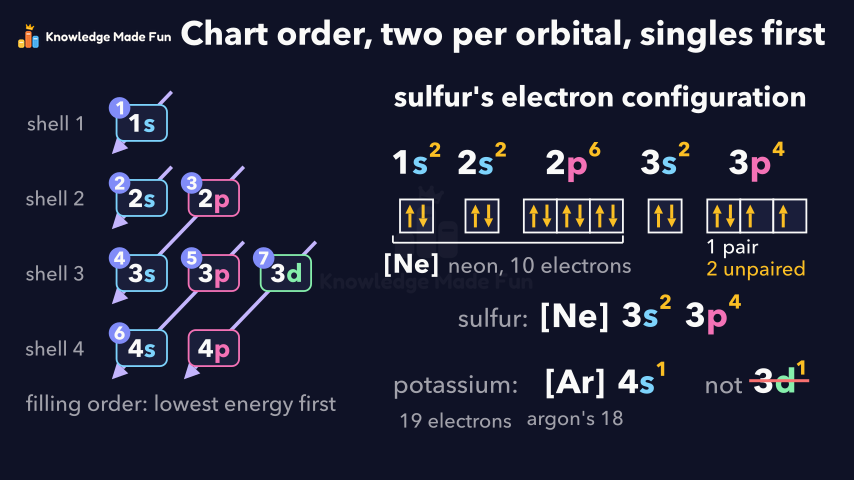
Using sulfur's 16 electrons, the video introduces orbitals, the Pauli exclusion principle, subshells and the diagonal chart of the filling order. It then writes 1s² 2s² 2p⁶ 3s² 3p⁴ with orbital boxes, applies Hund's rule to 3p, shortens the result to [Ne] 3s² 3p⁴, and uses potassium ([Ar] 4s¹) to show that 4s fills before 3d.
Anyone can watch two lessons on the website without an account. Signing in is free, no payment and no card, and opens three a day; Plus has no limit.
Loading
In one sentence
The question this lesson answers
Sulfur has 16 electrons. How do we write its electron configuration: where each one goes?
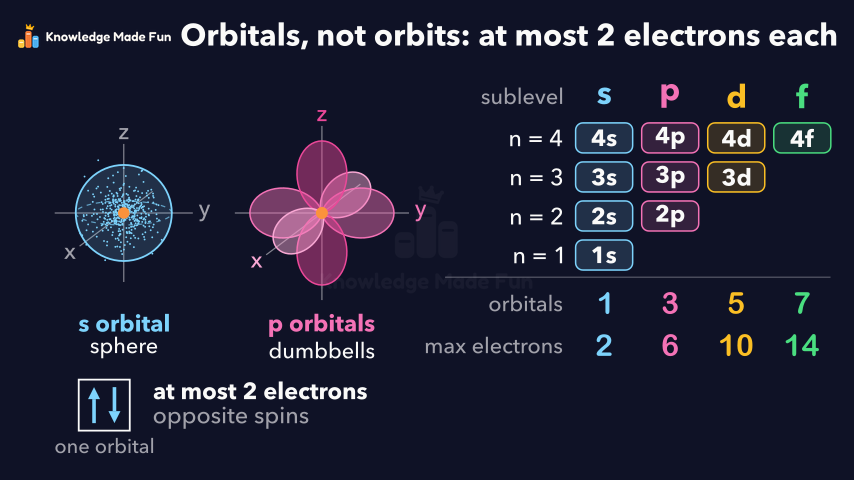
In the quantum mechanical model, electrons occupy orbitals: regions where they are likely to be found.
Transcript
What the lesson says
Sulfur has 16 electrons. How do we write its electron configuration: where each one goes?
In the quantum mechanical model, electrons occupy orbitals: regions where they are likely to be found.
Pauli exclusion principle: an orbital holds at most two electrons, with opposite spins, up and down.
Orbitals form subshells: an s subshell has one orbital, p has three, and d has five.
So s holds 2 electrons, p holds 6, and d holds 10.
Each chart row is a shell, or energy level: 3p is the p subshell of shell 3.
Lowest energy subshells fill first, following the arrows: 1s, 2s, 2p, 3s, 3p, 4s, then 3d.
Write each subshell with its electron count raised: 1s takes 2, 2s takes 2, 2p takes 6.
Then 3s takes 2, and the last 4 go into 3p.
Hund's rule: electrons enter empty orbitals one at a time, with the same spin, before pairing.
The fourth 3p electron must pair up: one pair and two unpaired electrons.
Check: 2 plus 2 plus 6 plus 2 plus 4 makes 16. That is sulfur's electron configuration.
The first 10 electrons match neon, so shorthand writes them as Ne in brackets, then 3s and 3p.
Careful: 3d does not come straight after 3p. On the chart, 4s comes first.
Potassium has 19 electrons: 18 like argon, then the 19th goes into 4s, not 3d.
To sum up: chart order, two opposite spins per orbital, and spread out before pairing.
Curriculum
Where this fits
- British Columbia, Grade 11
Chemistry 11, Atoms and electrons: quantum mechanical model and electron configurationBC11-SC-02
Previous: Electrons in Orbitals: The Quantum Mechanical ModelNext: Valence electrons: the outer electrons that bond
The outcomes and strands follow the British Columbia curriculum.
Keep going
 2 min 3 s
Electrons in Orbitals: The Quantum Mechanical Model
Grade 11 · 2 min 3 s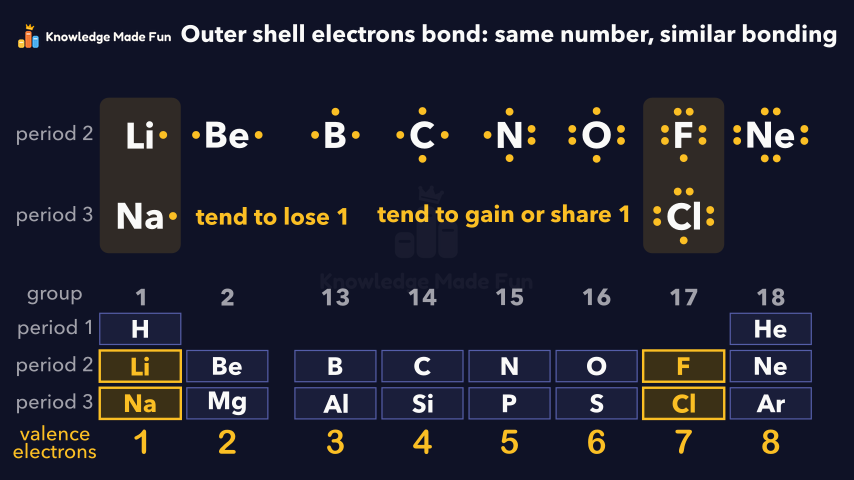 2 min 7 s
Valence electrons: the outer electrons that bond
Grade 11 · 2 min 7 s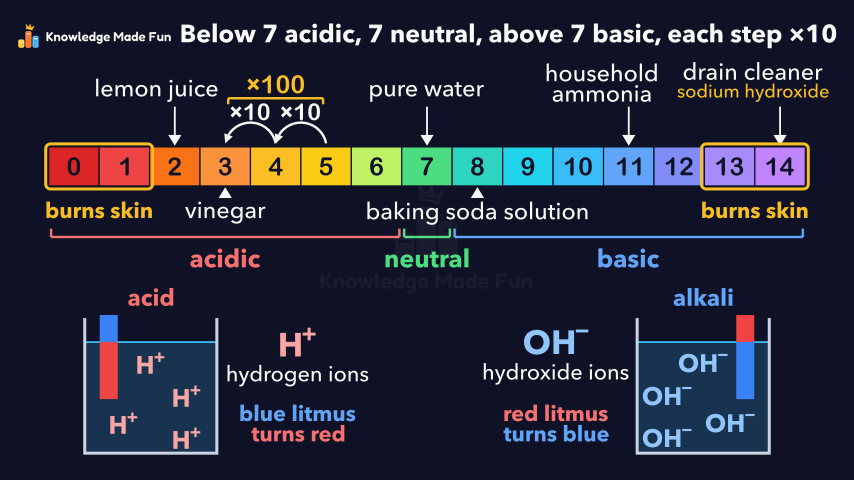 1 min 40 s
Acids and bases: the pH scale
Grade 10 · 1 min 40 s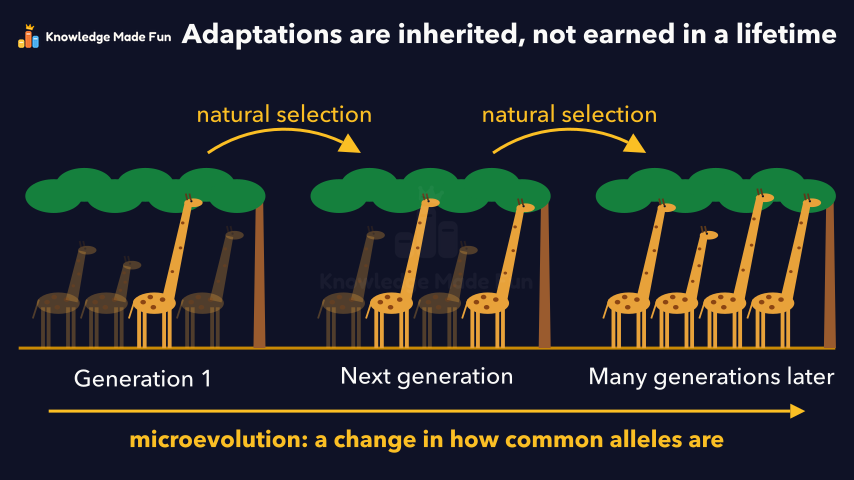 1 min 39 s
Adaptations Are Inherited, Not Earned in a Lifetime
Grade 11 · 1 min 39 s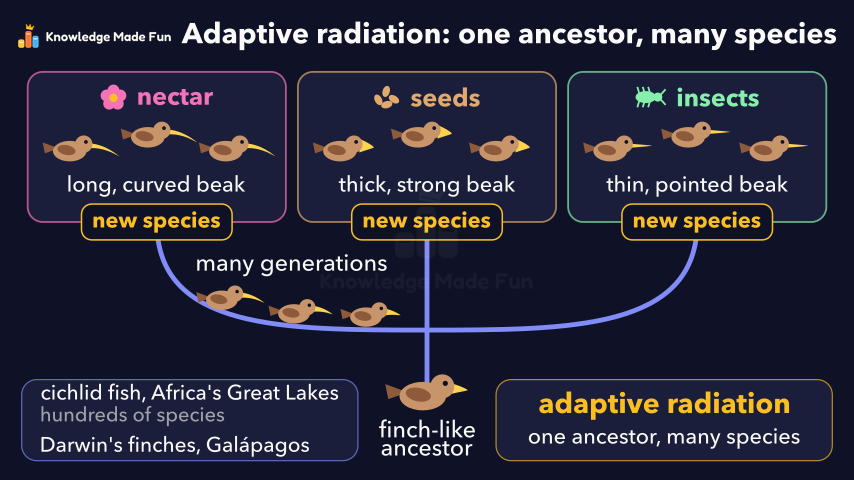 1 min 48 s
Adaptive radiation: one ancestor, many species
Grade 10 · 1 min 48 s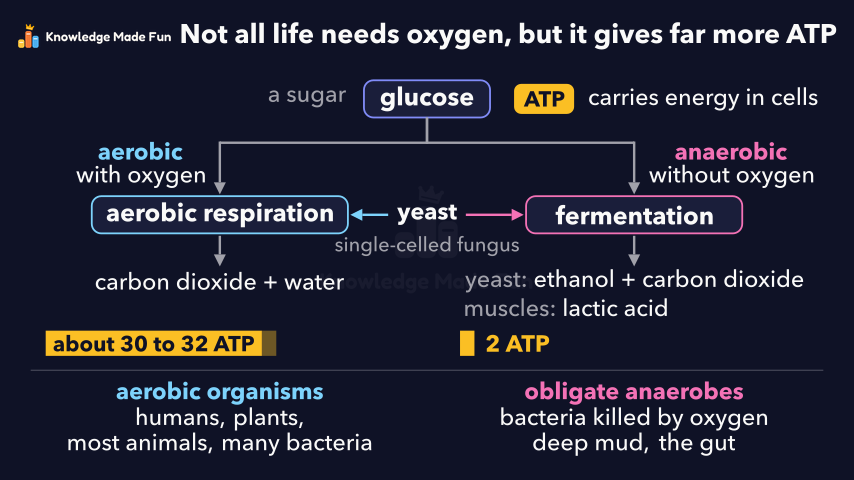 1 min 39 s
Aerobic and anaerobic organisms
Grade 11 · 1 min 39 s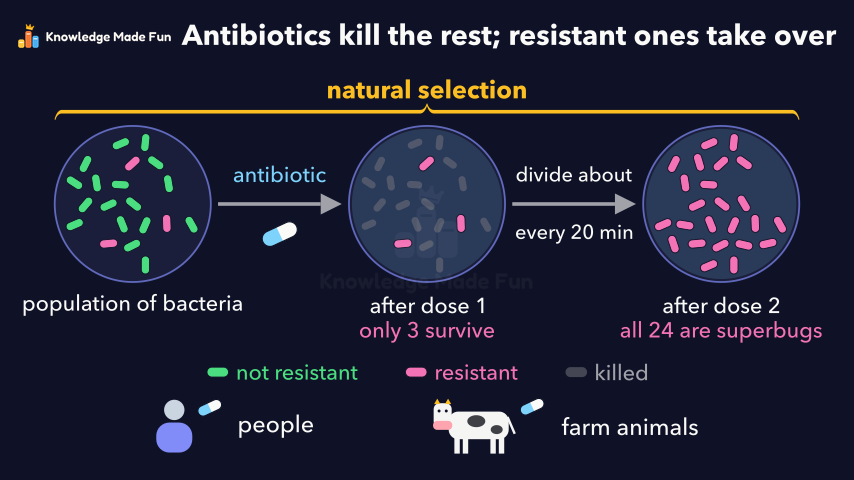 1 min 37 s
Antibiotic resistance: how superbugs evolve
Grade 8 · 1 min 37 s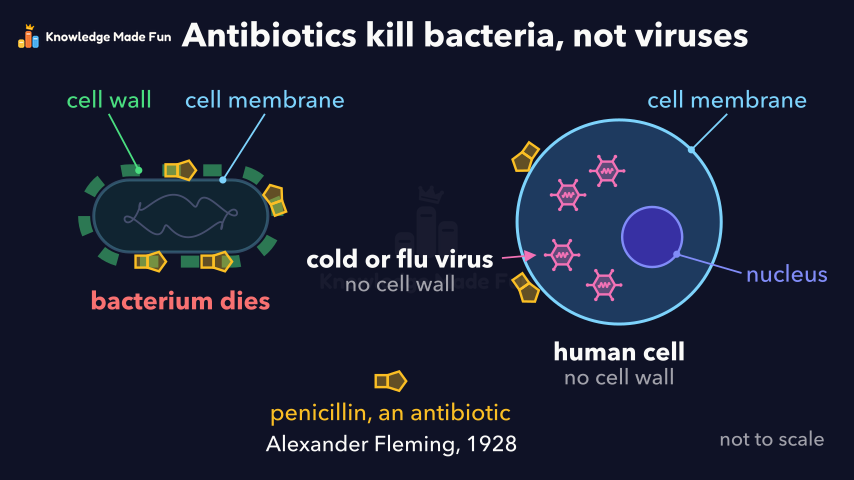 1 min 35 s
Antibiotics kill bacteria, not viruses
Grade 8 · 1 min 35 s
- All Grade 11 Chemistry lessons
- Create a free account to watch three lessons a day, no payment and no card.