Lesson · Grade 7 · Science
Variation: no two individuals are the same
- Grade 7
- Science
- 1 min 2 s
- British Columbia
- BC7-SC-05
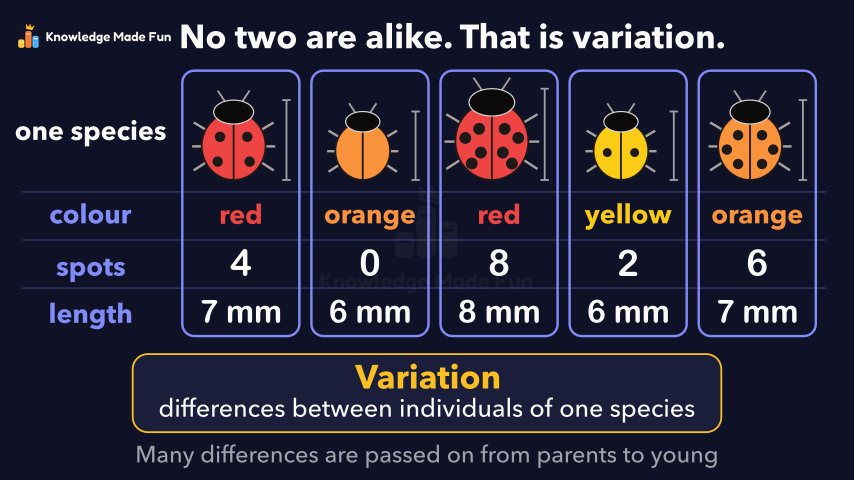
Five ladybugs of one species are compared in a table that builds up row by row, giving each one's colour, number of spots and length in millimetres. Two share a colour but differ in their spots and length, and no two columns match, so the video names these differences "variation", notes that many are passed on from parents to young, and ends on the recap "No two are alike. That is variation."
Anyone can watch two lessons on the website without an account. Signing in is free, no payment and no card, and opens three a day; Plus has no limit.
Loading
In one sentence
The question this lesson answers
Here are five ladybugs. Are any two of them exactly alike?
All five belong to the same species, so they are the same kind of beetle.
Transcript
What the lesson says
Here are five ladybugs. Are any two of them exactly alike?
All five belong to the same species, so they are the same kind of beetle.
First, compare their colours. Some are red, some are orange, and one is yellow.
Next, count their spots. One of them has no spots at all.
Now measure how long each one is, in millimetres.
Two of them can share a feature, like these two red ones.
But these two still differ in other ways, such as their spots and their length.
Check every pair, and you will find that no two are exactly the same.
These differences between individuals of the same species are called variation.
Many of these differences are passed on from parents to their young.
So no two individuals are exactly the same, and these differences are called variation.
Curriculum
Where this fits
- British Columbia, Grade 7
Science, Biology: natural selectionBC7-SC-05
Previous: Competing for Food, Water and SpaceNext: Natural Selection Step by Step: The Peppered Moth
The outcomes and strands follow the British Columbia curriculum.
Keep going
 1 min 3 s
A Sunflower's Life Cycle: Seed, Sprout, Flower, Seed
Kindergarten · 1 min 3 s 1 min 48 s
Adaptive radiation: one ancestor, many species
Grade 10 · 1 min 48 s 52 s
Animal Bodies That Help Them Live: Feet, Teeth and Fur
Kindergarten · 52 s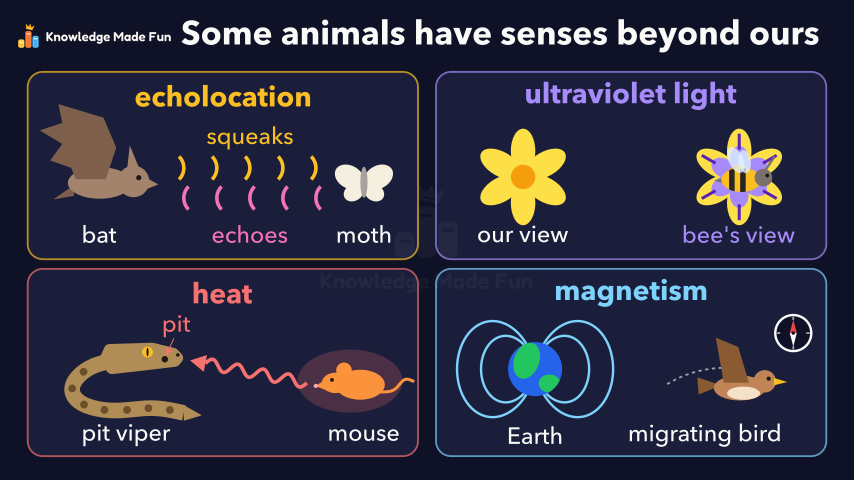 1 min 3 s
Animal senses beyond ours: echolocation, ultraviolet light, heat and magnetism
Grade 4 · 1 min 3 s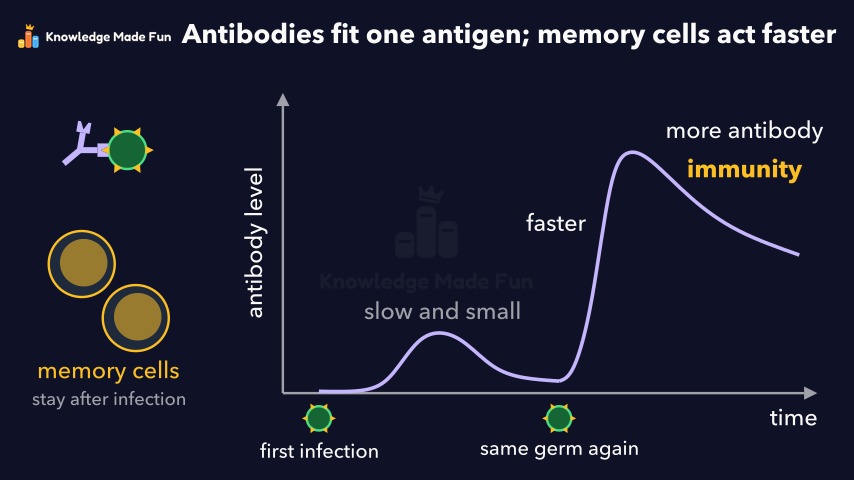 1 min 44 s
Antibodies and Memory Cells: The Body's Targeted Defence
Grade 8 · 1 min 44 s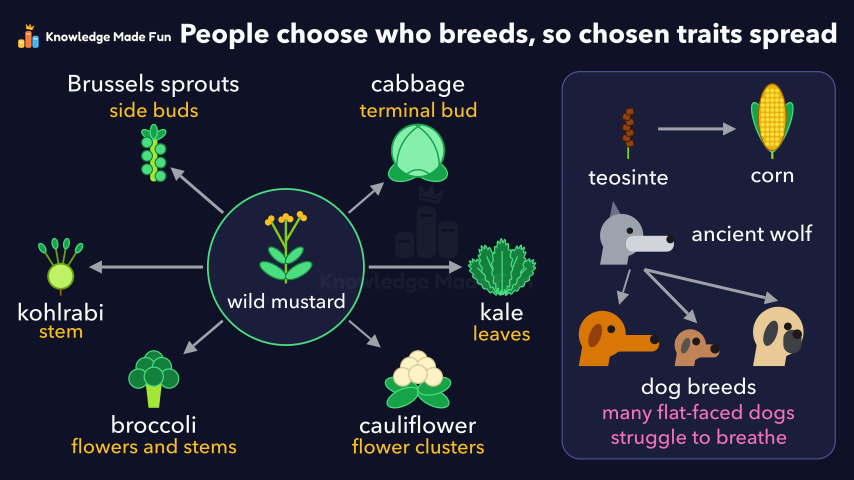 1 min 44 s
Artificial selection: people choose the traits
Grade 10 · 1 min 44 s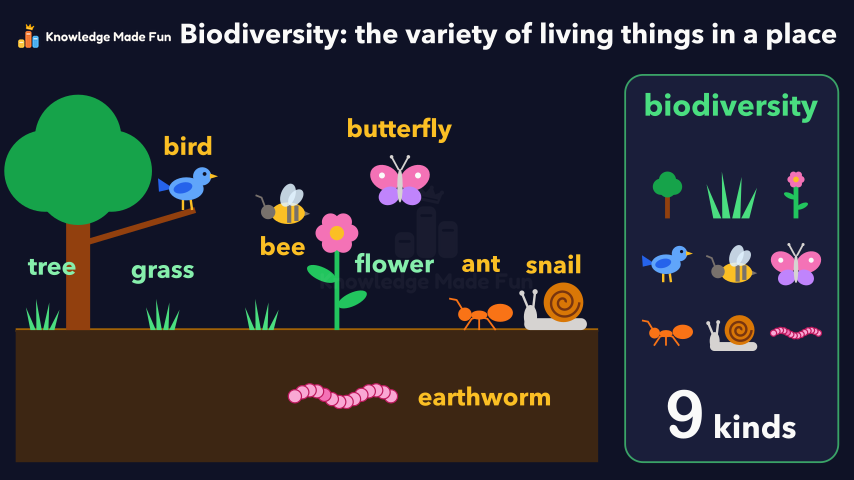 1 min 4 s
Biodiversity: The Variety of Living Things
Grade 3 · 1 min 4 s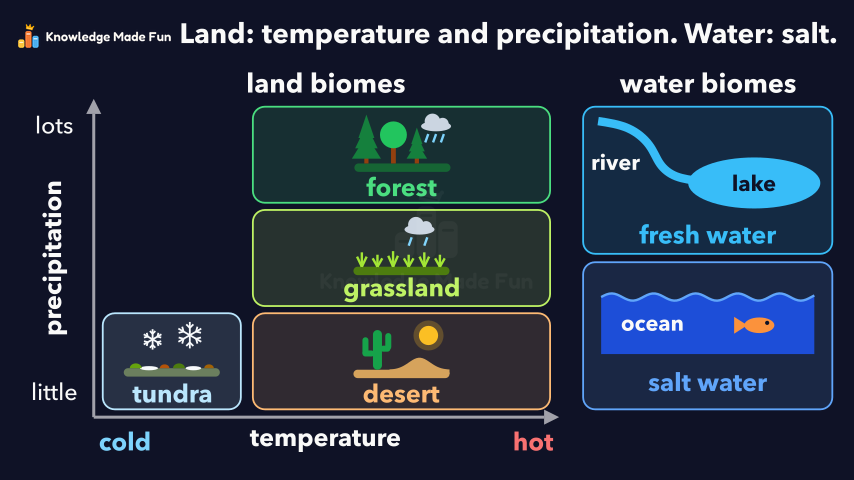 1 min 8 s
Biomes: Sorted by Temperature and Precipitation
Grade 4 · 1 min 8 s
- All Grade 7 Science lessons
- Create a free account to watch three lessons a day, no payment and no card.