Lesson · Grade 9 · Science
The cell cycle: growing, copying DNA and dividing
- Grade 9
- Science
- 1 min 52 s
- British Columbia
- BC9-SC-01
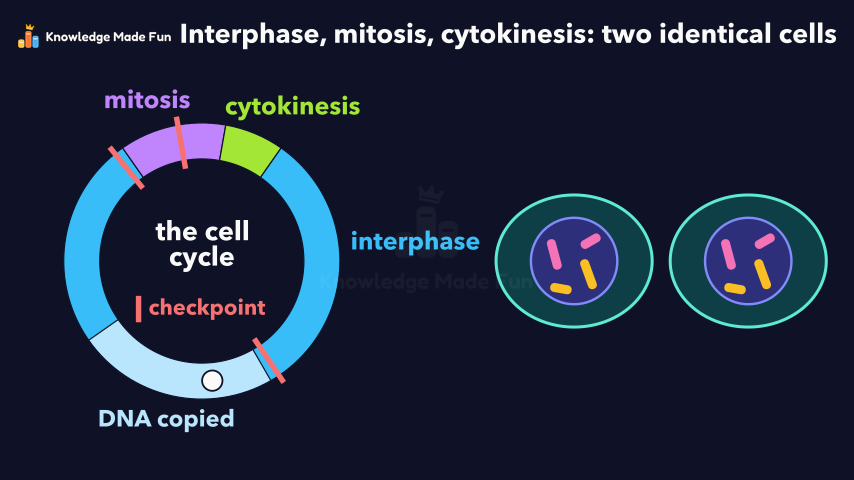
A clock-style ring of the cell cycle fills in step by step while one cell beside it grows and copies its chromosomes in interphase, divides its nucleus in mitosis and splits in cytokinesis into two cells with the same chromosomes. The video then shows that we grow mainly by making more cells, why cells divide (growth, repair, replacing worn-out cells, asexual reproduction in single-celled organisms), and how failed checkpoints can let cells divide out of control and form a tumour, as in cancer.
Anyone can watch two lessons on the website without an account. Signing in is free, no payment and no card, and opens three a day; Plus has no limit.
Loading
In one sentence
The question this lesson answers
Your body makes new cells all the time. How does one cell become two?
The nucleus holds DNA, the cell's instructions, in long threads called chromosomes.
Transcript
What the lesson says
Your body makes new cells all the time. How does one cell become two?
The nucleus holds DNA, the cell's instructions, in long threads called chromosomes.
A cell's life goes round a loop like a clock, called the cell cycle.
Most of the time, the cell is in interphase: it grows and does its normal job.
Then it copies its DNA, so each chromosome now has two identical copies.
Next comes mitosis, when the nucleus divides.
The nuclear membrane breaks down, and the chromosomes line up across the middle.
Fibres pull the two copies of each chromosome to opposite ends.
A new nucleus forms around each set, giving two identical nuclei.
Finally, in cytokinesis, the cytoplasm and cell membrane divide.
Each new cell has the same chromosomes as the first, and can start the cycle again.
So we grow mainly by making more cells, not because our cells get bigger.
Cells divide for growth, for repair, such as healing a cut, and to replace worn-out cells.
Some single-celled organisms, like an amoeba, divide to reproduce. This is asexual reproduction.
Checkpoints act like gates: they check the cell and its DNA before it moves on.
If checkpoints fail, cells can divide out of control and form a lump called a tumour, as in cancer.
So: in interphase the cell grows and copies its DNA, then mitosis and cytokinesis make two identical cells.
Curriculum
Where this fits
The outcomes and strands follow the British Columbia curriculum.
Keep going
 1 min 3 s
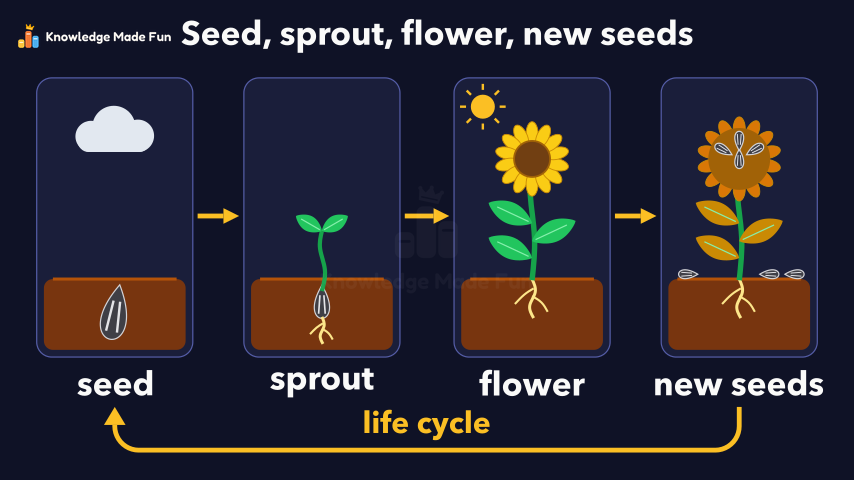
A Sunflower's Life Cycle: Seed, Sprout, Flower, Seed
Kindergarten · 1 min 3 s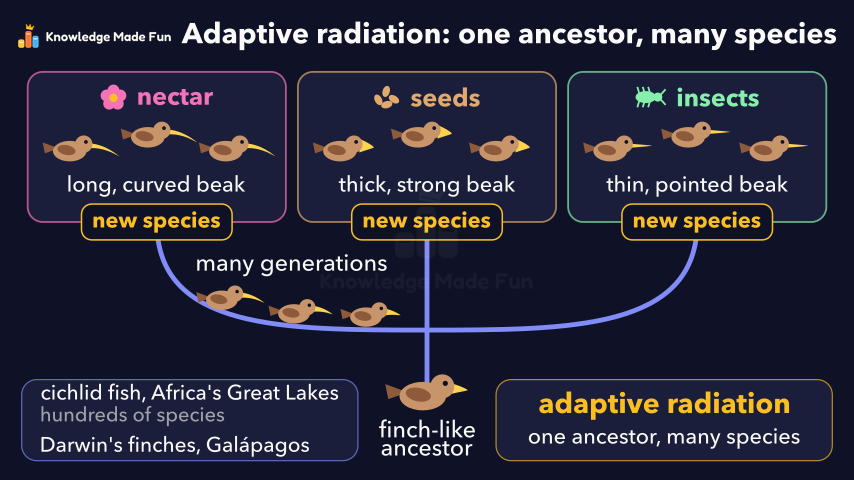 1 min 48 s
Adaptive radiation: one ancestor, many species
Grade 10 · 1 min 48 s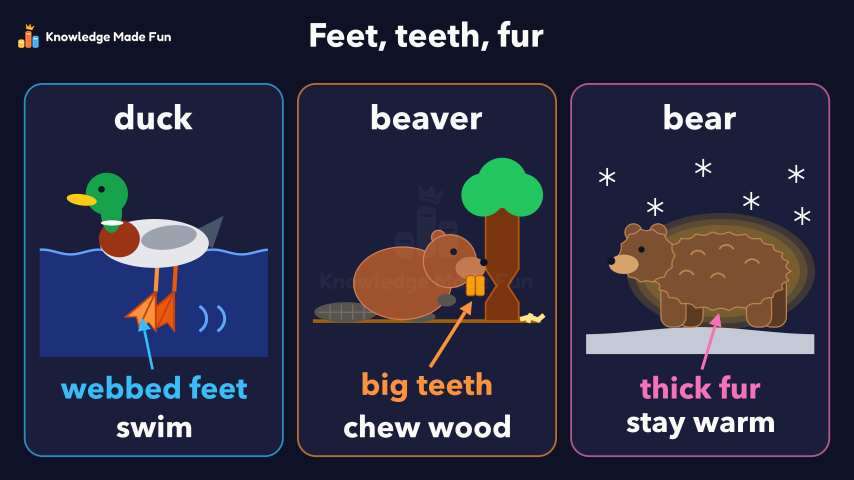 52 s
Animal Bodies That Help Them Live: Feet, Teeth and Fur
Kindergarten · 52 s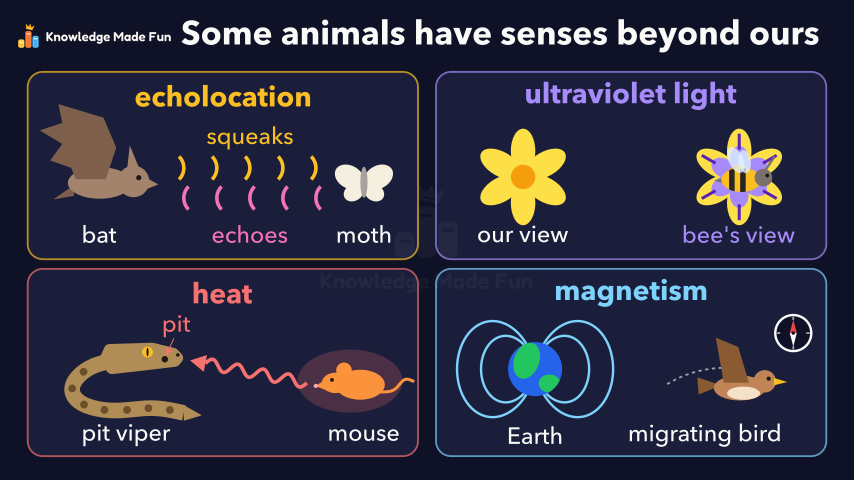 1 min 3 s
Animal senses beyond ours: echolocation, ultraviolet light, heat and magnetism
Grade 4 · 1 min 3 s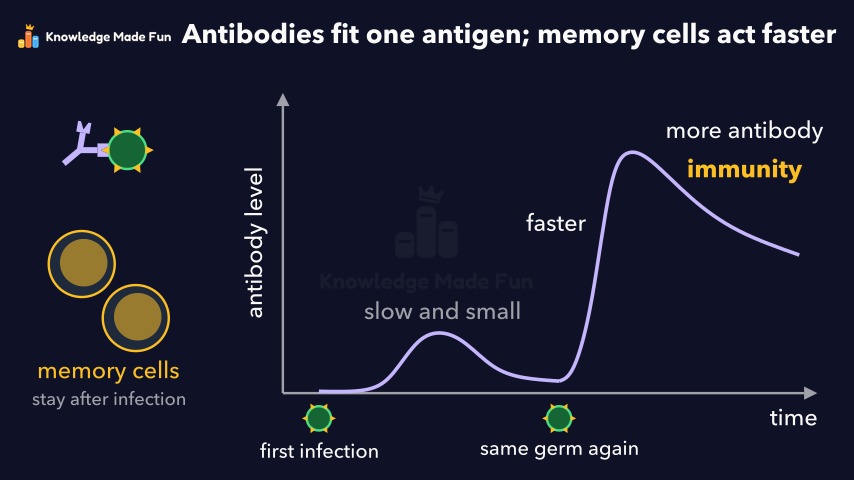 1 min 44 s
Antibodies and Memory Cells: The Body's Targeted Defence
Grade 8 · 1 min 44 s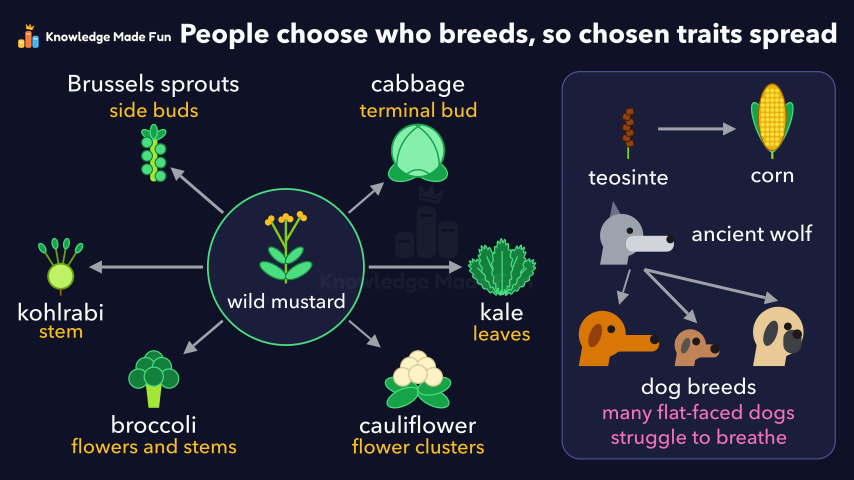 1 min 44 s
Artificial selection: people choose the traits
Grade 10 · 1 min 44 s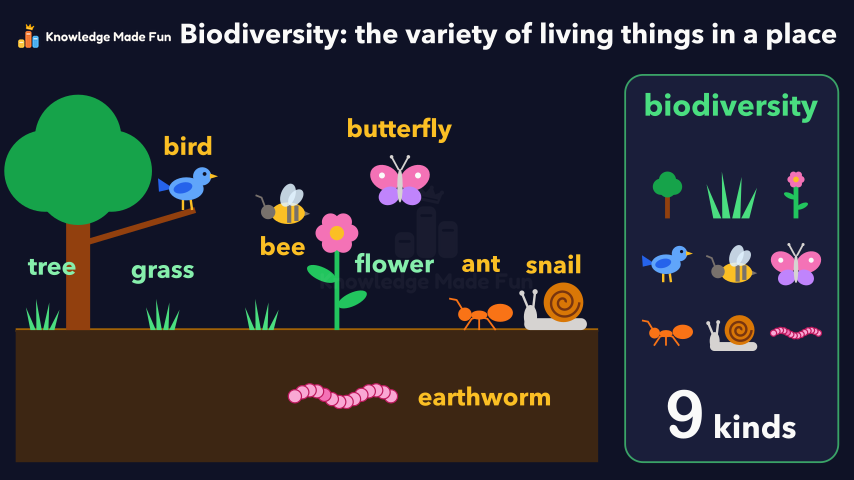 1 min 4 s
Biodiversity: The Variety of Living Things
Grade 3 · 1 min 4 s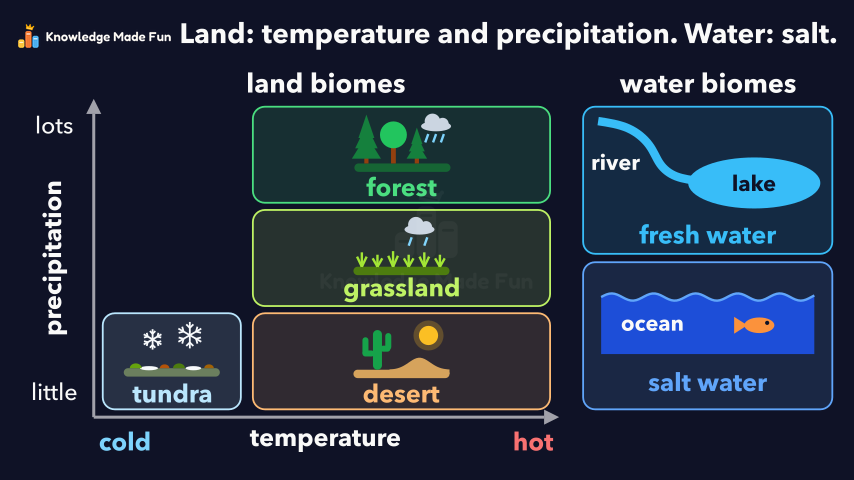 1 min 8 s
Biomes: Sorted by Temperature and Precipitation
Grade 4 · 1 min 8 s
- All Grade 9 Science lessons
- Create a free account to watch three lessons a day, no payment and no card.