Lesson · Grade 10 · Science
Telescopes for every kind of light
- Grade 10
- Science
- 1 min 47 s
- British Columbia
- BC10-SC-48
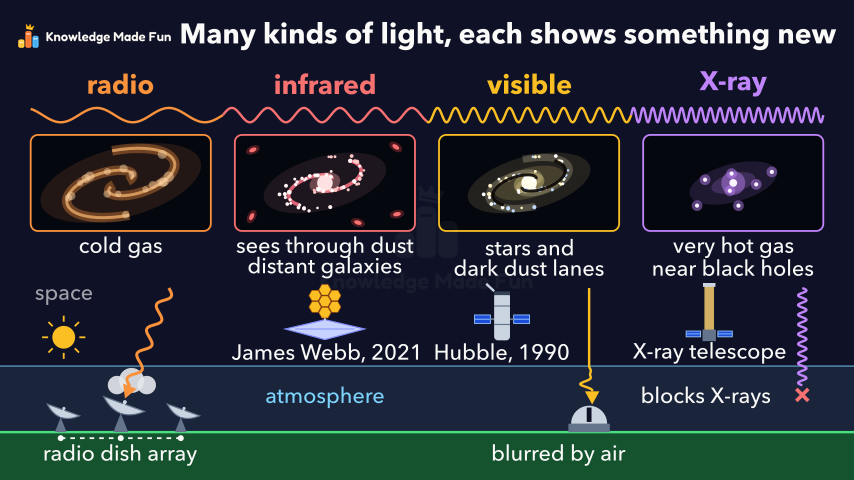
One spiral galaxy is shown in four panels under a wave whose wavelength shortens from left to right: radio shows cold gas, infrared sees through dust and finds distant redshifted galaxies, visible light shows stars and dark dust lanes, and X-rays show very hot gas near black holes. Below each panel is the telescope for that light: radio dish arrays on the ground that work in daylight and cloud, and James Webb (2021), Hubble (1990) and an X-ray telescope in space, above an atmosphere that blocks X-rays and blurs starlight.
Anyone can watch two lessons on the website without an account. Signing in is free, no payment and no card, and opens three a day; Plus has no limit.
Loading
In one sentence
The question this lesson answers
Do telescopes only collect visible light, the light our eyes can see?
Here is a spiral galaxy in visible light: its stars, and dark lanes of dust that block light.
Transcript
What the lesson says
Do telescopes only collect visible light, the light our eyes can see?
Here is a spiral galaxy in visible light: its stars, and dark lanes of dust that block light.
But visible light is one part of the electromagnetic spectrum, the whole range of light.
The kinds of light differ in wavelength, the distance from one wave crest to the next.
Four of them, from longer waves to shorter, are radio, infrared, visible light and X-rays.
Radio waves show the galaxy's cold gas, which often spreads wider than its stars.
Radio telescopes are big dishes, often linked in an array that works as one giant telescope.
Radio waves pass through the atmosphere and clouds, so the dishes work in daylight and cloudy weather.
Infrared light passes through dust, so it shows stars that the dust hides in visible light.
The James Webb Space Telescope, launched in 2021, sees infrared and finds very distant galaxies.
As the universe expands, their light is stretched to longer, infrared waves. This is called redshift.
X-rays show very hot gas, at millions of degrees, such as gas swirling near black holes.
Our atmosphere blocks X-rays, so X-ray telescopes are placed in space, above it.
Moving air blurs starlight, so space telescopes such as Hubble, launched in 1990, avoid that blur.
So telescopes collect many kinds of light, not just visible, and each shows something new.
Curriculum
Where this fits
- British Columbia, Grade 10
Science 10, Earth science: astronomical data and collection methodsBC10-SC-48
Previous: The Cosmic Microwave Background: The Oldest Light We Can SeeNext: Rovers, Space Stations and Underground Labs: Gathering Evidence
The outcomes and strands follow the British Columbia curriculum.
Keep going
 1 min 43 s
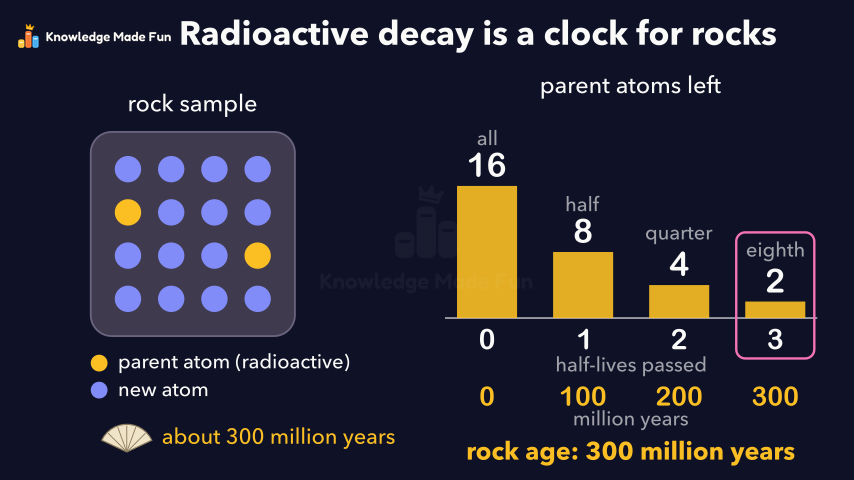
Absolute dating: radioactive decay is a clock for rocks
Grade 7 · 1 min 43 s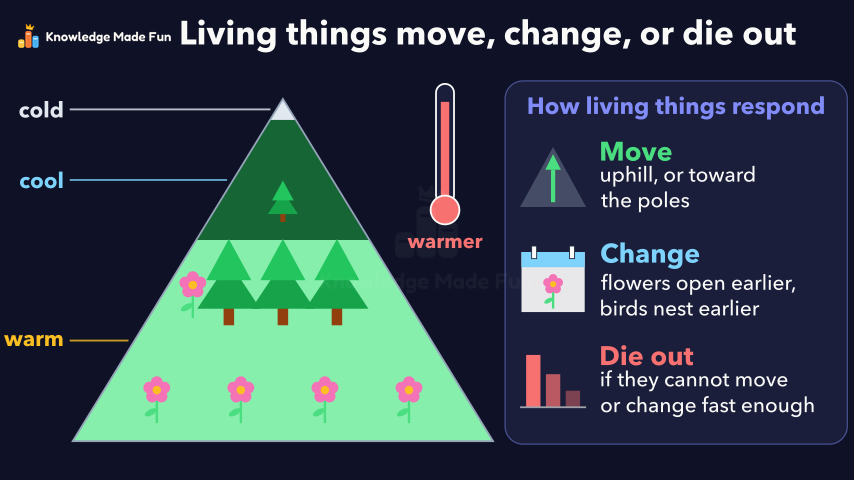 1 min 19 s
Climate Change and Living Things: Move, Change, or Die Out
Grade 7 · 1 min 19 s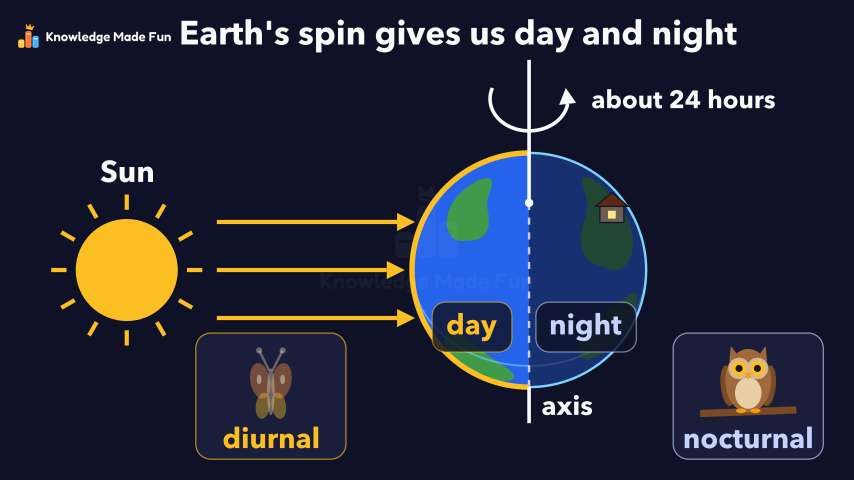 1 min 14 s
Day and Night: Earth Spins on Its Axis
Grade 4 · 1 min 14 s 1 min 50 s
Dynamic equilibrium: balanced but always changing
Grade 9 · 1 min 50 s 1 min 11 s
Earth Materials: From Boulders to Clay
Grade 5 · 1 min 11 s 1 min 11 s
Erosion and Deposition: How Wind, Water and Ice Move Land
Grade 3 · 1 min 11 s 1 min 53 s
From quarks to galaxies: how the universe's matter formed
Grade 10 · 1 min 53 s 47 s
Hot, Warm, Cool and Cold: What Do We Wear?
Kindergarten · 47 s
- All Grade 10 Science lessons
- Create a free account to watch three lessons a day, no payment and no card.