Lesson · Grade 3 · Science
Erosion and Deposition: How Wind, Water and Ice Move Land
- Grade 3
- Science
- 1 min 11 s
- British Columbia
- BC3-SC-13
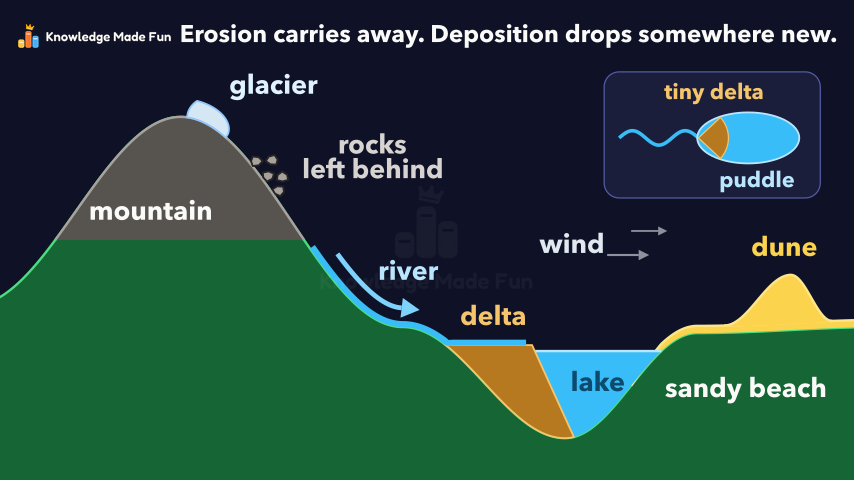
One side view of a mountain, a river, a lake and a sandy beach builds up step by step: a river carries mud and sand downhill, the wind blows sand off the beach, and a glacier scrapes up rocks, which is erosion. Then the same pieces are dropped somewhere new, which is deposition: the river slows in the lake and builds a delta, the slower wind piles up a dune, and the melting glacier leaves its rocks behind, with a close look at the tiny deltas children can find in puddles after rain.
Anyone can watch two lessons on the website without an account. Signing in is free, no payment and no card, and opens three a day; Plus has no limit.
Loading
In one sentence
The question this lesson answers
How can wind, water and ice move land?
Here is a mountain, a river, a lake and a sandy beach.
Transcript
What the lesson says
How can wind, water and ice move land?
Here is a mountain, a river, a lake and a sandy beach.
Erosion is when rock and soil are carried away.
A river carries mud and sand downhill.
Wind picks up dry sand and blows it away.
A glacier is a huge mass of ice that moves slowly downhill.
As it moves, it scrapes up rocks and carries them along.
Deposition is when rock and soil are dropped somewhere new.
In the lake, the river slows down and drops its mud and sand.
The mud and sand pile up into new land called a delta.
When the wind slows down, it drops the sand in a hill called a dune.
When the glacier melts, it leaves its rocks behind.
After rain, you may see tiny deltas where little streams run into puddles.
Erosion carries rock and soil away, and deposition drops it somewhere new.
Curriculum
Where this fits
- British Columbia, Grade 3
Science, Earth science: observable changes in the local environment caused by erosion and deposition by wind, water, and iceBC3-SC-13
The outcomes and strands follow the British Columbia curriculum.
Keep going
 1 min 43 s
Absolute dating: radioactive decay is a clock for rocks
Grade 7 · 1 min 43 s 1 min 19 s
Climate Change and Living Things: Move, Change, or Die Out
Grade 7 · 1 min 19 s 1 min 14 s
Day and Night: Earth Spins on Its Axis
Grade 4 · 1 min 14 s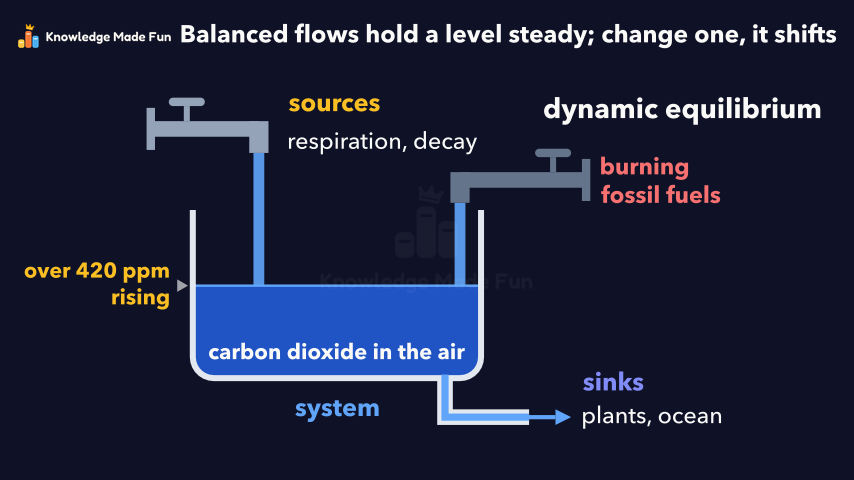 1 min 50 s
Dynamic equilibrium: balanced but always changing
Grade 9 · 1 min 50 s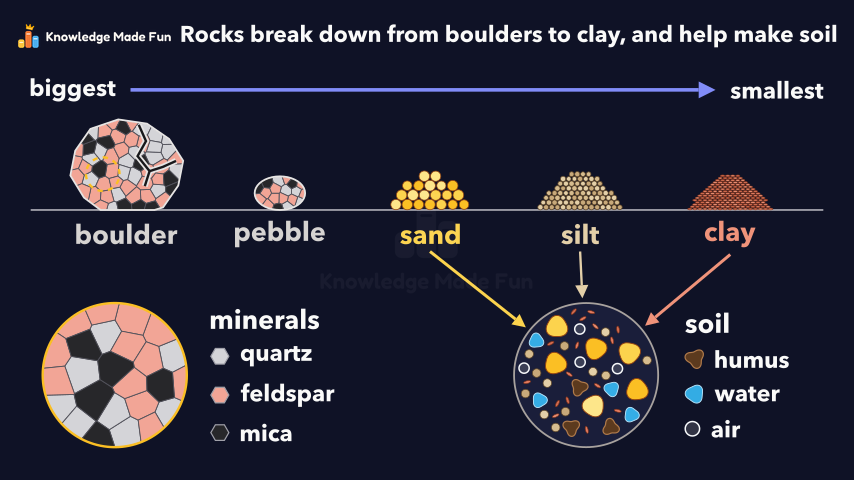 1 min 11 s
Earth Materials: From Boulders to Clay
Grade 5 · 1 min 11 s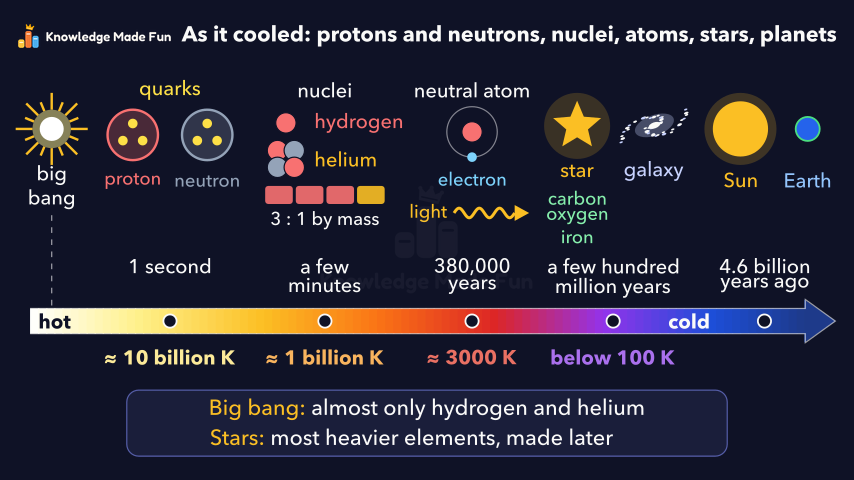 1 min 53 s
From quarks to galaxies: how the universe's matter formed
Grade 10 · 1 min 53 s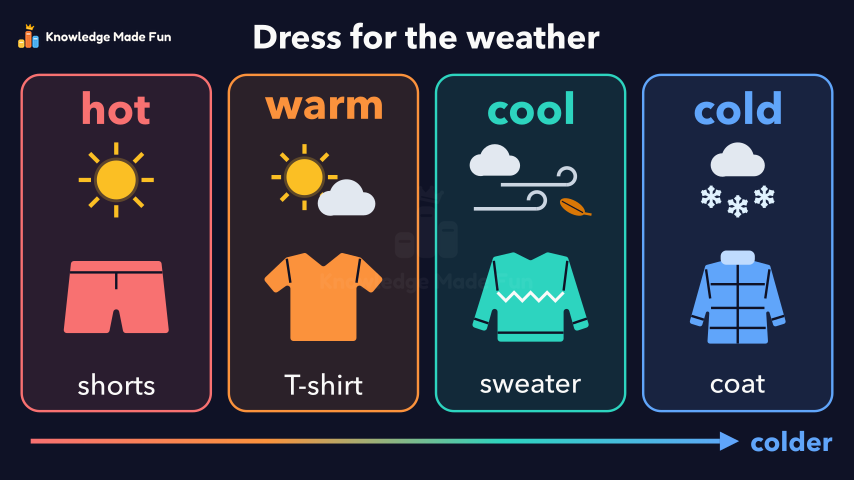 47 s
Hot, Warm, Cool and Cold: What Do We Wear?
Kindergarten · 47 s 1 min 25 s
How Fossils Form
Grade 7 · 1 min 25 s
- All Grade 3 Science lessons
- Create a free account to watch three lessons a day, no payment and no card.