Lesson · Grade 5 · Science
Earth Materials: From Boulders to Clay
- Grade 5
- Science
- 1 min 11 s
- British Columbia
- BC5-SC-16
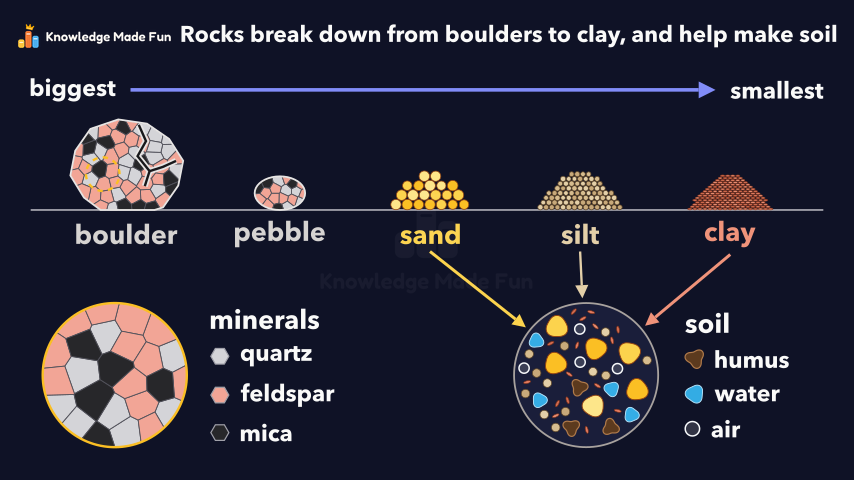
A granite boulder is shown up close to be made of minerals (quartz, feldspar and mica), then it breaks down and its pieces are sorted by size from boulder to pebble, sand, silt and clay. A close-up of soil shows sand, silt and clay mixed with humus, water and air, and viewers are asked which of these materials they can find near their school.
Concept: Earth materials: minerals, rocks, sand, clay and soil
Anyone can watch two lessons on the website without an account. Signing in is free, no payment and no card, and opens three a day; Plus has no limit.
Loading
In one sentence
The question this lesson answers
How are rocks, sand, clay and soil connected?
Up close, most rocks are made of minerals.
Transcript
What the lesson says
How are rocks, sand, clay and soil connected?
Up close, most rocks are made of minerals.
This granite is made mostly of quartz, feldspar and mica.
Over a long time, rocks break into smaller pieces.
Let's sort the pieces by size, from biggest to smallest.
A boulder is a rock bigger than a basketball.
A pebble is a small, rounded stone, small enough to pinch between two fingers.
Sand is made of tiny grains that feel gritty.
Silt is finer still, and feels smooth like flour.
Clay is the finest of all, and it is sticky when wet.
Soil is usually a mix of sand, silt and clay.
Soil also has humus, made from rotted bits of plants and animals.
Water and air fill the spaces between the bits.
Which of these can you find near your school?
Rocks break down from boulders to clay, and help make soil.
Curriculum
Where this fits
- British Columbia, Grade 5
Science, Earth science: local types of earth materialsBC5-SC-16
Previous: The Rock Cycle: Igneous, Sedimentary and MetamorphicNext: Renewable and Non-Renewable Resources
The outcomes and strands follow the British Columbia curriculum.
Keep going
 1 min 43 s
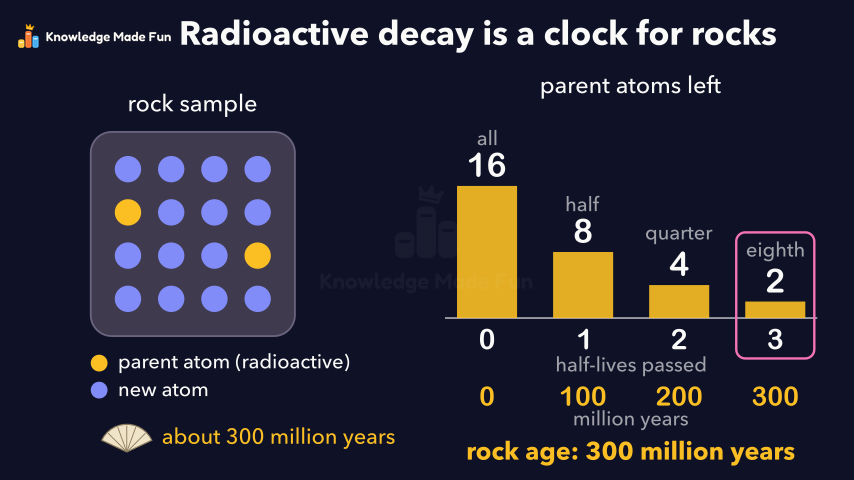
Absolute dating: radioactive decay is a clock for rocks
Grade 7 · 1 min 43 s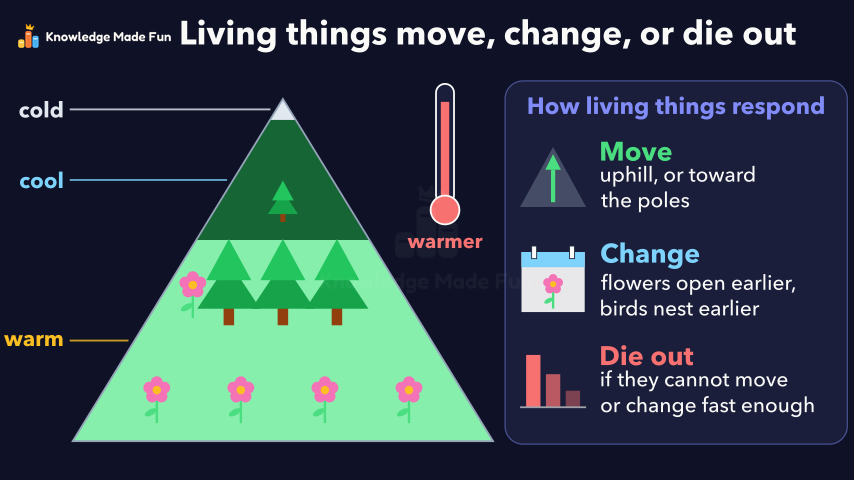 1 min 19 s
Climate Change and Living Things: Move, Change, or Die Out
Grade 7 · 1 min 19 s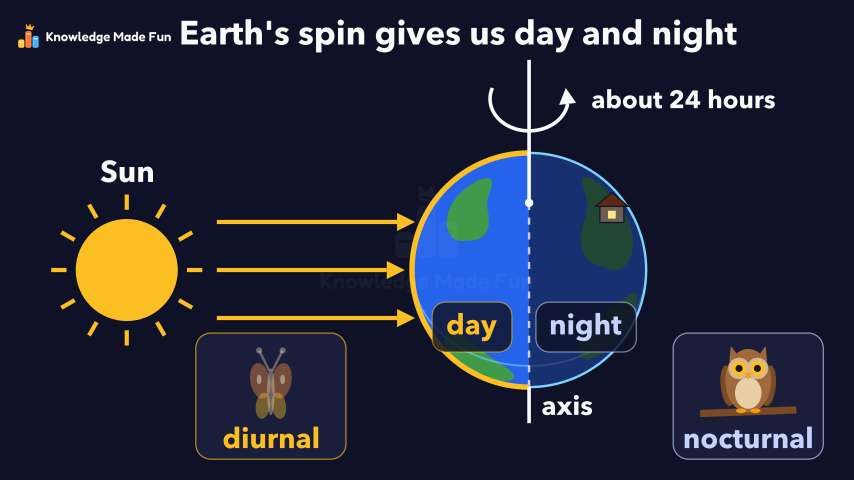 1 min 14 s
Day and Night: Earth Spins on Its Axis
Grade 4 · 1 min 14 s 1 min 50 s
Dynamic equilibrium: balanced but always changing
Grade 9 · 1 min 50 s 1 min 11 s
Erosion and Deposition: How Wind, Water and Ice Move Land
Grade 3 · 1 min 11 s 1 min 53 s
From quarks to galaxies: how the universe's matter formed
Grade 10 · 1 min 53 s 47 s
Hot, Warm, Cool and Cold: What Do We Wear?
Kindergarten · 47 s 1 min 25 s
How Fossils Form
Grade 7 · 1 min 25 s
- All Grade 5 Science lessons
- Create a free account to watch three lessons a day, no payment and no card.