Lesson · Grade 7 · Science
Climate Change and Living Things: Move, Change, or Die Out
- Grade 7
- Science
- 1 min 19 s
- British Columbia
- BC7-SC-42
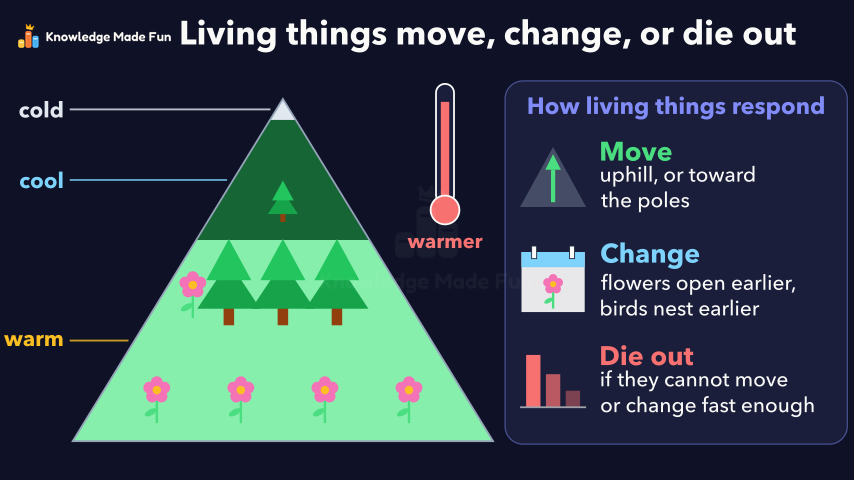
A mountain with a warm meadow, a cool forest and cold rocks near the top shows how each plant and animal lives in the zone that suits it, and how every zone shifts uphill as a thermometer rises. Flowers and a sapling grow higher, a pika climbs until its cold zone shrinks away and it has nowhere left to go, while a card on the right collects the three responses: move, change, or die out.
Concept: How a changing climate affects plants and animals
Anyone can watch two lessons on the website without an account. Signing in is free, no payment and no card, and opens three a day; Plus has no limit.
Loading
In one sentence
The question this lesson answers
How does a changing climate affect plants and animals?
Every plant and animal needs the right conditions to live: the right temperature, water and food.
Transcript
What the lesson says
How does a changing climate affect plants and animals?
Every plant and animal needs the right conditions to live: the right temperature, water and food.
Look at this mountain. Lower down it is warm. Higher up it is cold.
Each living thing lives in the zone that suits it: flowers in the warm meadow, trees in the cool forest, and a pika on the cold rocks near the top.
Today the climate is warming quickly, mostly because people burn coal, oil and gas.
As it warms, every zone on the mountain shifts uphill.
Some living things move with their zone. Here that means uphill. Elsewhere it means toward the poles.
Some change what they do. In a warmer spring, flowers open earlier and birds nest earlier.
If the warming goes on, the cold zone shrinks until it is almost gone.
The pika is already near the top. It has nowhere left to go.
Its numbers fall. A species that cannot move or change fast enough can die out.
When the climate changes, living things move, change, or die out.
Curriculum
Where this fits
- British Columbia, Grade 7
Science, Earth science: evidence of climate change over geological time and the recent impacts of humansBC7-SC-42
Previous: How people are changing the climateNext: Sustainable practices: what works
The outcomes and strands follow the British Columbia curriculum.
Keep going
 1 min 43 s
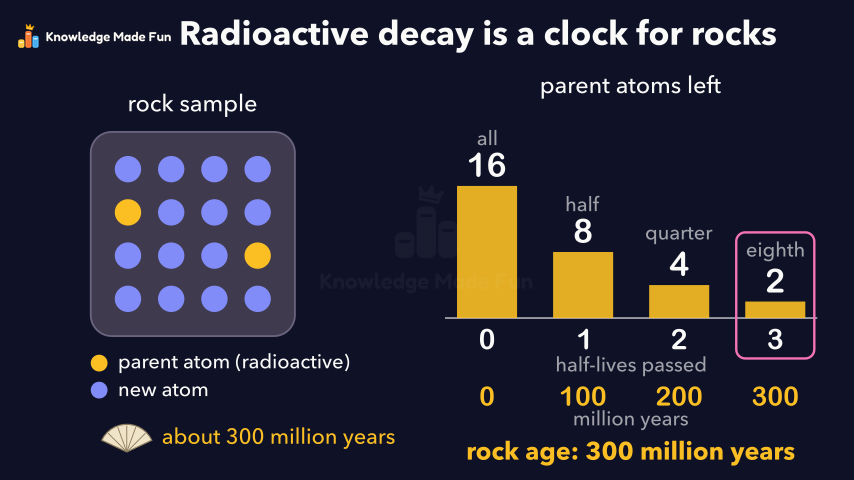
Absolute dating: radioactive decay is a clock for rocks
Grade 7 · 1 min 43 s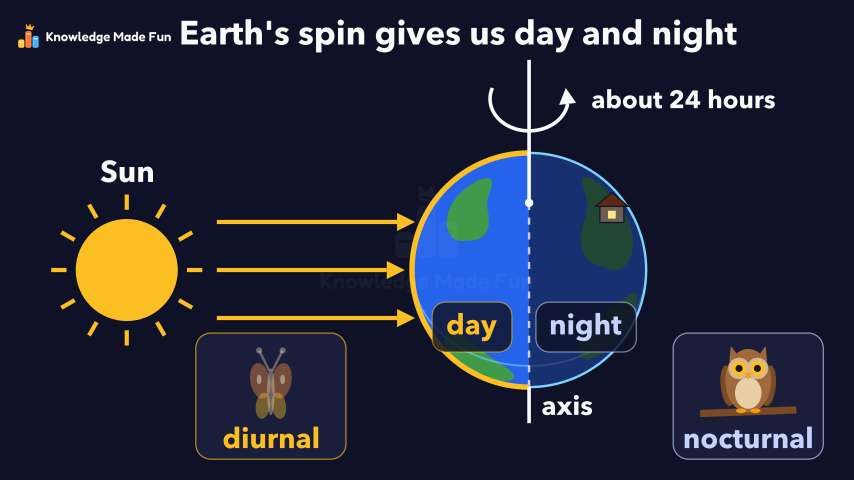 1 min 14 s
Day and Night: Earth Spins on Its Axis
Grade 4 · 1 min 14 s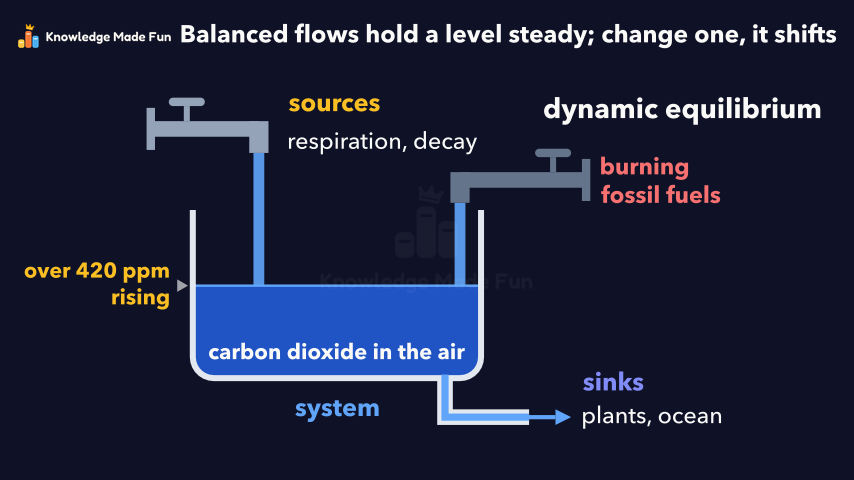 1 min 50 s
Dynamic equilibrium: balanced but always changing
Grade 9 · 1 min 50 s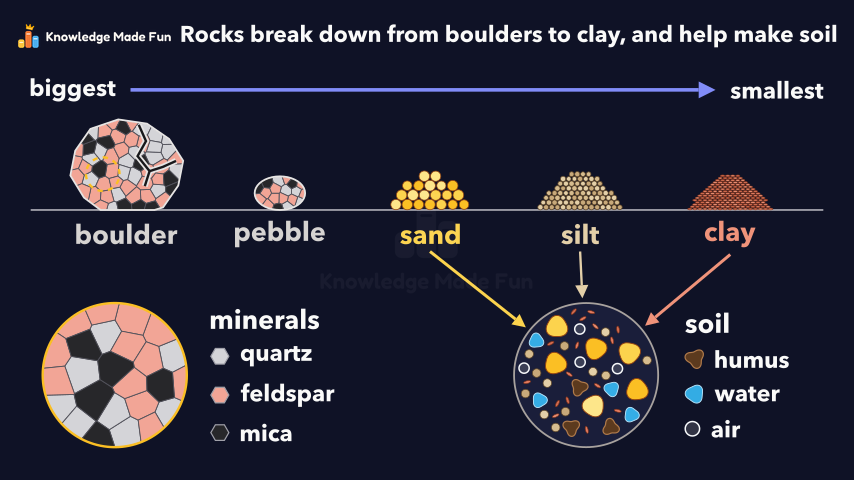 1 min 11 s
Earth Materials: From Boulders to Clay
Grade 5 · 1 min 11 s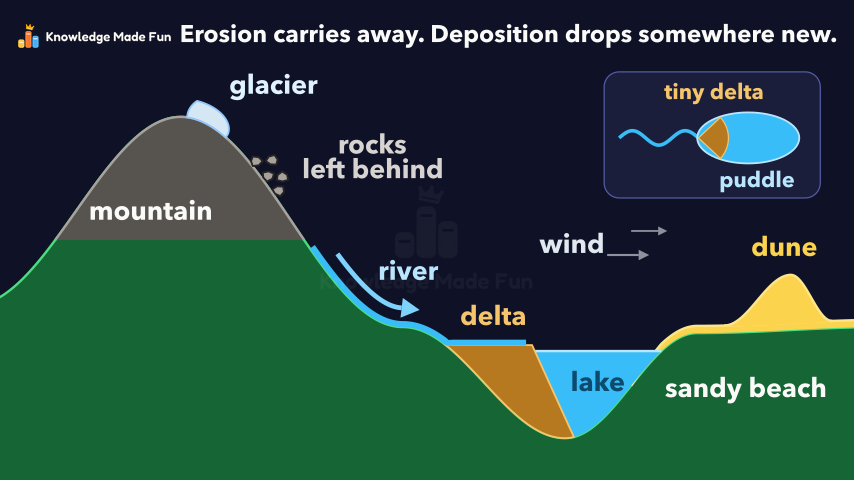 1 min 11 s
Erosion and Deposition: How Wind, Water and Ice Move Land
Grade 3 · 1 min 11 s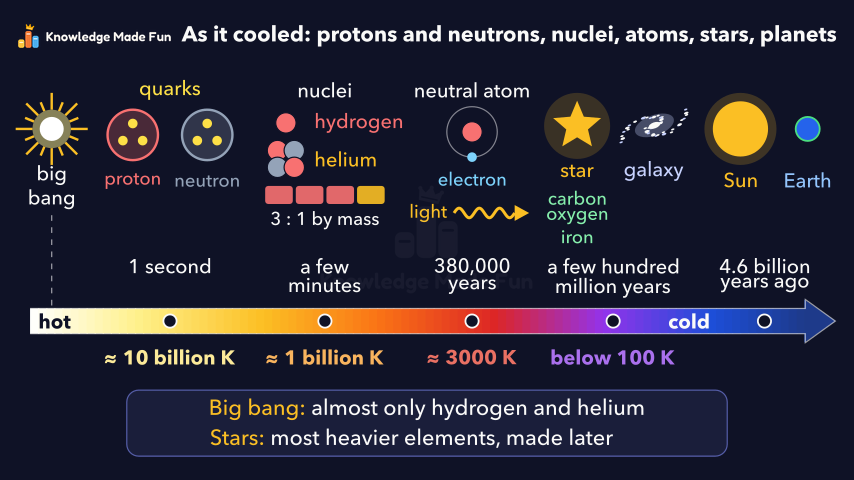 1 min 53 s
From quarks to galaxies: how the universe's matter formed
Grade 10 · 1 min 53 s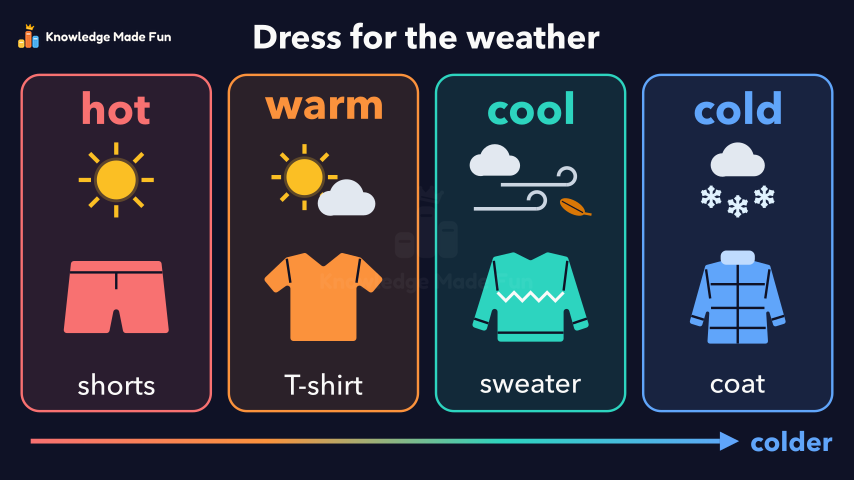 47 s
Hot, Warm, Cool and Cold: What Do We Wear?
Kindergarten · 47 s 1 min 25 s
How Fossils Form
Grade 7 · 1 min 25 s
- All Grade 7 Science lessons
- Create a free account to watch three lessons a day, no payment and no card.