Lesson · Grade 7 · Science
How Fossils Form
- Grade 7
- Science
- 1 min 25 s
- British Columbia
- BC7-SC-32
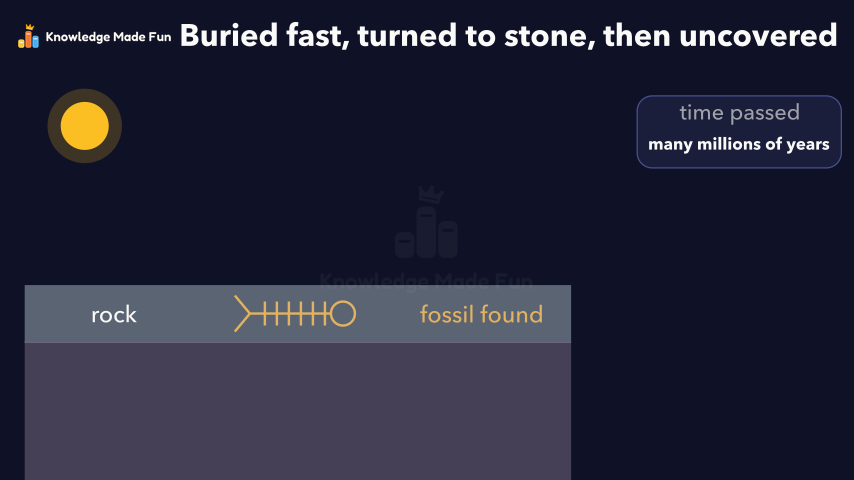
A cross-section of the sea floor builds up step by step as a fish dies, is quickly buried by mud, loses its soft parts, and is covered by more layers that harden into rock while minerals turn its bones to stone. A newer/older arrow shows that deeper layers are older, then the land rises and wears away to uncover the fossil, ending on the recap: buried fast, turned to stone, then uncovered.
Anyone can watch two lessons on the website without an account. Signing in is free, no payment and no card, and opens three a day; Plus has no limit.
Loading
In one sentence
The question this lesson answers
How does a living thing, like this fish, become a fossil?
When the fish dies, it sinks to the muddy sea floor.
Transcript
What the lesson says
How does a living thing, like this fish, become a fossil?
When the fish dies, it sinks to the muddy sea floor.
Mud and sand quickly cover the body. This has to happen fast, before it rots away or is eaten.
Under the mud, the soft parts of the fish rot away.
The hard parts, like bones, teeth and shells, stay behind.
Over thousands and millions of years, more and more layers settle on top.
Deeper layers are older, and each layer can hold the remains of living things from its own time.
The weight of all those layers squeezes the lower ones until they harden into rock.
Water seeping through the rock carries minerals into tiny spaces in the bones.
Slowly, the minerals turn the bones to stone. Now it is a fossil.
Many millions of years later, movements in the Earth push the rock up above the sea.
Wind, rain and rivers slowly wear the top layers away.
At last the fossil is uncovered, and someone finds it.
Buried quickly, turned to stone, then uncovered. That is how a fossil forms, and why rock layers hold a record of past life.
Curriculum
Where this fits
- British Columbia, Grade 7
Science, Earth science: the fossil record provides evidence for changes in biodiversity over geological timeBC7-SC-32
Next: The Geologic Time Scale: Reading Earth's History in Rock Layers
The outcomes and strands follow the British Columbia curriculum.
Keep going
 1 min 43 s
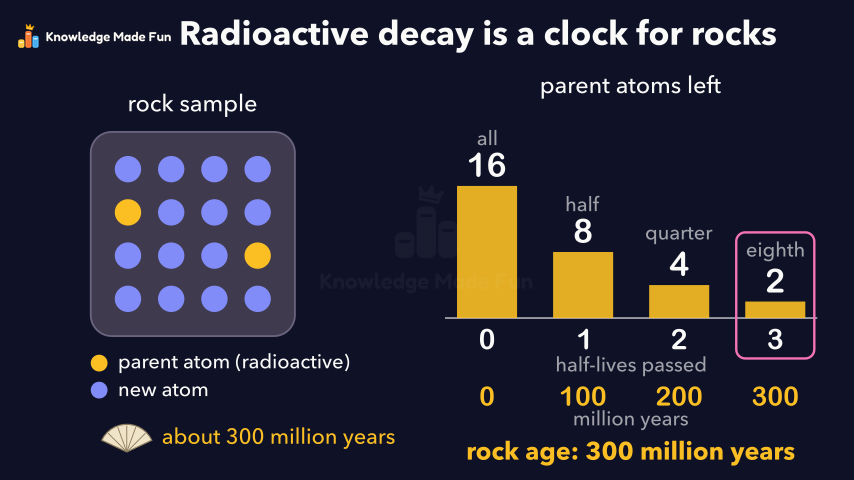
Absolute dating: radioactive decay is a clock for rocks
Grade 7 · 1 min 43 s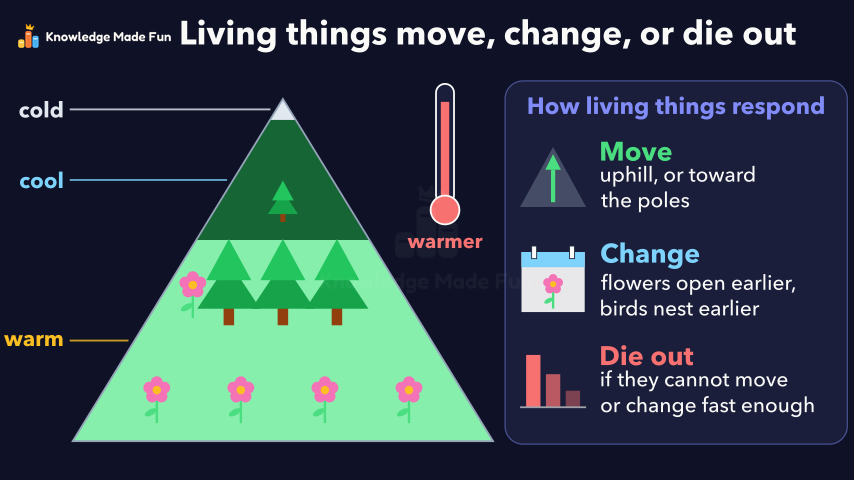 1 min 19 s
Climate Change and Living Things: Move, Change, or Die Out
Grade 7 · 1 min 19 s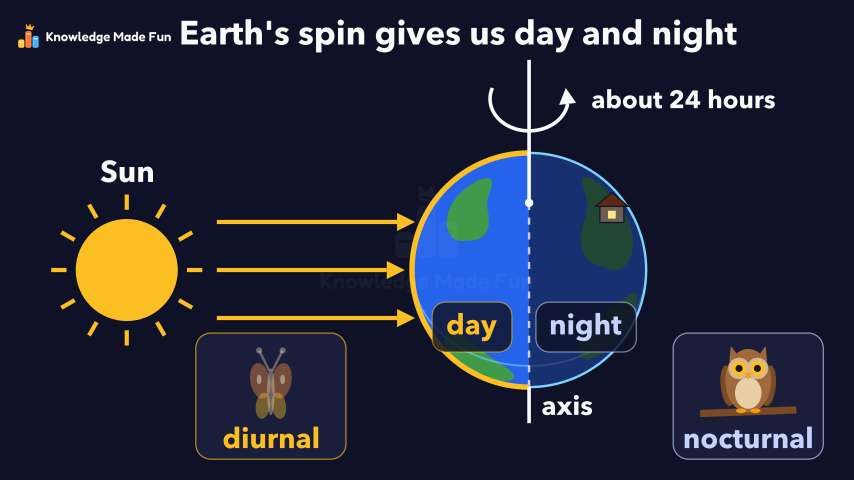 1 min 14 s
Day and Night: Earth Spins on Its Axis
Grade 4 · 1 min 14 s 1 min 50 s
Dynamic equilibrium: balanced but always changing
Grade 9 · 1 min 50 s 1 min 11 s
Earth Materials: From Boulders to Clay
Grade 5 · 1 min 11 s 1 min 11 s
Erosion and Deposition: How Wind, Water and Ice Move Land
Grade 3 · 1 min 11 s 1 min 53 s
From quarks to galaxies: how the universe's matter formed
Grade 10 · 1 min 53 s 47 s
Hot, Warm, Cool and Cold: What Do We Wear?
Kindergarten · 47 s
- All Grade 7 Science lessons
- Create a free account to watch three lessons a day, no payment and no card.