Lesson · Grade 10 · Science
Stem Cells: Same DNA, Different Genes Switched On
- Grade 10
- Science
- 1 min 52 s
- British Columbia
- BC10-SC-50
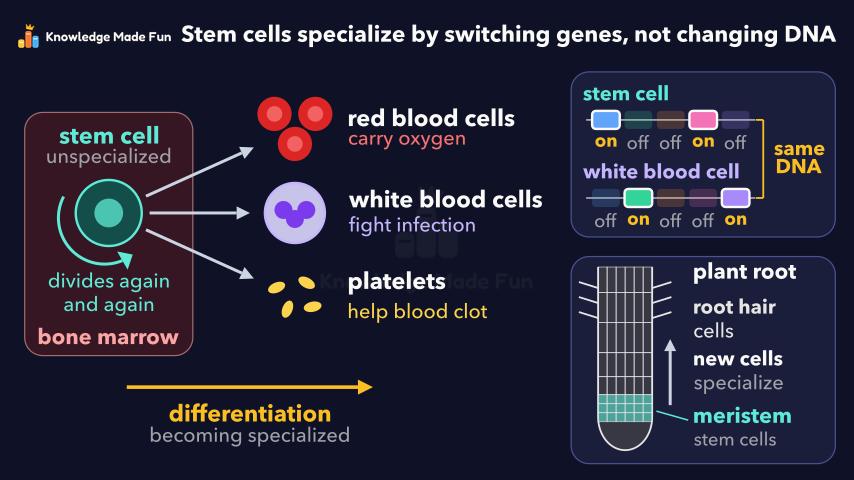
A bone marrow stem cell divides again and again and branches into red blood cells, white blood cells and platelets, each labelled with its job; the video then covers differentiation, the billions of new blood cells made each day, and bone marrow transplants for some blood cancers. Two DNA strips, from the stem cell and a white blood cell, show the same genes with different ones switched on, and a plant root tip shows meristem stem cells making new cells that become root hair cells.
Concept: Stem cells: how unspecialized cells become specialized cells
Anyone can watch two lessons on the website without an account. Signing in is free, no payment and no card, and opens three a day; Plus has no limit.
Loading
In one sentence
The question this lesson answers
Your blood holds several kinds of cells. Where do new ones come from?
They are made in bone marrow, the soft tissue inside many bones.
Transcript
What the lesson says
Your blood holds several kinds of cells. Where do new ones come from?
They are made in bone marrow, the soft tissue inside many bones.
Bone marrow holds stem cells. A stem cell is unspecialized: it has no particular job yet.
It can divide again and again. Some new cells stay stem cells, and others specialize.
Bone marrow stem cells make red blood cells, white blood cells and platelets.
Each is specialized, with a structure that suits its job: carrying oxygen, fighting infection, or helping blood clot.
Becoming specialized like this is called differentiation.
Your bone marrow makes billions of new blood cells every day.
Bone marrow transplants use these stem cells to treat some blood cancers.
So does a specialized cell have different DNA from its stem cell?
No. When a cell divides, each new cell gets an exact copy of the same DNA.
DNA carries many genes. A gene is a section of DNA that codes for a particular protein.
Becoming specialized means switching some genes on and others off.
The genes that are on decide which proteins the cell makes, and so its structure and job.
Plants have stem cells too. At the growing tip of a root, they make up a tissue called meristem.
Meristem cells keep dividing, and the new cells switch on different genes to become, for example, root hair cells.
Stem cells make specialized cells by switching genes on and off, not by changing their DNA.
Curriculum
Where this fits
- British Columbia, Grade 10
Science 10, Biology: applied genetics and ethical considerationsBC10-SC-50
The outcomes and strands follow the British Columbia curriculum.
Keep going
 1 min 3 s
A Sunflower's Life Cycle: Seed, Sprout, Flower, Seed
Kindergarten · 1 min 3 s 1 min 48 s
Adaptive radiation: one ancestor, many species
Grade 10 · 1 min 48 s 52 s
Animal Bodies That Help Them Live: Feet, Teeth and Fur
Kindergarten · 52 s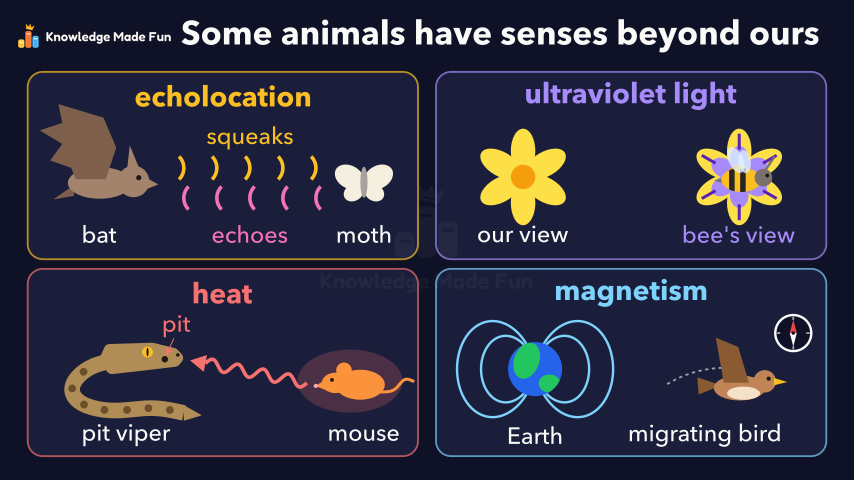 1 min 3 s
Animal senses beyond ours: echolocation, ultraviolet light, heat and magnetism
Grade 4 · 1 min 3 s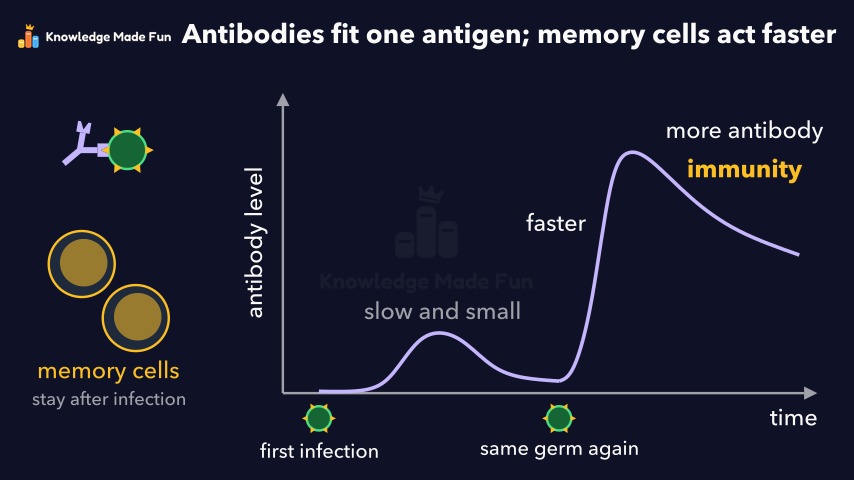 1 min 44 s
Antibodies and Memory Cells: The Body's Targeted Defence
Grade 8 · 1 min 44 s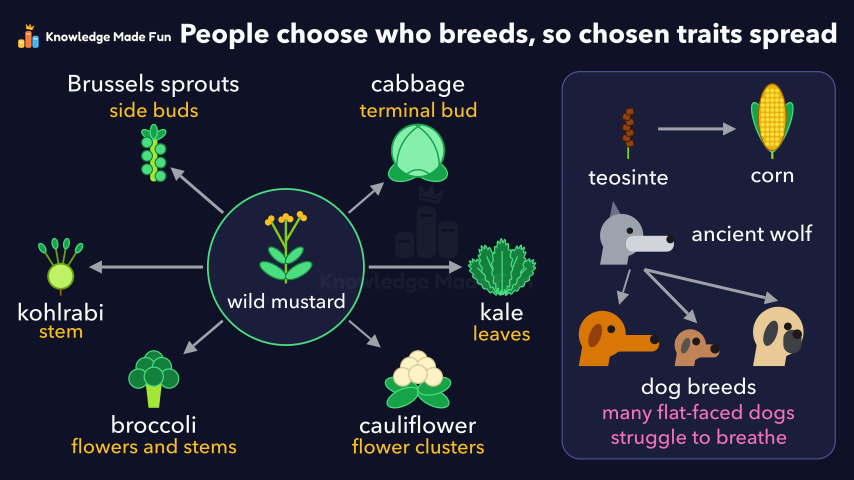 1 min 44 s
Artificial selection: people choose the traits
Grade 10 · 1 min 44 s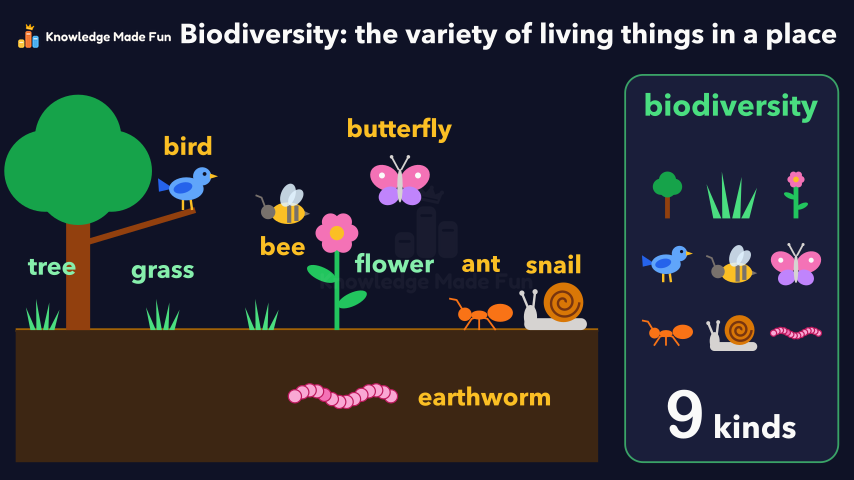 1 min 4 s
Biodiversity: The Variety of Living Things
Grade 3 · 1 min 4 s 1 min 8 s
Biomes: Sorted by Temperature and Precipitation
Grade 4 · 1 min 8 s
- All Grade 10 Science lessons
- Create a free account to watch three lessons a day, no payment and no card.