Lesson · Grade 7 · Science
Natural selection in action: Darwin's finches
- Grade 7
- Science
- 1 min 13 s
- British Columbia
- BC7-SC-08
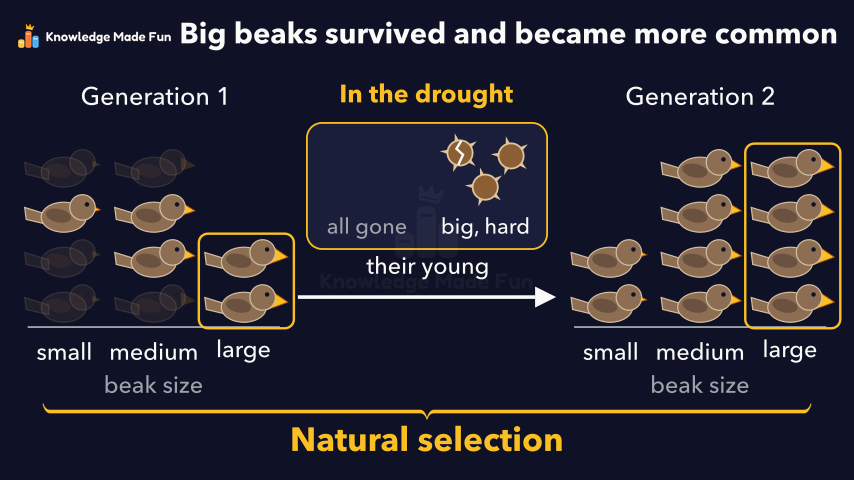
Ground finches on the Galápagos Islands sort into a picture graph by beak size, and then a drought leaves only big, hard seeds, so finches with smaller beaks are more likely to starve. The survivors' young have beaks like their parents, so the next generation has more large beaks, which the video names as natural selection.
Anyone can watch two lessons on the website without an account. Signing in is free, no payment and no card, and opens three a day; Plus has no limit.
Loading
In one sentence
The question this lesson answers
Can we actually watch natural selection happen in the wild?
These are ground finches, a kind of Darwin's finch from the Galápagos Islands.
Transcript
What the lesson says
Can we actually watch natural selection happen in the wild?
These are ground finches, a kind of Darwin's finch from the Galápagos Islands.
Their beaks are not all the same size: some are small, and some are large.
They eat seeds, some small and soft, and some big and hard.
Then a long drought came, and the small, soft seeds ran out.
Finches with bigger beaks could crack the big, hard seeds more easily.
Many finches with smaller beaks could not get enough food, and died.
So finches with bigger beaks were more likely to survive.
The survivors had young, and the young had beaks like their parents.
So in the next generation, more finches had large beaks.
Scientists measured real finches after a drought, and saw this happen.
This is natural selection: the finches best suited to the hard seeds survived and passed on their traits.
The drought favoured big beaks, so big beaks became more common.
Curriculum
Where this fits
- British Columbia, Grade 7
Science, Biology: natural selectionBC7-SC-08
Previous: How an Arctic Fox Survives: Adaptations of Body and Behaviour
The outcomes and strands follow the British Columbia curriculum.
Keep going
 1 min 3 s
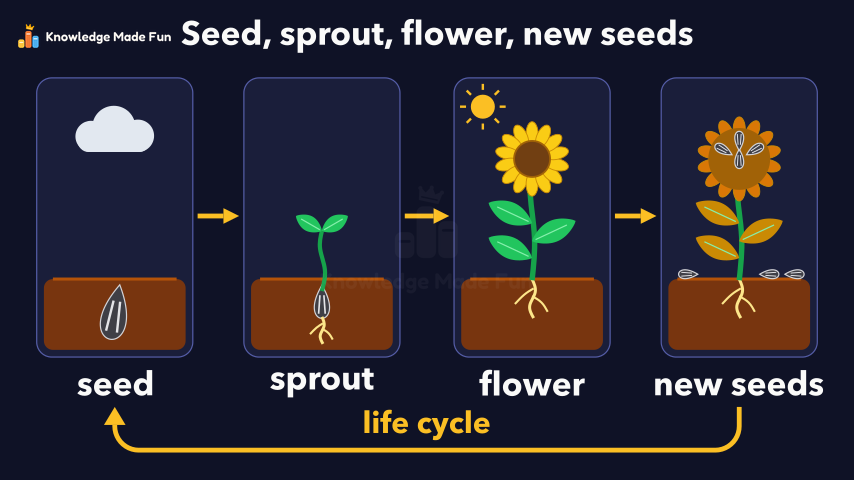
A Sunflower's Life Cycle: Seed, Sprout, Flower, Seed
Kindergarten · 1 min 3 s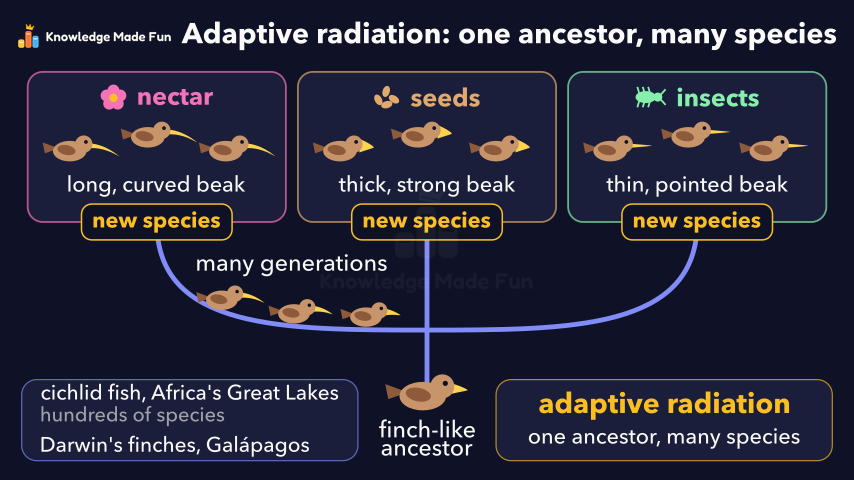 1 min 48 s
Adaptive radiation: one ancestor, many species
Grade 10 · 1 min 48 s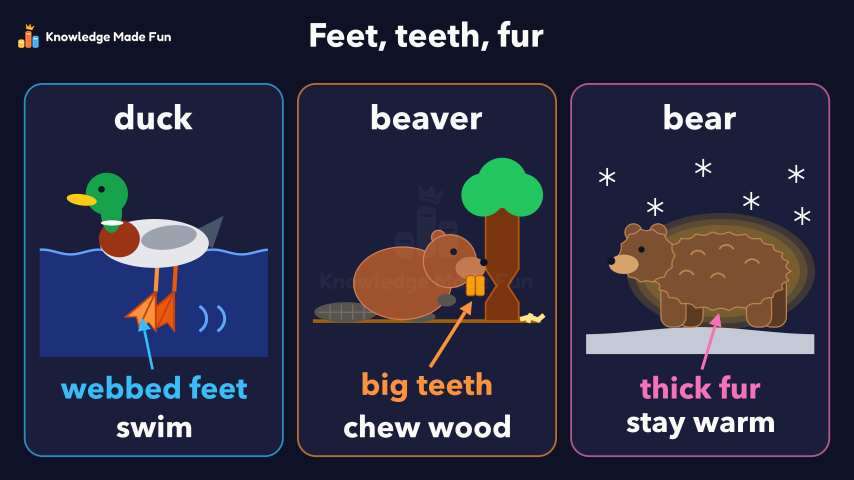 52 s
Animal Bodies That Help Them Live: Feet, Teeth and Fur
Kindergarten · 52 s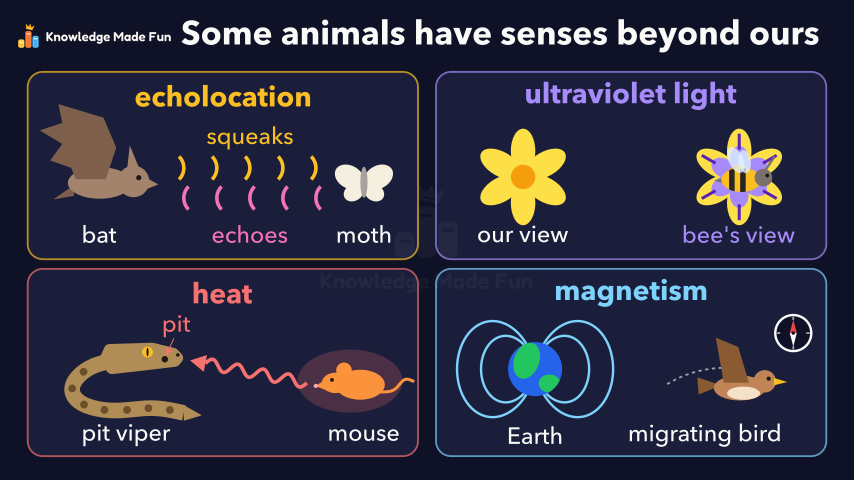 1 min 3 s
Animal senses beyond ours: echolocation, ultraviolet light, heat and magnetism
Grade 4 · 1 min 3 s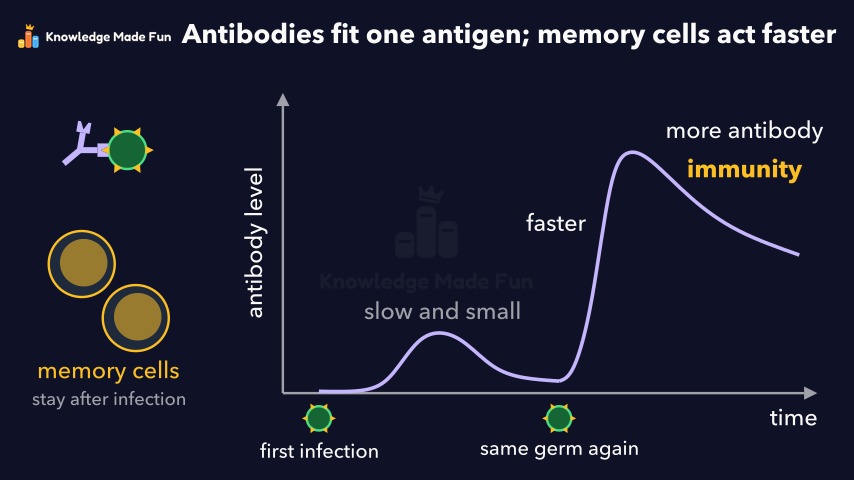 1 min 44 s
Antibodies and Memory Cells: The Body's Targeted Defence
Grade 8 · 1 min 44 s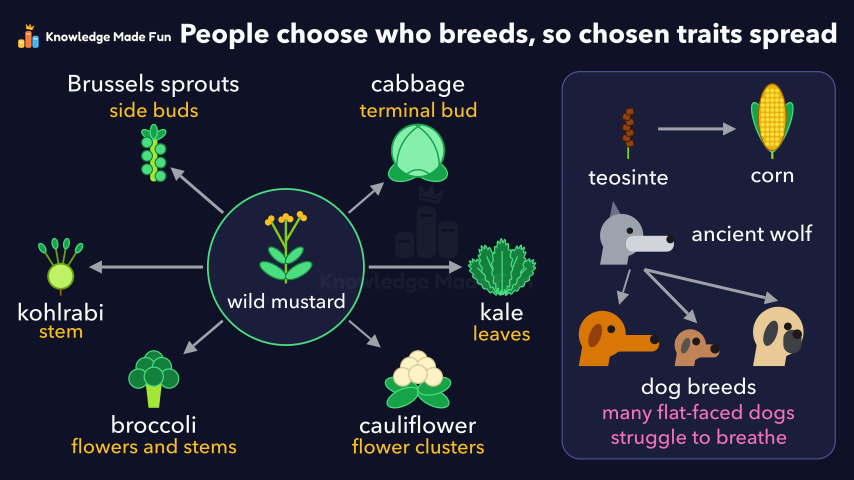 1 min 44 s
Artificial selection: people choose the traits
Grade 10 · 1 min 44 s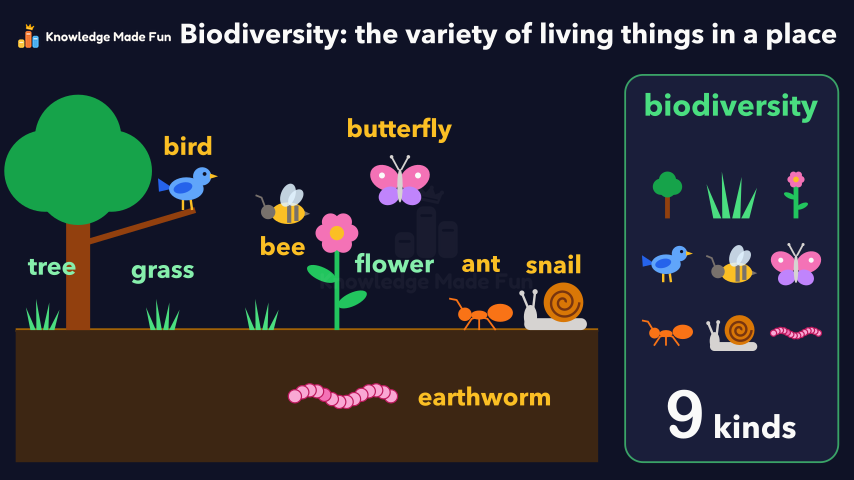 1 min 4 s
Biodiversity: The Variety of Living Things
Grade 3 · 1 min 4 s 1 min 8 s
Biomes: Sorted by Temperature and Precipitation
Grade 4 · 1 min 8 s
- All Grade 7 Science lessons
- Create a free account to watch three lessons a day, no payment and no card.