Lesson · Grade 11 · Chemistry
Dilution: More Solvent, Same Moles of Solute
- Grade 11
- Chemistry
- 2 min 10 s
- British Columbia
- BC11-SC-39
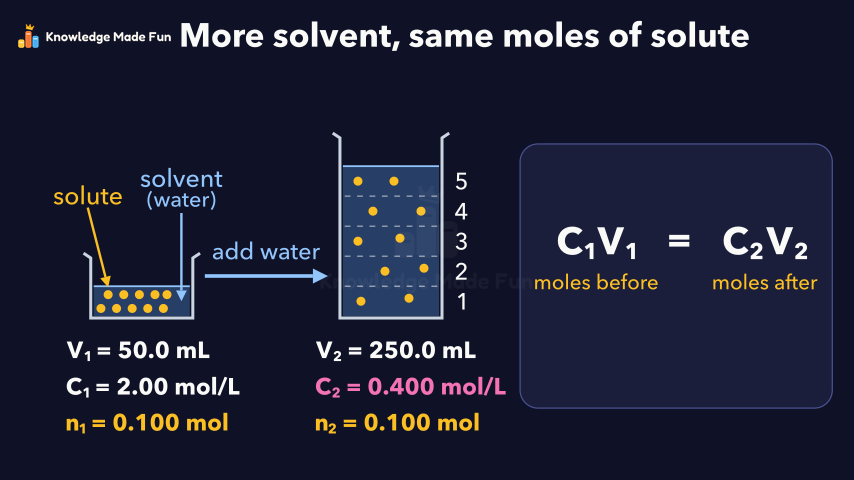
A small beaker of 50.0 mL of 2.00 mol/L solution (0.100 mol of solute) is diluted with water to 250.0 mL. The same solute particles spread out through the bigger volume, and a working panel shows C₁V₁ = C₂V₂ giving 2.00 × 50.0 ÷ 250.0 = 0.400 mol/L. The same answer then comes from parts (1 part concentrate in 5 parts total is one fifth of the strength). It ends by showing the two ways a "1:4" label can be read (one fifth or one quarter of the strength) and a one-line recap that the moles stay the same.
Concept: Dilution: more solvent, same amount of solute
Anyone can watch two lessons on the website without an account. Signing in is free, no payment and no card, and opens three a day; Plus has no limit.
Loading
In one sentence
The question this lesson answers
Diluting a solution means adding more solvent. What changes, and what stays the same?
A solution is a solute dissolved in a solvent, here water.
Transcript
What the lesson says
Diluting a solution means adding more solvent. What changes, and what stays the same?
A solution is a solute dissolved in a solvent, here water.
Concentration is moles of solute per litre of solution. Ours is 50.0 millilitres at 2.00 moles per litre.
Moles of solute are concentration times volume in litres: 2.00 times 0.0500 is 0.100 moles.
Now add water until the total volume is 250.0 millilitres.
The solute spreads out, so the concentration drops, but there are still 0.100 moles.
Moles before equal moles after, so C one V one equals C two V two.
With both volumes in millilitres, 2.00 times 50.0 equals C two times 250.0.
So C two is 2.00 times 50.0 divided by 250.0, which is 0.400 moles per litre.
At work, people often think in parts. Each part here is 50.0 millilitres: 1, 2, 3, 4, 5.
1 part concentrate in 5 parts total gives one fifth of the strength: 2.00 divided by 5 is 0.400 again.
A label saying 1 to 4 may mean 1 part to 4 parts: 5 parts total, so one fifth of the strength.
Or it may mean 1 part in 4 parts total, so one quarter of the strength. Check which one is meant.
More solvent, same moles of solute: C one V one equals C two V two.
Curriculum
Where this fits
- British Columbia, Grade 11
Chemistry 11, Solutions: stoichiometric calculations in aqueous solutionsBC11-SC-39
Previous: Molarity: moles of solute per litre of solutionNext: Ion concentrations when two solutions are mixed
- British Columbia, Grade 11
Science For Citizens 11, Science at work: practical applications of science in the workplaceBC11-SC-287
Next: Fractional Distillation: Separating Crude Oil by Boiling Point
The outcomes and strands follow the British Columbia curriculum.
Keep going
 2 min 41 s
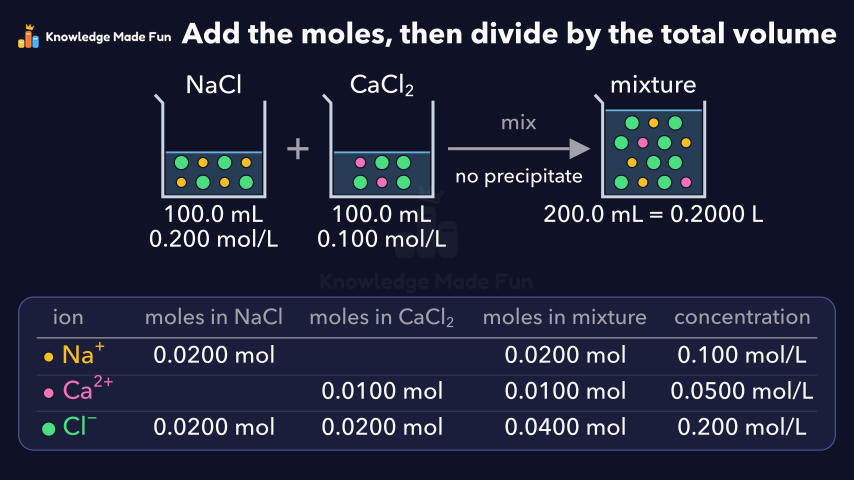
Ion concentrations when two solutions are mixed
Grade 11 · 2 min 41 s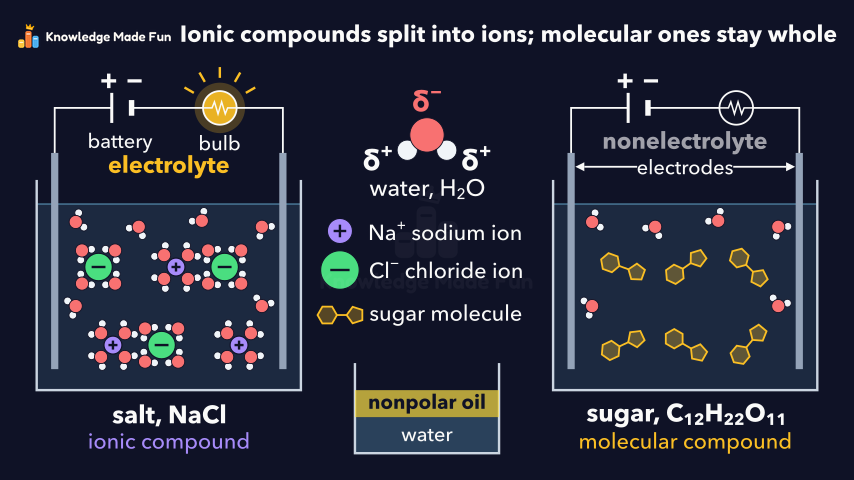 1 min 51 s
Ionic compounds split into ions; molecular ones stay whole
Grade 11 · 1 min 51 s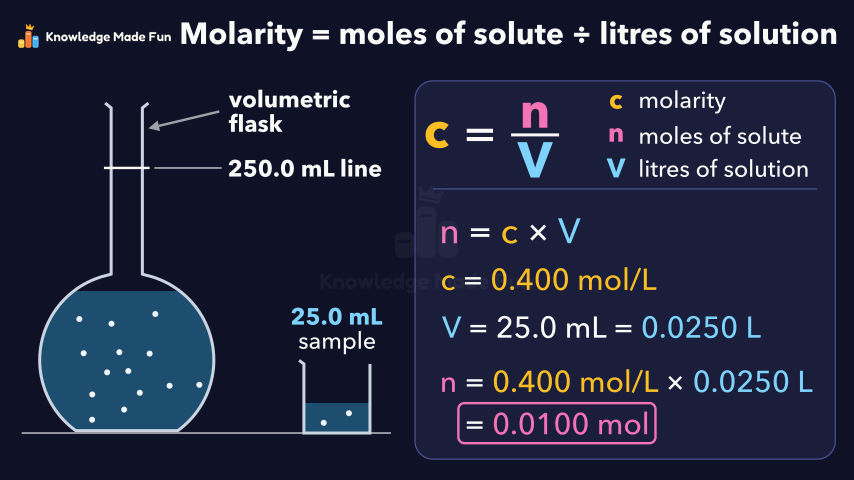 2 min 19 s
Molarity: moles of solute per litre of solution
Grade 11 · 2 min 19 s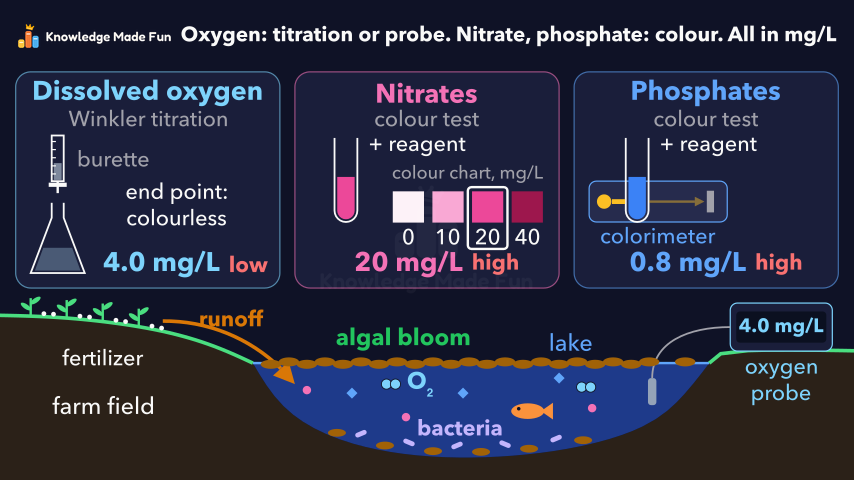 1 min 52 s
Testing Water: Dissolved Oxygen, Nitrates and Phosphates
Grade 11 · 1 min 52 s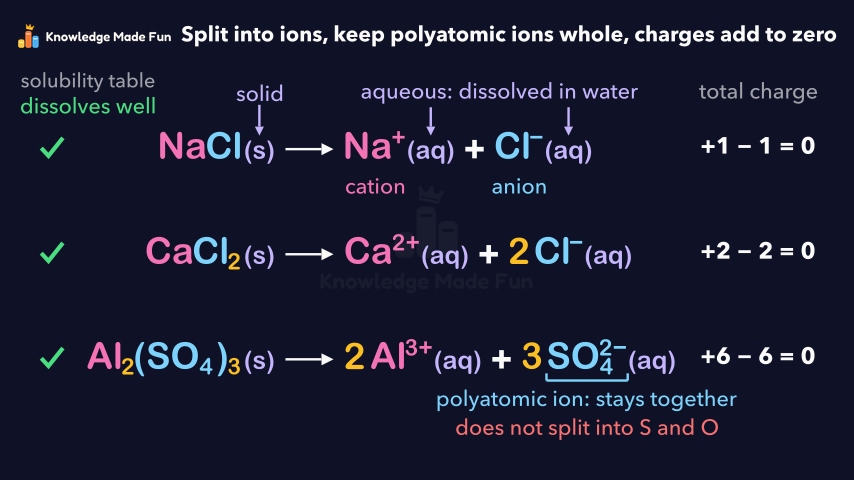 1 min 56 s
Writing Dissociation Equations
Grade 11 · 1 min 56 s 1 min 40 s
Acids and bases: the pH scale
Grade 10 · 1 min 40 s 1 min 39 s
Adaptations Are Inherited, Not Earned in a Lifetime
Grade 11 · 1 min 39 s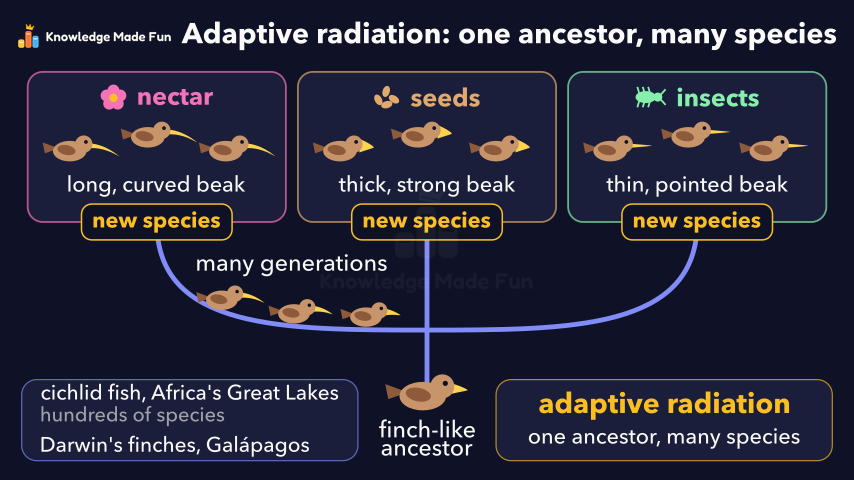 1 min 48 s
Adaptive radiation: one ancestor, many species
Grade 10 · 1 min 48 s
- All Grade 11 Chemistry lessons
- Create a free account to watch three lessons a day, no payment and no card.