Lesson · Grade 11 · Life Sciences
Body Symmetry and Cephalization in Animals
- Grade 11
- Life Sciences
- 1 min 46 s
- British Columbia
- BC11-SC-172
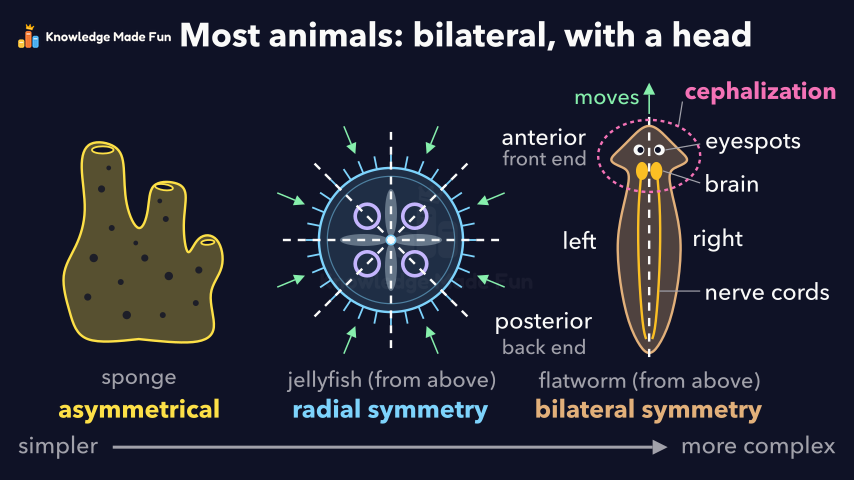
A sponge with no plane of symmetry, a jellyfish with many planes through its centre, and a flatworm with one plane from head to tail show the move from asymmetrical to radial to bilateral symmetry. The flatworm then shows cephalization: its eyespots and a simple brain are gathered in a head at the front end it moves with.
Anyone can watch two lessons on the website without an account. Signing in is free, no payment and no card, and opens three a day; Plus has no limit.
Loading
In one sentence
The question this lesson answers
Animals range from simpler to more complex. One clear trend is in the symmetry of their bodies.
Start with a sponge, one of the simplest animals.
Transcript
What the lesson says
Animals range from simpler to more complex. One clear trend is in the symmetry of their bodies.
Start with a sponge, one of the simplest animals.
A plane of symmetry is an imaginary cut that splits a body into two mirror-image halves.
Most sponges have no such plane: wherever you cut, the halves differ. They are asymmetrical, meaning without symmetry.
Next, a jellyfish, seen here from above. Its parts are arranged in a circle around a centre.
Many planes through the centre split it into matching halves. This is called radial symmetry.
With no front or back end, it meets its surroundings equally from all sides.
Most animals are built like this flatworm, seen here from above.
Only one plane, from head to tail, splits it into left and right mirror halves.
This is called bilateral symmetry, which means two sided.
It has a front end, called anterior, and a back end, called posterior.
It moves front end first, so sense organs, like these eyespots, are gathered there.
Nerve cells gather there too, forming a simple brain linked to nerve cords along the body.
Gathering nerves and sense organs into a head at the front end is called cephalization.
So the trend runs from asymmetrical, to radial symmetry, to bilateral symmetry with a head.
In short, most animals are bilateral, with nerves and sense organs gathered in a head.
Curriculum
Where this fits
- British Columbia, Grade 11
Life Sciences 11, Diversity of life: trends in complexity among various life formsBC11-SC-172
The outcomes and strands follow the British Columbia curriculum.
Keep going
 1 min 39 s
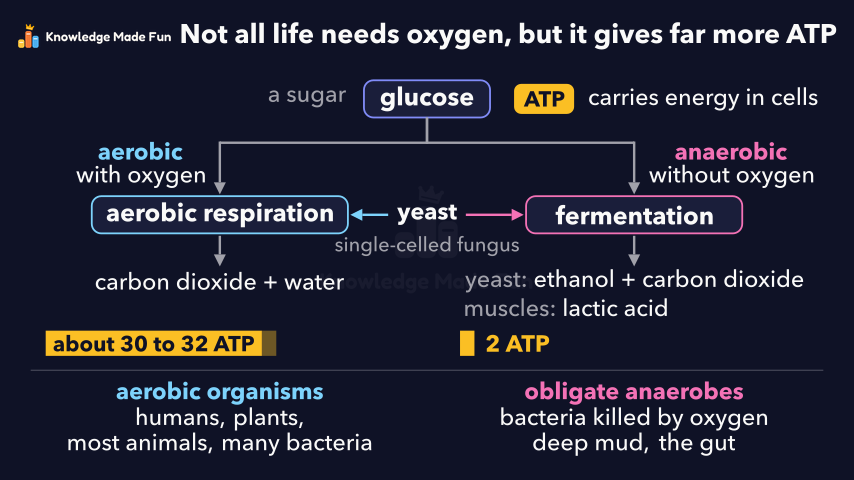
Aerobic and anaerobic organisms
Grade 11 · 1 min 39 s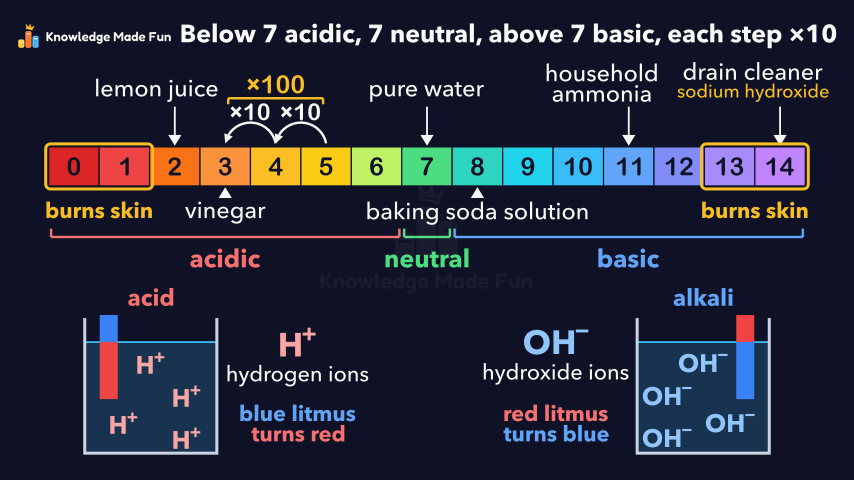 1 min 40 s
Acids and bases: the pH scale
Grade 10 · 1 min 40 s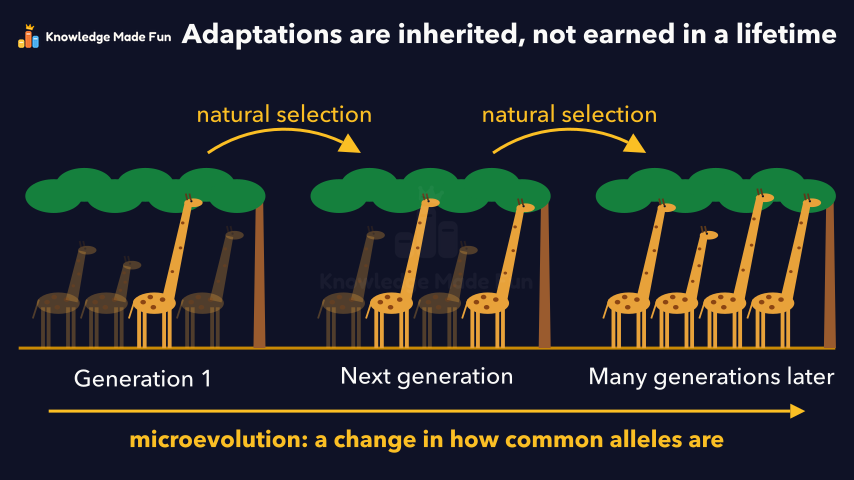 1 min 39 s
Adaptations Are Inherited, Not Earned in a Lifetime
Grade 11 · 1 min 39 s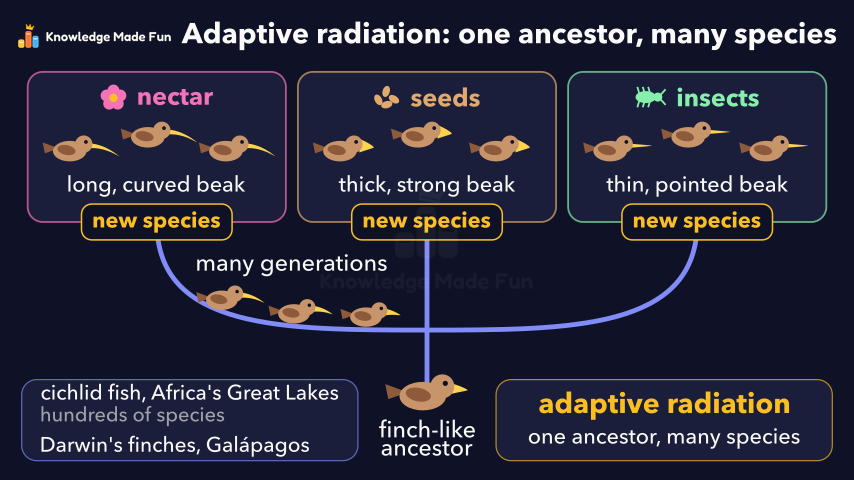 1 min 48 s
Adaptive radiation: one ancestor, many species
Grade 10 · 1 min 48 s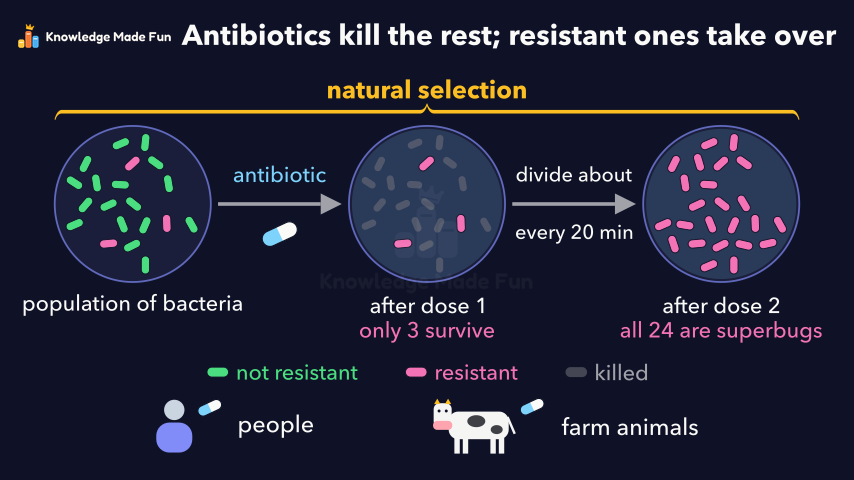 1 min 37 s
Antibiotic resistance: how superbugs evolve
Grade 8 · 1 min 37 s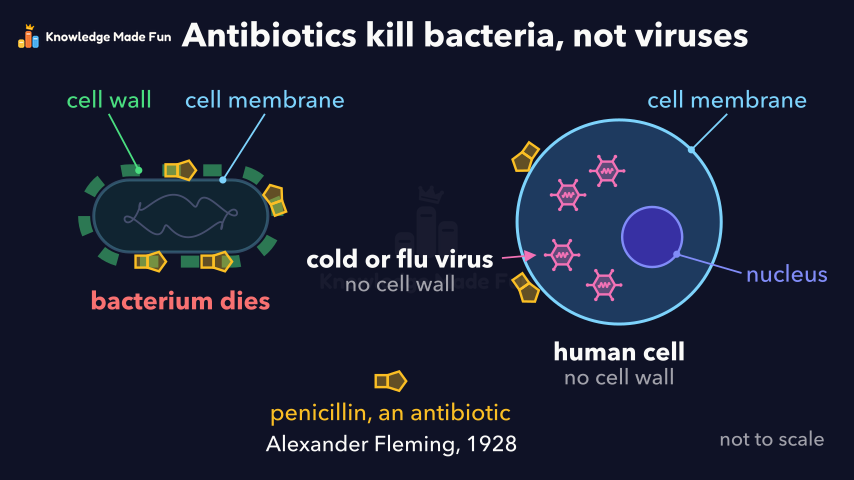 1 min 35 s
Antibiotics kill bacteria, not viruses
Grade 8 · 1 min 35 s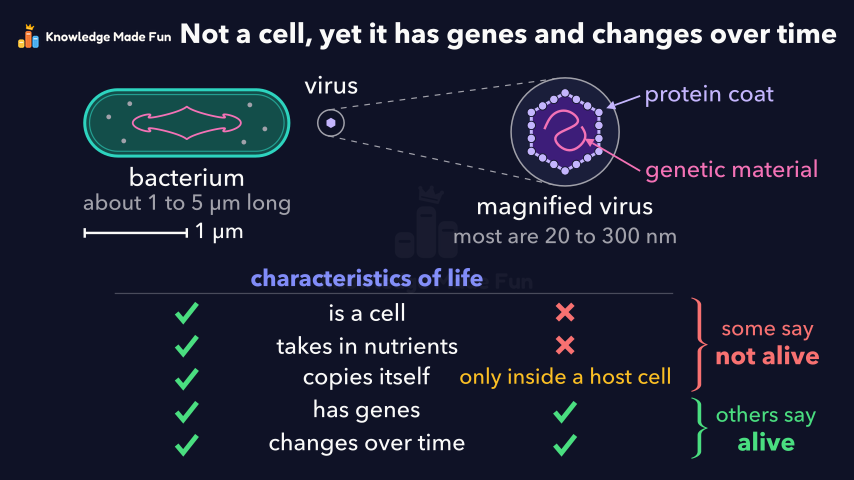 2 min
Are viruses alive? Why scientists disagree
Grade 8 · 2 min 1 min 44 s
Artificial selection: people choose the traits
Grade 10 · 1 min 44 s
- All Grade 11 Life Sciences lessons
- Create a free account to watch three lessons a day, no payment and no card.