Lesson · Grade 11 · Life Sciences
Binary Fission, Budding and Conjugation
- Grade 11
- Life Sciences
- 1 min 55 s
- British Columbia
- BC11-SC-140
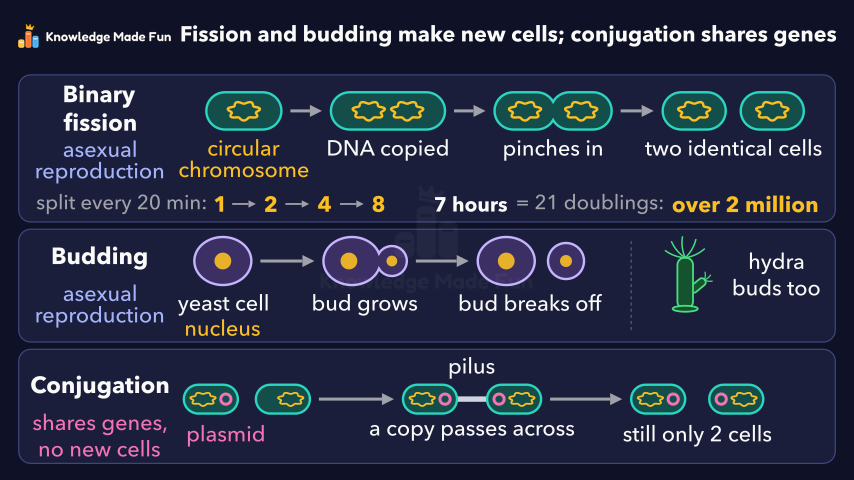
One chart builds up row by row to show how a bacterium splits in two by binary fission and how a yeast cell makes a new cell by budding, both forms of asexual reproduction. It then shows two bacteria joining by a pilus to pass a copy of a plasmid, making clear that conjugation shares genes but makes no new cells.
Concept: Binary fission, budding and conjugation in microbes
Anyone can watch two lessons on the website without an account. Signing in is free, no payment and no card, and opens three a day; Plus has no limit.
Loading
In one sentence
The question this lesson answers
How do microbes multiply and share genes? Let's compare binary fission, budding and conjugation.
Fission and budding are asexual reproduction: one parent makes offspring with the same genes.
Transcript
What the lesson says
How do microbes multiply and share genes? Let's compare binary fission, budding and conjugation.
Fission and budding are asexual reproduction: one parent makes offspring with the same genes.
Binary fission means splitting in two. A bacterium's main DNA is usually one loop: a circular chromosome.
First, the bacterium copies its DNA, making two identical loops.
Next, the cell grows, the loops move apart, and the middle pinches in.
Then it splits into two daughter cells, each with a full copy of the DNA.
In ideal conditions, some bacteria split every 20 minutes: one becomes two, then four, then eight.
After seven hours, 21 doublings, there could be over 2 million.
Yeast, a single-celled fungus, often reproduces by budding.
A bulge called a bud grows out, and the nucleus divides so the bud gets a copy.
The bud then breaks off as a new cell with the same genes.
Hydra, a small freshwater animal, buds too.
Conjugation is different. Many bacteria carry a plasmid, a small extra loop of DNA.
First, two bacteria join by a thin tube called a pilus.
Then a copy of the plasmid passes across, so both cells now carry it.
The cells separate. One has new genes, but there are still only two cells.
So conjugation shares genes but makes no new cells: it is not reproduction.
Fission and budding make new cells; conjugation only shares genes.
Curriculum
Where this fits
- British Columbia, Grade 11
Life Sciences 11, Cells: sexual and asexual reproductionBC11-SC-140
Previous: Meiosis: Making Sex Cells with Half the ChromosomesNext: Asexual or Sexual Reproduction: Fast Copies or New Variety
The outcomes and strands follow the British Columbia curriculum.
Keep going
 1 min 53 s
Asexual or Sexual Reproduction: Fast Copies or New Variety
Grade 9 · 1 min 53 s 1 min 54 s
ATP: How Cells Store and Spend Energy
Grade 11 · 1 min 54 s 1 min 49 s
Cell Specialization: Same DNA, Different Jobs
Grade 11 · 1 min 49 s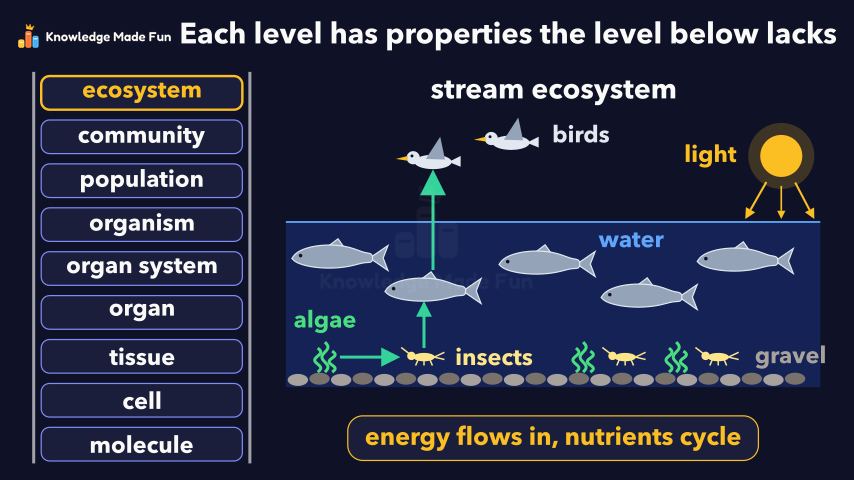 1 min 57 s
Levels of Organization: From Molecules to Ecosystems
Grade 11 · 1 min 57 s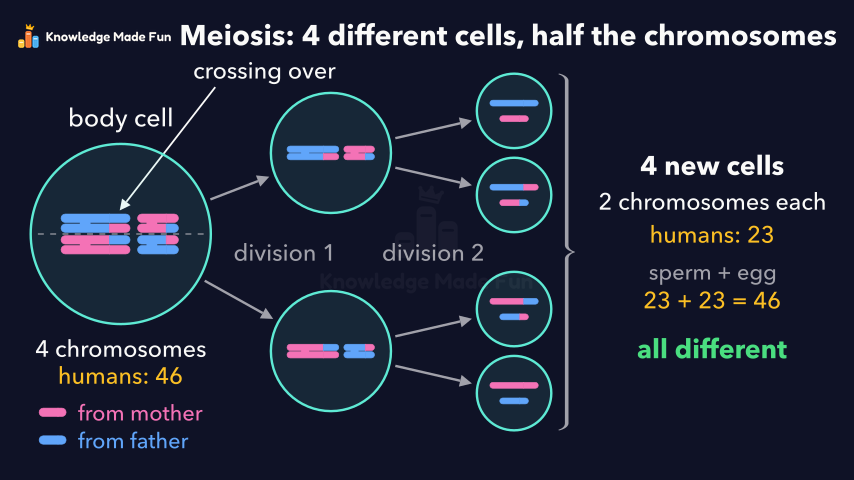 1 min 53 s
Meiosis: Making Sex Cells with Half the Chromosomes
Grade 9 · 1 min 53 s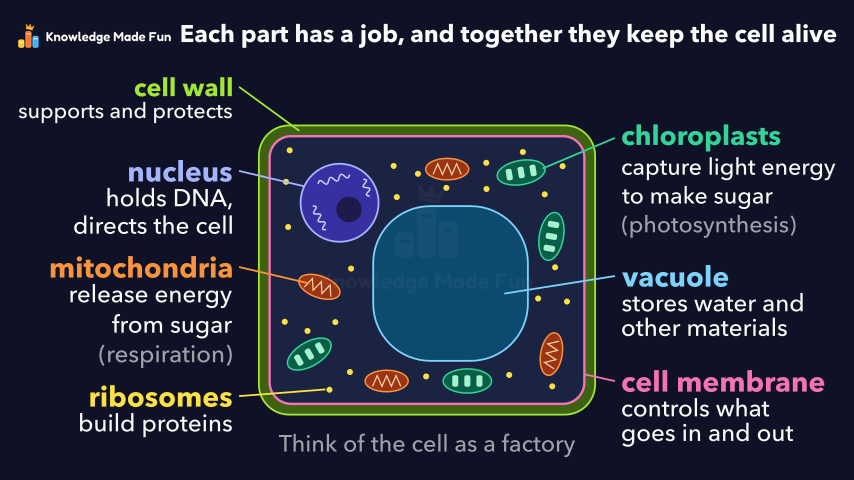 1 min 22 s
Organelles: The Jobs Inside a Cell
Grade 8 · 1 min 22 s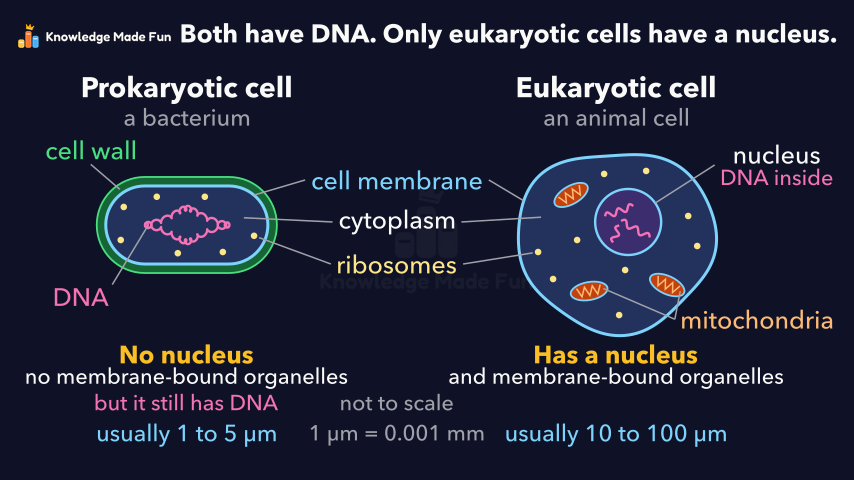 1 min 55 s
Prokaryotic and eukaryotic cells: is there a nucleus?
Grade 8 · 1 min 55 s 1 min 51 s
The Stages of Mitosis: One Cell Becomes Two
Grade 9 · 1 min 51 s
- All Grade 11 Life Sciences lessons
- Create a free account to watch three lessons a day, no payment and no card.