Lesson · Grade 6 · Social Studies
Why Most People Now Live in Cities
- Grade 6
- Social Studies
- 1 min 16 s
- British Columbia
- BC6-SS-01
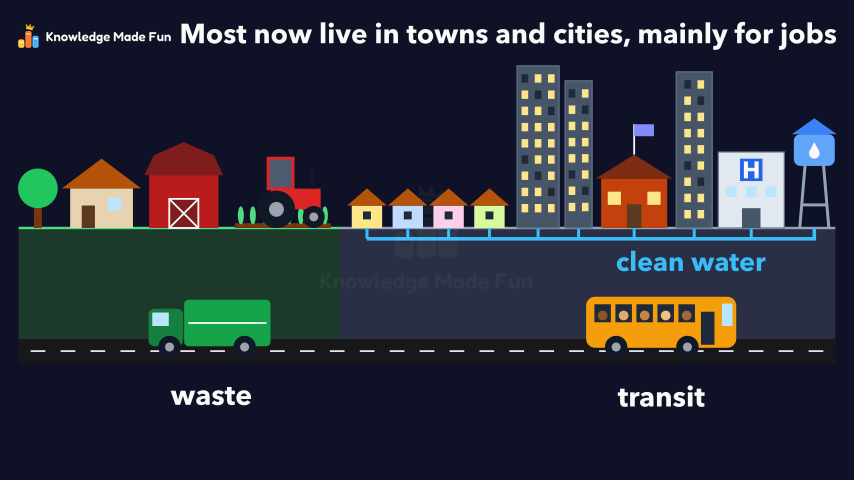
A farm and a city sit side by side as ten people on the road between them walk from the farm to the city, showing that out of every 10 people about 3 lived in towns and cities in about 1950, half did by about 2007 and about 6 do today, with a tractor (farms need fewer workers) and the city's jobs, schools and hospitals showing why, a move called urbanization. The growing city then spreads over farmland, builds tall buildings for high density, and needs water pipes, waste collection and buses, before the recap that most people now live in towns and cities, mainly for jobs.
Anyone can watch two lessons on the website without an account. Signing in is free, no payment and no card, and opens three a day; Plus has no limit.
Loading
In one sentence
The question this lesson answers
Why do most people now live in towns and cities?
Some people live in the countryside, and others in towns and cities.
Transcript
What the lesson says
Why do most people now live in towns and cities?
Some people live in the countryside, and others in towns and cities.
In about 1950, only about 3 in every 10 people lived in towns and cities.
By about 2007, for the first time, half of all people did.
Today it is about 6 in every 10 people, which is more than half.
Machines now do much of the farm work, so farms need fewer workers.
Cities offer more jobs, with schools and hospitals nearby.
This growing share of people in towns and cities is called urbanization.
As a city grows, it often spreads out over nearby farmland.
Tall buildings fit many people on little land, which is called high density.
Everyone needs clean water, carried to their homes in pipes.
Their waste must be collected and taken away.
Public transit, like buses, carries many people at once.
Most people now live in towns and cities, mainly for jobs.
Curriculum
Where this fits
- British Columbia, Grade 6
Social Studies, Global issues: the urbanization and migration of peopleBC6-SS-01
The outcomes and strands follow the British Columbia curriculum.
Keep going
 1 min 9 s
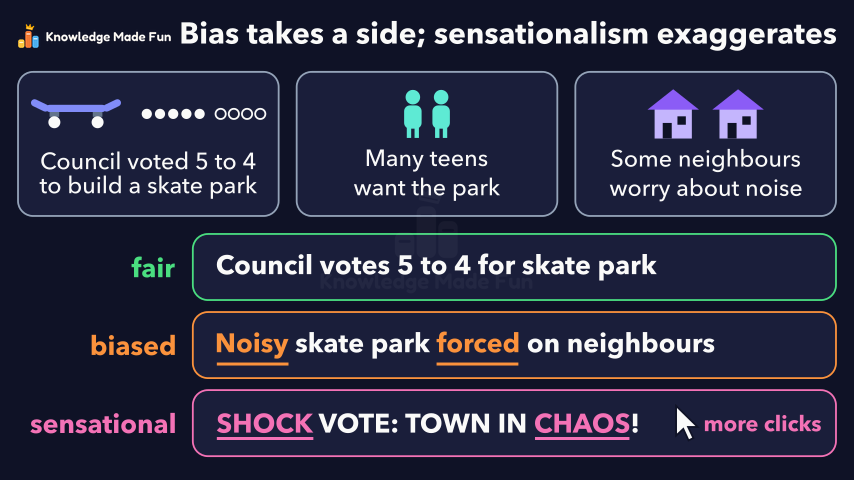
Bias and Sensationalism: One Story, Three Headlines
Grade 6 · 1 min 9 s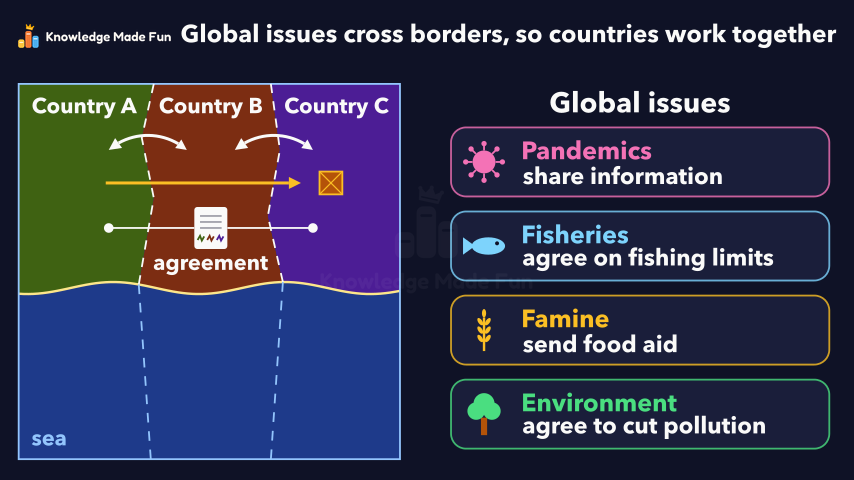 1 min 20 s
Countries Working Together on Global Problems
Grade 6 · 1 min 20 s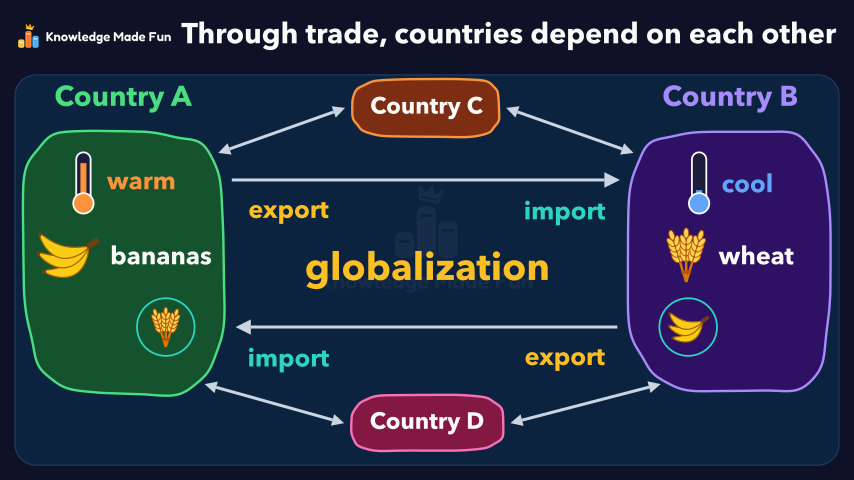 1 min 15 s
Globalization: How Countries Depend on Each Other
Grade 6 · 1 min 15 s 1 min 11 s
How News and Rumours Spread on Social Media
Grade 6 · 1 min 11 s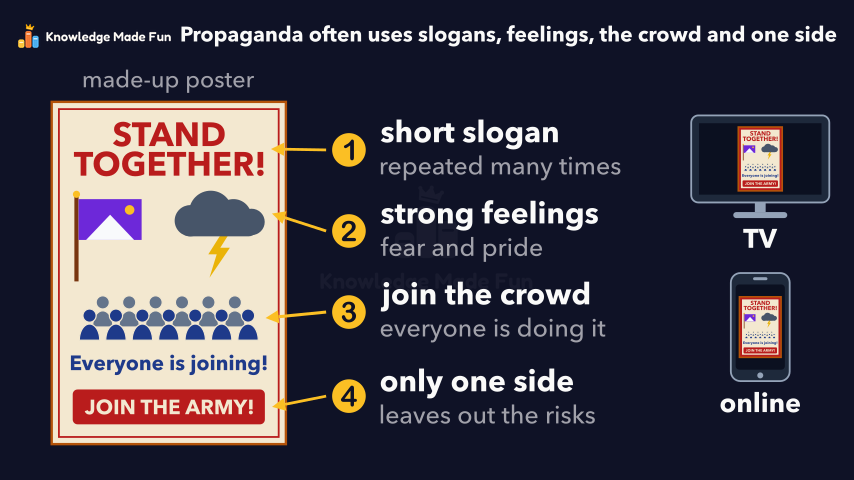 1 min
Propaganda: how it persuades
Grade 6 · 1 min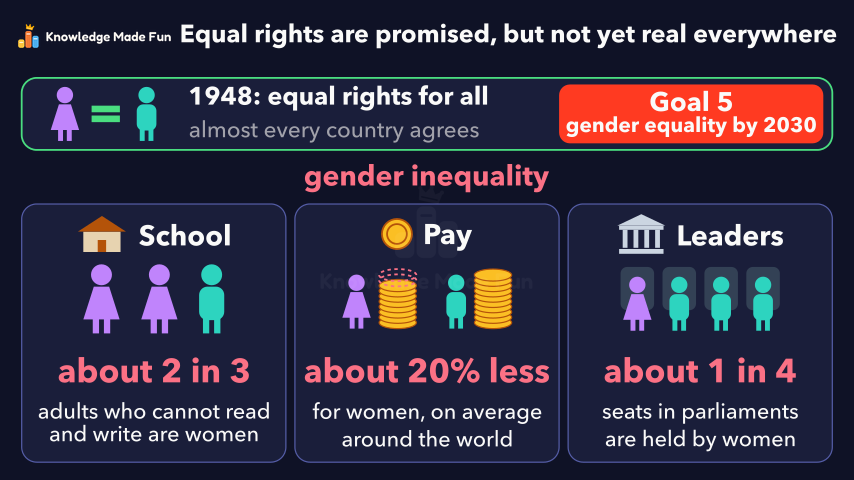 1 min 19 s
Rights for girls and women around the world
Grade 6 · 1 min 19 s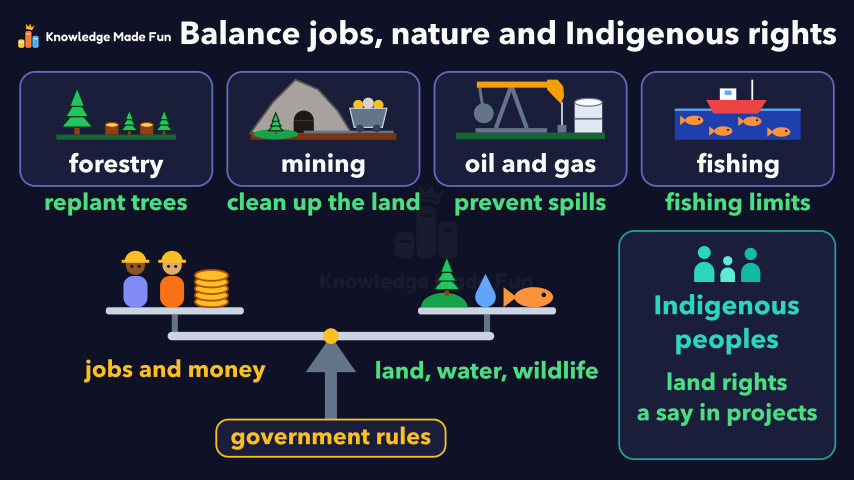 1 min 18 s
Using Natural Resources: Balancing Jobs and Nature
Grade 6 · 1 min 18 s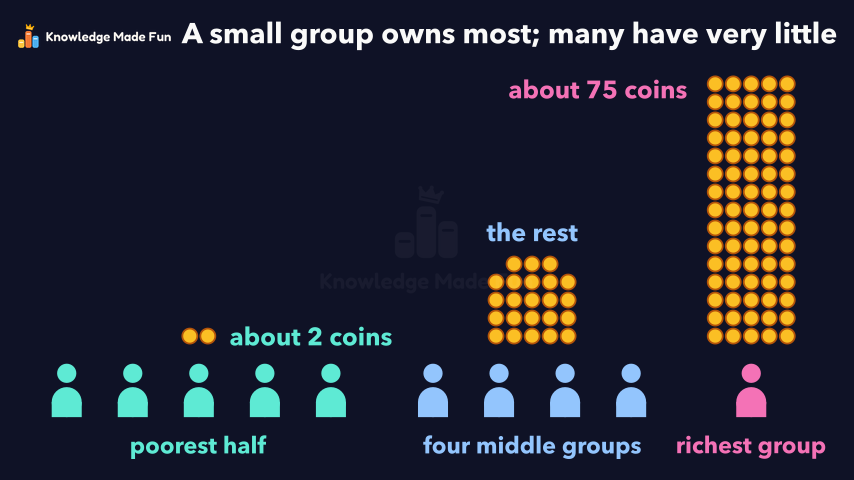 1 min 13 s
Who Owns the World's Wealth?
Grade 6 · 1 min 13 s
- All Grade 6 Social Studies lessons
- Create a free account to watch three lessons a day, no payment and no card.