Lesson · Grade 6 · Science
Why Optical Illusions Fool the Brain
- Grade 6
- Science
- 1 min 11 s
- British Columbia
- BC6-SC-05
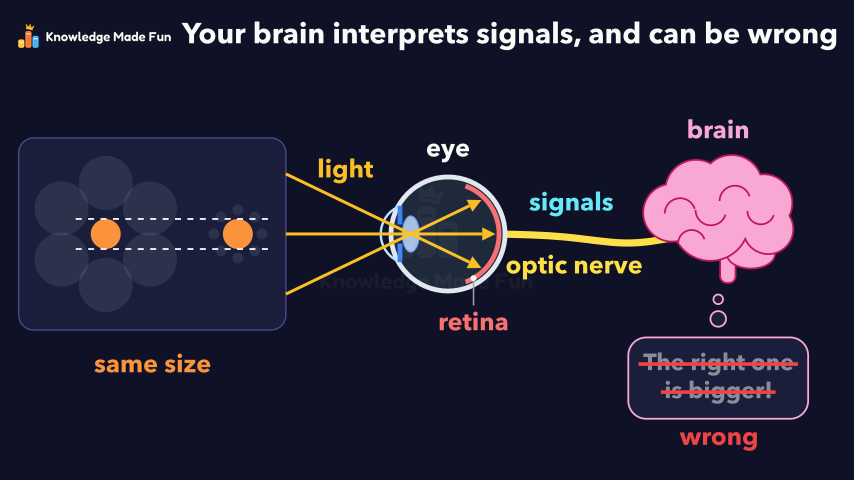
Two orange circles look different sizes because one is ringed by big circles and the other by small ones, but dashed guide lines show they are exactly the same size. A labelled diagram then follows light into the eye, where the retina turns it into signals that the optic nerve carries to the brain; the brain compares each circle with what is around it, so it wrongly decides the right one is bigger.
Anyone can watch two lessons on the website without an account. Signing in is free, no payment and no card, and opens three a day; Plus has no limit.
Loading
In one sentence
The question this lesson answers
Why do optical illusions fool your brain?
Look at the two orange circles: which one looks bigger?
Transcript
What the lesson says
Why do optical illusions fool your brain?
Look at the two orange circles: which one looks bigger?
Most people say the one on the right looks bigger.
In fact, the two orange circles are exactly the same size.
Light from the picture enters your eye.
At the back of your eye, the retina turns the light into nerve signals.
The optic nerve carries these signals to your brain.
Your brain interprets the signals, which means it works out what you are seeing.
Your brain often judges a size by comparing it with things nearby.
Next to big circles, the orange circle seems smaller.
Next to small circles, the same orange circle seems bigger.
So your brain decides that the right one is bigger.
But that is wrong, because the two orange circles are the same size.
Illusions fool us because your brain interprets the signals from your eyes, and it can be wrong.
Curriculum
Where this fits
- British Columbia, Grade 6
Science, Biology: the basic structures and functions of body systems: nervousBC6-SC-05
Previous: The Nervous System: How Your Brain Knows What You Touch
The outcomes and strands follow the British Columbia curriculum.
Keep going
 1 min 3 s
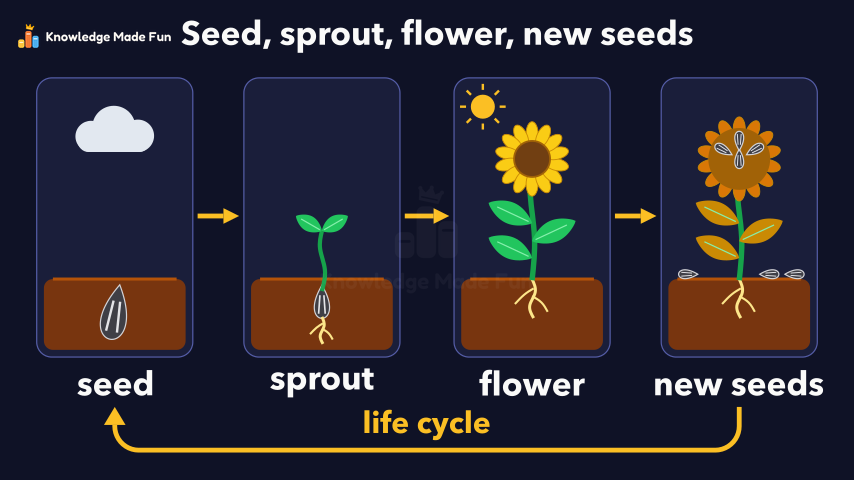
A Sunflower's Life Cycle: Seed, Sprout, Flower, Seed
Kindergarten · 1 min 3 s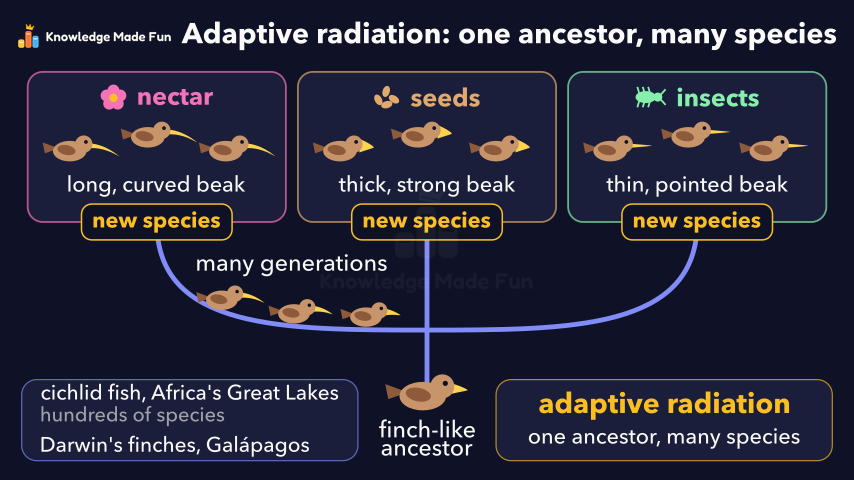 1 min 48 s
Adaptive radiation: one ancestor, many species
Grade 10 · 1 min 48 s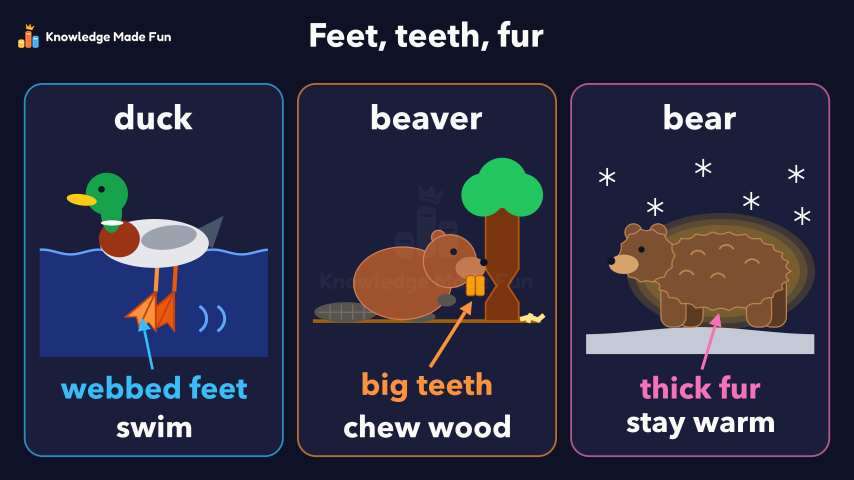 52 s
Animal Bodies That Help Them Live: Feet, Teeth and Fur
Kindergarten · 52 s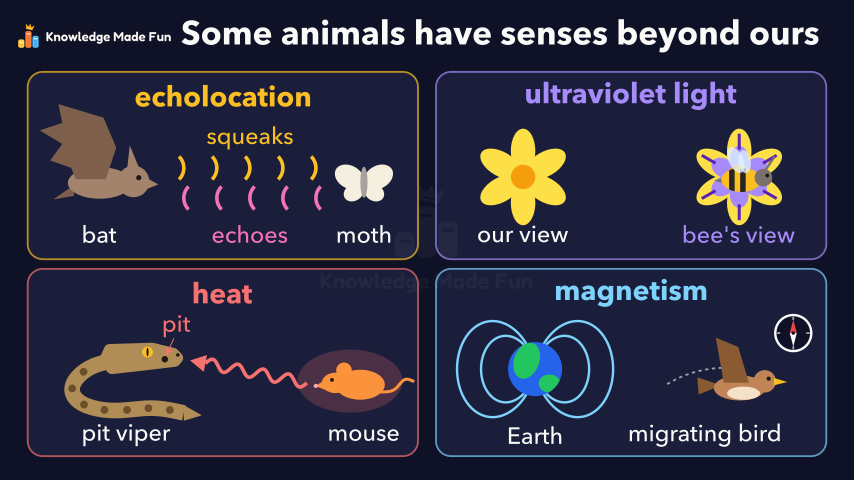 1 min 3 s
Animal senses beyond ours: echolocation, ultraviolet light, heat and magnetism
Grade 4 · 1 min 3 s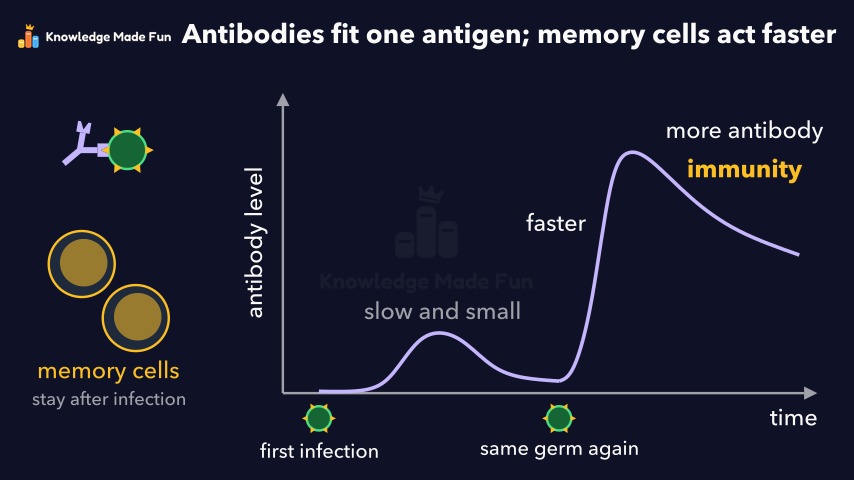 1 min 44 s
Antibodies and Memory Cells: The Body's Targeted Defence
Grade 8 · 1 min 44 s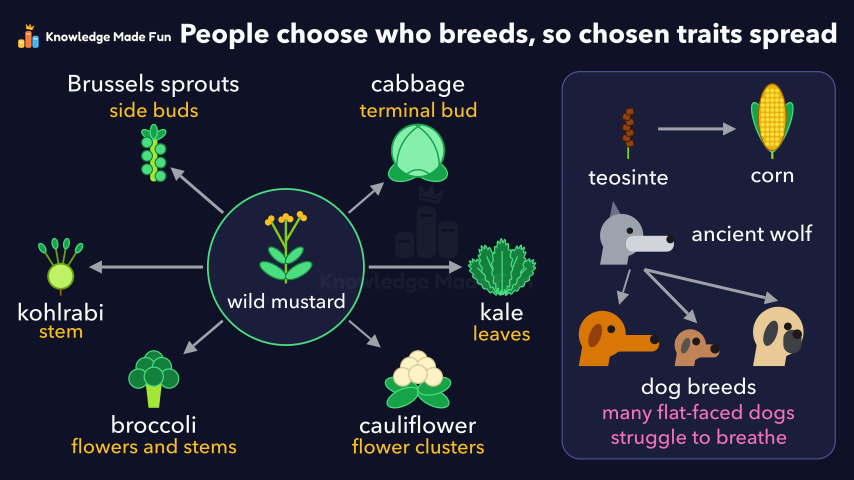 1 min 44 s
Artificial selection: people choose the traits
Grade 10 · 1 min 44 s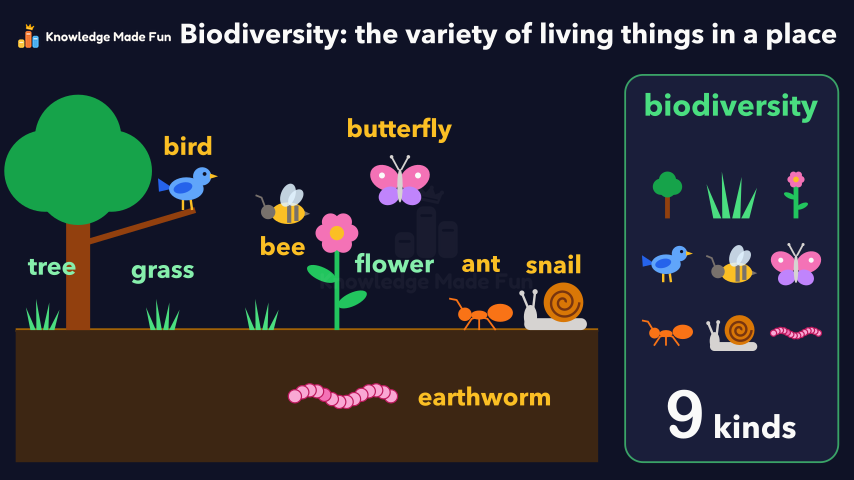 1 min 4 s
Biodiversity: The Variety of Living Things
Grade 3 · 1 min 4 s 1 min 8 s
Biomes: Sorted by Temperature and Precipitation
Grade 4 · 1 min 8 s
- All Grade 6 Science lessons
- Create a free account to watch three lessons a day, no payment and no card.